Executive Overview
In the hyper-connected, deeply desensitized ecosystem of modern internet culture, the boundary between real-world tragedy and abstract digital abstraction is frequently blurred. This unsettling phenomenon was thrust back into the global spotlight following the recent online circulation of a purportedly new prison photo featuring Patrick Crusius—the perpetrator of the devastating 2019 El Paso Walmart mass shooting.
To the broader public and judicial system, Crusius is recognized as a convicted domestic terrorist serving multiple consecutive life sentences for one of the deadliest hate crimes in recent American history. However, to a vast, insular, and often nihilistic faction of internet meme spaces—particularly those orbiting imageboards like 4chan and various subreddits—he occupies an entirely different, highly abstracted reality: he is the living human blueprint for "Chudjak," a pervasive Wojak-style caricatured line drawing and the thematic catalyst for the ubiquitous "Billions Must Die" meme.
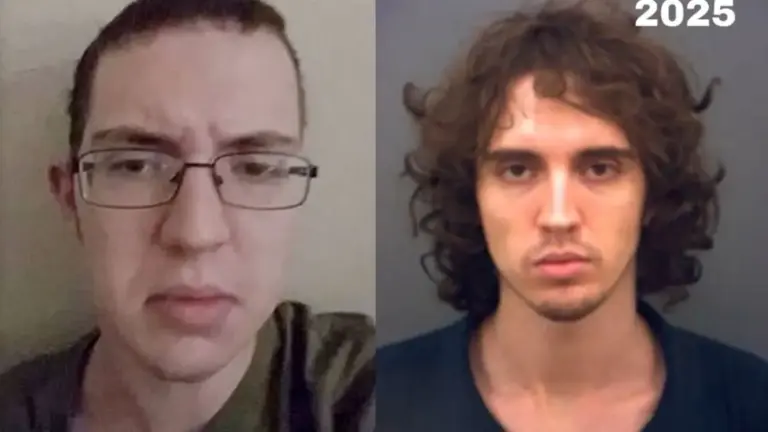
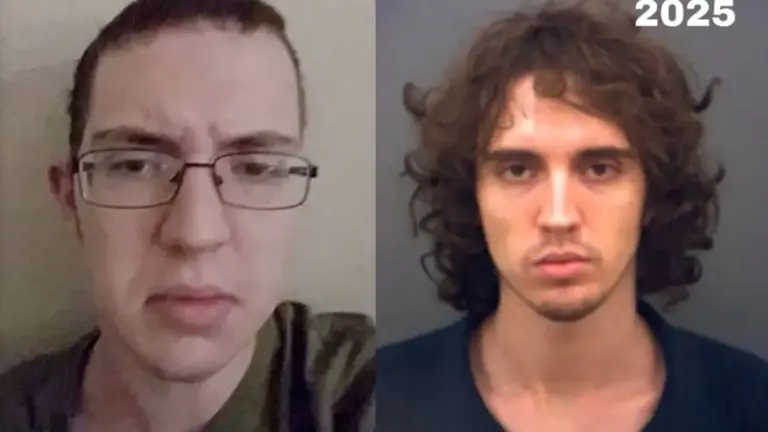
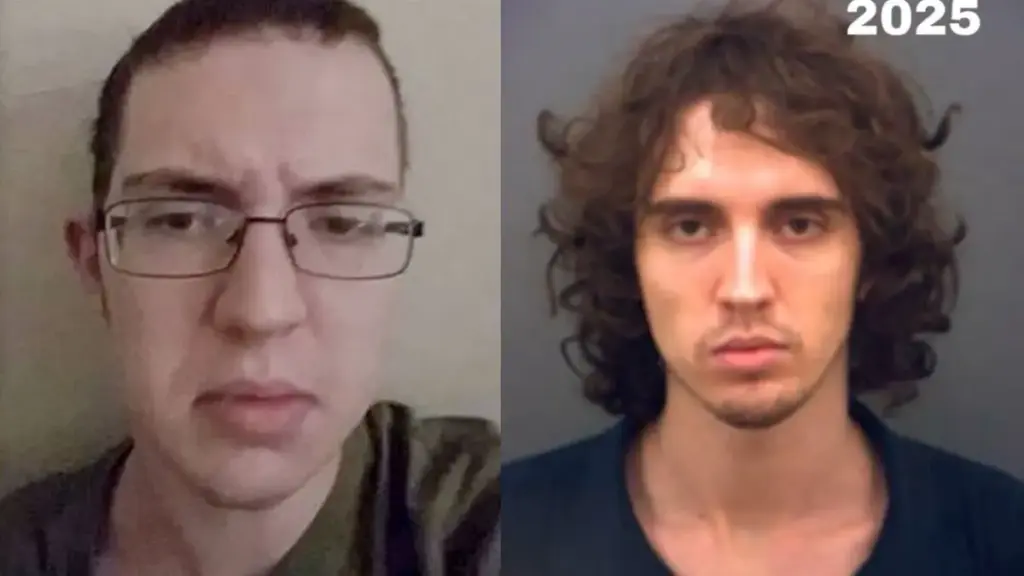
The appearance of what users claimed to be a federal mugshot or holding facility photograph—originating via a Freedom of Information Act (FOIA) request and subsequently shared across platforms like Reddit and X (formerly Twitter)—ignited a surreal wave of viral commentary. Stripped of his trademark glasses, sporting longer, curly hair, and carrying light facial scruff, Crusius looked remarkably different from the clean-cut, severe visage captured in his original 2019 booking photographs.
To internet commentators accustomed to reducing mass murderers and historical events to disposable satire, this altered appearance triggered a wave of absurdist jokes, ranging from claims that the creator of the internet’s favorite doom-prophet had undergone a "glow-up," to ironic comparisons labeling him an "indie rock singer."
This extensive report examines the anatomy of this viral event, detailing the timeline of how the image leaked, the socio-cultural mechanics behind the Chudjak meme, the disturbing trivialization of real-world violence within digital subcultures, and the broader implications of how internet culture consumes and sanitizes infamy.
Detailed Chronology of the Leak and Viral Explosion
The path from a bureaucratic Freedom of Information Act (FOIA) release to a viral mainstream internet spectacle followed a swift, highly volatile trajectory across multiple digital platforms over the course of several days in late April 2025.
Phase 1: The Reddit Leak (April 25, 2025)
The chain of events began on April 25, 2025, when a user on Reddit operating under the handle /u/uncanealguinzaglio uploaded an image to the /r/masskillers subreddit. The user claimed the photograph was a newly obtained federal mugshot of Patrick Crusius, purportedly acquired through a FOIA request.
The post immediately drew the attention of true-crime enthusiasts and meme historians alike. However, due to strict platform policies regarding the glorification or operational sharing of content related to mass shooters, moderators swiftly deleted the post for violating Reddit’s Terms of Service. Despite the rapid moderation, the digital footprint of the image had already been secured by onlookers.
As discussions ensued regarding the origin of the photo, the original poster clarified that the image actually dated back to approximately July 2023, coinciding with federal plea proceedings rather than 2025. Furthermore, the Redditor noted that the photograph was ostensibly taken and held by El Paso local authorities managing custody on behalf of federal entities rather than a direct federal booking agency, though it stemmed directly from his federal docket.
Phase 2: The X (Twitter) Explosion (April 27, 2025)
Two days after the initial Reddit leak, the image breached containment and entered mainstream X feeds. On Sunday, April 27, 2025, X user @TruueDiscipline posted the image alongside the provocative and deeply ironic caption: "This is what chudjak looks like now… feel old yet?"

The post juxtaposed the solemn, scruffier appearance of Crusius—devoid of his customary glasses and featuring unkempt curly hair—with the classic "Feel Old Yet?" nostalgic meme format used to mock aging pop-culture icons.
The response was immediate and overwhelming. Stripped of the standard orange jumpsuit or high-security gear typically associated with maximum-security inmates, the photo presented an unpolished aesthetic that internet users quickly weaponized for dark humor. Within 48 hours, the post accumulated over 1.2 million views and secured upwards of 17,000 likes, driving the term "Chudjak" into trending algorithmic discussions.
Phase 3: Satire, Shock, and Counter-Narratives (April 27–29, 2025)
As the image saturated the platform, users across various ideological and shitposting factions scrambled to formulate their own takes on Crusius’s altered appearance.
- The "Glow-Up" and Indie Rock Comparisons: A subset of users began leaning heavily into absurd aesthetic evaluations. X user
@hayasaka_aryanposted a side-by-side comparison of Crusius with the satirical caption, "From chud to indie rock singer," highlighting the strange transformation of a mass murderer into a visage resembling alternative-music subculture tropes. - Meta-Commentary and Derision: Other users, such as
@Halsted_19, posted self-aware commentary mocking the internet’s tendency to bizarrely fetishize or obsess over infamous criminals, utilizing reaction templates depicting obsessive fanbases. Meanwhile, classic reaction memes—including an edit of the legendary "Cereal Guy" spitting out his breakfast in sheer disbelief—circulated widely to capture the community’s collective shock at the unexpected aesthetic shift. - The Correction: Recognizing the rapid spread of misinformation regarding the image’s timeline,
@TruueDisciplineand other archival accounts followed up by publishing documentation from Crusius’s April 21, 2025, capital murder court hearings, where he appeared once again with a full beard and glasses, anchoring the viral discourse back to the harsh reality of his ongoing legal reckoning.
Supporting Context & Metrics: The Anatomy of the "Chudjak"
To understand why a prison photograph of a mass murderer elicited memes rather than uniform condemnation, one must trace the deep-seated internet lore of the "Chudjak" and the linguistic subculture that birthed it.
The Origins of Chudjak on 4chan’s /pol/ Board
The Chudjak meme traces its lineage back to late 2019, emerging organically from the primordial soup of 4chan’s politically incorrect board, /pol/. Heavily derived from the ubiquitous "Wojak" (or "Feels Guy") meme format that has dominated internet humor for over a decade, Chudjak was explicitly illustrated to capture a specific archetype of online cynicism and political extremism.
Physically, the Chudjak drawing is characterized by distinct, exaggerated features: thick-rimmed glasses, deep, downward-sloping nasolabial folds, a permanent downturned frown, and a generally exhausted, bitter expression. Unlike generic Wojaks used for relatable self-deprecation, Chudjak was intrinsically tied to the digital persona of the "Chud"—a pejorative term used on imageboards to describe reactionary, isolated, and culturally alienated young men.
"The West Has Fallen. Billions Must Die."
The visual caricature quickly became inseparable from a specific catchphrase and philosophy. Paired with cartoonishly apocalyptic declarations such as "The West has fallen. Billions must die," the meme evolved into a masterclass in hyper-ironic nihilism.
Initially deployed by radical fringe communities to satirize doomer culture, the phrase escaped its insular origins to become a mainstream shorthand across TikTok, X, and YouTube for any minor inconvenience or cultural shift. Whether a fast-food chain discontinued a popular menu item or a streaming service cancelled a television show, internet users would ironically post the Chudjak warning that "billions must die."
This process of endless iteration and abstraction effectively sanitized the meme’s dark origins. For millions of younger internet users who consume memes daily, "Chudjak" and "Billions Must Die" became completely decoupled from Patrick Crusius, the real-world white supremacist who drove to an El Paso Walmart on August 3, 2019, and murdered 23 people in an attempt to halt what he termed a "Hispanic invasion of Texas."
Official Background and Judicial Status
While online communities debate hair length and facial hair trends, the judicial reality of Patrick Crusius remains absolute and unyielding.

The 2019 El Paso Walmart Massacre
On August 3, 2019, Crusius carried out a racially motivated mass shooting at a Walmart store in El Paso, Texas, utilizing a semi-automatic rifle. Armed with manifestos detailing anti-immigrant and white supremacist rhetoric, he targeted Hispanic shoppers, ultimately killing 23 people and injuring 22 others. The attack stands as one of the deadliest targeted assaults against Latinos in modern American history.
Federal and State Sentencing
Crusius was apprehended by law enforcement shortly after the attack. His legal proceedings spanned several years, navigating complex federal hate crime charges, capital murder indictments, and constitutional considerations regarding the death penalty.
- Federal Accountability: In July 2023, Crusius formally pleaded guilty in a federal court to 90 federal hate crime charges and firearms violations. Following this plea, U.S. District Judge David Guaderrama sentenced Crusius to 90 consecutive life sentences in federal prison, removing any possibility of parole.
- State Accountability: In addition to his federal confinement, state prosecutors in Texas pursued capital murder charges. In April 2025, Crusius faced further legal milestones during court hearings related to the remaining state-level capital indictments, ensuring that his accountability remains absolute across dual jurisdictions.
The contrast between Crusius’s absolute removal from society and his vibrant, distorted existence as an immortalized digital cartoon highlights a profound disconnect in the modern information age.
Future Outlook: The Digital Immortalization of Infamy
The sudden virality of Crusius’s 2023 holding facility photograph illuminates a dark, recurring trend in contemporary digital culture: the detachment of historical atrocities from their human perpetrators, transforming real-world monsters into digital artifacts.
1. The Gamification of Tragedy
As generations raised on imageboard culture and algorithmic feeds continue to mature, historical and contemporary tragedies are increasingly processed through layers of irony, satire, and remix culture. When a mass murderer becomes indistinguishable from a cartoon character in the minds of chronically online youth, the barrier protecting collective empathy is severely eroded. The recent reactions to Crusius’s photo—treating his physical appearance with the detached critique usually reserved for celebrities or influencers—underscore the troubling gamification of infamy.
2. Platform Moderation and Algorithmic Realities
The rapid deletion of the original Reddit post by /u/uncanealguinzaglio followed by its explosive proliferation on X demonstrates the ongoing challenges regulatory and trust-and-safety teams face in the AI and FOIA era. As government transparency laws mandate the release of public records, mugshots and holding facility images of high-profile criminals will inevitably find their way into the public domain. Platforms must increasingly grapple with how to contain the spread of content that inadvertently humanizes, glorifies, or meme-ifies violent extremists.
3. Cultural Resilience Against Trivialization
Ultimately, the phenomenon surrounding the "Chudjak" photograph serves as a sobering reminder of the internet’s capacity to trivialize the gravest of real-world harms. While digital subcultures will undoubtedly continue to manufacture irony out of the darkest corners of human history, investigative journalism, legal transparency, and public memory remain vital tools in ensuring that the architects of real-world violence are never truly lost behind layers of fictional digital lore.
Patrick Crusius will spend the remainder of his natural life behind bars, isolated from the society he sought to terrorize. Yet, as long as the internet persists in its relentless cycle of meme generation, his digital shadow—the frowning, bespectacled line drawing of Chudjak—will continue to haunt the digital ether, a permanent testament to the bizarre intersection of mass violence and modern absurdist humor.