Executive Overview
For generations, vanilla occupied a reliable, if predictable, corner of the global fragrance market. Synonymous with comfort, nostalgia, and unapologetic sweetness, the iconic ingredient was long relegated to the role of a pastry-shop cliché—a heavy, suffocating blanket of sugar designed to evoke childhood treats and linear warmth. It was the olfactory equivalent of comfort food: universally appealing, undeniably cozy, but largely devoid of architectural complexity or high-fashion edge.
Today, however, the world’s most celebrated noses are executing a radical reimagining of this foundational note. Across premier luxury houses and avant-garde independent laboratories alike, vanilla is undergoing a dramatic metamorphosis. It is shedding its syrupy excess in favor of air, light, tension, and raw materiality.
Far from the flat, two-dimensional sweetness of the past, contemporary vanilla fragrances are characterized by structural integrity, unexpected juxtapositions, and sophisticated textures. By pairing the timeless note with crisp, architectural woods, clean mineral musks, earthy patchouli, and unexpected green facets, modern perfumers have transformed vanilla from a dessert topping into a study in skin, warmth, and high-art design. This comprehensive report explores the renaissance of modern vanilla, detailing the shifts in formulation, expert philosophies, and standout market offerings defining this new olfactory era.
Detailed Chronology: The Evolution of Vanilla in Fine Fragrance
To understand the magnitude of today’s vanilla revolution, one must trace its journey through the history of modern perfumery. The ingredient’s trajectory reveals a steady tension between mass-market comfort and avant-garde subversion.
The Pre-Modern Era: The Discovery and Solely Sweet Foundations
Long before it became a synthetic staple in commercial body sprays, Vanilla planifolia—an orchid native to Mesoamerica—was revered by the Totonac people and later adopted by the Aztecs, who used it to enrich the flavor of their sacred cacao beverages. Upon its introduction to Europe in the 16th century, vanilla was treated primarily as a culinary delicacy.
It wasn’t until the late 19th century, with the synthesis of vanillin (the primary chemical component of the vanilla bean’s flavor and aroma), that the note truly entered the perfumer’s palette. Early masterpieces utilized vanilla as a rich, balsamic anchor. However, as the 20th century progressed, commercial perfumery increasingly leaned into the gourmand direction, eventually culminating in the 1990s and 2000s with an explosion of hyper-sweet, confectionary scents that prioritized sheer impact and edible associations over subtlety.
The Turning Point: The Shift Toward Structural Minimalism
By the late 2010s, consumer fatigue set in. The market had become saturated with linear, sugary concoctions that offered little evolution on the skin. A new wave of niche perfumers began experimenting with the natural extracts of vanilla—such as CO2 extractions and artisanal tinctures—which revealed hidden dimensions of the bean that industrial vanillin obscured: smoky, leathery, rubbery, and woody nuances.
This marked the beginning of the "architectural" phase of vanilla. Noses stopped treating vanilla as the star of the show and started treating it as a versatile material subject to radical editing. By stripping away the heavy, suffocating elements, creators discovered that vanilla could be made to feel airy, luminous, and deeply intimate.
Supporting Context & Metrics: Decoding the Modern Vanilla Market
The renaissance of vanilla is not merely an artistic whim; it is supported by significant shifts in consumer behavior and market metrics within the global beauty and fragrance sectors.
Consumer Preferences: From Confection to Skin-Centric Intimacy
Market research indicates a profound shift away from synthetic, overpowering sweetness toward functional fragrances that evoke "skin-to-skin" contact, wellness, and raw materiality. According to industry trend reports, consumers increasingly view perfume as a form of personal armor or emotional self-care rather than a loud statement piece.
Vanilla, with its innate neurological ties to comfort and security, remains a top-performing category. However, the way consumers wish to experience vanilla has matured. The demand for sophisticated, complex, and wearable gourmands—often termed "grown-up gourmands"—has surged by double digits over the past three years. Buyers are seeking out fragrances that transition seamlessly from daytime professionalism to evening sensuality without inducing olfactory fatigue.
The Economics of Raw Materials
The cost and sourcing of natural vanilla have also forced perfumers to innovate. Because Vanilla planifolia is one of the most labor-intensive agricultural products in the world—requiring hand-pollination of delicate orchid flowers—natural extracts are exceptionally expensive and susceptible to climate volatility. This economic reality has encouraged fragrance houses to invest heavily in advanced extraction technologies (such as supercritical CO2 extraction) and upcycled ingredients. These methods extract maximum nuance from every pod, allowing perfumers to do more with less and resulting in cleaner, more multidimensional profiles.
Official Statements and Expert Perspectives
The philosophical shift driving modern vanilla is best articulated by the master perfumers and creative directors shaping the landscape.
"Finding a different cut, a different design for an iconic ingredient in perfumery—that is the challenge when you create a modern vanilla."
— Aurélien Guichard, Founder and Perfumer of Matiere Premiere
Guichard’s approach, exemplified by creations like Vanilla Powder, strips the note of its heavy associations, placing it in an airy, luminous light that feels clean and modern rather than dense and cloying.
At historic French house Guerlain, creative director of fragrance Delphine Jelk approaches the note through the lens of emotional resonance balanced with structural rigor.
"Vanilla is the ultimate universal emotion in fragrance. It feels like a big cuddle. But today, we are treating it with sophistication rather than sugar. What separates a modern vanilla from a classic interpretation is the texture and the tension."
— Delphine Jelk, Creative Director of Fragrance at Guerlain
Jelk emphasizes that the key to avoiding pastry-shop clichés lies in spatial design within the formulation.
"We strip away the heavy, suffocating side and give it air. We pair it with crisp woods, cleaner musks, or unexpected contrasts—like the rich, deep earthiness of patchouli—so that the vanilla has architecture and attitude."
Curated Analysis: The Standout Formulations Redefining the Category
To truly understand how these philosophies translate to the skin, one must examine the defining releases shaping the current fragrance landscape. Each of the following offerings approaches the vanilla canvas from a radically different vantage point.
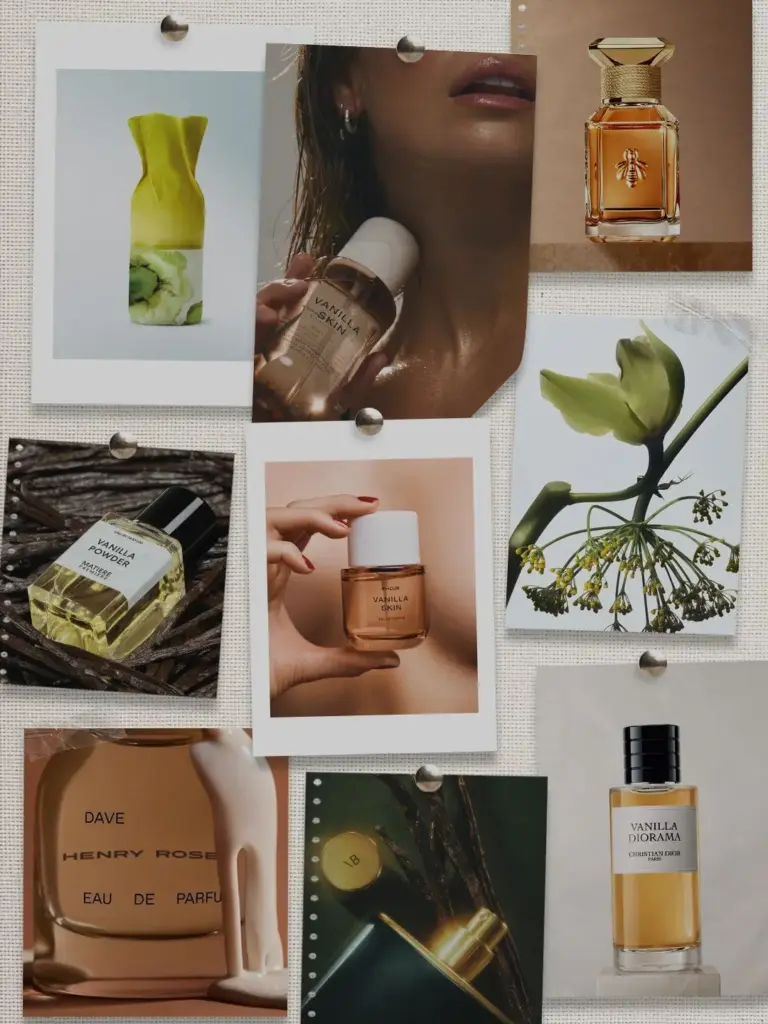
1. The Luminous Approach: Matiere Premiere Vanilla Powder Eau de Parfum
- The Vibe: Airy, radiant, and contemporary.
- The Profile: Aurélien Guichard utilizes an overdose of fair-trade Madagascar vanilla absolute, lifting its natural weight by weaving it with powdery white musks and clean palo santo wood. The result is a scent that diffuses effortlessly into the air, offering warmth without heaviness.
2. The Architectural Luxury: Guerlain L’Art & La Matière Vanille Planifolia Extrait 21
- The Vibe: Deep, historic, and uncompromisingly sophisticated.
- The Profile: Delphine Jelk showcases Guerlain’s legendary teinture method, steeping organic vanilla planifolia pods directly in alcohol. Enhanced with an infusion of rum, bitter almond, and dark spices, this extrait treats vanilla as a precious raw material of extraordinary depth and texture.
3. The Grown-Up Gourmand: Dior Vanilla Diorama
- The Vibe: Decadent yet refined; inspired by the historic dessert created for Christian Dior.
- The Profile: Built around a rich amber-vanilla core, this fragrance balances the sweetness of cacao and rum notes with a sharp, invigorating burst of citrus and pink peppercorn. It captures the essence of a high-end patisserie while maintaining an unmistakable couture elegance.
4. The Fruity and Playful: Carolina Herrera La Bomba Eau de Parfum
- The Vibe: Vibrant, dynamic, and high-energy.
- The Profile: Merging luscious tropical fruit notes with a warm, enveloping vanilla base, La Bomba introduces a lively contrast that prevents the composition from becoming cloying. It is an exercise in joyful, modern contrast.
5. The Date-Night Intimate: Victoria Beckham 21:50 Rêverie Eau de Parfum
- The Vibe: Mysterious, smoky, and deeply sensual.
- The Profile: Inspired by a specific moment in time and place, this formulation pairs rich vanilla bean with cedarwood, tobacco leaves, and plum. It leans into the darker, leathery facets of vanilla, making it an ideal companion for evening wear.
6. The Solar Warmth: LBTY. Tana Meadow Eau de Parfum
- The Vibe: Luminous, floral, and sun-drenched.
- The Profile: Hailing from the historic London department store’s fragrance house, Tana Meadow blends floral accords with a creamy, solar vanilla base that evokes the feeling of warm sunlight captured on skin.
7. The Woody Minimalist: Liis Bo Eau de Parfum
- The Vibe: Clean, intimate, and textural.
- The Profile: Bo relies on the interplay of rich redwood, warm vanilla, and clean tobacco flower. It is a skin scent in the truest sense—unassuming yet persistent, offering a quiet, comforting presence.
8. The Clean Comfort: Henry Rose Dave Eau de Parfum
- The Vibe: Transparent, smooth, and conscious.
- The Profile: True to the brand’s ethos of radical ingredient transparency, Dave pairs creamy vanilla with fresh ocean air accords and white woods, creating a clean, highly wearable interpretation that feels effortless for everyday use.
9. The Green Subversion: Dries Van Noten Vanille Camouflage Refillable Eau de Parfum
- The Vibe: Unconventional, earthy, and botanical.
- The Profile: A masterclass in tension, this fragrance juxtaposes the rich warmth of vanilla with unexpected green, herbal, and earthy facets. It challenges preconceived notions of what a vanilla perfume should smell like, offering a truly avant-garde experience.
10. The Spicy Layering Icon: Phlur Vanilla Skin Eau de Parfum
- The Vibe: Cozy, spiced, and approachable.
- The Profile: Blending pink pepper, cashmere wood, and sheer vanilla, Phlur’s formulation leans into the cozy, second-skin trend while adding a vibrant, spicy bite that keeps the senses engaged.
Future Outlook: Where Goes Vanilla?
As the fragrance industry continues to evolve, the trajectory of vanilla points toward even greater hybridization and technical innovation.
- Biotech and Sustainability: With climate change threatening traditional agricultural regions, the development of bio-fermented and green-chemistry vanillins—as well as upcycled fragrance fractions—will play an increasingly vital role. These innovations will allow perfumers to capture rare facets of the vanilla bean without increasing the strain on fragile ecosystems.
- Cross-Category Fusion: Expect to see vanilla increasingly integrated into unexpected fragrance families, such as marine, mineral, and ultra-green fougères. The era of the standalone, one-note vanilla is officially giving way to hybrid compositions where vanilla acts as a textural binder rather than the primary focal point.
- Personalization and Skin Chemistry: As consumer interest in skin-enhancing, pheromonal, and highly individualized scents grows, modern vanilla formulations will increasingly utilize advanced musks and ambroxan derivatives. These ingredients melt into individual skin chemistries, ensuring that no two wearers experience the exact same scent profile.
Ultimately, the renaissance of vanilla proves that even the most traditional ingredients can be reborn through imaginative architecture and artistic courage. By stripping away the sugar and introducing air, tension, and structure, contemporary perfumers have ensured that vanilla will remain a cornerstone of modern olfactory art for decades to come.