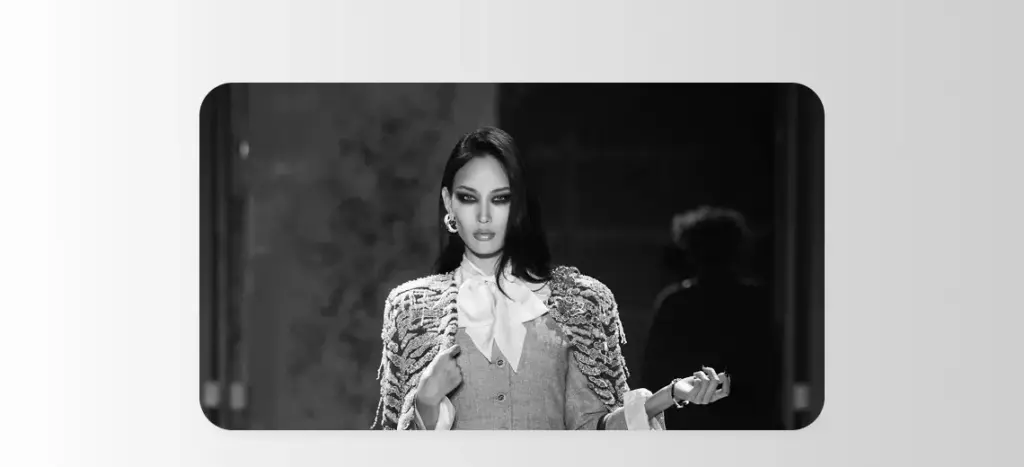
Executive Overview
As the dust settles over the historic cobblestones of Italy’s fashion capital, the overarching verdict from Milan Fashion Week is definitive: the reign of quiet luxury has officially been dethroned. For several consecutive seasons, the global luxury apparel market was dominated by muted palettes, ultra-discreet branding, and an obsessive fixation on elevated basics—a sartorial safety net born of macroeconomic uncertainty and post-pandemic recalibration. However, the Autumn/Winter runways in Milan signaled a seismic cultural and aesthetic pivot. Maximalism has returned with a vengeance, trading understated elegance for an unapologetic celebration of chaos, texture, joy, and sensory overload.
This paradigm shift was the focal point of a recent emergency debrief on the Glossy Fashion Podcast, where Editor-in-Chief Jill Manoff, Senior Fashion Reporter Danny Parisi, and International Reporter Zofia Zwieglinska unpacked the most compelling takeaways from the week. Far from being a mere seasonal whim, the return to maximalism—characterized by the "maximalist pile-on," fiercely experimental footwear, the near-total eclipse of the luxury sneaker, and a radical democratization of the runway experience—points to a deeper psychological shift in how consumers want to dress, shop, and interact with heritage luxury houses.
In this comprehensive report, we examine the mechanics of Milan’s extravagant resurrection, analyze the strategic pivot toward consumer-integrated storytelling, and evaluate what the death of quiet luxury means for the trajectory of the global fashion economy over the next fiscal cycle.
Detailed Chronology: The Unraveling of Quiet Luxury
To understand the suddenness and ferocity of Milan’s maximalist revival, one must trace the trajectory of the city’s recent fashion cycles. Over the past four years, the global luxury market bent the knee to minimalism. Driven by economic headwinds and a consumer base fatigued by logomania, brands pivoted heavily toward cashmere wraps, neutral tones, tailored beige trench coats, and invisible branding. It was an aesthetic tailor-made for Zoom calls, economic anxiety, and an era that valued longevity and investment dressing above all else.
Yet, by the time editors, buyers, and influencers descended upon Milan for the latest ready-to-wear showcases, an unmistakable fatigue had set in. The quiet luxury playbook, while commercially reliable, had run its creative course. It left behind a void of emotional resonance—a space where clothing functioned as armor against the world rather than an expression of internal joy.
The turnaround began on opening day, as traditional bastions of minimalist discipline and avant-garde structure broke their own rules. Day by day, show by show, the week unspooled into a kaleidoscope of clashing prints, tactile experiments, and immersive set designs. The chronological progression of the week felt less like a linear presentation of seasonal trends and more like a collective cultural release valve. By the weekend, the message was broadcast in high-definition color: the era of hiding in plain sight is over. Consumers are ready to be seen again, and Milan’s creative directors have eagerly handed them the megaphone.
Supporting Context & Metrics: The Anatomy of Maximalism
The "Maximalist Pile-on" and the Death of Perfection
The cornerstone of Milan’s new aesthetic is what industry insiders are calling the "maximalist pile-on." Moving diametrically away from the edited, curated look of minimalist styling, houses like Jil Sander and Dolce & Gabbana championed an ethos of "more is more."
Runway looks frequently combined three, four, or even five competing prints and patterns within a single outfit. Plaid wrestled with animal print; florals clashed aggressively with geometric jacquards. Crucially, these outfits rejected the pristine, ironed perfection of previous decades. Clothes were rumpled, layered haphazardly, and styled with an intentional imperfection that felt deeply human.
"It gave the collections a welcome jolt," observed Jill Manoff during the podcast debrief. "It was really about how it was all pieced together. More clothes on the body gives you the opportunity to show off more pieces. And it just felt very joyful."
This strategy serves a dual commercial and artistic purpose. From a styling perspective, layering diverse garments allows brands to merchandise multiple categories of ready-to-wear simultaneously—outerwear, mid-layers, accessories, and underpinnings all vie for visual dominance. Psychologically, it taps into a post-pandemic hunger for dopamine dressing. When the world feels unpredictable, consumers turn to fashion not as a camouflage, but as an active, joyful celebration of identity.
The Footwear Renaissance (and the Demise of the Sneaker)
Footwear across Milan Fashion Week mirrored the maximalist impulse, serving as a primary site of material and structural experimentation. While previous seasons relied on minimalist leather loafers or sleek sock-boots to anchor outfits, Milan’s autumn runways showcased daring silhouettes designed to command attention from the ground up.
Brands such as Dolce & Gabbana and Bottega Veneta presented footwear that refused to fade into the background. Attendees witnessed an array of boundary-pushing designs:
- Jewel-encrusted high boots that caught the flashbulbs of every street-style photographer.
- Fishnet and mesh sandals that challenged traditional seasonal boundaries by pairing open-weave structures with heavy winter outerwear.
- Architectural heel constructions, including dramatic conceptual sandals featuring multi-layered stacks of flip-flop soles.
Perhaps the most startling narrative in the footwear category, however, was the conspicuous absence of the luxury sneaker. For the better part of the last decade, sneakers were the undisputed cash cow and creative playground of high-end fashion. They allowed heritage houses to capture the lucrative streetwear market, court younger demographics, and inject casual irreverence into stiff tailoring.
In Milan, that disruption engine sputtered out. With rare exceptions—such as Japanese sneaker innovator Onitsuka Tiger, whose most talked-about footwear pieces on the runway were actually structural kitten heels and stilettos—sneakers were largely sidelined. The industry’s creative energy has definitively pivoted away from casual comfort and toward elevated, crafted, and often theatrical footwear.
Blurring the Line: Making Customers Part of the Show
Beyond the garments and accessories, Milan Fashion Week also witnessed a revolution in runway presentation, engineered to bridge the widening gap between elite high fashion and the everyday consumer experience.
International reporter Zofia Zwieglinska highlighted how several major houses fundamentally altered the traditional staging model to incorporate naturalistic, consumer-centric settings. These experiments were designed to test the limits of how luxury is perceived, contextualized, and ultimately sold in an omnichannel retail environment.
- Gucci’s Retail Theater: Gucci constructed an elaborate faux-store installation directly into the fabric of its runway layout. Models emerged not from traditional backstage wings, but as if stepping off the sales floor of a brick-and-mortar boutique straight into the bustling street.
- Moschino’s Counter-Movement: In a clever subversion of runway conventions, Moschino populated its show with extras dressed in mundane, everyday clothing walking in the exact opposite direction of the models wearing the high-fashion collection.
These immersive tactics address a central anxiety plaguing contemporary luxury brands: the challenge of making rarefied, five-figure garments feel accessible, sellable, and relevant to modern buyers. By placing high fashion in direct dialogue with everyday retail spaces and average pedestrians, houses are attempting to demystify their own creations.
Official Statements & Industry Insights
The insights emerging from the Glossy Fashion Podcast capture the pulse of an industry in transition. The dialogue among Manoff, Parisi, and Zwieglinska illuminates the strategic calculations behind the runway spectacles:
- On the psychological shift toward joy: Jill Manoff emphasized that the embrace of chaos and texture represents a conscious rejection of minimalist sterility. The "more is more" philosophy is fundamentally an emotional proposition designed to re-engage consumers who had grown bored with beige.
- On the evolution of accessories: Danny Parisi noted that the death of the sneaker forces brands to reinvent their footwear portfolios. Without the crutch of casual streetwear staples, designers are being pushed to innovate across traditional shoe categories, resulting in unprecedented sculptural complexity.
- On the accessibility paradox: Zofia Zwieglinska pointed out that embedding everyday retail elements into runway shows reflects a mature industry grappling with its own ivory-tower syndrome. Brands recognize that to sell effectively today, they must show how garments function in the chaotic real world, not just under pristine runway lights.
Future Outlook: What Milan’s Pivot Means for the Global Market
As the fashion calendar moves toward upcoming seasons in Paris, New York, and London, the ripples of Milan Fashion Week will undoubtedly be felt across the entire global retail ecosystem.
- A Shift in Buying Strategies: Department stores and multi-brand luxury e-tailers will likely adjust their open-to-buy budgets. Expect to see a reduction in orders for plain, understated essentials and a surge in demand for statement outerwear, complex multi-print layering pieces, and high-impact footwear.
- The Evolution of Footwear Brands: With luxury sneakers experiencing a cooling-off period, athletic and heritage sneaker brands will need to pivot their high-fashion collaborations toward hybrid designs, dress-casual crossovers, or fully realized formal footwear lines to stay relevant on the runway.
- Experiential Retail Integration: The success of Gucci and Moschino’s contextual runway experiments will accelerate the integration of experiential retail. Expect physical flagship stores to increasingly mimic the theatrical, immersive storytelling seen in Milan, blurring the line between marketing spectacle and point-of-sale reality.
Ultimately, Milan Fashion Week has drawn a firm line under the era of quiet luxury. While minimalism will always retain a foundational place in the modern wardrobe, the industry has emphatically demonstrated that it is ready to embrace color, complexity, imperfection, and joy. For brands and consumers alike, the mandate for the coming year is clear: step out of the shadows, pile on the textures, and let fashion be a spectacle once again.