Executive Overview
The human lip is a marvel of biological engineering—and a persistent maintenance challenge. Unlike the skin on the rest of the face or body, the vermilion border of the lips lacks sweat glands and sebaceous (oil) glands. Deprived of this natural lipid-based barrier, lips are uniquely vulnerable to rapid transepidermal water loss, leaving them susceptible to environmental aggression, structural chapping, and deep dehydration.
To combat this, the modern beauty and dermatological landscapes have evolved far beyond basic, petroleum-based chapsticks. Consumers are increasingly turning to advanced formulations like overnight lip masks, targeted treatments, and multi-step lip-care regimens. However, navigating the differences between everyday lip balms and intensive overnight masks requires more than just picking a pleasant scent off a shelf.
This comprehensive report explores the physiological causes of dry lips, breaks down the distinct mechanical differences between lip balms and lip masks, highlights the critical active ingredients required for true barrier repair, and details the rigorous, expert-backed testing methodologies used by industry authorities to determine which products truly deliver on their promises.
Detailed Chronology: The Evolution of Lip Care and Barrier Science
Understanding how modern lip treatments function requires a look back at how humans have protected their lips, and how dermatological science has transformed that protection over time.
The Era of Simple Occlusion (Early to Mid-20th Century)
For decades, lip care was synonymous with heavy, occlusive waxes and simple ointments. The primary objective of early formulations was singular: create a physical seal over the lips to block out cold air and wind. While effective at temporarily stopping moisture from escaping, these early sticks often sat on top of the skin without infusing true hydration or addressing underlying cellular damage.
The Rise of Cosmetic Actives (Late 20th Century)
As skincare science expanded, the philosophy shifted from mere protection to active treatment. Ingredients traditionally reserved for facial serums—such as hyaluronic acid, ceramides, and peptides—began making their way into lip formulations. Consumers began to realize that lips age, thin, and lose collagen much like the rest of the face, paving the way for anti-aging lip treatments and specialized daytime formulas.
The Overnight Revolution and Advanced Masking (Present Day)
In recent years, the K-beauty influence and advanced dermatological research popularized the "lip mask." Drawing inspiration from overnight facial sleeping packs, these high-viscosity treatments utilize heavier occlusives combined with sophisticated emollients to repair the lip barrier during the body’s natural overnight restorative cycle. Today, the modern lip-care routine mirrors a multi-step facial routine, incorporating gentle physical or chemical exfoliants, targeted serums, and specialized day-to-night barrier creams.
Supporting Context & Metrics: Why Lips Dry Out and How Treatments Work
To properly treat compromised lips, one must understand the exact mechanisms of dehydration and how different product categories combat them.
What Causes Dry or Chapped Lips?
The skin on your lips is structurally distinct from the facial epidermis, possessing a much thinner stratum corneum (the outermost layer of skin). Because lips don’t have oil glands, they cannot naturally lubricate themselves.
According to Dr. Anna Karp, a board-certified dermatologist based in New York City, a wide array of environmental and behavioral triggers can strip what little moisture the lips manage to hold onto:
- Environmental Stressors: Cold winter weather, high-velocity wind, and intense ultraviolet (UV) sun exposure rapidly degrade the delicate tissue.
- Behavioral Habits: Chronic lip licking introduces digestive enzymes from saliva that break down the skin barrier, while lip biting and skin picking cause micro-traumas.
- Systemic Factors: Dehydration, nutritional deficiencies, and certain systemic medications—most notably isotretinoin (commonly prescribed for severe acne)—drastically reduce moisture production across the body.
- Contact Irritants: Chemical allergens, artificial fragrances, and harsh surfactants found in certain toothpastes or scented lip products can trigger contact cheilitis, resulting in persistent peeling and dryness.
Lip Balms vs. Lip Masks: Understanding the Functional Divide
While both product categories aim to restore moisture, their formulations and intended use cases differ significantly:
- Lip Balms: Designed primarily for all-day wear and on-the-go maintenance. Balms generally feature a lighter consistency that can be layered seamlessly under lipstick or reapplied throughout the day. Dr. Hallie McDonald, a board-certified dermatologist and co-founder of ERLY, notes: "Think of balms as your daytime moisturizer and lip masks as your nighttime recovery cream." However, she adds that if an everyday balm boasts a rich, dense consistency, it can double as an effective overnight treatment.
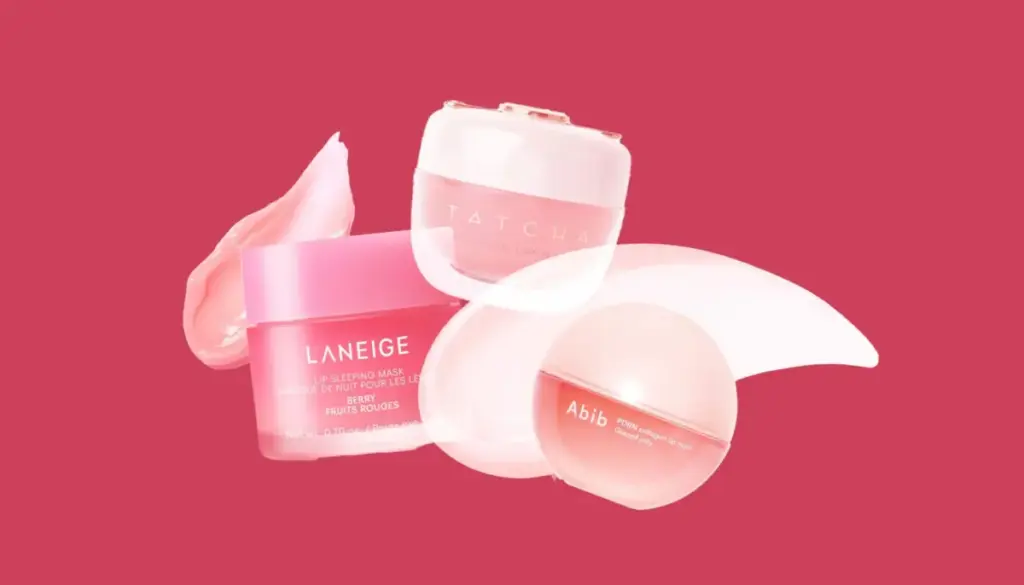
- Lip Masks: Engineered for intensive, prolonged wear—typically overnight. These formulas utilize heavier occlusive agents (such as high concentrations of petrolatum, squalane, or thick butters) to lock in moisture for hours while the body rests. Because they are richer and more concentrated, they deliver accelerated smoothing and plumping results compared to standard daytime balms.
The Role of Exfoliation in Lip Health
While hydration is paramount, dead skin cells can accumulate on the surface of chapped lips, creating a physical barrier that prevents moisturizing ingredients from penetrating deeply.
- When to Exfoliate: Using a gentle lip scrub can help slough away stubborn flakes, keeping the lips smooth and maintaining the integrity of the moisture barrier.
- When to Abstain: Dermatologists issue a firm warning: if your lips are visibly cracked, bleeding, or acutely inflamed, prioritize hydration and barrier repair over exfoliation. Scrubbing compromised skin can worsen micro-tears and prolong the healing process.
Key Ingredients to Look For
Just as you would dissect the label of an advanced face cream, a high-performing lip treatment relies on specific classes of active ingredients:
- Emollients and Barrier Repair Agents: Ceramides and essential fatty acids do the heavy lifting by filling in the intercellular spaces between skin cells, restoring a smooth, supple texture.
- Humectants: Ingredients like hyaluronic acid and glycerin draw moisture from the deeper layers of the skin (and the environment) to the surface.
- Advanced Actives: Peptide complexes and collagen-boosters help minimize the appearance of fine lines around the mouth (perioral wrinkles), while gentle exfoliating acids (like lactic or polyhydroxy acids) smooth out flakey texture without abrasive friction.
Official Statements and Expert Methodology: How Top Products Are Vetted
In an oversaturated beauty market filled with exaggerated marketing claims, understanding how products are evaluated provides vital consumer protection. Leading beauty publications and independent review boards rely on rigorous, multi-point testing protocols before stamping a product with their approval.
The Editorial and Scientific Testing Framework
When a publication like Allure evaluates a beauty product, the assessment is multidimensional. The vetting process typically incorporates the following pillars:
- Ingredient and Efficacy Analysis: Editors and cosmetic chemists scrutinize the formulation deck, evaluating whether the active ingredients are present in clinically meaningful concentrations rather than merely acting as marketing "fairy dust." When necessary, teams cross-reference product claims against peer-reviewed dermatological and medical literature.
- Expert Consultation: To ensure safety and efficacy, reviews are shaped in collaboration with leading authorities across dermatology, cosmetic chemistry, and general medicine. These experts vet formulations to ensure they do not harbor hidden contact allergens or common irritants.
- Performance Categories: Products submitted for consideration are tested across five primary metrics:
- Product Ingredients & Efficacy (Does it perform as advertised?)
- Packaging (Is it hygienic, travel-friendly, and protective of active ingredients?)
- Fragrance (Is the scent tolerable, non-irritating, and free of unnecessary sensitizers?)
- Texture (Does it apply smoothly without feeling overly sticky or greasy?)
- Product Wear (How long does the hydration last before requiring reapplication?)
The Importance of Diverse Testing Panels
A skincare product cannot be universally recommended unless it has been tested across a broad spectrum of human biology. Expert review boards emphasize that skin color, age, gender, and hair/skin texture drastically influence how a product behaves.
For instance, a lip treatment optimized for dry, mature skin may perform differently on a younger individual experiencing seasonal windburn. By assembling diverse teams of in-house writers, external contributors, and specialized product testers spanning various ages, skin tones, and backgrounds, review boards ensure that their recommendations are genuinely inclusive and effective for every consumer—whether managing chronic eczema, dealing with acne medication side effects, or simply searching for a reliable daily hydrator.
Future Outlook: The Next Generation of Lip Treatments
As dermatological science and cosmetic chemistry continue to converge, the future of lip care points toward hyper-personalized, clinical-grade formulations.
What’s on the Horizon?
- Biomimetic Lipids: Future formulations will increasingly utilize bio-engineered lipids that precisely replicate the human skin barrier, offering faster cellular repair and superior moisture retention.
- Microbiome-Friendly Formulations: Just as facial skincare has embraced microbiome health, upcoming lip treatments will feature prebiotics and postbiotics to support the delicate microflora of the perioral region, reducing irritation caused by environmental pathogens and mask-wearing (often referred to as "maskne" around the mouth).
- Sustained-Release Delivery Systems: Encapsulated active ingredients will allow lip masks to release hydrators and peptides slowly over a 12-to-24-hour window, ensuring continuous therapeutic benefits from a single application.
By combining an understanding of the physiological vulnerabilities of the lips with targeted daytime protection, intensive nighttime recovery masks, and expert-vetted product selections, consumers can successfully maintain a healthy, resilient, and deeply hydrated smile year-round.