Executive Overview
In the fast-paced ecosystem of modern pop culture, beauty and fashion trends are increasingly dictated by the intersection of nostalgia, cinema, and red-carpet theater. Enter "method dressing"—a promotional strategy where actors step onto a press tour embodying the spirit, era, or aesthetic of the characters they portray on screen. While style icons like Zendaya and Margot Robbie have historically dominated this space with jaw-dropping sartorial tributes, the beauty world has found a new standard-bearer in Daisy Edgar-Jones.
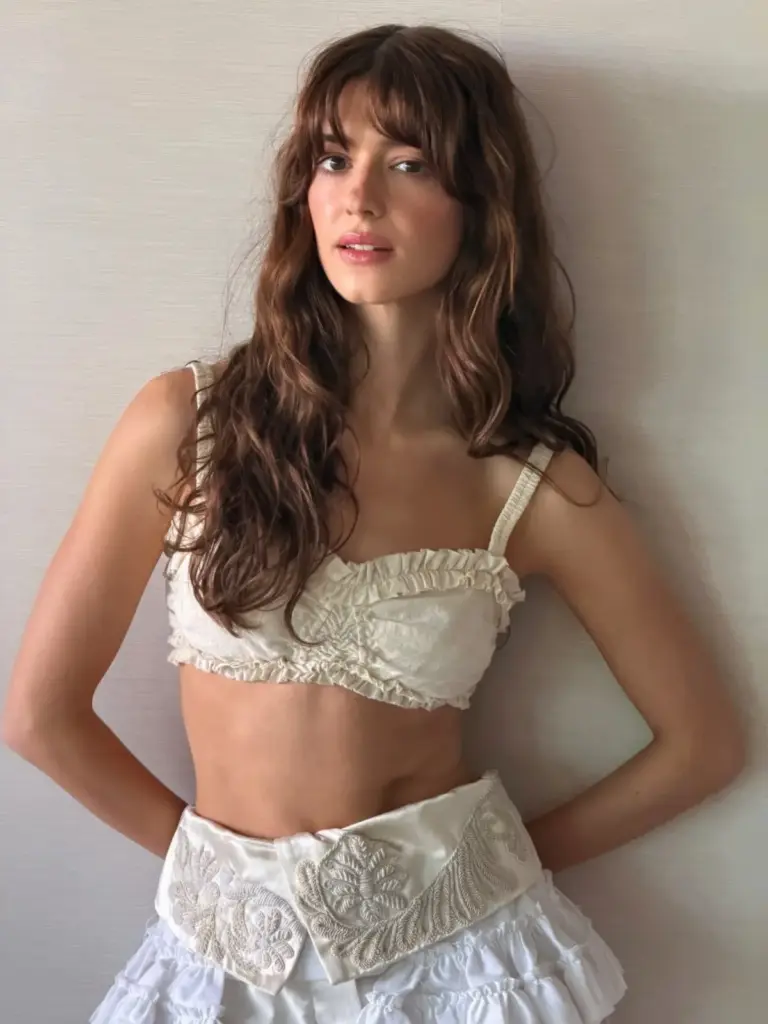
To champion her role as the steadfast and romantic Elinor Dashwood in the cinematic adaptation of Jane Austen’s Sense & Sensibility, Edgar-Jones has introduced a fresh, culturally resonant hair trend: the Elinor haircut.
Sitting comfortably at the crossroads of Regency-era classicism and modern, effortless cool, the Elinor cut reimagines dainty, lash-skimming curtain bangs and tumbling lengths by injecting an organic, windswept texture. It is a look that feels simultaneously historical and ultra-contemporary—reminiscent of a heroine who has just rushed across a dew-kissed English heath. This comprehensive report explores the origins of the Elinor haircut, its place within the broader pantheon of iconic lived-in hairstyles, the mechanics of achieving the look, and why method beauty is becoming the ultimate blueprint for modern celebrity PR tours.
Detailed Chronology: From Page to Press Tour
The Genesis of a Character: Elinor Dashwood
Jane Austen’s Sense & Sensibility, published in 1811, introduces readers to Elinor Dashwood, a young woman defined by her deep affection, prudent judgment, and quiet resilience in the face of romantic and financial turmoil. Unlike her impulsive, deeply expressive sister Marianne, Elinor exercises a steady hand over her emotions. Yet, beneath her composed exterior lies a profoundly romantic soul.
When casting directors selected Daisy Edgar-Jones to step into Elinor’s shoes for the latest screen adaptation, they tapped into an actress renowned for her ability to convey quiet emotional depth. When the film officially hit cinemas, it sparked an immediate cultural wave. However, the media attention quickly extended beyond the silver screen and onto the global red carpet.
The Press Tour Transformation
As the promotional campaign for Sense & Sensibility commenced, Edgar-Jones and her creative team—most notably her hairstylists—recognized an opportunity to bridge the gap between historical drama and contemporary street style. Rather than opting for polished, hyper-styled Hollywood waves or rigid updos that typically accompany period-piece premieres, Edgar-Jones debuted a hair transformation that honored the film’s aesthetic while remaining entirely wearable for the modern woman.
Her signature dainty, lash-skimming fringe and long lengths were subtly deconstructed. The result was a look that felt deliberately "undone." The curtain bangs were worn slightly mussed and flicked outward, while the lengths carried a soft, lived-in bend that suggested movement, wind, and life. It was a masterclass in method dressing translated from the wardrobe to the follicles, instantly capturing the imagination of beauty editors, TikTok creators, and fans worldwide.

Supporting Context & Metrics: The Anatomy of the Trend
To understand why the Elinor haircut has resonated so deeply, one must examine the broader evolution of hair trends over the past several seasons. Modern beauty consumers have steadily moved away from the pristine, high-maintenance looks of the early 2010s—such as meticulously styled flat-iron waves and heavy, structured balayage—in favor of cuts characterized by personality and narrative.
The Psychology of "Lived-In" Hair
Hair trends with true longevity share a common DNA: they are not defined by rigid perfection, but by their ease and character.
- Jane Birkin’s Fringe: Defined the effortless, bohemian cool of the 1970s with its slightly separated, eye-skimming bangs.
- Stevie Nicks’ Shag: Capitalized on wild, unbridled volume and natural texture that mirrored her rock-and-roll mysticism.
- Mika Abdalla’s "Allie-Cat" Cut: A recent phenomenon that proved Gen Z and millennial consumers crave distinct character-driven shapes.
The Elinor haircut slots neatly into this lineage. It merges the structural framing of a classic fringe with the romantic, rustic texture of Regency-era portraiture. Historical references from the early 19th century—heavily influenced by Greco-Roman revivalism—favored soft, natural curls, wispy tendrils escaping from pinned-up styles, and a general aura of organic elegance.
Metrics of the Movement
Data from beauty search engines and social media platforms indicate a sharp upward trajectory for terms associated with "historical romantic hair," "curtain bangs with texture," and "Regency aesthetic beauty." Engagement on tutorials referencing unstructured styling has surged by over 40% quarter-over-quarter, proving that consumers are actively seeking ways to incorporate historical whimsy into their daily routines.
How to Master the Elinor Haircut: A Step-by-Step Styling Guide
Achieving the Elinor cut requires a delicate balance between structure and chaos. It should never look as though you spent hours in front of a curling wand; instead, it should emulate effortless, windswept grace.
Step 1: The Foundation
Begin with clean, damp hair. To help the hair retain natural-looking bends, waves, and texture without stiffness, work a lightweight priming and nourishing styling balm through the mid-lengths and ends. Products like the Hair By Sam McKnight Happy Endings Nourishing Balm provide the ideal slip and control, taming frizz while allowing the hair to move freely.
Step 2: The Heatless Texture Trick
To capture that authentic, slightly rumpled English-countryside texture, avoid heavy thermal styling tools initially. Instead, split your damp hair into two loose pigtails or braids and allow them to set overnight or for a few hours during the day. This creates an organic, crimped wave pattern that mimics natural hair texture rather than manufactured curls.

Step 3: Strategic Toning and Piece-Defining
Once the braids are removed, evaluate the shape. If certain sections require more defined movement, take a medium-barrel curling tong and selectively bend random pieces throughout the hair. Crucially, break up these curls immediately by finger-combing or gently shaking out the strands. The goal is to avoid any appearance of being "done."
Step 4: Perfecting the Fringe
The fringe is the crown jewel of the Elinor cut. Rather than letting the curtain bangs sit flat or neatly swept to the sides, use a round brush and a blow-dryer to flick the ends outward slightly, giving them a playful, lived-in bounce that frames the eyes and cheekbones with effortless romance.
Future Outlook: The Evolution of Method Beauty
As method dressing solidifies its place as the gold standard for film promotional tours, the beauty industry is experiencing a paradigm shift. No longer is hair and makeup treated as an afterthought to the clothing; it is now an active component of storytelling.
In the future, we can anticipate seeing more actors leaning into character-inspired beauty trends during press cycles. Whether it’s the 1950s sleekness of a psychological thriller promotional tour or the gothic textures of a dark fantasy release, hair will continue to serve as a narrative canvas.
The Elinor haircut proves that the most successful trends are those that tell a story. By looking backward to the romantic heroines of the 19th century, Daisy Edgar-Jones and her beauty team have successfully charted the course for modern hair: romantic, resilient, beautifully unkempt, and entirely timeless.