Executive Overview
For decades, the gospel of modern skincare has been clear: exfoliate to radiate. From gritty physical scrubs to potent chemical peels infused with high concentrations of alpha-hydroxy acids (AHAs) and beta-hydroxy acids (BHAs), smooth, glowing skin was ostensibly just a scrub away. Yet, for millions of consumers living with reactive, easily irritated complexions, this pursuit of radiance has historically been a minefield of burning, stinging, redness, and compromised skin barriers.
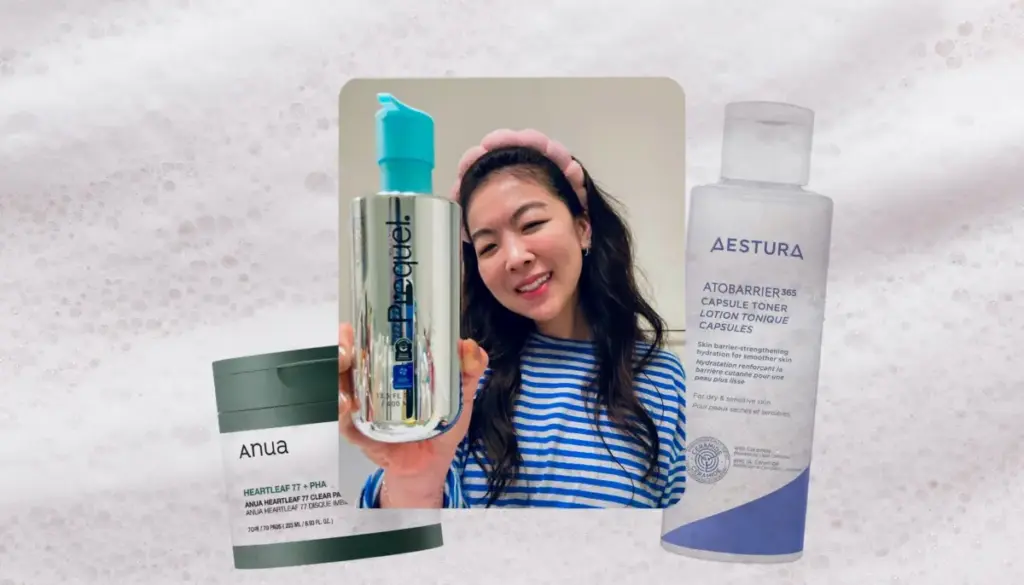
Enter a paradigm shift in dermatological care and cosmetic formulation. The modern skincare landscape is experiencing a profound pivot away from aggressive, stripping treatments toward barrier-first philosophies. Leading this charge are multi-functional, ultra-gentle products designed to bridge the gap between effective skin renewal and deep soothing protection. Among these stands the Anua Heartleaf 77 Clear Pads, a formulation combining polyhydroxy acid (PHA) gentle exfoliation with botanical powerhouses like heartleaf and madecassoside.
This investigative report delves deep into the mechanics of sensitive skin, dissects the ongoing debate between physical and chemical exfoliation, examines expert-backed strategies for safe skin renewal, and evaluates how innovative products are redefining what it means to care for reactive complexions. Backed by insights from top dermatologists and cosmetic formulation experts, we explore the science of skin barriers, the pitfalls of over-exfoliation, and the future of gentle skincare.
Detailed Chronology: The Evolution of Skin Exfoliation
To understand where we are today, we must trace how exfoliation practices have transformed over the last half-century. The journey from harsh abrasives to precision chemistry highlights a growing scientific understanding of skin physiology.
1. The Era of Physical Abrasives (Late 20th Century)
In the 1980s and 1990s, mass-market skincare relied heavily on physical scrubs containing crushed fruit pits, nut shells, and synthetic microbeads. These products aimed to forcefully slough off dead skin cells through friction. While users initially felt an undeniable sense of squeaky-clean smoothness, dermatologists soon recognized the collateral damage: microscopic tears in the skin barrier, chronic micro-inflammation, and exacerbated conditions like rosacea and severe acne.
2. The Chemical Revolution (Early 2000s)
As cosmetic chemistry advanced, AHAs (like glycolic and lactic acid) and BHAs (like salicylic acid) took center stage. Promoted as a smarter way to dissolve the "glue" holding dead cells to the skin’s surface, chemical exfoliants bypassed the need for abrasive scrubbing. However, the early days of acid toners were plagued by high concentrations and low pH levels, frequently leading to chemical burns, barrier impairment, and widespread sensitization among consumers who applied them too frequently.
3. The Rise of Polyhydroxy Acids and Barrier Science (Present Day)
Today, skincare development is guided by a deeper appreciation of the stratum corneum—specifically, the skin barrier. The discovery and integration of polyhydroxy acids (PHAs), such as gluconolactone, marked a turning point. Because PHAs possess a larger molecular structure than AHAs, they penetrate the skin much more slowly, dramatically reducing the risk of irritation. Combined with skin-soothing botanical extracts like Centella asiatica and heartleaf, modern exfoliating products are engineered to repair while they renew.
Supporting Context & Metrics: Decoding Sensitive Skin
Sensitive skin is not a formal medical diagnosis, but rather a subjective clinical syndrome characterized by heightened reactivity to internal and external stimuli. According to dermatological studies, over 50% of women and a significant percentage of men self-identify as having sensitive skin, making it one of the most common consumer complaints in dermatology today.
Anatomy of a Compromised Barrier
To understand sensitivity, one must examine the skin barrier—the outermost layer of the epidermis, often likened to a brick-and-mortar wall where corneocytes (skin cells) act as bricks and intercellular lipids (ceramides, cholesterol, fatty acids) act as mortar.
As formulation expert Alan Meyers notes:
“When the barrier is weakened, your skin has a harder time keeping moisture in and protecting itself from external irritants, so it can become much more reactive.”
Environmental factors—such as cold winds, dry indoor heating, UV radiation, and harsh cosmetic ingredients—constantly challenge this barrier. When compromised, transepidermal water loss (TEWL) increases, leaving the skin vulnerable to pathogens, allergens, and stinging sensations triggered by products that would otherwise be well-tolerated.
The Paradox of Exfoliating Sensitive Skin
A common misconception is that sensitive skin types should avoid exfoliation altogether. However, dermatologists universally agree that controlled exfoliation remains beneficial, provided it respects the skin’s physiological limits.
As Meyers explains:
“Our skin naturally sheds dead skin cells, but sometimes they don’t all shed evenly and can build up on the surface. That’s where gentle exfoliation can be really helpful. It can make the skin feel smoother, help bring back some radiance, and improve the appearance of dullness, uneven texture, and clogged pores.”
Official Expert Statements & Dermatological Insights
Navigating the nuances of sensitive skin requires expert clinical guidance. We turn to leading dermatological voices to establish best practices for skin renewal.
Physical vs. Chemical Exfoliation: The Clinical Preference
The debate between physical and chemical methods remains a cornerstone of dermatological consultations.
Dr. Chang, a prominent board-certified dermatologist, outlines her preference:
“I generally prefer chemical exfoliation over physical exfoliation for most patients with sensitive skin, as physical scrubs create friction that can cause excess irritation and inflammation.”
Echoing this sentiment, Dr. Watchmaker favors gentle chemical exfoliants because they are “easier to control and don’t require physically scrubbing the skin.”
However, Dr. Watchmaker offers a nuanced caveat, emphasizing that dogmatic rules rarely apply to every individual:
“Rather than telling sensitive-skin patients that they have to avoid one particular ingredient altogether, I think it’s more important to look at the entire formulation, concentration, and frequency of use. Even a typically well-tolerated ingredient can cause irritation if it’s used too often or combined with several other active ingredients.”
The Innovation of Hybrid Solutions: Case Study of Anua Clear Pads
Products like the Anua Heartleaf 77 Clear Pads demonstrate how modern formulations bridge the divide between physical and chemical exfoliation without triggering inflammation.
These pads utilize a dual-sided design combined with a sophisticated ingredient deck:
- PHA Exfoliation: Provides exceptionally gentle, surface-level chemical exfoliation suitable for reactive complexions.
- Heartleaf and Madecassoside: Derived from Centella asiatica (cica), these compounds actively suppress inflammatory pathways, reinforce the skin barrier, and deliver immediate calming relief.
- Versatile Application: The embossed side offers mild physical exfoliation for those who can tolerate it, while the flat side allows the pad to be used as a targeted mini sheet mask. By simply pressing the pad onto areas requiring extra attention—eliminating swiping or rubbing entirely—users can bypass mechanical friction completely.
The Cardinal Rules of Safe Exfoliation
To prevent adverse reactions, dermatologists emphasize a strategic, conservative approach:
- Start Slow: Dr. Chang recommends prioritizing gradual exfoliation, starting with a mild exfoliant (such as a PHA, a low-concentration AHA, or BHA) once a week, increasing frequency only if the skin displays high tolerance.
- Avoid Over-Exfoliation: Dr. Watchmaker notes that over-exfoliation is the single most common mistake she encounters in her practice. “The biggest mistake I see is overexfoliation. Your skin does not need to feel tight, sting, or peel for an exfoliant to be working.”
- Protect Compromised Skin: Never exfoliate skin that is actively sunburned, windburned, or peeling. Allow the epidermal barrier time to fully recover before reintroducing active products.
- Mind the Cocktail Effect: Avoid layering multiple potent active ingredients—such as retinoids, high-strength vitamin C, and benzoyl peroxide—within the same routine, as cumulative irritation can devastate the skin barrier.
- Eliminate Unnecessary Irritants: Fragrances and high concentrations of denatured alcohol are primary culprits behind contact dermatitis and stinging in sensitive skin cohorts.
Future Outlook: The Next Generation of Barrier-First Skincare
As consumer awareness matures, the skincare industry is undergoing a permanent transformation. The era of "no pain, no gain" is officially giving way to a longevity-focused, skin-health-first paradigm.
What Lies Ahead in Formulation Science?
- Biomimetic Ingredients: Future exfoliants will increasingly feature biomimetic peptides and skin-identical lipids that actively repair the matrix while chemical agents perform cellular turnover.
- Microbiome-Friendly Acids: Researchers are developing postbiotic and prebiotic-infused exfoliating formulations that selectively target dead skin cells while nurturing beneficial cutaneous microflora.
- Personalized Exfoliation Protocols: With advancements in at-home skin diagnostic tools and AI-driven skincare apps, consumers will soon track their skin barrier integrity in real-time, receiving hyper-personalized recommendations on when to exfoliate and when to rest their skin.
Conclusion
The evolution of products like the Anua Heartleaf 77 Clear Pads signals a bright future for those with sensitive skin. By merging the efficacy of gentle chemical exfoliation (PHAs) with the clinical-grade soothing properties of botanical extracts like madecassoside and heartleaf, modern skincare proves that smoothness and sensitivity can peacefully coexist.
Ultimately, dermatological wisdom converges on a single timeless truth: skincare is a marathon, not a sprint. By respecting the skin barrier, honoring physiological limits, and choosing multi-functional, calming formulations, achieving a radiant, healthy complexion is accessible to every skin type.