Executive Overview
In the fast-paced ecosystem of modern fashion, trends typically take weeks—if not entire seasons—to permeate the cultural consciousness, trickling down from avant-garde conceptual runways to the high-street mainstream. Yet, on rare occasions, a style accelerates through the zeitgeist with terrifying speed, capturing the collective imagination in a matter of hours. Such is the sudden, dizzying ascent of the platform pump.
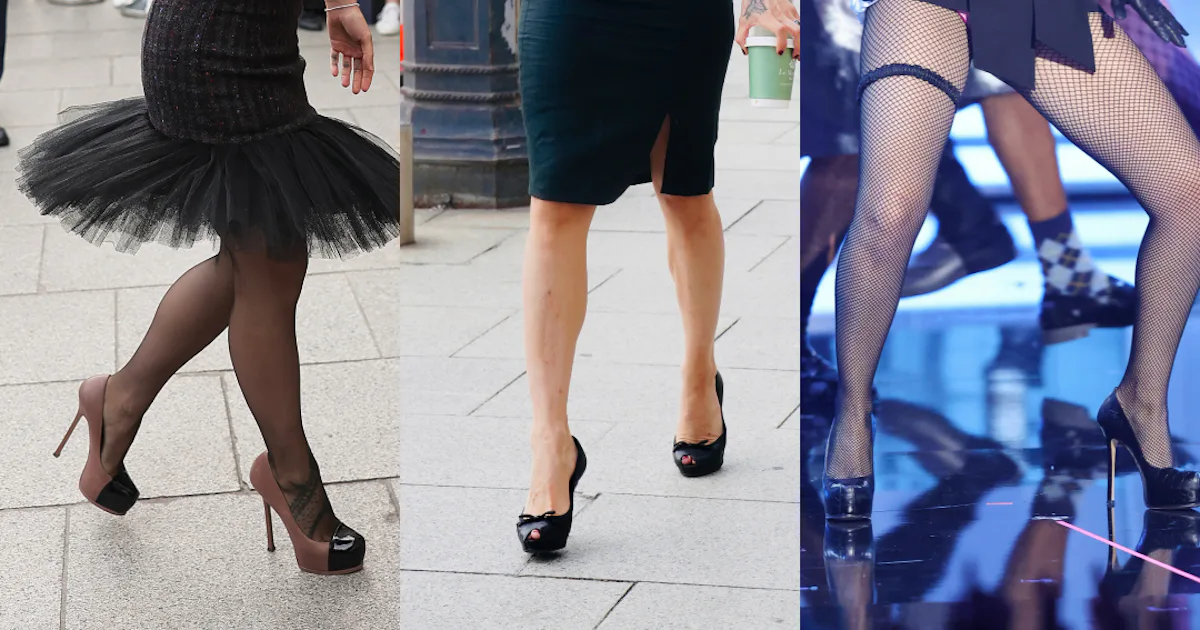
Within a frantic 24-hour window during the heart of the autumn style circuit, a trio of culture-shaping, raven-haired style icons—Charli xcx, Rosalía, and Gabbriette—were independently spotted elevating their silhouettes to precarious new heights. This coordinated, albeit spontaneous, display served as the definitive starting gun for a footwear revival that fashion insiders had quietly anticipated for months: the return of the unapologetically high, architectural platform pump.
This resurgence is much more than a mere recycling of past aesthetics; it represents a cultural recalibration. As fashion pivots away from the ultra-practical, flat-soled comfort of the post-pandemic era, the pendulum has swung violently back toward theatricality, edge, and maximalist glamour. Bolstered by major endorsements from the era’s reigning pop auteurs and championed by top-tier design houses for the Spring/Summer 2027 collections—including McQueen, The Attico, Moschino, and Thom Browne—the platform pump is reclaiming its throne.
This report offers an exhaustive analysis of this footwear phenomenon. We examine the exact timeline of its explosive return, the nostalgic echoes of late-2000s indie-sleaze culture, the runway mechanics driving its commercial viability, and what this structural pivot signifies for the future of luxury dressing.
Detailed Chronology: The 24-Hour Takeover
The resurrection of the platform pump did not happen in a vacuum, but its official confirmation arrived with cinematic precision during one whirlwind 24-hour period in late September 2026.
Act I: Charli xcx and the VMA Stage
The catalyst was ignited on the grand stage of the Video Music Awards. Pop vanguard and YSL Beauty ambassador Charli xcx took to the spotlight for an electrifying performance, anchoring her look with a pair of severe, croc-embossed platform pumps boasting a jaw-dropping five-inch vertical rise. This was not her first flirtation with the style—she had previously signaled the shift by incorporating Nicola Brognano’s platform creations for 7 For All Mankind into her press wardrobe—but the VMA stage performance beamed the silhouette into millions of homes, establishing it as the footwear of choice for high-octane performance art.
Act II: European Street Style and the Rosalía Effect
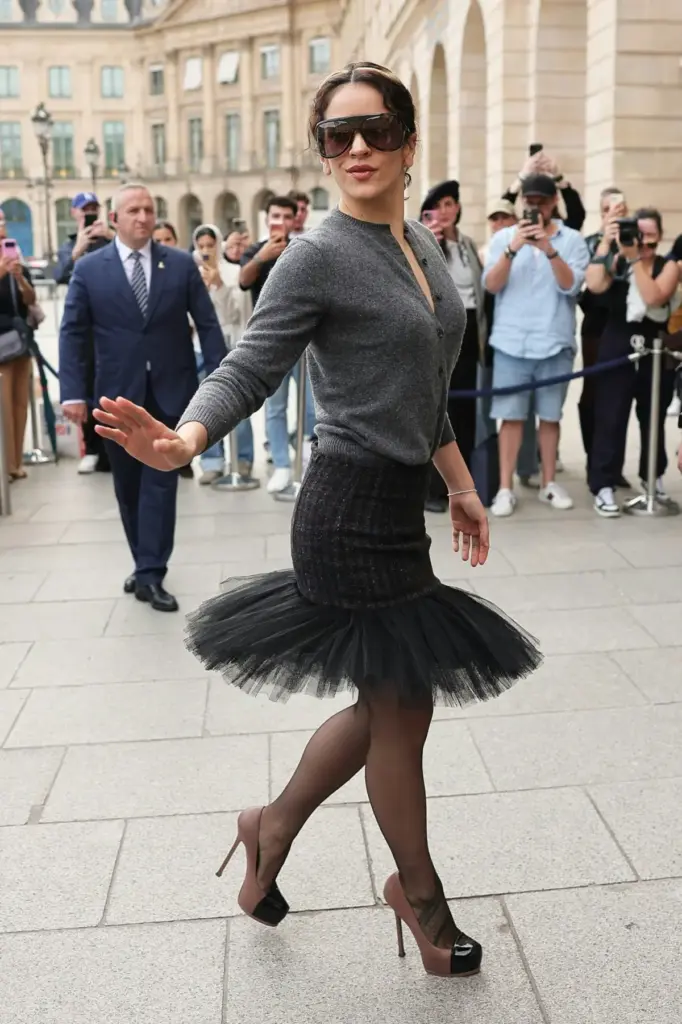
Hardly had the reverberations of the VMAs settled when the epicenter of style shifted across the Atlantic to Paris Fashion Week. Within hours of Charli’s performance, global superstar Rosalía stepped out on the Parisian cobblestones in a piece of fashion history: a vintage pair of Yves Saint Laurent Tribtoo pumps.
Created by then-creative director Stefano Pilati in late 2009, the Tribtoo is nothing short of legendary. Characterized by its hidden platform, tapered almond toe, and gravity-defying heel, the shoe defined an entire epoch of nightlife fashion. By unearthing this archival masterpiece, Rosalía instantly linked contemporary street style with the golden age of bloghouse glamour.
Act III: Gabbriette and the Triangulation of Trend
To solidify a trend, rules dictate that you need a trio. Enter Gabbriette, the quintessential muse of modern downtown cool, who stepped out in Paris wearing her own iteration of the peep-toe platform pump.
In less than a day, three of the world’s most influential trendsetters had independently weaponized the exact same footwear architecture. The message was unmistakable: the era of understated footwear had officially ended, replaced by a yearning for verticality, drama, and structural rebellion.
Supporting Context & Metrics: The Nostalgia Economy and Runway Momentum
To understand why the platform pump feels so potent right now, one must examine the broader historical and economic currents moving beneath the surface of the contemporary luxury market.
The 2010s Revival and the "Sleazy Girl" Aesthetic
Fashion’s insatiable twenty-year nostalgia cycle has officially landed on the late 2000s and early 2010s—an era previously viewed with sartorial embarrassment, but now embraced with ironic affection. This was the epoch of the indie-sleaze party girl: a world populated by Mischa Barton, the Olsen twins in their oversized NYC grunge phase, and Lindsay Lohan making breathless nocturnal entries under the flashbulbs of the paparazzi.
During this period, going out was an extreme sport, and the uniform required high-stakes styling:
- The Silhouette: Itty-bitty bandage dresses, distressed denim cutoffs, and shredded tights.
- The Face: Smudged, raccoon-eye smoky makeup that looked as though it had survived an all-night warehouse rave.
- The Foundation: Sky-high, ankle-testing heels that defied biomechanical logic.
The return of the platform pump taps directly into this collective yearning for unbridled hedonism. As consumers navigate an increasingly digital, sanitized modern reality, the tactile, high-risk glamour of the 2010s offers a potent antidote. These shoes do not whisper; they command attention, forcing the wearer to adopt a deliberate, statuesque posture that alters their entire physical presence.
The Spring/Summer 2027 Runways
While street-style stars provided the cultural spark, the major fashion houses have poured fuel on the fire across the ongoing Spring/Summer 2027 fashion month calendar.
For Fall/Winter 2026, Nicola Brognano at 7 For All Mankind planted the early seeds by pairing denim and tailoring with heavy platforms. For the upcoming Spring/Summer 2027 collections, Brognano doubled down, injecting vibrant, saturated colorways into his signature "sleazy girl" lineup.
Simultaneously, traditional luxury pillars and avant-garde houses pivoted hard toward height:
- McQueen: Known for dramatic tailoring and theatrical footwear, the house integrated sharply elevated heels into its high-octane party dressing narratives.
- The Attico: The undisputed purveyors of modern nightlife embraced the platform pump as a non-negotiable component of the contemporary siren’s wardrobe.
- Moschino: True to its irreverent DNA, the brand pushed the boundaries of proportion, pairing playful silhouettes with precarious lifts.
- Thom Browne: The master of deconstructed tailoring surprised observers by introducing glamorized, towering heels that infused his cerebral aesthetic with undeniable sex appeal.
Official Perspectives & Industry Analysis
Industry insiders, footwear historians, and luxury buyers are watching this resurgence with a mixture of nostalgic fondness and acute business acumen.
"We are witnessing a fundamental shift in how consumers approach going-out dressing," notes Elena Vance, a senior luxury retail analyst based in Milan. "For the past several years, pandemic-era comfort prioritized sneakers, chunky loafers, and kitten heels. But consumers—particularly Gen Z and younger Millennials—are experiencing fatigue with minimalist utilitarianism. They want transformation. A five-inch platform pump doesn’t just complete an outfit; it transforms the wearer’s psychology, instilling a sense of armor and theatrical power."
Furthermore, secondary market data reflects an immediate commercial ripple effect. Savvy shoppers have already begun scouring luxury resale platforms for archival pieces. Vintage Yves Saint Laurent Tribtoos, once languishing in online thrift archives, are experiencing a massive surge in search queries and transactional velocity. Industry experts advise consumers to snap up secondary-market versions before mainstream demand causes retail prices to skyrocket.
Future Outlook: Navigating the Precarious Balance
As Paris Fashion Week presses forward and the broader contours of the Spring/Summer 2027 season take shape, the trajectory of the platform pump points toward a dominant market share in luxury footwear.
However, the resurgence of such an extreme silhouette raises practical questions regarding the future of daily styling. Can the ankle-breaking, architectural platform transition from elite red carpets and nocturnal runways into the daily routines of metropolitan consumers?
The consensus among stylists is a resounding yes, provided the styling is approached with modern balance. Unlike the skin-tight bodycon dresses of 2010, today’s styling pairs these towering pumps with unexpected proportions: oversized, masculine tailoring, drop-waist midi skirts, and deconstructed denim. This juxtaposition neutralizes any potential costume-y feel, anchoring the dramatic footwear in a contemporary, effortless framework.
Ultimately, the return of the platform pump is symbolic of fashion’s cyclical pendulum swinging back toward joy, risk, and unapologetic self-expression. As Charli xcx aptly demonstrated, the fashion world is ready to be transported back to heaven—even if it requires balancing precariously on five inches of croc-embossed leather to get there.