Executive Overview
As the whirlwind global fashion month reaches its zenith, attention invariably turns toward the French capital for Paris Fashion Week. Here, the Spring/Summer ready-to-wear collections unfold across historic palazzos, brutalist concrete warehouses, and purpose-built tents along the Seine. Yet, for all the artistic brilliance projected down the runways—from the architectural mastery of Balenciaga to the delicate historicism of Chanel—an equally compelling drama unfurls off the runway: the meticulously orchestrated, highly pressurized theater of the front row.
As Vogue critic Luke Leitch dryly observed when reviewing Fendi’s Spring/Summer presentation—where audiences were seated around a disorienting, reflective mirrored box—“I looked rough, as usual by this point in the season… Especially in comparison to my soignée Vogue colleagues.”
Leitch’s quip captures a universal truth of the fashion circuit’s final leg. By the time editors, buyers, and critics reach Paris—having already survived the grueling sprint of New York, the tailored polish of London, and the sensory overload of Milan—they are operating on fumes, dry shampoo, and sheer adrenaline.
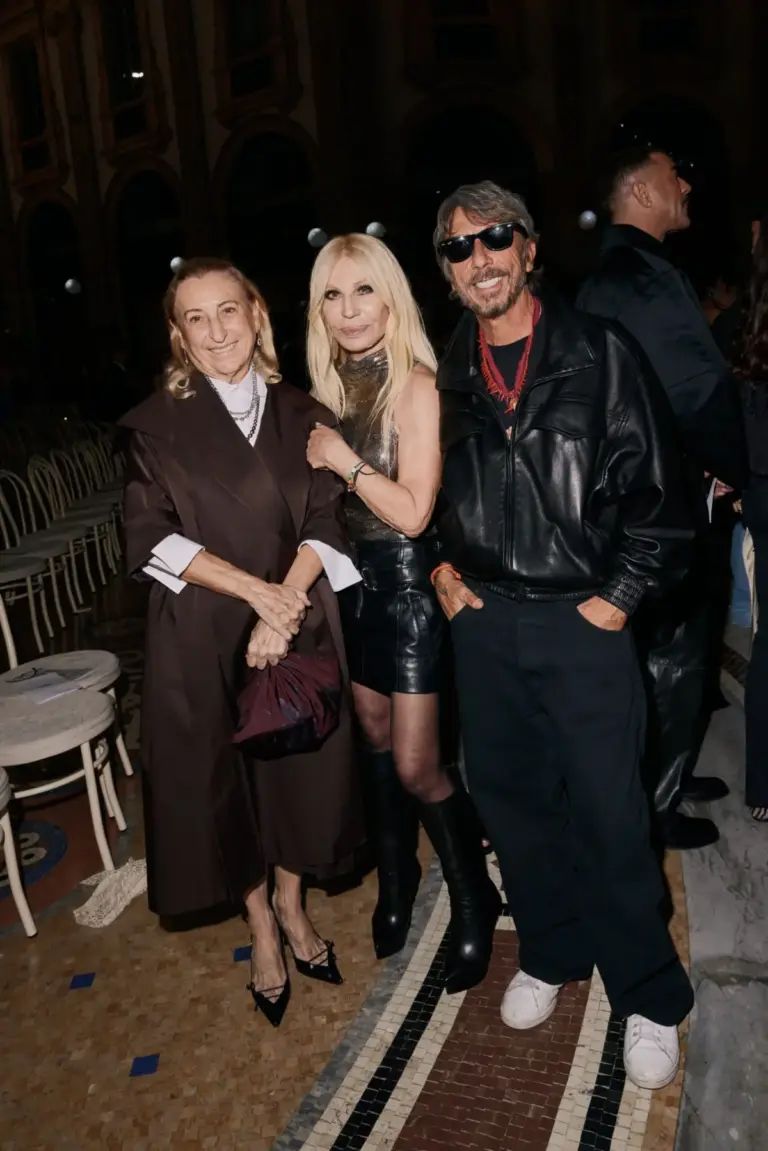
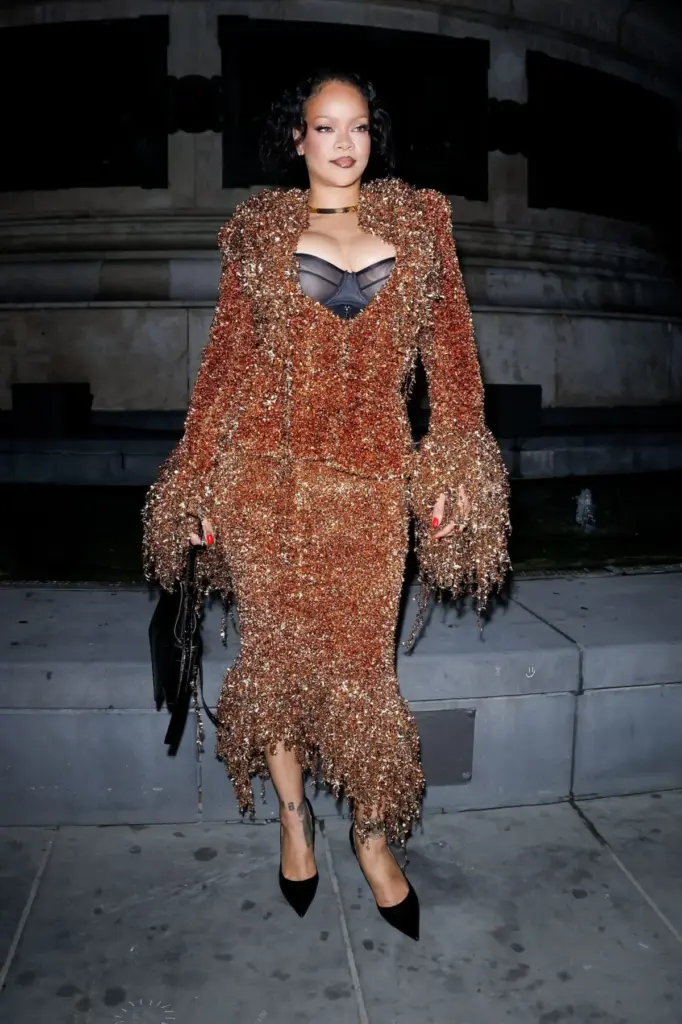
Contrast this with the high-gloss reality of celebrity attendees. For Hollywood stars, K-pop royalty, and global brand ambassadors, the journey through Paris Fashion Week is less an endurance test and more a military-grade logistical operation. Buffered by a protective cocoon of personal stylists, dedicated glam squads, and chauffeured Mercedes-Benz Sprinter vans whisking them seamlessly from the opulent confines of the Hôtel Costes to the front-row fortresses of Christian Dior, Maison Margiela, Saint Laurent, and beyond, their experience is the absolute antithesis of the exhausted press corps.
This comprehensive report examines the complex machinery powering Paris Fashion Week. We explore the massive marketing budgets deployed by luxury conglomerates, the psychological impact of the front-row "panopticon," the strategic deployment of global brand ambassadors like BLACKPINK’s Lisa and Academy Award winner Jennifer Lawrence, and what this high-stakes ecosystem reveals about the future of modern luxury marketing.
Detailed Chronology: The Anatomy of a Paris Fashion Week Marathon
To understand the sheer magnitude of Paris Fashion Week, one must trace the relentless timeline that defines the industry’s most important commercial fortnight.
Phase 1: The Pre-Arrival Buildup and Logistics (Months Minus Six to Month Minus One)
Long before the first flashbulb pops outside a Parisian venue, an invisible war room of public relations executives, celebrity wranglers, and VIP coordinators begins drafting guest lists. For major houses under the LVMH, Kering, and Richemont umbrellas, the allocation of front-row seats—historically known as the front row or le premier rang—is a science rooted in media value algorithms, retail sales metrics, and geopolitical influence.
During this phase, brand houses secure blocks of five-star hotel rooms (predominantly at legendary institutions like the Hôtel Costes, Le Bristol, and the Ritz Paris) for their incoming talent roster. Simultaneously, contracts are finalized with elite glam squads—hair stylists, makeup artists, and manicurists who will be flown into Paris or retained locally at day rates that can easily rival the cost of a luxury automobile.
Phase 2: The Arrival and The Circuit (Days One through Three)
As the calendar turns to the official start of the shows, Paris transforms. Private aviation spikes at Le Bourget airport, and the city’s grand boulevards become clogged with tinted-window Sprinter vans.
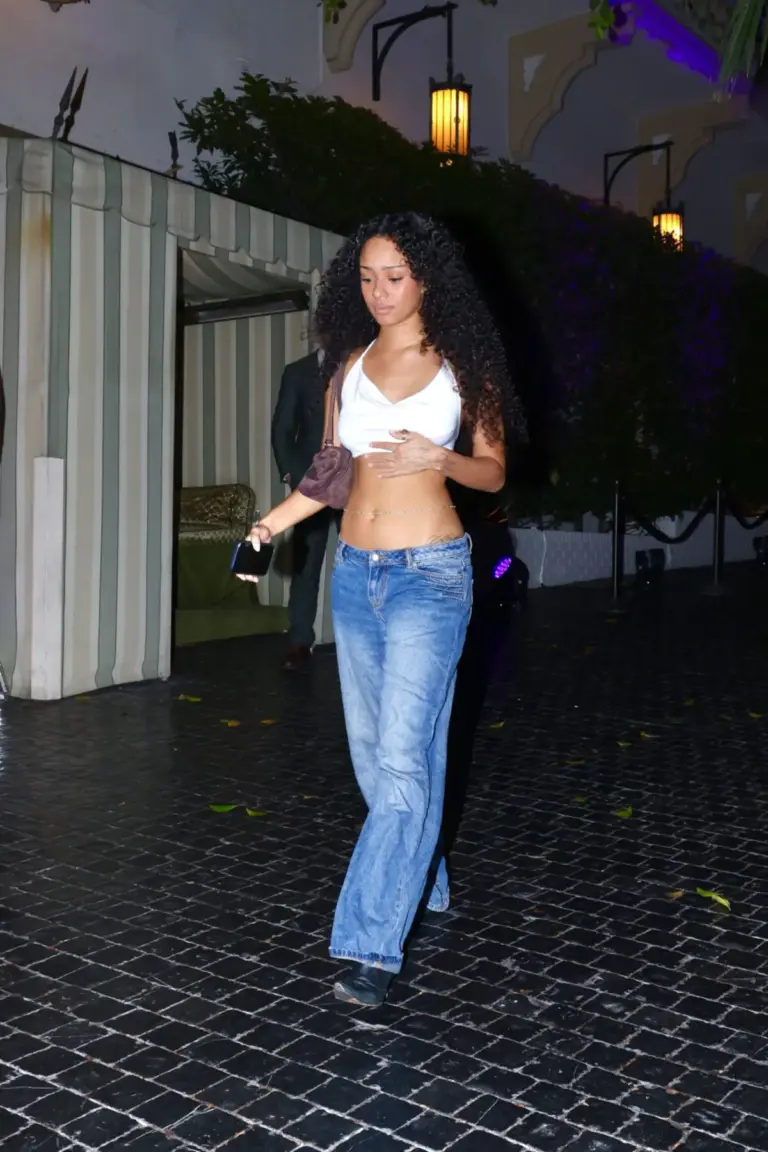
The early days of the schedule often feature houses like Dior, Courrèges, and Saint Laurent. This is when the cultural tone of the week is established. Celebrities make their grand entrances, stepping out onto carpeted black-box photo calls (the "step-and-repeat"). Every movement is captured by hundreds of paparazzi and instantly beamed to millions of smartphones via TikTok and Instagram Reels.
In these opening days, enduring style icons who "never seem to skip a season"—such as veteran actresses Naomi Watts and Kelly Rutherford—demonstrate the enduring power of classic, effortless elegance amidst the influencer-heavy sea.
Phase 3: The Mid-Week Climax and Conglomerate Clout (Days Four through Seven)
As the week hits its stride, the schedules of luxury giants LVMH and Kering dominate the cultural conversation. This is the domain of global ambassadors. When a powerhouse like Lisa from BLACKPINK attends a Louis Vuitton presentation, or when Jennifer Lawrence graces the front row for Dior, the cultural impact reverberates far beyond the boundaries of the Rue de Rivoli.
These mid-week shows require immense crowd-control infrastructure. Streets are cordoned off by local authorities, private security teams form human walls, and fans line metal barricades for hours just to catch a two-second glimpse of their idols emerging from a vehicle.
Phase 4: The Grand Finale and Post-Mortem (Days Eight through Nine)
The final stretch of Paris Fashion Week belongs to the theatrical heavyweights: Chanel, Miu Miu, Louis Vuitton, and operational titans like Coperni or Schiaparelli. By this point, the exhaustion Leitch referenced has fully settled over the fashion press. Yet, the energy on the runway remains electric.
Once the final look retreats backstage and the designer takes their closing bow, the industry pivots instantly. The focus shifts from physical garments to immediate data analytics: Earned Media Value (EMV), social media engagement rates, and immediate digital commerce spikes.
Supporting Context & Metrics: The Business of the Front Row
The optics of Paris Fashion Week may suggest an organic gathering of creative spirits, but behind every perfectly framed Instagram post lies a web of hard-nosed corporate strategy and staggering financial investment.
The Economics of Endorsement: Measuring Earned Media Value (EMV)
Gone are the days when a celebrity attended a fashion show simply because they liked the clothes or had a personal friendship with the designer. Today, front-row attendance is a core component of multinational marketing budgets.
According to data analytics firms specializing in the luxury sector, a single high-profile appearance by an artist with massive global reach—such as a K-pop idol or an A-list Hollywood actor—can generate tens of millions of dollars in Earned Media Value (EMV) within 24 to 48 hours of the show.
- The Power of K-Pop: Ambassadors like Lisa, Jennie, and Jisoo of BLACKPINK, or BTS members serving luxury houses, command staggering digital footprints. When they occupy a front-row seat dressed head-to-toe in unreleased looks from a brand like Louis Vuitton, Celine, or Chanel, their personal social media channels act as broadcast networks with global penetration that traditional print media can no longer match.
- The Hollywood Anchor: Established actors like Jennifer Lawrence (Dior) provide a grounding sense of prestige and mainstream American cultural cachet. Their presence translates high-fashion conceptualism into accessible aspirational desire for global consumers.
The Glam Squad Industrial Complex
The phrase "waking up like this" has never been further from the truth. The preparation required to place a celebrity in the front row of a Paris show is an industrial-scale operation. A typical celebrity front-row deployment involves:
- The Stylist: Curating the look weeks in advance, often pulling directly from current or upcoming archives.
- The Tailor: Ensuring bespoke or runway garments fit with millimeter precision.
- The Beauty Team: Hair stylists and makeup artists working for hours in luxury hotel suites, utilizing luxury cosmetics sponsorships.
- The Logistics Team: Managing secure transport schedules to navigate Paris traffic, ensuring zero overlap or delay that could disrupt the tightly timed show schedule.
Official Statements & Industry Perspectives
The dichotomy between the grueling reality of fashion journalism and the pampered existence of front-row celebrities has long been a subject of dark humor and critical discourse within the industry.
Reflecting on the psychological and physical toll of the four-city marathon, veteran fashion commentator Suzy Menkes has frequently noted how the modern fashion calendar places unsustainable pressure on creative directors, manufacturers, and journalists alike.
Meanwhile, PR veterans who manage the front-row seating charts offer a starkly pragmatic view of the chaos. Speaking under the condition of anonymity, a senior communications director for a major Parisian luxury house explained the high-stakes mathematics of guest management:
"People look at the front row and see a glamorous gathering of friends of the house. What they don’t see is a spreadsheet balancing retail sales data in the Greater China region, contractually obligated social media posts, and delicate diplomatic balancing acts between rival talent agencies. One misplaced seat can cost a brand millions in potential relationship fallout or media impressions."
On the other side of the spectrum, critics like Luke Leitch highlight the surreal, almost voyeuristic nature of modern presentations—such as Fendi’s mirrored box—where the audience is forced to confront their own exhaustion while simultaneously being consumed by the relentless gaze of the fashion panopticon.
Future Outlook: Where is the Front Row Headed?
As the luxury market evolves in response to shifting global economies, changing consumer behaviors, and rapid technological advancements, the ecosystem of Paris Fashion Week is poised for transformation.
1. The Blurring Lines Between Digital and Physical
While physical attendance remains the ultimate status symbol, brands are increasingly augmenting their front rows with virtual attendees, augmented reality (AR) filters, and immersive livestream experiences tailored for regional markets that cannot travel to Europe. However, the prestige associated with the physical presence of top-tier ambassadors in Paris remains irreplaceable.
2. Sustainability and Conscious Logistics
As scrutiny mounts regarding the carbon footprint of the fashion industry—not only from garment production, but also from the international travel of editors, models, and celebrity entourages flying private or first-class across the globe—luxury houses are under pressure to justify these massive logistical expenditures. Expect to see greater emphasis on carbon-neutral travel initiatives and localized talent strategies in the coming years.
3. The Rise of Hyper-Targeted Micro-Communities
While mega-ambassadors like Jennifer Lawrence and Lisa will continue to command the primary lenses of the global press, brands are beginning to diversify their front rows further. They are incorporating niche cultural creators, TikTok pioneers, and grassroots artists whose authority resonates deeply with Gen Z and Generation Alpha consumers who value authenticity over traditional celebrity gloss.
Conclusion
Paris Fashion Week remains the ultimate crucible of the style universe. It is a place where artistic genius collides with ruthless corporate ambition, where exhausted critics scribble notes in darkened rooms while global superstars smile flawlessly from mirrored front rows. As long as the world remains captivated by the alchemy of luxury, the grand theater of Paris will continue to shine—fueled by coffee, couture, and the unstoppable machinery of the modern fashion epoch.