Remember when studying English literature felt like a quiet, dusty pursuit—an academic exercise filled with earnest debates over the existential symbolism of train journeys in Henry James novels or trying, largely in vain, to untangle the dense semiotics of Roland Barthes? Fast forward to the cultural landscape of 2026, and those same intellectual pursuits have undergone a massive, high-fashion transformation. Literature is no longer confined to the quiet corners of university lecture halls or university libraries; it has stepped boldly onto the global runway.
Today, reading has experienced a profound "glow-up." Supermodels routinely share their meticulously curated reading lists on social media, global fashion houses are establishing high-profile book clubs, and literary culture is inextricably linked to contemporary style. The most recent and tangible evidence of this cultural shift is unfolding across our screens. This season marks the arrival of a major wave of syllabus-friendly novel adaptations, transforming beloved written characters into visual and sartorial muses.
From Netflix’s forthcoming take on Miles Franklin’s early feminist text My Brilliant Career and John Steinbeck’s sweeping 1952 saga East of Eden (starring Florence Pugh), to Dolly Alderton’s highly anticipated adaptation of Jane Austen’s Pride & Prejudice and Daisy Edgar-Jones breathing new life into Sense & Sensibility in cinemas, the literary adaptation boom is in full swing. Even mid-century classics are getting the star-studded treatment, with Billie Eilish stepping into the harrowing world of Sylvia Plath’s 1963 novel The Bell Jar.
While these projects promise cozy nights in for viewers, they also trigger a thrilling secondary effect: a massive resurgence in literary-inspired wardrobes. As society grows increasingly fatigued by the sterile, algorithmic dominance of AI and rapid technological advancement, audiences are craving the tactile, romantic, and deeply human world of literature. In doing so, they are turning to literary heroines not just for emotional resonance, but as the ultimate style icons.
Detailed Chronology: From the Page to the Silver Screen and the Runway
To understand how literature became a primary driver of contemporary fashion, we must trace the symbiotic relationship between character development in print and costume design in film and television. Historically, great authors understood that clothing was never merely decorative; it was a psychological map of a character’s internal state.
The Literary Foundations of Character Wardrobe
Long before directors called "action," master novelists utilized fabric and fit to tell a story before a character even spoke. Consider the sharp, austere styling in literature across the decades:
Mary Gaitskill’s Secretary: The author brilliantly weaponizes the "bland ugliness" of a standard-issue work skirt and blouse worn by protagonist Debby, using drab textiles to reflect emotional repression and corporate subjugation.
F. Scott Fitzgerald’s The Great Gatsby: Daisy Buchanan makes her iconic literary entrance in a "rippling and fluttering dress," instantly capturing the ephemeral, careless wealth and wind-swept motion of the Roaring Twenties.
James Baldwin’s If Beale Street Could Talk: Tish walks to church draped in striking defiance—"black, long-legged me, in a blue dress"—using color to assert dignity in the face of systemic oppression.
Virginia Woolf’s Orlando: The protagonist physically and metaphorically labors under "the weight of the crinoline," charting centuries of societal expectations through shifting historical garments.
Sally Rooney’s Normal People: Marianne Sheridan navigates social anxiety and elite college scrutiny in a "filmy black dress," a piece that acts as both armor and an uncomfortable spotlight.
When these complex texts are adapted for the screen, this literary shorthand is instantly translated into visual masterpieces. Directors and costume designers take the author’s textual cues and render them tangible, giving fashion enthusiasts a direct blueprint to emulate.
The 2024–2026 Adaptation Wave
The current cultural zeitgeist has accelerated this crossover through a series of high-profile cinematic and streaming events:
The Noughties Revival: Novels like Caroline Palmer’s Workhorse—set within the frantic headquarters of a 2000s magazine—inspire modern iterations of fur coats and bold leopard-print accessories, reflecting an era where fashion was wielded as a performance.
The Austen Industrial Complex: With Daisy Edgar-Jones leading Sense & Sensibility and Dolly Alderton reinterpreting Pride & Prejudice, the cultural obsession with empire-line silhouettes, delicate muslins, and vintage accessories is projected to dominate trends well into 2027.
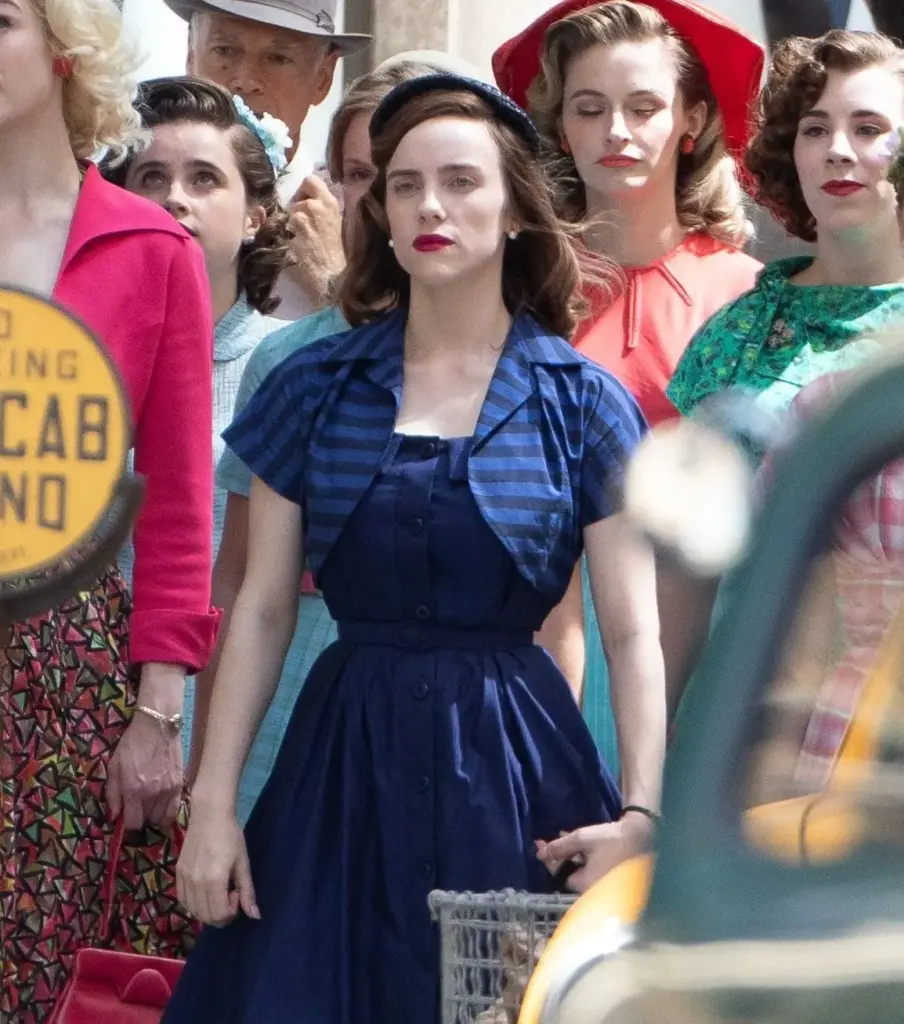
Mid-Century Melodrama: Billie Eilish’s casting in The Bell Jar has already generated behind-the-scenes set photos showcasing 1950s waved hair, wide swing skirts, and soft short-sleeved sweaters, destined to populate countless digital moodboards.
Supporting Context & Metrics: The "BookTok" and Fashion Intersection
The literary glow-up is not happening in a vacuum; it is backed by massive shifts in consumer behavior, digital communities, and retail marketing.
The Economics of Literary Fashion
The "Adaptation Effect": Industry data consistently shows that when a classic novel receives a high-budget screen adaptation, sales of the book surge by upwards of 300% within the first month of release. Concurrently, online searches for era-specific clothing items—such as regency bonnets, tweed blazers, or 1950s knitwear—experience double-digit spikes on major retail platforms.
BookTok and Digital Communities: Platforms like TikTok have revolutionized how younger generations consume literature. Hashtags centered around dark academia, romanticism, and specific literary aesthetics (such as the unfilmed yet vividly imagined makeup and wardrobe of Camilla Macaulay from Donna Tartt’s The Secret History) rack up billions of views. Fans construct elaborate digital moodboards, cosplay their favorite heroines, and demand that fast-fashion and luxury brands alike capture the essence of these written worlds.
Brand Collaborations: Luxury houses have caught on. From Prada sponsoring philosophy festivals to major labels launching proprietary book clubs curated by supermodels and actors, the intersection of high fashion and high literature has become a lucrative marketing vertical. It signals intellectual depth, cultural capital, and timeless elegance to an increasingly discerning consumer base.
Official Statements and Industry Insights
Cultural commentators, bestselling authors, and salon curators agree that this literary fashion renaissance is a direct reaction to our hyper-digitized, fast-paced modern reality.
Olivia Petter, author of the 2024 debut novel Gold Rush, emphasizes the immediate visual power of literary adaptations:
"Screen adaptations of classics give heroines’ style a shorthand," Petter argues. "It can be one of the most memorable elements of an adaptation—like Marge’s holiday outfits in The Talented Mr Ripley, or Keira Knightley’s slinky emerald-green dress from Atonement, which I think about almost weekly."
Petter also highlights how modern literature influences real-world dressing, pointing to characters like Clo in Workhorse:
"The main character is constantly using fashion as a performance… There are lots of fur coats and leopard-print items she borrows, which is very much an aesthetic I’m always trying to replicate."
Emma Firth, curator of the literary salon Rejection is Romantic, traces her own style evolution back to classic cinematic adaptations like the 1985 Merchant Ivory version of A Room With a View, starring a young Helena Bonham Carter as Lucy Honeychurch:
"I was 19 when I read it for the first time," Firth remembers. "There’s something so elegant and whimsical about her wardrobe in the adaptation which really captures her character."
Firth suggests that the deep emotional attachment we feel toward literary characters—particularly those that live purely in our imagination without a screen adaptation—stems from a psychological need for comfort:
"There’s so much conversation about the future, AI, these very robotic things," Firth notes, analyzing why the "in-our-head" factor holds such appeal. "I wonder whether there’s just this real desire to indulge in more fantasy, romanticism, and softness—something that feels more tender."
Future Outlook: Where Literature and Style Converge Next
As we look toward the remainder of the decade, the marriage of literature and fashion shows no signs of slowing down. Several key trends are poised to shape the cultural and sartorial landscape:
The Rise of "Tender Tech-Resistance": As artificial intelligence begins to saturate creative industries, consumers are actively seeking out the imperfections, depth, and emotional gravity of human storytelling. Fashion will continue to lean into tactile, heritage fabrics—heavy wools, delicate lace, weathered leather, and hand-stitched details—that evoke the physical weight of a well-read book.
Immersive Literary Fashion Events: Expect fashion weeks to increasingly borrow narrative structures from literature. Runway shows are evolving from simple product presentations into theatrical, narrative-driven experiences where models embody classic literary archetypes, blurring the line between dramatic performance and couture presentation.
Sustainable Storytelling: The literary mindset naturally aligns with sustainability. Just as readers pass down cherished paperbacks through generations, the current fashion appetite for vintage styling, thrifted academic blazers, and timeless tailoring encourages a move away from hyper-disposable trends in favor of a curated, lifelong wardrobe.
Ultimately, whether we are watching Florence Pugh navigate the rolling landscapes of East of Eden, picturing Billie Eilish beneath the suffocating glass bell jar, or simply curling up on a Sunday afternoon with a worn paperback and a cup of tea, the message is clear. Literature has proven that it is the ultimate style icon. In a world rushing headlong into a cold, digitized future, turning the page—and dressing the part—has never felt so rebelliously chic.