Executive Overview
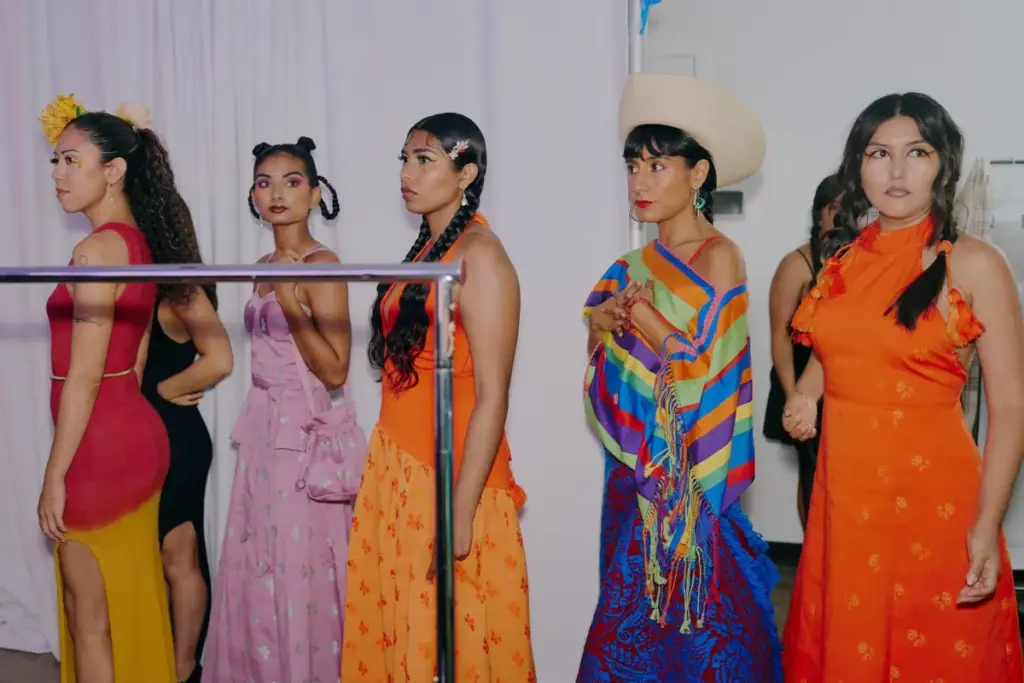
The global fashion calendar is often dominated by historic European heritage houses and fast-paced commercial hubs, yet an increasingly powerful movement is carving out a vital new paradigm in the heart of New York City. Indigenous New York Fashion Week (INYFW) recently concluded its triumphant second annual showcase, cementing its status as a radical, vital platform for authentic Native and Indigenous representation. Running from September 11 to 13 at the historic American Indian Community House in Manhattan’s Garment District, the event brought global attention to Lenapehoking—the ancestral homelands of the Lenape peoples upon which New York City now stands.
Organized by the Indigenous-owned East Village storefront Relative Arts NYC, founded by co-founders Korina Emmerich (Puyallup) and Liana Shewey (Mvskoke), INYFW welcomed 30 visionary designers hailing from North America, South America, Oceania, and Australia. Far from being relegated to a static, historical lens, the designers showcased this year firmly anchored their collections in "Indigenous futurism." This contemporary design philosophy merges ancient traditional knowledge with avant-garde aesthetics, sustainable practices, and urgent commentary on the modern socio-political zeitgeist.
This deep-dive report examines the structural evolution of INYFW, explores the rich tapestries and personal stories of six up-and-coming designers who defined the 2024 runways, and analyzes the profound broader implications of Indigenous sovereignty within the modern international fashion industry.

Detailed Chronology of the Event
The three-day fashion showcase unfolded as a meticulously curated sequence of runway presentations, cultural exchanges, and behind-the-scenes artistry that challenged conventional fashion week logistics and aesthetics.
Day One: Grounding in Homelands and Americana Subverted
The opening day set a powerful tone, drawing immediate focus to the relationship between land, identity, and contemporary visual culture. Ty LodgePole, a 29-year-old Diné (Navajo) designer based in Phoenix, opened critical conversations with his streetwear line, HOMELAND. The collection subverted traditional American visual culture—such as workwear, sportswear, and Western silhouettes—by filtering it through an unyielding Indigenous lens. Models walked the runway in oversized graphic tees, heavily embellished denim, and throwback sporty windbreakers, proving that Indigenous expression can seamlessly merge biting humor, comfort, and incisive social commentary.
Day one also marked the highly anticipated debut of TXYZ, the minimalist cut-and-sew brand by 28-year-old Hopi/Navajo designer Tyree Honani. Titled simply “No. 1,” Honani’s inaugural runway appearance featured architectural, oversized silhouettes designed to honor the dualities of her upbringing between the reservation’s dirt roads and the city’s concrete jungle.

Day Two: Intergenerational Dialogues and Eco-Conscious Avant-Garde
The second day shifted toward sustainable luxury, ancestral preservation, and avant-garde armor. Alexandria Bijou Henry, a 23-year-old Ojibway/Roseau River First Nations designer and the youngest talent in the lineup, presented “The Seeds She Planted.” Her collection paid homage to the matriarchs of her family, particularly her grandmother Kathy Boulanger, blending contemporary Anishinaabe beadwork and vibrant ribbon skirts into a living conversation between past and future generations.
Following Henry, Montreal-based designer Nathan Jenniss of Enfant_Martyr captured the audience with his upcycled creations. Weaving bone, leather, feathers, and fish vertebrae into meticulously repurposed garments, Jenniss transformed fashion into psychological armor, healing historical traumas of suppression through raw artistic reclamation.
The evening concluded with a breathtaking international presentation by SIQUICHA, a South American collective representing over 25 Indigenous artisans, spearheaded by 28-year-old Native Costa Rican designer Jimena Muñiz-Garreta. Showcasing woven cotton dresses from Cajamarca, alpaca knitwear from Cusco, and Amazonian beadwork, the collective bridged the ancient textile traditions of the Andes directly to the Manhattan runway.

Day Three: Radical Sustainability and Inclusive Futures
The final day of INYFW focused heavily on zero-waste initiatives, intersectionality, and the broad accessibility of Indigenous design. Two-spirit queer multidisciplinary artist Nishina Shapwaykeesic-Loft presented work under the label Creator Complex. Using secondhand and recycled materials, the Kanien’kehá:ka (Mohawk) designer delivered a stunning showcase complete with deer antler garments, horsehair-layered jackets, rabbit fur waist pieces, and signature cornhusk masks that invited all audiences to envision themselves within Indigenous fashion.
Supporting Context & Metrics: The Scale of Representation
To understand the weight of INYFW, one must look closely at the global landscape of the fashion industry. Historically, Indigenous motifs have been subjected to cultural appropriation by major fashion houses, stripped of context, and mass-produced without economic return to the original communities. INYFW was engineered to correct this structural imbalance.
- Global Reach: The 2024 showcase featured 30 distinct design houses representing international geographies, expanding the dialogue far beyond North American borders to include Indigenous creators from South America, Australia, and Oceania.
- Youth-Led Innovation: The average age of the featured breakout designers spans from 23 to 29 years old, demonstrating a dynamic, tech-savvy, and eco-conscious next wave of creators.
- Economic Sovereignty: By operating under the umbrella of Relative Arts NYC, INYFW ensures that the economic capital generated by these creative endeavors directly supports Indigenous creators, storefronts, and grassroots community networks.
- Environmental Impact: Zero-waste design, upcycling, and sustainable sourcing (such as alpaca wool, vintage denim, and reclaimed natural materials) formed the foundational backbone of over 75% of the collections presented, positioning Indigenous designers as global leaders in ethical fashion.
Official Statements and Industry Perspectives
The success of Indigenous New York Fashion Week lies not only in the visual splendor of its garments but in the profound philosophical frameworks articulated by its founders and participating designers.

Korina Emmerich on Indigenous Futurism
Korina Emmerich (Puyallup), co-founder of INYFW and a prominent fashion designer in her own right, emphasized the necessity of moving away from historical pigeonholing:
"Indigenous New York Fashion Week is really about Indigenous futurism, because so often we’re dragged into a historical context. I’m so impressed with the younger generation of designers and their focus on sustainability. They make me really excited about the future."
Liana Shewey on Breaking the Binary
Liana Shewey (Mvskoke), co-founder and community organizer alongside Emmerich, highlighted the fluid, contemporary nature of the garments shown on the runway:

"They’re designing in fresh young ways beyond the binary. A lot of their work is their personal response to the current state of the world, and their pieces are a reflection of their perspective on the status quo and the zeitgeist in real time."
Designer Voices on Identity and Craft
- Alexandria Bijou Henry (Bineshii Creations): "Fashion is more than creating something beautiful to wear; it’s a way of expressing who we are, where we come from, and the stories we carry with us… We are never creating alone. We are carrying the knowledge, sacrifices, creativity, and dreams of those who came before us."
- Ty LodgePole (HOMELAND): "We’re shifting the person telling the story. It’s like looking at something you’ve seen your entire life and suddenly realizing you’ve only ever been shown it from one angle… At the same time, our existence, survival, and relationship to this land carry a history that can’t be separated from what America is today."
- Jimena Muñiz-Garreta (SIQUICHA): "Each piece has its own unique story that is so alive, it feels as though it has its own heartbeat… The magic is in the process, not just the final product. What you wear has a story; the person who made it has a name; the materials have an origin."
- Nishina Shapwaykeesic-Loft (Creator Complex): "I believe that as Indigenous people we should be leaders in creating ethical and sustainable fashion, because the rise of fast fashion creates a significant amount of waste… There are endless possibilities for how these materials can be adapted and used."
Detailed Profiles of Featured Breakout Designers
1. Bineshii Creations (Alexandria Bijou Henry)
At just 23 years old, Alexandria Bijou Henry was the youngest designer in the INYFW lineup, representing the Roseau River First Nations. Her collection, “The Seeds She Planted,” served as a poignant tribute to the resilient Indigenous women in her life, particularly her kokum (grandmother), Kathy Boulanger. Grounded in Anishinaabe traditions from Manitoba, Canada, Henry’s work artfully pairs intricate, hand-sewn beadwork with sweeping, vibrant ribbon skirts, proving that traditional craftsmanship possesses limitless modern relevance.
2. Ty LodgePole (HOMELAND)
Phoenix-based Diné designer Ty LodgePole, 29, utilizes streetwear as an instrument of cultural truth and wit. Through his brand HOMELAND, LodgePole recontextualizes classic Americana through an Indigenous gaze. By blending oversized silhouettes, workwear staples, athletic windbreakers, and graphic tees, he challenges mainstream audiences to question whose perspective has dominated visual culture for centuries, asserting that Indigenous presence is inextricably woven into the fabric of the modern Americas.

3. Enfant_Martyr (Nathan Jenniss)
Montreal-based designer Nathan Jenniss, 25, discovered fashion as a lifeline for self-actualization after growing up in an environment where discussing his Wolastoqiyik Wahsipekuk (Maliseet) heritage was discouraged due to historical trauma. Through his avant-garde brand Enfant_Martyr, Jenniss upcycles discarded garments, layering them with bone, feathers, leather, and fish vertebrae. His runway creations function as protective "armor of the heart," instilling deep resilience and pride in the wearer.
4. SIQUICHA (Jimena Muñiz-Garreta)
Born out of a two-year volunteer initiative in San Miguel de Pallaques, Peru, SIQUICHA is an artistic collective of over 25 Indigenous artisans led by 28-year-old Native Costa Rican designer Jimena Muñiz-Garreta. Named after the Quechua word for "the weaver’s tether," the collective showcases the rich textile heritage of South America, combining Cajamarca woven cottons, Cusco alpaca knitwear, and Amazonian beadwork into high-fashion statements that honor both the maker and the earth.
5. TXYZ (Tyree Honani)
Making her runway debut at INYFW with her collection "No. 1," 28-year-old Hopi/Navajo designer Tyree Honani presented a masterclass in understated storytelling. Utilizing minimalist, oversized silhouettes, Honani embedded subtle yet profound cultural markers into her garments, such as pockets shaped like Mudhead Katsina figures and dark color palettes referencing the protective, medicinal properties of ash. Her designs bridge the gap between reservation landscapes and urban architecture without bowing to stereotypical expectations of Indigenous design.

6. Creator Complex (Nishina Shapwaykeesic-Loft)
Two-spirit queer multidisciplinary artist Nishina Shapwaykeesic-Loft utilizes her label, Creator Complex, to spearhead the zero-waste movement in Indigenous fashion. The 27-year-old Kanien’kehá:ka (Mohawk) designer crafts structural garments from deer antlers, horsehair tassels, rabbit fur, and denim. Accompanied by cornhusk masks that pay homage to traditional Haudenosaunee faceless dolls, Shapwaykeesic-Loft’s work ensures that audiences of all backgrounds can engage with and visualize themselves wearing ethical, sustainable Indigenous fashion.
Future Outlook
As Indigenous New York Fashion Week concludes its second successful year, its trajectory points toward permanent institutional transformation within the global fashion industry. Far from being a fleeting seasonal trend, INYFW has established a blueprint for ethical sovereignty, creative autonomy, and sustainable production that mainstream fashion weeks would do well to study and emulate.
Looking ahead, the organizers at Relative Arts NYC anticipate expanding the platform’s international footprint, creating broader retail distribution channels for emerging designers, and deepening mentorship pipelines for the next generation of youth. By dismantling outdated binaries, rejecting colonial confines of what "Native art" must look like, and centering ecological stewardship, the visionaries of INYFW are not merely participating in the future of fashion—they are authoring it entirely.