Executive Overview
The landscape of entertainment has fundamentally and irrevocably shifted. For decades, traditional Hollywood operated as an impenetrable fortress, guarding its studios, networks, and distribution pipelines with rigid exclusivity. Aspiring creatives were forced to bend to the will of legacy gatekeepers, often sacrificing their intellectual property, creative control, and digital ecosystems just for a chance at mainstream visibility.
Today, that fortress has not merely been breached—it has been completely rebuilt on terms dictated by the digital-first generation.
Fuelled by the explosive box-office triumphs of creator-driven and independent features such as Iron Lung, Backrooms, and Obsession, major Hollywood studios, top-tier production companies, and global streaming giants are viewing the digital creator economy through an entirely new lens. No longer dismissed as "kids talking into phones," independent creators are now recognized as fully realized media moguls, visionary auteurs, and the architects of the most engaged audiences on the planet.
This paradigm shift is spearheading what industry insiders are calling a modern entertainment "gold rush." At the forefront of this movement is Viral Nation, a leading agency and media powerhouse helping digital stars—from family sensations like the McCarty family to visionary illusionists like Xavier Mortimer—transition seamlessly from social feeds to global television and cinematic franchises.
As digital advertising dollars continue to pivot away from linear television and toward social ecosystems, legacy media companies are dropping their old condescension in favor of equitable partnerships. To explore this dynamic transformation, industry leaders Paul Telner, Ray Ligaya, and Xavier Mortimer are set to take the stage at the upcoming VidSummit conference, delivering a masterclass on how modern creators can transform fleeting digital influence into enduring, multi-platform intellectual property.
Detailed Chronology: From Digital Dismissal to Studio Partnerships
To truly understand the weight of today’s collaborative studio environment, one must look back at the arduous journey digital creators and their representatives faced just a few short years ago.
The Era of Legacy Gatekeeping
In the early days of the creator economy, bridging the gap between YouTube and traditional television was an uphill battle defined by lopsided negotiations and institutional arrogance. Paul Telner, Head of Programming at Viral Nation, recalls spending years taking top-tier digital creators to traditional U.S. cable networks and legacy studios, only to be met with antiquated demands.
"I remember taking creators to traditional U.S. cable networks, all the usual names, and they were like, ‘Yeah, maybe, but it has to be on the network’s terms, and we’re going to own the YouTube channel,’" Telner reflects. "I would look at these deals, and it was like, my goodness, these traditional networks want to own these creator social ecosystems—this content that creators put their own blood, sweat, and tears into building. These deals were terrible!"
For years, these interactions forced Telner and other forward-thinking talent executives to question whether it was even worth the effort to explain the intrinsic power of digital creators to legacy entities steeped in outdated broadcast models. The prevailing attitude across Hollywood boardrooms was clear: traditional networks held the keys to the kingdom, and digital creators should consider themselves lucky just to be invited into the room.
The Tipping Point: Box Office Validation
The turning point did not happen overnight, but it was accelerated dramatically by a wave of independent, creator-made films that bypassed traditional studio financing to achieve massive commercial success. Projects like Iron Lung, Backrooms, and Obsession proved definitively that digital audiences do not just consume short-form clips on mobile screens; they are fiercely loyal, paying consumers willing to support creator-led cinematic ventures on a grand scale.
These milestones forced Hollywood to recalibrate. Studios realized they could no longer afford to ignore built-in audiences numbering in the millions. As advertising budgets shifted structurally toward YouTube, TikTok, and other social platforms, streamers and production houses began scrambling to catch up.
The Shift Toward True Collaboration
Today, the dynamic has flipped from top-down condescension to a democratic quest for partnership. According to Telner, the conversations happening between agencies and studios are fundamentally different from anything seen in previous decades.
"Now, because of the rise of creators, because of advertising dollars shifting, and the rise of YouTube and socials, streamers are more about partnerships," Telner explains. "It’s no longer ‘You’re lucky to be in a room with us, you’re lucky to get a show, take it or leave it.’ It’s now much more democratic, much more ‘How can we work together?’"
This shift has turned development pipelines into bustling hubs of cross-continental activity. Telner notes that his team is currently fielding weekly meetings with casting directors, top-tier production companies, and major streaming executives across both North America and Europe, proving that the appetite for creator-led intellectual property is truly global.
Supporting Context & Metrics: The Mechanics of the Creator Gold Rush
The convergence of social media and traditional entertainment is underpinned by powerful macro-economic shifts in media consumption and monetization.
The Death of Linear and the Rise of Social Ecosystems
Linear television ratings have experienced a steady, structural decline over the past decade, particularly among key demographic groups aged 18 to 49. Conversely, platforms like YouTube have cemented themselves as the primary living-room entertainment destinations for modern audiences. With YouTube streaming seamlessly onto smart TVs, the historical divide between "digital video" and "television" has effectively dissolved.
Furthermore, digital creators possess something legacy Hollywood has spent billions of dollars trying to manufacture: authentic, real-time engagement. Unlike a traditional Hollywood movie star who promotes a project during a structured press tour, digital creators interact with their fanbases daily, sometimes hourly. This creates an unshakeable bond of trust. When a creator launches a branded product, an indie film, or a serialized show, their audience does not just view them as talent—they view them as peers and community leaders.
Case Study: Xavier Mortimer’s Evolution
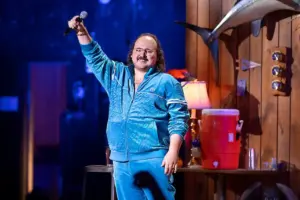
A prime example of this maturation process is professional magician and digital innovator Xavier Mortimer. Having built a massive global following through visually arresting, highly creative short-form magic and performance art, Mortimer represents the next generation of multi-hyphenate entertainers.
Rather than viewing digital platforms as a temporary stepping stone to a traditional career, Mortimer utilized social media to forge an independent artistic identity. Now, with a television and streaming show currently in development through Viral Nation, Mortimer is translating his digital brand into a sophisticated, cross-platform enterprise.
Reflecting on how traditional media’s perception of creators has matured, Mortimer shares:
"We were just kids talking into a phone, doing stuff in front of it, putting it out there, and now [they see] there’s so much more to it. I’ve developed a full brand, my way of performing my art, my magic, and we’re opening doors to share that in the TV and movie space now."
Official Statements & Industry Insights
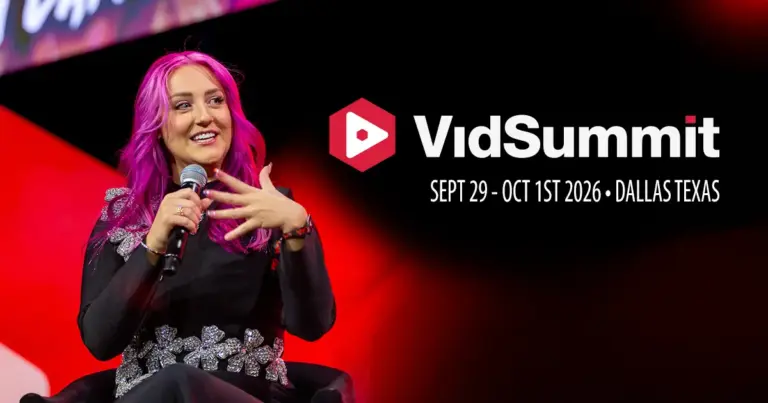
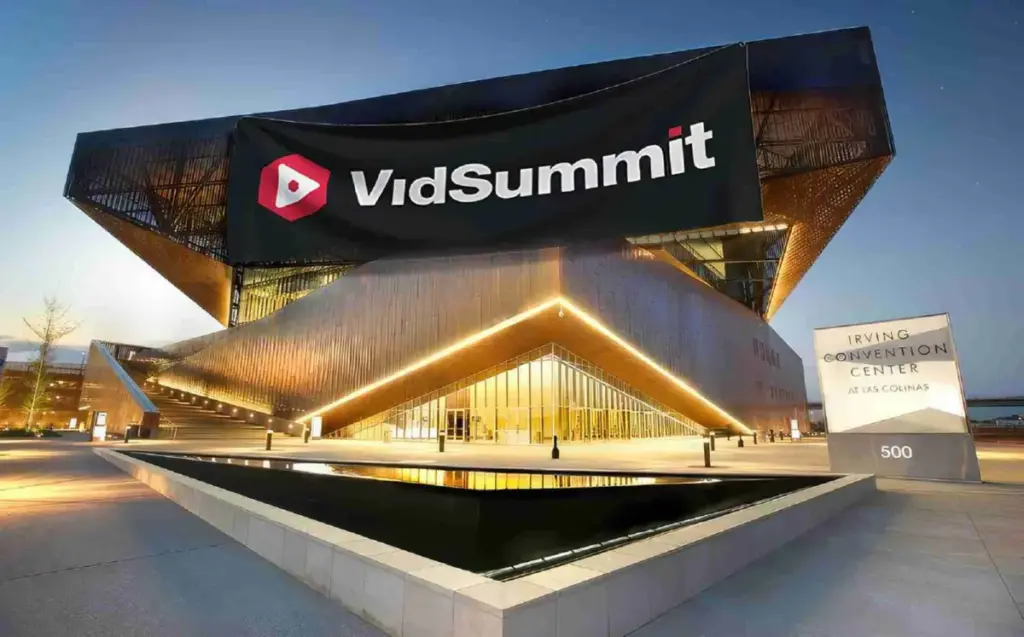
The mechanics of turning a digital personality into a sustainable, institutional franchise will take center stage at the upcoming VidSummit conference, scheduled for September 29 to October 1 at the Irving Convention Center in Texas.
The "From Audience to Empire" Masterclass
On September 30 at 1:25 p.m., Paul Telner, Viral Nation Director of Talent Ray Ligaya, and Xavier Mortimer will take to the workshop stage to present a high-profile panel titled:
From Audience to Empire: How Today’s Creators Are Turning Influence Into Brands, IP & Global Franchises
The panel is designed to serve as a comprehensive blueprint for creators, managers, and independent producers looking to navigate the new Hollywood landscape without falling into the predatory traps of the past.
Telner outlines what attendees can expect from the session:
"I plan to get into the mechanics of what it’s like to actually develop an original program around an incredible creator like Xavier. We’re going to talk about the process, we’re going to get under the hood and talk about why he was chosen, what we saw in him that prompted us to say, ‘Yes, must make a show about him.’ We’ll talk about how we package that show, and how we figure out which producers are the best producers in entertainment to surround him and give him the backing of an amazing team."
By treating Mortimer as a living case study, Viral Nation aims to demystify the packaging and development process. For creators watching from the sidelines, the session offers actionable advice on how to retain ownership of their digital ecosystems while leveraging Hollywood’s financial and production muscle.
(Note for attendees: Industry insiders have hinted that those in attendance at the VidSummit panel might also be treated to a special, magical surprise courtesy of Mortimer himself.)
Future Outlook: Greenlighting Yourself in the New Hollywood
As the lines between Silicon Valley, social media platforms, and traditional Hollywood studios continue to blur, the power dynamic in entertainment has permanently shifted into the hands of the content creators.
For aspiring creators and established digital stars alike, the message from industry leaders is unequivocal: the time to act is now.
Paul Telner offers an empowering call to action for anyone currently building an audience online:
"Now is the time to greenlight yourself and make stuff happen. If you’re a creator and you’re reading this article, now is your time. Do not overthink posting. Post, post, post, feed your audience, because Hollywood is listening. YouTube and social media is the greatest casting call of all time."
Navigating the Future Responsibly
While the opportunities are unprecedented, industry veterans emphasize that creators must remain vigilant. Navigating this new gold rush requires savvy management, robust legal protection, and a steadfast refusal to trade long-term digital autonomy for short-term mainstream validation. Agencies like Viral Nation are proving that it is entirely possible to secure the backing of top-tier Hollywood production companies and global streamers while keeping the creator’s social ecosystem firmly in the creator’s hands.
For those eager to learn firsthand from the architects of this new entertainment era, limited passes for VidSummit are still available. Creators, managers, and producers looking to future-proof their careers can secure their access by visiting the official VidSummit website.
As Hollywood listens closer than ever before, the creators who understand how to build sustainable brands from their digital roots will not just participate in the gold rush—they will own the mines.