Executive Overview
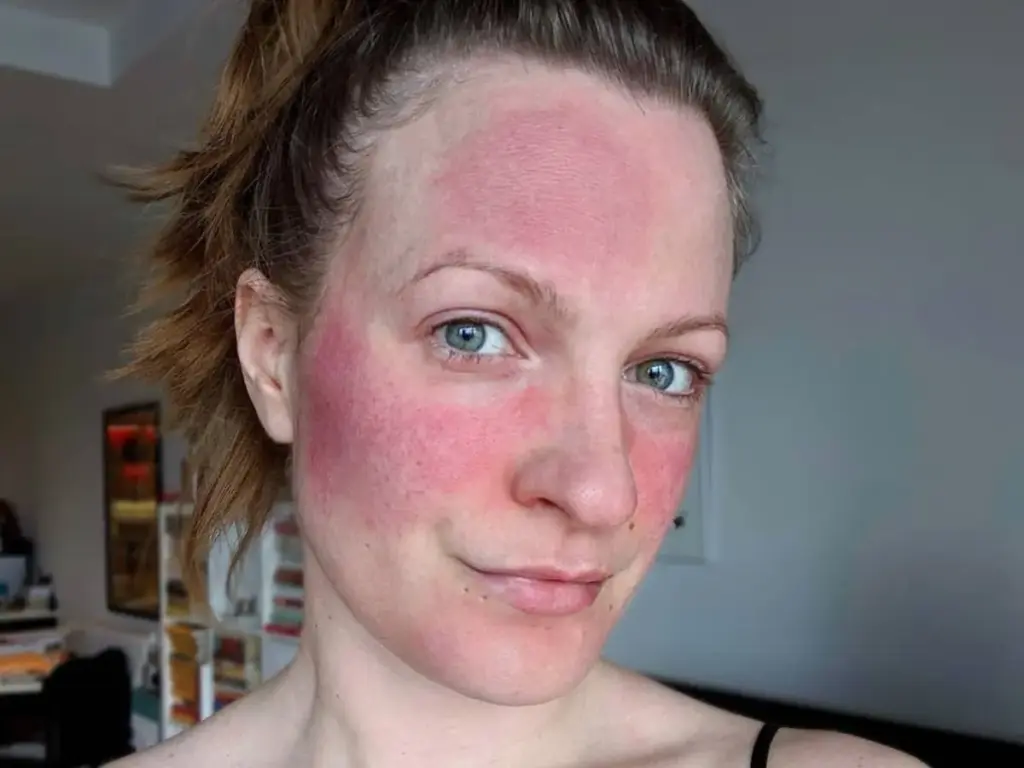
For millions worldwide, the mirror does not merely reflect an image; it often presents a daily negotiation with chronic inflammation, unpredictable flare-ups, and an array of visible symptoms that can deeply impact psychological well-being. Rosacea, a prevalent yet frequently misunderstood inflammatory skin condition, affects an estimated 5.5% of the global adult population. Characterized by persistent facial erythema, flushing, telangiectasia (visible blood vessels), and papulopustular lesions mimicking acne, the condition spans far beyond simple cosmetic annoyance.
Historically marginalized as a minor dermatological quirk or mistakenly associated with lifestyle choices such as excessive alcohol consumption, modern medicine recognizes rosacea as a complex, multi-factorial vascular and inflammatory disorder. While there is currently no absolute cure, contemporary dermatology offers an expanding arsenal of treatments—ranging from specialized topical formulations and oral medications to advanced laser therapies and targeted skincare regimens.
This comprehensive report explores the lived experience of managing rosacea, examines the clinical realities behind its triggers and sub-types, outlines evidence-based therapeutic interventions, and advocates for a cultural normalization of atypical skin in both public and professional spheres.
Detailed Chronology: From Unexplained Flushes to Clinical Clarity
The trajectory of a rosacea patient often begins long before a formal diagnosis is ever rendered. For many, the earliest memories involve unexplained episodes of intense facial flushing during formative years.
The Formative Years: Confusion and Misattribution
In classrooms and on sports fields, individuals who would later be diagnosed with rosacea frequently recall being singled out—not by malice, but by the undeniable crimson hue of their cheeks and neck. Simple activities like physical education classes, transitions between cold outdoor air and heated indoor environments, or moments of public speaking routinely triggered intense, uncomfortable flushing.
Because familial traits often normalize such physical responses—with parents or siblings exhibiting similar "ruddy" complexions—many young people assume their flush is simply a harmless genetic quirk. During university years, social environments introduce further complications. Late-night outings, consumption of alcohol, or the simple act of rushing to a lecture hall can provoke a physical cascade: a rapid spike in body temperature, a distinct pulsing sensation in the facial arteries, and an overwhelming wave of heat.
The Diagnostic Turning Point
In the absence of early guidance, patients often navigate their symptoms without a structured skincare routine, frequently misinterpreting flare-ups as temporary allergic reactions, contact dermatitis, or standard adolescent blemishes. The diagnostic appointment itself can prove jarring. For many, entering a clinical practice expecting a simple, short-term remedy for an assumed infection results in a sobering declaration from a physician: "It’s rosacea, and there is no cure."
In decades past, particularly around the turn of the millennium, receiving such a diagnosis often felt remarkably isolating. The early 2000s predated the widespread democratization of dermatological education on social media. Patients left clinical consultations clutching prescriptions for potent topical gels that occasionally caused severe burning sensations, exacerbating rather than alleviating the underlying inflammation. Lacking accessible peer-to-peer networks or centralized digital support communities, early sufferers relied heavily on fragmented internet forums, slowly piecing together personal trigger logs through trial and error over many years.
Supporting Context & Metrics: Unpacking the Anatomy of Rosacea
To effectively manage rosacea, one must first understand its complex biological framework. According to leading dermatologists, rosacea is fundamentally a chronic inflammatory condition that predominantly manifests in individuals during their thirties and beyond, with a higher statistical prevalence among those with lighter skin phototypes (though patients of color are equally susceptible and frequently face diagnostic delays).
Clinical Subtypes and Symptom Spectrum
Dermatological science categorizes rosacea into four primary subtypes, which frequently overlap in clinical presentation:
- Erythematotelangiectatic Rosacea (ETR): Characterized by persistent central facial redness, frequent flushing, and visible, dilated blood vessels (telangiectasia). Patients often report sensations of stinging or burning.
- Papulopustular Rosacea: Often mistaken for adult acne, this subtype features persistent redness accompanied by acne-like papules and pustules. Unlike traditional acne, however, comedones (blackheads and whiteheads) are absent.
- Phymatous Rosacea: A less common but severe form involving skin thickening and enlargement, most frequently affecting the nose (rhinophyma).
- Ocular Rosacea: Involves inflammation of the eyes and eyelids, leading to symptoms such as dryness, irritation, swollen eyelids, and a persistent sensation of foreign bodies in the eye.
Etiology and Multifunctional Triggers
The precise etiology of rosacea remains an active area of clinical research. Current medical consensus suggests a confluence of several contributing factors:
- Genetic Predisposition: A strong family history of flushing or severe facial redness.
- Vascular Dysregulation: Abnormalities in the facial blood vessels that cause them to dilate too easily and fail to constrict efficiently.
- Immunological Factors: Dysregulated innate immune responses, including abnormal antimicrobial peptide activity (such as cathelicidins).
- Microorganisms: An overgrowth of microscopic skin mites (Demodex folliculorum) and associated cutaneous bacteria.
- Environmental and Lifestyle Triggers: External and internal stimuli that provoke rapid vasodilation and inflammatory cascades.
Official Statements and Expert Perspectives
Prominent dermatologists emphasize that treating rosacea requires a holistic, patient-centric approach that addresses both the physical manifestations and the psychological burden of the condition.
Dr. Justine Kluk, a renowned consultant dermatologist, underscores the multifaceted nature of the disorder:
"Rosacea is so much more than just a red face. It involves a complex interplay of genetics, vascular anomalies, hormones, microorganisms, and lifestyle factors. Because it presents in various overlapping forms—from persistent redness and visible veins to papules, pustules, and skin thickening—management must be highly individualized."
When addressing the therapeutic toolkit available to modern clinicians, Dr. Kluk notes a significant evolution in medical options:
"For patients troubled by frequent flushing, medications traditionally utilized off-label, such as low-dose beta-blockers or clonidine, can help regulate vascular response. For redness and inflammatory lesions, topical agents containing azelaic acid, antibiotics like metronidazole, newer options like ivermectin cream, or vasoconstrictive brimonidine gel offer substantial relief. When topical and systemic measures reach their limit, vascular laser therapies provide exceptional efficacy in targeting persistent, visible blood vessels."
In tandem with medical interventions, experts stress the critical importance of trigger management. Common clinical catalysts identified by dermatological guidelines include:
- Environmental Exposures: Ultraviolet (UV) radiation, high winds, and extreme ambient temperature shifts.
- Physical Exertion: High-intensity workouts that raise core body temperature.
- Dietary Factors: Hot beverages, caffeinated drinks, alcohol (particularly red wine), and heavily spiced foods.
- Psychological Stress: Anxiety and emotional strain, which directly stimulate the autonomic nervous system and trigger facial flushing.
Therapeutic Frameworks: Modern Skincare and Clinical Interventions
Living successfully with rosacea requires a shift from aggressive, multi-step cosmetic routines toward minimalist, barrier-supportive skincare practices. Because compromised barrier function and concurrent conditions—such as seborrheic dermatitis—frequently accompany rosacea, product selection must be intentional and gentle.
The Minimalist Skincare Philosophy
Many individuals with rosacea find long-term success by adopting formulations originating from dermatological and pharmaceutical laboratories, particularly those designed for hyper-reactive, sensitive skin.
- Cleansing: The primary objective is the removal of impurities and makeup without stripping natural lipids or inducing thermal flushing. Non-foaming, lotion-like cleansers formulated with soothing thermal spring water are often preferred.
- Hydration and Barrier Repair: Ingredients such as hyaluronic acid, glycerin, and panthenol (Vitamin B5) help restore moisture balance and reinforce the compromised stratum corneum. Barrier-repair creams containing madecassoside and panthenol provide immediate relief from tightness and stinging.
- Targeted Actives with Caution: While anti-aging ingredients like retinoids offer significant cellular renewal benefits, their introduction must be managed with extreme care. Low-concentration, encapsulated retinol or alternative vitamin-A derivatives must be integrated slowly—perhaps only once or twice weekly—under a protective buffer of moisturizers to prevent excessive peeling, irritation, and secondary inflammatory flares.
Emergency Protocols for Acute Flare-Ups
During acute inflammatory episodes—when the facial skin feels hot, tight, and profoundly irritated—patients often rely on targeted emergency interventions:
- Anti-Itch and Cooling Sprays: Isotonic or hypertonic thermal mists designed to instantly calm neurogenic inflammation and pruritus.
- Refrigerated Hydro-Masks: Specialized soothing masks stored at low temperatures to physically constrict superficial blood vessels and reduce localized heat sensations.
- Occlusive Barrier Balms: Heavy, non-comedogenic repair balms applied overnight to lock in moisture and accelerate micro-tear healing within the skin barrier.
Future Outlook: Normalizing Atypical Skin
As public discourse surrounding skin health continues to mature, the cultural narrative around chronic conditions like rosacea is undergoing a profound transformation. The rise of digital advocacy platforms, patient-led blogs, and transparent social media discussions has dismantled the profound isolation experienced by earlier generations of patients.
Moving Beyond the Stigma
The central takeaway for modern patients is clear: a dermatological diagnosis does not equate to a mandate for self-concealment. While rosacea remains a lifelong condition requiring ongoing vigilance, dietary awareness, and tailored skincare, it is entirely manageable.
The broader beauty and wellness industries are slowly shifting away from impossible, airbrushed ideals toward an inclusive acceptance of atypical skin. By prioritizing skin health, barrier integrity, and mental well-being over superficial perfection, individuals with rosacea are reclaiming agency over their narratives. Ultimately, a chronic skin condition is merely a physical characteristic—it neither defines an individual’s worth nor dictates their capacity to live a vibrant, uninhibited life.