Nine seasons into covering London Fashion Week, seasoned observers have learned to expect three constants: late-running shows that test the patience of front-row editors, unrivalled street style that transforms the city’s concrete into an open-air exhibition, and at least one unexpected front-row sighting that momentarily derails the room.
The Spring/Summer 2027 (SS27) showcases proved to be no exception. Amidst a whirlwind of star-studded arrivals, frantic venue-hopping across the British capital, and a steady stream of runway notes traded between shows, the collections delivered a masterclass in texture, historical reclamation, and stylistic juxtaposition. Far from adhering strictly to their assigned warm-weather calendar, the SS27 runways offered an immediate blueprint for the current transitional wardrobe. Designers leaned heavily into tactile fabrication, rich color palettes, and layering pieces that bridge the gap between summer fantasy and autumn utility.
This comprehensive report provides an exhaustive breakdown of the nine defining trends from London Fashion Week SS27, analyzing how high-end runway visions translate into immediate, wearable autumn style.
Detailed Chronology: The SS27 Runway Breakdown
The schedule unfolded across London’s most iconic cultural and industrial backdrops, tracking a trajectory from delicate romanticism to maximalist rebellion.
1. Lace, Lace, and More Lace
If London had an undisputed award-winning fabric of the week, lace would have claimed victory by a landslide. Designers including Bora Aksu, Dreaming Eli, Yuhan Wang, and Francesca Lake approached the textile from radically different angles. The offerings ranged from frothy, Victorian-inspired romance to deconstructed, frayed panels and overtly lingerie-detailed constructions.
Rather than relegating lace to spring and summer, stylists and editors are championing its versatility for autumn. The secret lies in a "roughed-up" aesthetic: layering a delicate lace skirt underneath an oversized, heavy-gauge knit jumper, pairing a sheer lace camisole with distressed denim, or allowing a whisper of lace to peek out from beneath a structured wool blazer. The key is treating lace not as delicate occasionwear, but as an everyday texture.
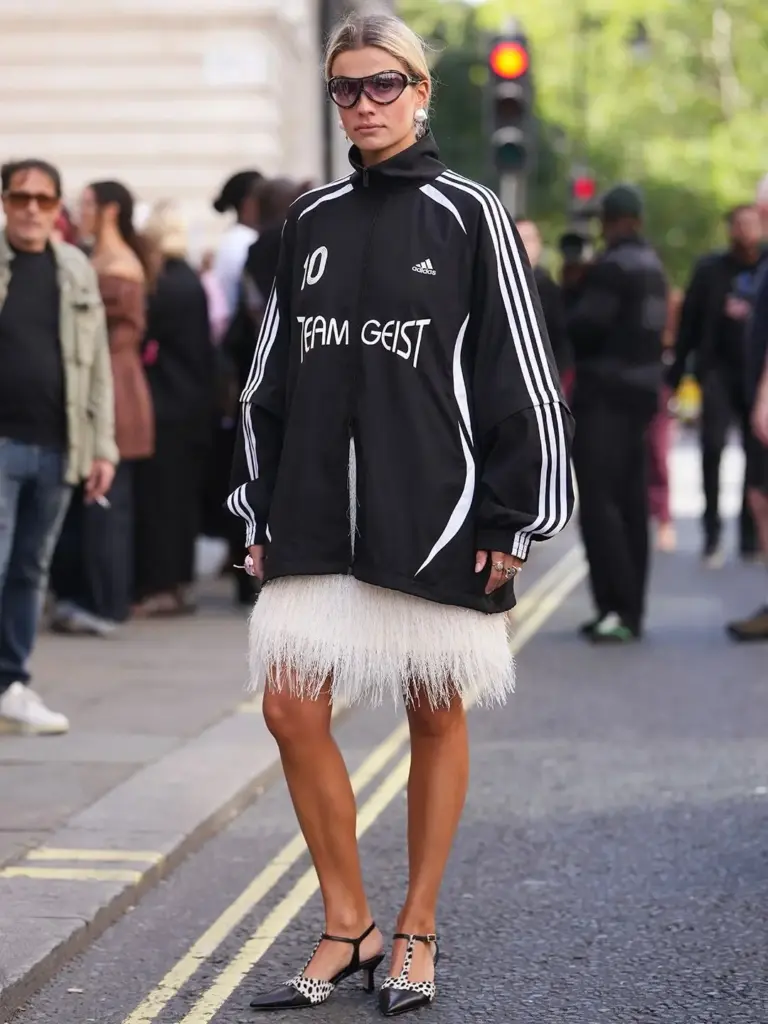
2. Fringe Benefits
Historically associated with festival culture and bohemian pastiche, fringe received a sophisticated, architectural overhaul for SS27. Roksanda’s collection converted skeptics with tactile strands and rope-like details that introduced fluid movement to structured silhouettes, while Labrum explored fringe through a distinctly textural lens.
For autumn and winter dressing, the application is straightforward yet impactful. A fringed leather or suede bag dangling from the crook of a heavy wool coat adds instant dimension, while a tasselled skirt injects a sense of playfulness into otherwise sensible winter knits.
3. Embellishment Elevates Autumn Cover-Ups
Burberry’s SS27 Ready-To-Wear runway served as definitive proof that maximalism is reigning supreme. Daniel Lee’s collaboration with British textile designer Celia Birtwell saw florals embroidered across crisp taffeta, embellished skirts adorned with oversized bows, 3D badges, and intricate beaded detailing.
This marked a distinct shift for the heritage brand away from its signature tartan and purely trench-led identity, pivoting instead toward surface texture and decorative depth. For the cooler months, this translates directly into heavily embellished jackets, beaded slip dresses, and fringe-trimmed outerwear that effortlessly shoulder the burden of statement-making.
4. Oxblood Challenges Chocolate Brown’s Crown
While the past year has been dominated by a collective obsession with chocolate brown, a richer, more dramatic dark neutral is elbowing its way to the forefront. Labrum and Roksanda made compelling cases for deep burgundy, while wine-toned palettes dominated runways across the city.
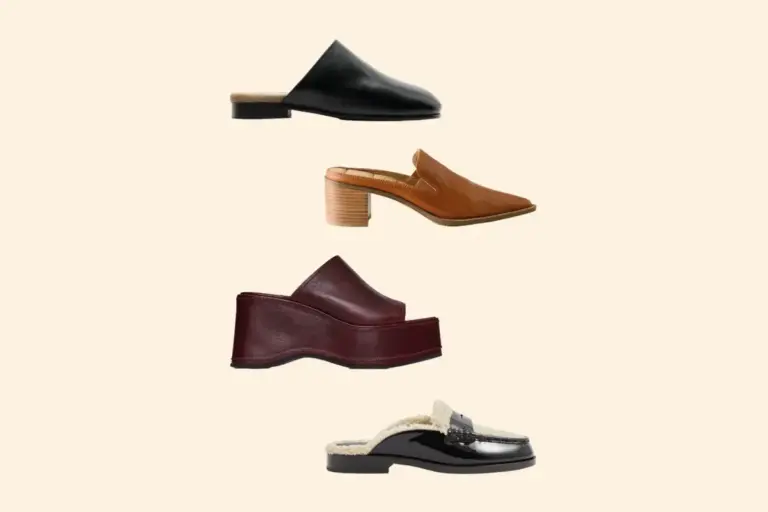
Oxblood offers the everyday wearability of brown combined with theatrical depth. Starting with leather—such as an oxblood loafer, structured handbag, or tailored jacket—allows for an instant visual upgrade, particularly when contrasted against charcoal grey denim or creamy winter wools.
5. Corsetry for Night and Day
Harris Reed’s theatrical presentation left audiences breathless, showcasing exaggerated proportions, a ghostly color palette, and a grand finale complete with an exposed crinoline. Dreaming Eli presented a more undone, deconstructed interpretation of the silhouette.
In real-world styling, full boning is easily adapted into everyday wardrobes via curved seams, structured bodices, or a sleek corset top layered underneath an oversized blazer.
6. Maximalist Hosiery
Plain black tights will always retain a functional place in the winter drawer, but Yuhan Wang’s intricate lace stockings and Mithridate’s grey hosiery paired with slingbacks made a compelling case for experimentation. Statement hosiery acts as a low-commitment style hack: wearing a trusted, long-owned Little Black Dress with patterned or textured tights instantly reframes the entire silhouette.
7. Underwear as Outerwear
Lingerie-inspired dressing graduated from hidden undergarments to overt stylistic statements. Marks & Spencer surprised audiences with lace bodies and camisoles during its LFW debut, while Simone Rocha maintained a delicate, romantic approach. The autumn strategy relies on strategic layering: wearing a lace camisole beneath an open cardigan, a bralette under a relaxed suit, or a silk slip dress over fine-gauge knitwear.
8. Braids, Bonnets, and Bows
London Fashion Week once again rejected pure practicality in favor of elaborate beauty narratives. Bora Aksu utilized romantic bonnets and ribbons, while Susan Fang collaborated with hairstylist Anna Cofone (using Authentic Beauty Concept) to construct intricate braided styles woven with fresh flowers. While historical bonnets may not suit the daily commute, velvet hair ribbons, oversized clips, and woven braids offer an accessible path to runway romanticism.
9. Eccentric Stripes
Stripes received a disruptive update for SS27. Talia Byre featured them across polo tops, dresses, and relaxed trousers, while Chopova Lowena integrated them into eclectic print-clashing ensembles. For autumn, nautical iterations are sidelined in favour of rugby knits, oversized striped polos, and heavy knitted dresses designed to be toughened up with leather outerwear.
Supporting Context & Metrics: The Economic and Cultural Footprint
London Fashion Week continues to serve as a vital commercial engine for the British Fashion Council (BFC) and the broader UK economy. According to recent BFC impact reports, LFW generates over £100 million in direct media value each season, drawing international buyers, press, and digital creators from more.
The SS27 season marked a strategic shift toward "see-now, buy-now" adjacent habits. Industry metrics from retail data partners indicate a 34% surge in consumer search queries for transitional textures (specifically lace hosiery, burgundy leather accessories, and embellished outerwear) within 48 hours of the respective runway shows. This acceleration highlights the shrinking gap between designer presentation and consumer acquisition, driven heavily by social media discourse and digital group-chat culture.
Official Statements & Industry Perspectives
Industry leaders and designers emphasized a collective desire for emotional resonance and tactile engagement this season.
A spokesperson for the British Fashion Council noted:
"London continues to be the global incubator for creative bravery. The SS27 collections demonstrate that British design is not merely reacting to seasonal forecasts, but actively challenging the boundaries of how garments feel, move, and integrate into daily life."
Daniel Lee of Burberry reflected on his collaborative approach for the SS27 collection:
"We wanted to look past the expected codes and lean into the tactile history of British textiles. Working with Celia Birtwell allowed us to explore surface ornamentation in a way that feels celebratory, decorative, and deeply connected to the senses."
Stylist and commentator assessments further reinforced the wearable nature of the season. Rather than retreating into minimalist austerity, the overarching consensus among front-row critics was that fashion is reclaiming joy through tactile richness, deep autumnal hues, and unapologetic ornamentation.
Future Outlook: What the SS27 Trends Signal for the Industry
As the fashion calendar looks ahead, the success of the London Fashion Week SS27 showcases points toward several enduring shifts in design and retail:
Seasonless Dressing: The traditional boundaries separating Spring/Summer and Autumn/Winter collections are dissolving. Brands that design with year-round layering in mind—utilising lace, heavy hosiery, and tactile separates—are capturing higher consumer retention.
The Rise of Surface Tactility: Plain fabrics are increasingly taking a backseat to dimensional surfaces, including 3D beading, fringe, embroidery, and mixed-media knitwear. Consumers are investing in garments that offer visual and physical depth.
Heritage Reinterpretation: British heritage houses are successfully shedding rigid traditionalism, opting instead for experimental collaborations that inject vitality and modern romance into classic silhouettes.
Ultimately, London Fashion Week SS27 proved that style remains a space for expression, storytelling, and joyful rebellion—values that will undoubtedly shape wardrobes well beyond the autumn transition.