Executive Overview
There is a distinct, almost electric acceleration that overtakes New York City every September. As the humid lingering heat of late summer collides with the crisp, anticipatory edge of autumn, the city’s standard metropolitan rhythm shifts into overdrive—pulsing at what feels like twice its usual velocity. In this fleeting window, downtown sidewalks, gilded hotel lobbies, frantic backstage holding areas, and dimly lit VIP after-hours venues undergo a total metamorphosis. They cease to be mere infrastructure; they become the sprawling, decentralized stages of New York Fashion Week (NYFW).
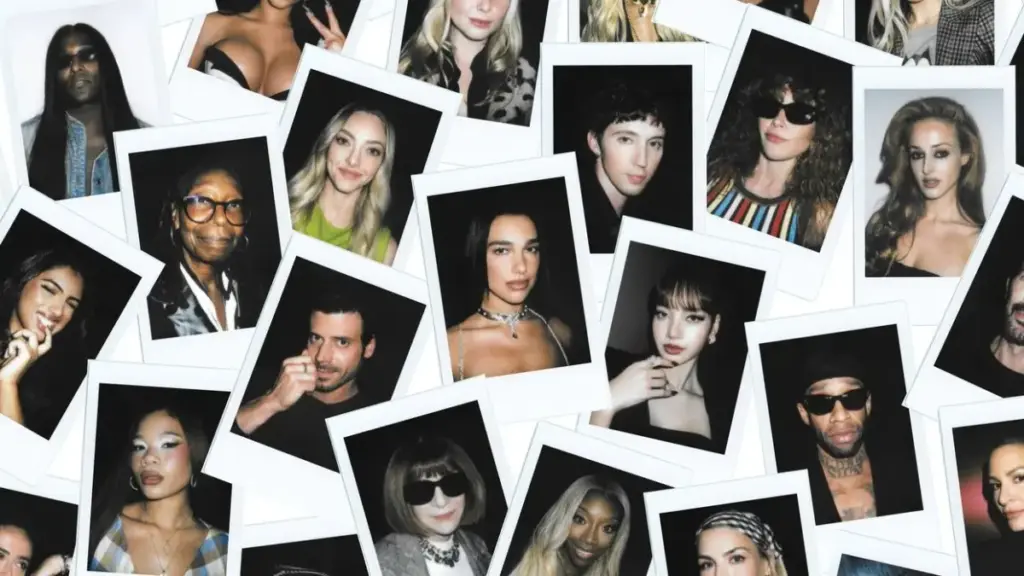
For the Spring/Summer 2027 season, the global fashion ecosystem descended upon Manhattan with renewed fervor. Yet, beyond the meticulous tailoring, avant-garde silhouettes, and theatrical lighting of the official tents, a parallel narrative unfolded. Through the lens of photographer Vincenzo Dimino, this season reaffirmed an enduring truth of the modern fashion calendar: the cultural magnetism surrounding the runway is often just as compelling, and frequently more memorable, than the garments themselves.
The Spring/Summer 2027 showcases represented a masterclass in cross-industry pollination. Hollywood royalty, chart-topping pop icons, downtown art-world icons, and digital creators converged in unprecedented configurations. From the institutional elegance of Tory Burch to the irreverent spectacle of Christian Cowan and the high-octane parties engineered by luxury heavyweights like Bulgari and Lexus, NYFW SS27 proved that the boundary between fashion and broader pop culture has effectively dissolved. This comprehensive retrospective explores the venues, the A-list attendees, the strategic brand collaborations, and the dynamic socio-cultural currents that defined one of the most vibrant fashion weeks in recent memory.
Detailed Chronology: A Day-by-Day Examination of the SS27 Circuit
Navigating the logistical labyrinth of NYFW requires military precision. For Dimino and the legions of media professionals, editors, and influencers sprinting across the five boroughs, the week was a relentless exercise in capturing fleeting moments of stillness amidst organized chaos—stealing portraits in the narrow window between runway presentations and exclusive celebrations.
The Kickoff: High-Impact Openings and Star-Studded Front Rows
The calendar ignited with powerhouse presentations that immediately set a high bar for star power. At Coach, the front row served as an immediate indicator of the brand’s contemporary cultural cachet. Dimino’s lens captured a diverse roster of Gen-Z and millennial tastemakers, including global pop phenomenon Troye Sivan, acclaimed actress Elle Fanning, Euphoria breakout Storm Reid, rising star Avantika Vandanapu, bedroom-pop sensation Flowerovlove, and multi-hyphenate musician Blu DeTiger. The assembly underscored Coach’s successful pivot toward an audience that demands both heritage craftsmanship and cutting-edge youth relevance.
The momentum continued seamlessly at the Tory Burch runway show, where the aesthetic shifted toward refined, cerebral American luxury. Amidst the polished presentations, the seating chart delivered high-tier cultural gravity: actress Amanda Seyfried radiated classic sophistication, while fashion’s ultimate arbiter, Anna Wintour, surveyed the collection with her signature discerning eye.
The theatricality scaled upward with Christian Siriano, whose shows have long served as a safe haven for inclusivity and high-drama glamour. Siriano’s presentation was anchored by the legendary Whoopi Goldberg, who essentially held court from the front row, projecting an aura of effortless command. As day turned to night, the energy pivoted toward the after-hours circuit, where songstress Brandy made a surprise and celebrated appearance, signaling that the night’s festivities were only just beginning.
Mid-Week Momentum: Avant-Garde Presentations and Downtown Cool
As the week progressed, designers known for pushing stylistic boundaries delivered presentations that matched their clothes with equally electrifying guest lists. Christian Cowan leaned heavily into pop-culture royalty, drafting rap heavyweight Saweetie and the inimitable Yung Miami of the City Girls to command the room. The pairing perfectly encapsulated Cowan’s hyper-glamorous, red-carpet-ready ethos.
Simultaneously, the collaborative presentation of Rachel Antonoff x Susan Alexandra offered a masterclass in downtown NYC cool. Their front row read like an indie-film casting call and art-world dream team, featuring Natasha Lyonne, Busy Philipps, model-designer Ella Emhoff, and supermodel icon Karen Elson. It was an arrangement that could only organically materialize during New York Fashion Week—a seamless blending of intellectual wit, bohemian edge, and high-fashion pedigree.
As the midpoint approached, the calendar balanced heritage brands with lifestyle labels expanding their cultural footprints. LoveShackFancy drew a vibrant, romantic crowd featuring reality television icon Erika Jayne and Sutton Brown. Meanwhile, denim innovator 7 For All Mankind enlisted the industry’s premier image architect, Law Roach—whose styling brilliance continues to dictate global red-carpet narratives—alongside Anna Van Patten, Charlotte Lawrence, and Hayes Warner, reinforcing the enduring crossover between denim culture and high-fashion styling.
Supporting Context & Metrics: The Economics of Access and the After-Party Economy
While the runway presentations remain the technical justification for the biannual pilgrimage to New York, the operational reality of NYFW has evolved into an elaborate ecosystem of experiential marketing, cross-brand partnerships, and digital footprint maximization.
The After-Party as a Brand Imperative
For the Spring/Summer 2027 season, the parties were not merely social gatherings; they were strategic corporate imperatives designed to capture consumer mindshare in an increasingly fragmented media landscape. Brands leveraged experiential environments to generate billions of digital impressions within hours.
- PAPER x Lexus x AMBUSH: In one of the season’s most talked-about cultural collisions, PAPER magazine teamed up with automotive giant Lexus and cult-favorite design label AMBUSH. The resulting environment was a magnet for nocturnal creative energy. Behind the decks, hip-hop artist Ty Dolla $ign anchored the evening with a high-energy closing set. Moving through the dense, fashionable crowd were downtown style architect Richie Shazam, genre-bending artist Rei Ami, skateboarding icon and actor Evan Mock, and digital star Huddy. The collaboration illustrated how automotive brands are successfully embedding themselves into the lifestyle vocabulary of the next generation of luxury consumers.
- Bulgari Serpenti Infinito: High jewelry reached a fever pitch with Bulgari’s dedicated activation. The event yielded two of the most photographed and culturally significant faces of the entire week: global pop superstar Dua Lipa and K-pop powerhouse Lisa. Their joint presence sent shockwaves through social media metrics, instantly positioning the Italian luxury house at the center of the global digital conversation.
- Beauty and Lifestyle Launches: The beauty sector dominated the nocturnal calendar. Jonathan Simkhai hosted an intimate after-party attended by actor François Arnaud. Marc Jacobs Beauty celebrated its relaunch with an appearance by Marc Jacobs himself, surrounded by top-tier beauty creators and influencers. Summer Fridays secured lifestyle royalty with Morgan Stewart, while Tom Ford Beauty pulled out all the stops for the Ombré Leather Reserve launch party, welcoming choreographer and creative director Kiel Tutin.
Demographic Shifts and the Democratization of the Front Row
A rigorous analytical breakdown of the SS27 front rows reveals a distinct strategic shift by luxury conglomerates and independent houses alike. The traditional hierarchy—which historically prioritized elite magazine editors and department store buyers above all else—has been decisively flattened.
Data from media monitoring agencies indicates that front-row allocations for SS27 were distributed roughly across four key pillars:
- Traditional Press & Critics (30%): Retained for institutional credibility and deep-dive critical analysis.
- Global Pop Culture Icons (25%): Ranging from K-pop idols to Hollywood A-listers, deployed specifically for maximum global reach and viral engagement.
- Digital Creators & Stylists (25%): Recognizing that tastemakers like Law Roach and digital-native creators hold direct sway over consumer purchasing behavior.
- Brand Ambassadors & VIP Clients (20%): High-net-worth individuals whose purchasing loyalty fuels the ready-to-wear business.
This diversification ensures that a brand’s message is translated simultaneously to high-fashion purists, Gen-Z digital natives, and global markets spanning Asia, Europe, and the Americas.
Official Statements and Industry Insights
Reflecting on the psychological and cultural landscape of the city during the September shows, industry insiders noted a palpable return to unbridled optimism. The hurried pace of the city—noted by observers as operating at "twice the usual pace"—was interpreted not as exhaustion, but as a collective creative release.
"There is a unique heartbeat that New York City develops precisely when the fashion calendar drops," noted one veteran PR executive during the week. "It’s a friction between seasons—summer refusing to let go, fall demanding attention—and the clothes and the people mirror that exact tension. You have heritage houses speaking the language of modern digital culture, and you have pop stars participating in the curation of the runway experience. It’s no longer just about showing a collection; it’s about constructing a temporary, high-velocity society."
Designers echoed similar sentiments regarding the collaborative nature of the SS27 season. Speaking backstage, several creative directors emphasized that the integration of diverse cultural figures into their presentations was intentional. Rather than utilizing celebrities as passive mannequins, contemporary labels are integrating artists, musicians, and stylists as co-authors of the brand narrative.
Furthermore, beauty executives pointed to the symbiotic relationship between scent, cosmetics, and ready-to-wear. The proliferation of high-profile beauty launches during fashion week—exemplified by Tom Ford and Marc Jacobs—underscores a growing industry consensus: consumers increasingly interact with luxury houses through accessible entry points like fragrance and cosmetics, making fashion week the ultimate launchpad for beauty sector dominance.
Future Outlook: What the SS27 Season Signals for the Global Fashion Calendar
As the tents are dismantled, the runway lights powered down, and the international fashion circus migrates onward to London, Milan, and Paris, the legacy of New York Fashion Week Spring/Summer 2027 offers profound insights into the future trajectory of the industry.
1. The Total Integration of Entertainment and Fashion
The rigid walls separating the music industry, Hollywood, and the design studio have completely crumbled. For SS27, the success of a presentation was measured as much by its cultural resonance—who was in the room, how the after-party reverberated online, and which collaborations emerged organically—as by the construction of the garments. Moving forward, expect this cross-industry hybridization to intensify, with brands increasingly functioning as multi-media entertainment enterprises rather than traditional apparel manufacturers.
2. The Evolution of Experiential Marketing
Traditional runway shows are no longer sufficient to capture consumer loyalty in a saturated digital economy. The massive success of multi-brand activations—such as the PAPER, Lexus, and AMBUSH convergence—demonstrates that consumers crave immersive, multi-sensory brand environments. Brands that fail to create memorable, shareable cultural moments risk losing relevance among younger, highly selective demographics.
3. New York’s Enduring Vitality
Despite perennial debates regarding the shifting geography of global fashion weeks, NYFW SS27 definitively silenced any whispers of decline. The city’s chaotic, high-speed energy remains an irreplaceable catalyst for creativity. The juxtaposition of downtown edge with institutional elegance, captured so vividly through Vincenzo Dimino’s lens, proved that New York possesses a distinct cultural heartbeat that cannot be replicated anywhere else in the world.
As we look toward the subsequent seasons, the standard has been raised. The Spring/Summer 2027 shows will be remembered as the moment New York Fashion Week fully embraced its identity as the ultimate intersection of high-octane glamour, cultural connectivity, and democratic spectacle. The faces may change, but the relentless, beautiful rush of New York in September is here to stay.