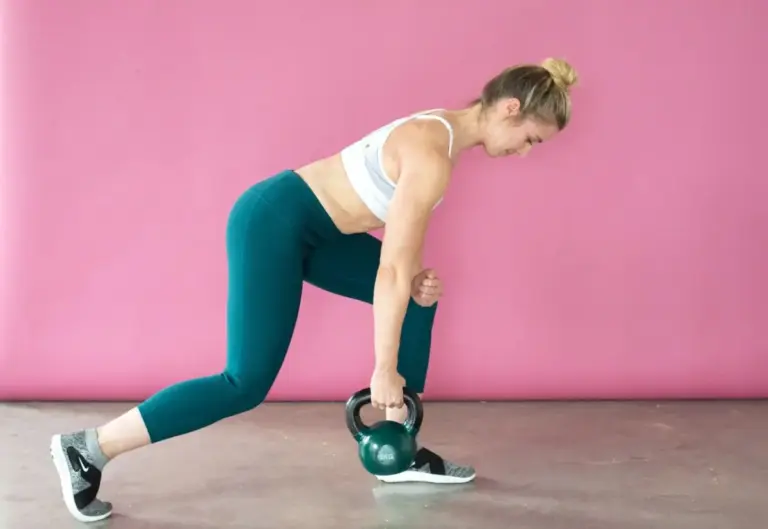
Executive Overview
In the modern landscape of desk-bound professions, long commutes, and evening relaxation spent slouching on the couch, back pain has quietly escalated into a ubiquitous public health issue. Millions of adults accept chronic lower back stiffness as an inevitable byproduct of aging or career demands. However, leading medical professionals argue that much of this physical distress is entirely preventable.
Dr. Colin Haines, a nationally recognized spine surgeon practicing at the Virginia Spine Institute (VSI) in Reston, Virginia, would prefer that patients never have to visit his operating table. Recognized as a Castle Connolly Top Doctor—placing him among the top 7% of physicians nationwide—and distinguished as a pioneer who performed the world’s first combined endoscopic and robot-guided spine surgery, Dr. Haines spends his days treating severe spinal pathologies. Yet, his primary philosophy centers on proactive prevention rather than surgical intervention.
According to Dr. Haines, the root cause of many debilitating back injuries traces back to a deceptively simple culprit: a sedentary lifestyle that erodes core stability. Without a robust muscular brace to absorb daily mechanical loads, the spine’s delicate discs and joints bear the brunt of everyday movements. This comprehensive report explores Dr. Haines’ definitive guide to safeguarding spinal health, breaking down the mechanics of injury, the cumulative dangers of prolonged sitting, and actionable, daily strategies to future-proof your back.
Detailed Chronology: The Evolution of Modern Spinal Stress
To understand why contemporary populations suffer from unprecedented rates of back pain, one must examine how human posture and activity levels have shifted over the past century.
The Shift Toward Sedentary Living
Historically, human anatomy evolved for dynamic, varied movement. Agricultural labor, hunting, gathering, and general manual tasks required constant engagement of the posterior chain and core stabilizers. Fast forward to the 21st century, and the average adult trajectory has transformed dramatically:
- Morning: Waking up, sitting down for breakfast.
- Commute: Sitting in a vehicle or public transit for 30 to 90 minutes.
- Workday: Sitting at an ergonomic desk for 8 to 10 hours, punctuated only by brief walks to the coffee machine or restroom.
- Evening: Sitting during the return commute, followed by several hours of passive recreation seated or lying on a couch.
The Cumulative Toll on Spinal Discs
Dr. Haines notes that he regularly treats patients who spend 10 to 12 hours a day seated. This prolonged immobility is not a neutral state for the human body; it is a state of sustained mechanical stress.
When a person sits for extended periods—especially with slumping postures that flatten the natural lumbar curve—the intervertebral discs experience continuous, one-directional pressure. Over time, this pressure compromises the structural integrity of the disc walls and starves surrounding tissues of the fluid exchange that occurs during active movement. Simultaneously, the core and gluteal muscles, designed to act as dynamic stabilizers, enter a state of disuse atrophy.
When an individual with an unconditioned core attempts a sudden physical task—such as lifting a heavy box, pulling a suitcase from a car trunk, or even picking up a toddler—the compromised stabilization system fails to protect the spine. The result is often sudden, severe back pain, muscle spasms, or a herniated disc, marking the transition from subtle, chronic lifestyle degradation to acute medical crisis.
Supporting Context & Metrics: The Anatomy of Back Injury
Back pain is not merely a localized inconvenience; it is a leading cause of global disability and economic loss. To grasp the significance of Dr. Haines’ preventative protocols, it is essential to examine the physiological mechanics of spinal vulnerability.
1. The Mechanics of Improper Lifting
Lifting heavy objects incorrectly is a primary catalyst for acute back injuries. Dr. Haines emphasizes that this risk is not confined to heavy athletics in the gym; it permeates everyday domestic and occupational life.
When an individual bends forward from the waist to lift an object, rather than hinging at the hips and bending the knees, the biomechanical load on the lumbar spine multiplies exponentially due to the leverage effect. If that lift is compounded by spinal rotation (twisting while holding a heavy load), the outer fibers of the intervertebral discs (the annulus fibrosus) are subjected to concurrent shear and compressive forces. This exact movement pattern is frequently cited as the tipping point for disc herniations, where the gel-like center of the disc (nucleus pulposus) pushes through weakened outer rings, impinging on nearby nerve roots.
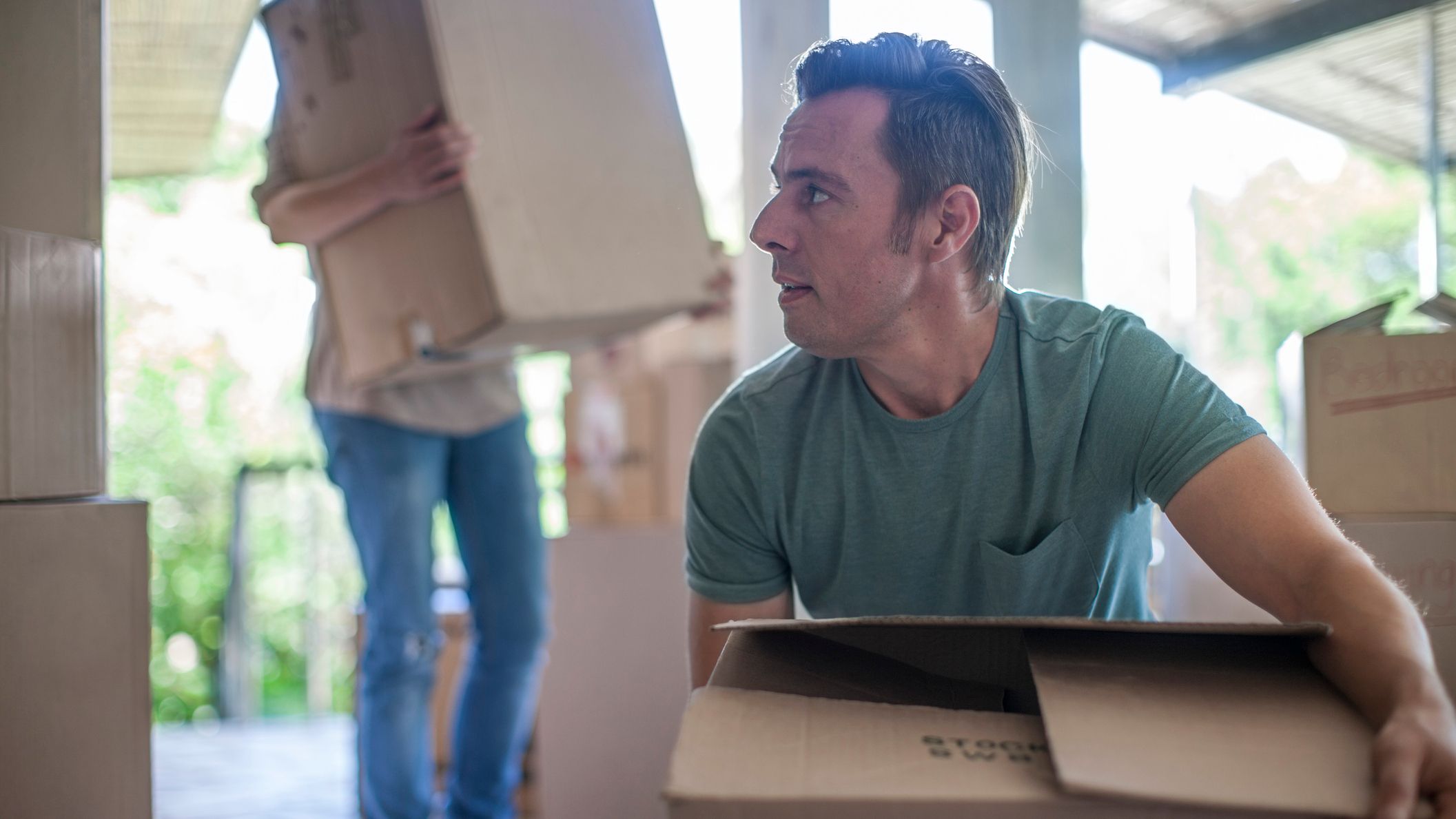
2. Core Stability as a Natural Back Brace
The human spine is a relatively unstable column on its own, relying heavily on a complex network of surrounding musculature to maintain alignment under load. This muscular corset includes the transverse abdominis, internal and external obliques, rectus abdominis, erector spinae, and the multifidus muscles.
When engaged, these muscles create intra-abdominal pressure and tension that effectively offloads the spine, distributing mechanical stress across the entire torso rather than focusing it on a single lumbar vertebra or disc. A sedentary lifestyle causes these vital stabilizing tissues to weaken, creating a systemic vulnerability that leaves the skeleton unprotected against everyday physical demands.
Official Expert Guidance: Dr. Colin Haines’ Three Pillars of Spinal Health
To combat the rising tide of preventable back injuries, Dr. Haines outlines three fundamental pillars that individuals can seamlessly integrate into their daily routines.
Pillar 1: Master Proper Lifting Mechanics
Mindful lifting is essential for preventing both acute injuries and chronic wear-and-tear. Whether you are moving furniture, lifting groceries, or picking up a child, proper technique safeguards the spine:
- Avoid the Waist Bend: Never lift by rounding your back and hinging solely at the waist. This places direct, hazardous shear stress on the lumbar discs.
- Eliminate Twisting Under Load: Never combine forward bending with spinal rotation while holding a heavy object. If you need to change directions while carrying something, move your feet to pivot your entire body rather than twisting your torso.
- Engage the Hips and Knees: Utilize a proper squat or hip-hinge mechanic, keeping the load close to your center of gravity to minimize mechanical leverage against your lower back.
Pillar 2: Break Up Sedentary Periods with Active Movement
Because the human body is not engineered for 10-to-12-hour sitting stints, mitigating the cumulative strain of immobility requires intentional, frequent movement integration:
- The 30-Minute Rule: Stand up at least once every 30 minutes. Take a brief, one-to-two-minute walk down the hallway to restore blood flow and decompress the spine.
- Targeted Cervical Stretches: To counteract the forward-head posture common at computer workstations, Dr. Haines recommends slow neck circles, pausing for 10 seconds at each directional extreme (left, right, up, and down) to relieve tension in the cervical spine.
- Ergonomic Alignment: Ensure that computer screens are positioned strictly at eye level. Looking down at a laptop or smartphone for hours places immense, avoidable strain on the cervical vertebrae and surrounding musculature.
Pillar 3: Commit to Consistent, Brief Core Strengthening
You do not need to spend hours in a gymnasium or endure grueling, high-intensity bootcamps to protect your back. Consistency vastly outperforms intensity when building spinal resilience:
- Daily Micro-Workouts: Dedicating just 10 to 15 minutes each day to targeted core-strengthening exercises (such as planks, bird-dogs, dead bugs, and gentle pelvic tilts) is significantly more effective for long-term spine health than an occasional, punishing weekend workout.
- Postural Integration: Cultivate constant body awareness throughout the day, drawing your shoulders back and engaging your deep abdominal stabilizers while sitting or standing.
Future Outlook: Redefining Workplace Ergonomics and Personal Wellness
As the modern workforce continues to embrace hybrid and remote models, the boundaries between professional workspaces and domestic environments are blurring. While remote work offers flexibility, it often exposes individuals to substandard ergonomic setups—such as working from kitchen counters, couches, or unsupportive dining chairs.
Medical experts anticipate that without a collective shift toward proactive spinal care, the incidence of chronic back pain and degenerative disc disease will continue to affect younger demographics. However, the solutions outlined by specialists like Dr. Haines offer a clear roadmap for reversing this trend.
By embedding movement snacks into the workday, revolutionizing how we approach everyday lifting tasks, and treating core conditioning as an essential daily hygiene practice rather than an optional aesthetic pursuit, individuals can drastically reduce their lifetime risk of debilitating back injury. The ultimate goal of modern spine specialists is not merely to perform advanced robotic surgeries with precision, but to empower patients through education so that they never need to lie on a treatment table in the first place.
About Expert Dr. Colin Haines
Dr. Colin Haines is a nationally recognized, board-certified spine surgeon practicing at the Virginia Spine Institute (VSI) in Reston, Virginia. Renowned for his clinical excellence and surgical innovation, Dr. Haines was honored with the prestigious Castle Connolly Top Doctor award, placing him among the elite top 7% of physicians nationwide.
Beyond his recognition as one of the few recognized experts in Bertolotti syndrome within the United States, Dr. Haines remains at the absolute cutting edge of medical technology, having performed the world’s first combined endoscopic and robot-guided spine surgery. His dual commitment to pioneering surgical innovation and advocating for accessible, preventative lifestyle medicine makes him a leading voice in contemporary spinal healthcare.