Executive Overview
For individuals who pride themselves on decisiveness—those who navigate high-stakes professional meetings, financial investments, and complex interpersonal dynamics with ease—the moment of truth in a nail salon can induce an unexpected paralysis. Faced with a wall of hundreds of glass bottles displaying micro-nuances of color, even the most resolute minds falter. Should one opt for Barbie-Pink or Vanilla Chrome? Is the current mood suited for a Lipgloss finish, or does the occasion call for a Milk Bath manicure?
While a trip to the nail salon hardly ranks among life’s most catastrophic dilemmas, the psychological phenomenon of post-manicure regret is a universal modern experience. The sheer volume of choice, combined with an ever-evolving landscape of micro-trends, can transform a routine self-care appointment into an exercise in decision fatigue.
The complexity lies in the variables. Does an Aperol-orange shade complement a warm undertone, or will it wash out the complexion? Does a French fade look sophisticated on short nails, or is it exclusively reserved for dramatic almond-shaped extensions? And perhaps most pressingly: how does one coordinate a manicure with a rotating, multi-seasonal wardrobe?
To untangle this aesthetic dilemma and eliminate the guesswork from your next salon visit, we consulted renowned nail artist Ami Streets. Drawing upon professional expertise and color theory, we have curated the definitive guide to the nine nail polish shades that transcend seasons, clash with no outfits, and universally complement every skin tone.
Detailed Chronology: The Evolution of the "Go-To" Neutral and Trend Cycles
To understand why choosing a nail color has become so demanding, one must look at how the beauty industry has transformed the manicure from a basic grooming ritual into a high-fashion accessory.
The Era of Flat Creams (Pre-2010s)
Historically, the nail polish market was binary. Consumers generally chose between opaque reds, French manicures, or safe, flat neutrals. Trends shifted slowly, aligned with seasonal fashion weeks in New York, London, Milan, and Paris. Decision fatigue was minimal because options were structurally limited.
The Rise of Nail Art and Social Media (2010–2020)
The proliferation of platforms like Instagram and Pinterest democratized nail art, turning independent manicurists into global influencers. Suddenly, nails were no longer just an afterthought; they were content. Techniques like gel extensions, acrylic sculpting, and intricate nail art meant that changing one’s nails was akin to changing a permanent wardrobe piece. The pressure to select a color that would photograph well, last for three weeks, and match every impending outfit introduced a new era of aesthetic anxiety.
The Modern Micro-Trend Phenomenon (2020–Present)
Today, trend cycles do not move seasonally—they move weekly. Coined terms like "glazed donut nails," "milk bath," "syrup nails," and "vanilla chrome" dominate digital spaces. Consumers are flooded with hyper-specific aesthetic identities. The paradox of choice reached its peak: with infinite inspiration available at the swipe of a thumb, committing to a single bottle of polish feels increasingly momentous.
Supporting Context & Metrics: The Science of Color Harmony and Decision Fatigue
Why do certain colors induce buyer’s remorse while others feel effortlessly right? The answer lies at the intersection of color theory, skin undertones, and psychological friction.
1. The Undertone Equation
The human eye perceives color contextually. A nail polish that looks stunning in the bottle may clash violently against the wearer’s skin due to underlying blue, yellow, or neutral undertones. According to professional color theory utilized in high-end salons:
- Cool Undertones: Skin with pink, red, or bluish hints pairs best with blue-based reds, icy pastels, and stark neutrals.
- Warm Undertones: Skin with golden, peachy, or yellow hints thrives alongside orange-based reds, earthy taupes, and warm chromes.
- Neutral Undertones: Those blessed with a balance of both can often cross boundaries, but universally flattering shades act as a safety net.
2. The Psychology of Decision Fatigue
Coined by social psychologist Roy F. Baumeister, decision fatigue refers to the deteriorating quality of decisions made by an individual after a long session of decision-making. By the time a client sits in the salon chair—often after a grueling workday—their cognitive reserves are depleted. When confronted with a massive array of hues, the brain experiences cognitive overload, leading either to impulsive choices (and subsequent regret) or total paralysis.
Official Expert Guidance: The 9 Ultimate Shades That Go With Everything
To bypass the cognitive overload of the salon, nail artist Ami Streets breaks down the nine essential shades that eliminate guesswork. These colors have been vetted for their versatility, timelessness, and universal adaptability.
1. Milky Light Blue
"This gorgeous, light blue color is inspired by the ‘milky manicure’ trend," explains Streets. By blending a soft pastel blue with a translucent, creamy white base, the result is an ethereal finish that behaves like the denim of the nail world.
- Why it works: While traditionally viewed as a quintessential summer shade, its muted, milky quality adds a cool, crisp contrast to the darker, heavier sartorial palettes of winter. It acts as a neutral pop of color that never screams for attention.
2. Vibrant Red
The undisputed heavyweight champion of the manicure world. London-based nail artist Julia Diogo champions red as the ultimate year-round power move. "Red infuses your manicure and pedicure with luminosity and works across all four seasons," Streets notes.
- The Pro-Tip: The secret to making red universal lies in selecting the right undertone for your complexion. Blue-based reds (like cherry or ruby) flatter fair, cool skin, while orange-based reds (like tomato or vermillion) illuminate warmer and olive complexions.
3. Lilac
Often pigeonholed as a strictly spring-exclusive pastel, lilac possesses a hidden superpower. "Surprisingly, lilac flatters every single skin tone," Streets reveals. Playful yet sophisticated, variations of this hue—ranging from hyper-reflective "Digital Lavender" to sheer "Milky Lavender"—have dominated runways and feeds alike.
- Why it works: Lilac bridges the gap between neutral and chromatic. It introduces a whimsical splash of color without clashing with bold patterns or earthy wardrobes.
4. Earthy Taupe
For those who lean toward minimalism, earthy taupe is the ultimate sophisticated chameleon. It serves as a bridge between gray and brown, offering a modern, grounded alternative to stark nudes.
- The Pro-Tip: Use taupe as a baseline to explore related earth tones tailored to your personal aesthetic, such as olive green, moss, or rust. "A darker shade like chocolate brown adds depth," Streets explains, "while taupe feels effortlessly chic and modern." It also serves as an ideal base for negative-space nail art.
5. Black-Red (Oxblood / Vampy Red)
Occupying the sophisticated threshold between pitch-black and vibrant crimson, this deep, opulent red carries legendary status.
- Why it works: Though historically relegated to autumn and winter collections, dark red truly comes alive in direct sunlight. "Opulent, dark red tones give nails a high-end, elegant finish," says Streets. Having graced classic cinema, haute couture runways, and generations of salon chairs, it remains a timeless choice because it provides dramatic contrast without washing out the hand.
6. Sheer Pink
For the purists who prefer an understated, immaculate aesthetic, sheer pink is the perennial gold standard.
- Why it works: "Nude tones make nails look polished and refined," notes Streets. "The subtle hint of pink enhances the natural undertones of the nail bed and masks any imperfections." The result is a healthy, glass-like shine that requires zero maintenance coordination with your wardrobe. (Note: Achieving this exact translucent effect often requires up to three thin coats).
7. Jet Black
For those willing to embrace a touch of rebellion, pitch black is a permanent fixture in the modern style lexicon.
- Why it works: "Black polish is eternally on-trend and instantly injects your look with high-fashion drama," Streets advises. To keep the look modern and chic rather than costume-like, she recommends wearing jet black on shorter, neatly manicured nails.
8. Iridescent Pastel
For clients who want depth without the commitment of heavy glitters or aggressive chromes, shimmering pastels offer a refined middle ground.
- Why it works: "Polishes with a metallic or pearlescent finish complement any outfit and offer more depth than standard cremes without being overly loud," Streets explains. Ideal for minimalists, these soft, light-reflecting shades represent the sophisticated evolution of traditional chrome and frost finishes.
9. Cloud Gray
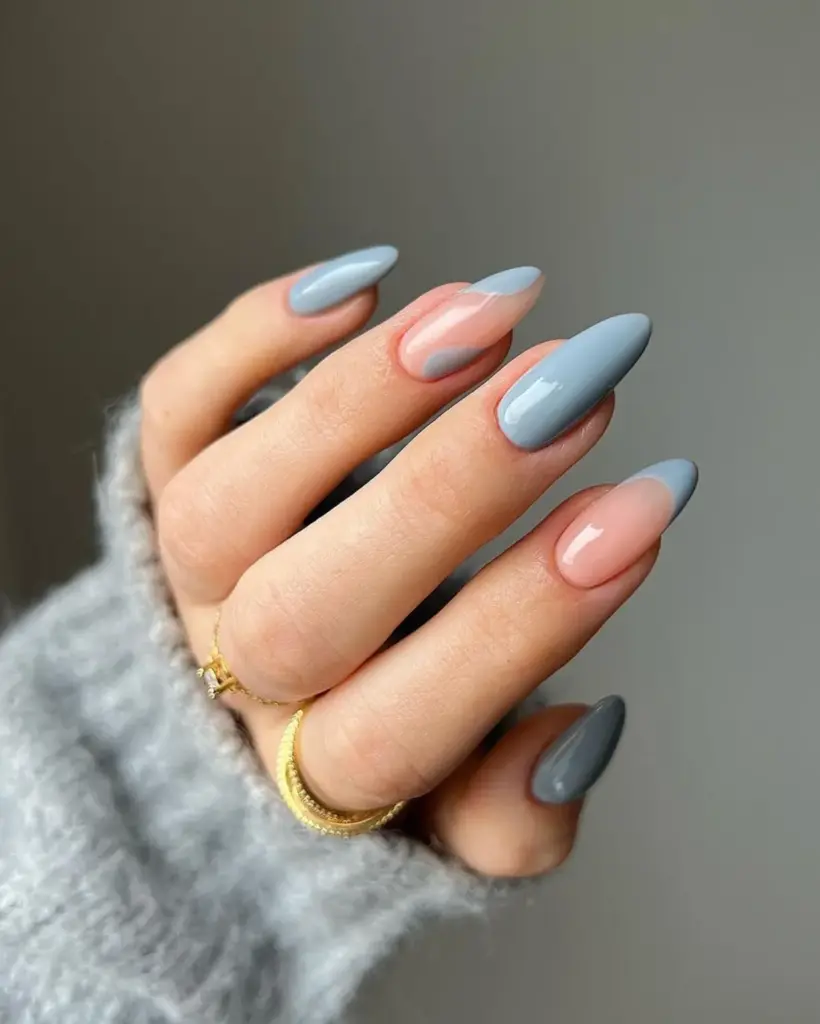
The newest contender in modern neutrals, cloud gray mimics the soft, diffused appearance of atmospheric mist, particularly when layered in semi-translucent applications.
- Why it works: It offers a clean, architectural alternative to beige and white. Its cool, calming undertones make it exceptionally versatile, transitioning seamlessly from professional boardrooms to casual weekend wear.
Future Outlook: The Intersection of AI, Personalization, and Nail Care
As the beauty industry continues to merge technology with self-care, the anxiety of choosing a manicure color may soon become a relic of the past.
Emerging innovations point toward hyper-personalized salon experiences. Augmented Reality (AR) mirrors in high-end nail salons are already beginning to allow clients to "try on" digital swatches of polishes—including complex finishes like vanilla chrome and milk bath—directly onto live-rendered images of their hands. Furthermore, advancements in AI-driven skin-undertone analysis tools promise to instantly diagnose whether a client’s complexion pairs better with a blue-based red or an orange-based taupe before a single bottle is opened.
Yet, despite these technological leaps, the fundamental desire for effortless elegance remains unchanged. Whether you lean toward the timeless safety of sheer pink or the moody drama of jet black, understanding the principles of color versatility ensures that your next salon visit will conclude not with regret, but with absolute confidence.