Executive Overview
Duncan Sheik, the Grammy-nominated singer-songwriter and Tony Award-winning composer whose work seamlessly bridged the gap between 1990s alternative pop-rock and modern musical theater, has died at the age of 56. His passing, confirmed by his family to have been caused by organ failure, marks the end of a transformative career that reshaped the soundscape of American Broadway in the early 21st century.
Sheik first captured international attention with his 1996 breakthrough pop single "Barely Breathing," a mid-tempo anthem of heartbreak that spent over a year on the Billboard charts. However, his most enduring cultural legacy was forged a decade later on the Broadway stage. As the composer behind the landmark 2006 rock musical Spring Awakening, Sheik, alongside lyricist Steven Sater, modernized Frank Wedekind’s controversial 1891 German play about teenage angst, sexuality, and rebellion into an explosive, award-winning masterpiece.
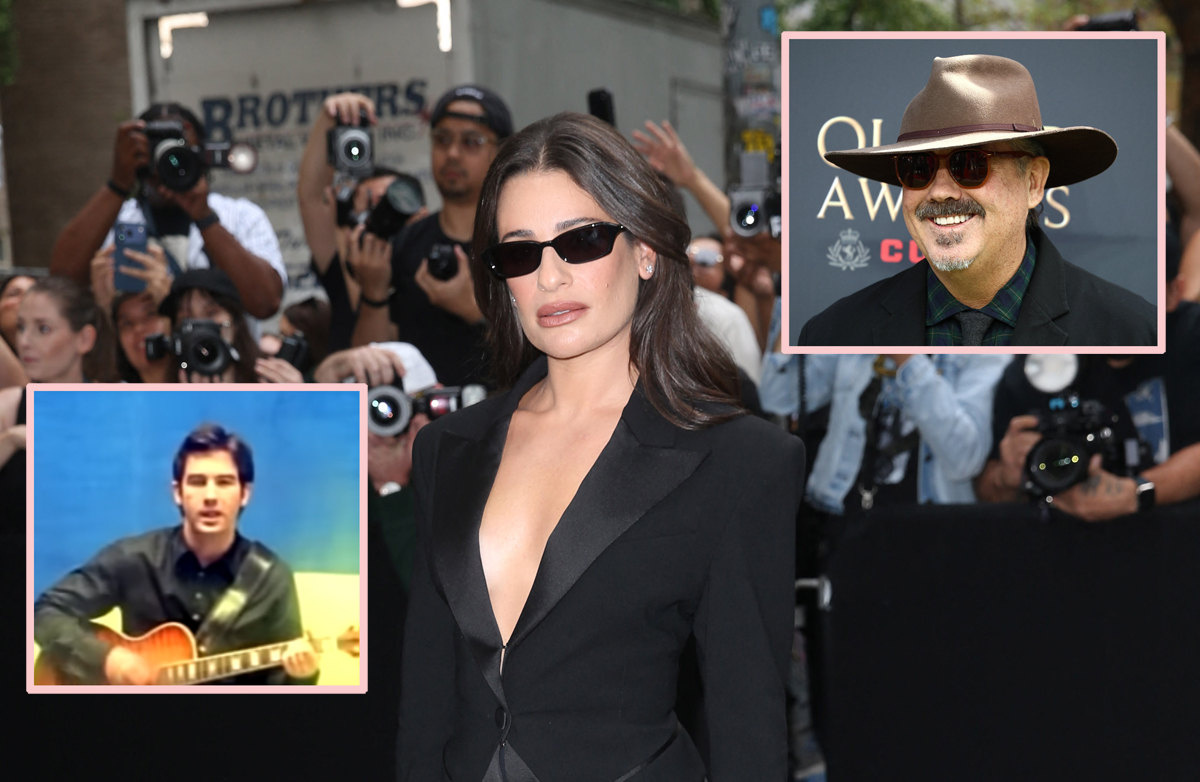
Following news of his death, an outpouring of grief and tribute flooded social media and the theatrical community. Prominent figures whose careers were launched or altered by Sheik’s compositions—including Glee star Lea Michele and Pitch Perfect actor Skylar Astin—expressed profound sorrow, praising Sheik for his mentorship, artistic integrity, and generational influence.
                          DUNCAN SHEIK: CAREER HIGHLIGHTS
┌──────────────────────────────────────────────────────────────────────────────┐
│  1996: "Barely Breathing" released; spends 55 weeks on Billboard Hot 100     │
│  1998: Earns Grammy nomination for Best Male Pop Vocal Performance           │
│  2006: "Spring Awakening" debuts on Broadway after nearly a decade of dev.   │
│  2007: Wins 2 Tony Awards (Best Original Score, Best Orchestrations)         │
│  2008: Wins Grammy Award for Best Musical Show Album                         │
│  2015: "American Psycho" musical debuts on Broadway                          │
└──────────────────────────────────────────────────────────────────────────────┘
Detailed Chronology: From Alt-Rock Stardom to Broadway Reinvention
The Pop Breakthrough (1996–1999)
Born in Montclair, New Jersey, and raised in New Jersey and South Carolina, Sheik studied semiotics at Brown University while honing his skills as a multi-instrumentalist and songwriter. In 1996, he released his self-titled debut album on Atlantic Records. Powered by the soaring, introspective single "Barely Breathing," the record catapulted Sheik into national prominence. The track spent 55 consecutive weeks on the Billboard Hot 100—one of the longest chart runs in Billboard history at the time—and earned him a Grammy nomination for Best Male Pop Vocal Performance in 1998.
Despite the commercial success of his pop career, which included subsequent acclaimed solo albums such as Humming (1998) and Phantom Moon (2001), Sheik grew increasingly restless within the confines of traditional mainstream pop music.
+-----------------------------------------------------------------------------+
|               "BARELY BREATHING" BILLBOARD CHART PERFORMANCE                |
|                                                                             |
|  Peak Position: #11                                                         |
|  Total Weeks on Hot 100: 55 Weeks                                           |
|  Legacy: Ranked among the longest-charting singles of the 1990s             |
+-----------------------------------------------------------------------------+
Genesis of a Broadway Phenomenon (1999–2006)
In the late 1990s, Sheik met poet and playwright Steven Sater through a shared practice of Nichiren Buddhism. The pair began collaborating on a musical adaptation of Frank Wedekind’s 1891 expressionist play Frühlings Erwachen (Spring Awakening). The source material—a tragic exploration of adolescent sexuality, academic pressure, censorship, and suicide in late 19th-century Germany—offered an unconventional canvas for Sheik’s folk-rock and electronic musical sensibilities.
For nearly seven years, Sheik and Sater developed the project through workshops, readings, and off-Off-Broadway stagings. The show made its off-Broadway debut at the Atlantic Theater Company in the summer of 2006 before transferring to Broadway’s Eugene O’Neill Theatre in December of that year.
Spring Awakening became a critical and commercial phenomenon. By pairing late-19th-century period costumes with modern, alternative-rock interior monologues where characters pulled wired microphones from their blazers, Sheik introduced a bold visual and sonic vocabulary to musical theater. The production launched the careers of an extraordinary young ensemble cast, including Lea Michele, Jonathan Groff, Skylar Astin, John Gallagher Jr., and Gideon Glick.
Later Career and Theatrical Canon (2007–2026)
Following the success of Spring Awakening, which swept the 2007 Tony Awards, Sheik solidified his role as one of Broadway’s most creative contemporary composers. He continued to release solo acoustic and ambient electronic records while crafting musical scores for diverse theatrical projects:
- 2010: Whisper House, a haunting ghost story set in a World War II lighthouse.
- 2013/2016: American Psycho, an adaptation of Bret Easton Ellis’s satirical novel, featuring an electronic, synth-pop heavy score that premiered in London before moving to Broadway.
- 2019: Alice by Heart, a reimagining of Alice in Wonderland set during the London Blitz of World War II, reuniting Sheik with Steven Sater.
- 2020: Bob & Carol & Ted & Alice, an off-Broadway musical adaptation of Paul Mazursky’s 1969 film.
Throughout his career, Sheik maintained a reputation as an artist who refused to bow to conventional theatrical tropes, consistently integrating indie-rock textures, complex synth arrangements, and delicate, melancholic acoustic guitar work into the narrative fabric of stage performance.
Supporting Context & Key Industry Metrics
Sheik’s impact can be measured across both commercial music metrics and critical theatrical accolades. His crossover success bridged two distinct industries that rarely overlap so seamlessly.
Commercial and Critical Achievements
| Category | Work | Achievement / Metric |
|---|---|---|
| Billboard Hot 100 | "Barely Breathing" (1996) | Peak Position: #11 (55 total weeks on chart) |
| Grammy Awards | "Barely Breathing" (1998) | Nomination: Best Male Pop Vocal Performance |
| Tony Awards | Spring Awakening (2007) | Won: Best Original Score |
| Tony Awards | Spring Awakening (2007) | Won: Best Orchestrations |
| Grammy Awards | Spring Awakening (2008) | Won: Best Musical Show Album |
| Olivier Awards | Spring Awakening (2010 London) | Nominated: Best New Musical |
| Broadway Revival | Spring Awakening (2015) | Deaf West Theatre production nominated for 3 Tonys |
A Musical Paradigm Shift
Prior to Spring Awakening, contemporary rock musicals often leaned on classic rock idioms or theatrical pop pastiche. Sheik brought authentic late-1990s and early-2000s indie-folk and alternative sensibilities—influenced by artists like Nick Drake, Talk Talk, and Radiohead—to the orchestra pit.
His orchestrations prominently featured string quartets alongside acoustic guitars, harmonium, and subtle electronic looping, establishing a new sonic template for youth-centric theater. Shows like Dear Evan Hansen, Next to Normal, and Hadestown would later build upon the stylistic doors Sheik opened.
Official Statements and Tributes
Family and Estate Announcement
News of Sheik’s passing broke following an official statement released on his social media channels confirming that the artist died peacefully, surrounded by loved ones.
"It is with profound sadness that we confirm the passing of Duncan Sheik. The world has lost a singular talent, and a deeply influential voice in music and theater. From his Grammy-nominated hit ‘Barely Breathing’ to his groundbreaking, Tony and Grammy Award-winning work on Spring Awakening, Duncan’s artistry touched many and leaves an indelible mark on the cultural landscape.
Duncan was a father, husband, son, brother, and friend. He will be remembered for his sensitivity, wit, intelligence, and depth of spirit he brought to those who knew and loved him. We are deeply grateful for the outpouring of love from his fans, friends, collaborators, and the artistic community. His musical legacy will continue to inspire generations to come. Duncan passed away last night surrounded by love."
His mother subsequently confirmed that the cause of death was organ failure. Sheik is survived by his wife, Nora Ariffin, his daughter, Ines, and extended family.
                  "Duncan’s artistry touched many and leaves
                 an indelible mark on the cultural landscape."
                                   — Official Family Statement
Lea Michele: A Voice Shaped from Youth
Lea Michele, who originated the lead role of Wendla Bergmann in Spring Awakening before achieving international stardom on Fox’s Glee, reflected on her decades-long bond with the composer. Sharing an archival photo on Instagram, Michele detailed how Sheik’s music served as the foundation of her early professional life:
"I met Duncan when I was 14 years old. I listened to a demo on tape of him singing songs from Spring Awakening outside of my middle school before my first audition. I’m at a loss for words. This one hurts and does not seem real. Thank you for everything you gave us. And for the time we had together. Sending all my love and prayers now to Nora, Ines, and Duncan’s family."
Michele’s performance of key Sheik ballads like "Mama Who Bore Me" and "Whispering" earned her critical acclaim and established her as one of Broadway’s defining young talents of her era.
                              LEA MICHELE TRIBUTE
 ┌──────────────────────────────────────────────────────────────────────────┐
 │ "I listened to a demo on tape of him singing songs from Spring           │
 │  Awakening outside of my middle school before my first audition...       │
 │  This one hurts and does not seem real."                                 │
 └──────────────────────────────────────────────────────────────────────────┘
Skylar Astin: Mentorship in Tribeca
Actor Skylar Astin, who originated the role of Georg Zirschnitz in the original Broadway company of Spring Awakening, shared an intimate reflection detailing Sheik’s generosity toward young performers:
"You had a profound impact on my life. There’s too much to put here. The memories I’ll cherish most are the ones in your Tribeca apartment. You treating me like an equal when I was just a kid. The way you would pop out a new song in an instant. The way you’d play it for us in rehearsal, and we’d all go ‘Sure, but how will we ever sound as cool as Duncan?’ You were who we aspired to be, and we carried your voice and your music as best we could. Love you friend. #notgone"
Astin’s tribute underscored a recurring theme in recollections of Sheik: his willingness to treat teenaged and young adult actors as true creative partners rather than mere vessels for his material.
Future Outlook and Enduring Cultural Legacy
Duncan Sheik’s death represents a major loss for both the theatrical community and the broader landscape of American popular music. However, his work remains active in the global performance repertoire.
Archival Preservation and Future Stagings
- Repertoires and Licensing: Spring Awakening remains one of the most frequently produced musicals worldwide among high schools, universities, and regional theaters, owing to its candid exploration of youth struggles and its accessible, rock-infused score.
- Theatrical Catalog: Works such as American Psycho and Alice by Heart continue to enjoy regional, off-West End, and international revivals, gaining new audiences through streaming recordings and regional theatrical companies.
- Educational Legacy: Sheik’s methodology—integrating indie-pop composition into complex theatrical storytelling—is now formally studied in musical theater composition programs across institutions like NYU Tisch, Berklee College of Music, and Juilliard.
                       THE DUNCAN SHEIK ARTISTIC LEGACY

   POP MUSIC DISRUPTOR                   THEATRICAL INNOVATOR
  ┌─────────────────────────────┐       ┌─────────────────────────────┐
  │ • Long-charting 90s singles │       │ • Modernized youth theater  │
  │ • Acoustic/electronic fusion│  ───> │ • Won Tonys for Score/Orch. │
  │ • Album-oriented artistry   │       │ • Bridged alt-rock & stage  │
  └─────────────────────────────┘       └─────────────────────────────┘
                                   │
                                   ▼
                       GENERATIONAL INFLUENCE
  ┌──────────────────────────────────────────────────────────────────┐
  │ Mentored modern stars (Michele, Groff, Astin) and established a  │
  │ structural blueprint for 21st-century rock and pop musicals.     │
  └──────────────────────────────────────────────────────────────────┘
By demonstrating that alternative radio soundscapes could exist on the legitimate stage without sacrificing dramatic depth or literary complexity, Sheik dismantled decades-old barriers between pop culture and traditional theater. His compositions live on as a vital bridge between two artistic worlds.