Executive Overview
While the beauty industry frequently captures headlines with ultra-luxury, high-priced launches and exclusive prestige formulations, a seismic shift is quietly transforming consumer habits from the ground up. Recent market analytics data compiled by Spate focusing on Amazon’s top-selling face moisturizers highlights a definitive trend: budget-friendly, drugstore-priced, and dermatologist-vetted products are commanding the lion’s share of consumer wallets.
Far from being relegated to a routine "afterthought," facial moisturizers are now the cornerstone of meticulously curated home-care regimens. The data demonstrates that modern consumers—armed with deep ingredient literacy, peer reviews, and viral digital recommendations—are increasingly bypassing exorbitant luxury price points in favor of scientifically backed, highly accessible staples. Furthermore, the data underscores a fascinating duopoly in consumer preference: legacy French pharmacy and American drugstore mainstays reign supreme, yet they are closely trailed by innovative Korean beauty (K-beauty) formulas that are rapidly rewriting the rules of topical hydration.
This comprehensive report examines the underlying drivers of this consumer shift, analyzes the specific top-performing products dominating the digital marketplace, and provides an authoritative breakdown of the economic and psychological shifts defining contemporary skincare.
Detailed Chronology: The Evolution of Digital Skincare Purchases
The meteoric rise of affordable skincare dominance on platforms like Amazon did not happen overnight. It is the culmination of a multi-year evolution characterized by shifting consumer accessibility, the democratization of dermatological education, and the hyper-acceleration of social commerce.
Phase One: The Rise of Ingredient Literacy (2018–2020)
For decades, the luxury beauty sector maintained a tight grip on consumers by gatekeeping "efficacious" ingredients. High-end brands marketed proprietary complexes that justified $100+ price tags. However, the late 2010s marked a turning point. Brands like The Ordinary and CeraVe popularized transparent, single-ingredient-forward marketing. Consumers began learning the biochemical functions of ceramides, hyaluronic acid, and niacinamide. As shoppers realized that a drugstore cream could offer the exact same lipid-barrier support as a department store jar, the prestige monopoly began to fracture.
Phase Two: The E-Commerce Dominance and Pandemic Shift (2020–2022)
Global supply chain disruptions and shifting retail habits during the early 2020s forced consumers online. Amazon emerged as a centralized hub not just for household goods, but for prestige and drugstore beauty alike. Brands that traditionally relied on brick-and-mortar pharmacy shelves optimized their digital storefronts, making fast, reliable delivery of clinical-grade skincare frictionless.
Phase Three: The K-Beauty Influx and Viral Formulations (2023–Present)
As digital platforms matured, social media algorithms supercharged the visibility of niche international formulations. K-beauty brands transitioned from niche specialty imports into mainstream e-commerce powerhouses. Ingredients once considered exotic or clinical—such as Centella Asiatica, polydeoxyribonucleotides (PDRN), and complex multi-molecular hyaluronic acids—suddenly became household terms. Today, August sales data highlights a mature market where legacy dermatological giants and cutting-edge K-beauty innovators share the digital podium.
Supporting Context & Metrics: The Anatomy of Top Sellers
To understand the scale of consumer demand, one must look at the specific metrics driving August sales on Amazon. The marketplace data showcases a distinct hierarchy of consumer priorities: barrier repair, ultra-gentle tolerance, and targeted hydration. Below is an exhaustive breakdown of the standout formulations leading the sales charts, ranked by estimated sales velocity from lowest to highest.
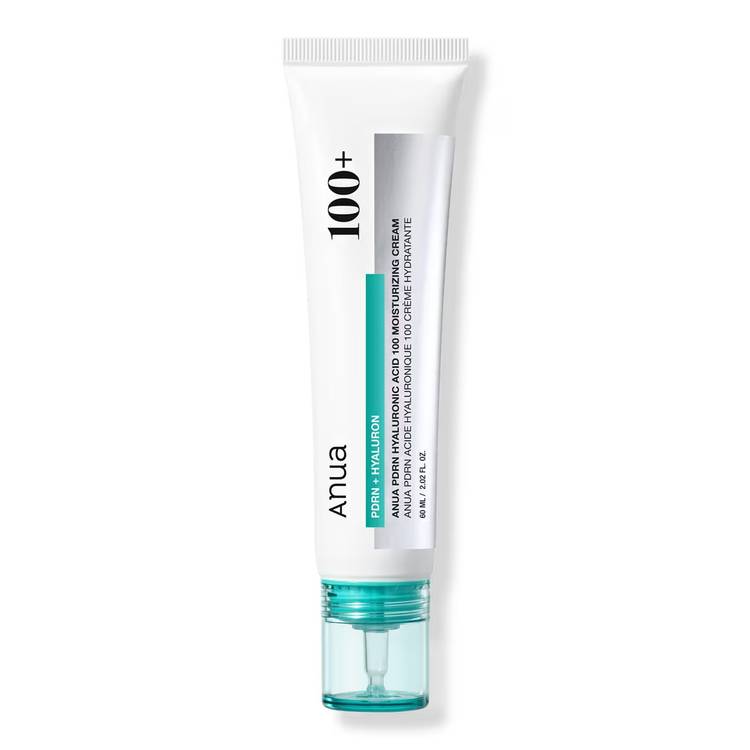
1. Anua PDRN Hyaluronic Acid 100+ Moisture Cream ($27)
- The Brand Appeal: Anua has emerged as one of the definitive K-beauty breakout success stories of the past two years.
- The Formulation: Powered by PDRN (an ingredient famously associated with viral regenerative treatments) and multi-depth hyaluronic acid, this cream addresses the consumer demand for bouncy, glass-like skin without heaviness.
- Performance: Its fast-absorbing, non-sticky finish makes it an ideal canvas for makeup application, preventing pilling while driving deep moisture into the skin barrier.
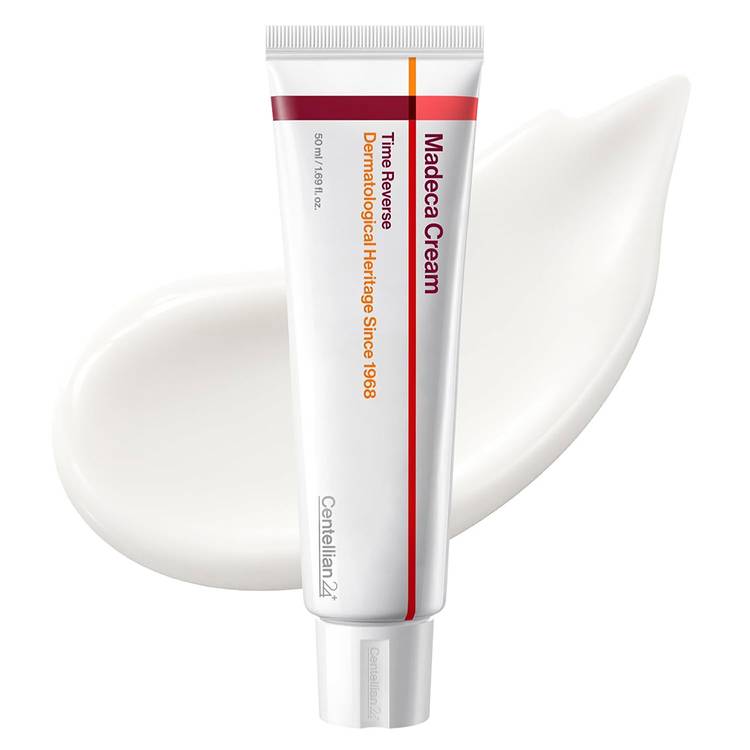
2. Centellian24 Madecca Cream ($31)
- The Brand Appeal: Tapping directly into the surging consumer interest in sensitive-skin-friendly and anti-aging hybrids, Centellian24 represents the pinnacle of botanical-clinical fusion.
- The Formulation: Built around a robust concentration of Centella Asiatica (Cica) extract, this cream is engineered to immediately soothe redness, calm reactive inflammation, and accelerate skin recovery.
- Performance: As urban pollution and harsh active-ingredient over-use leave many consumers dealing with compromised skin barriers, calming formulas like the Madecca Cream have seen exponential spikes in digital cart additions.
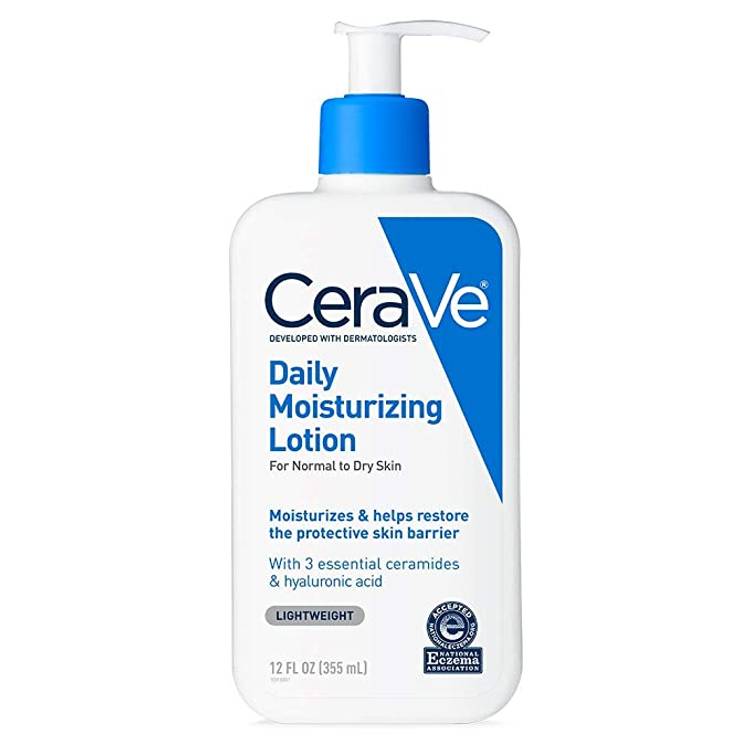
3. CeraVe Daily Moisturizing Lotion ($18)
- The Brand Appeal: A titan in the dermatological space, CeraVe commands multiple positions on the top-seller list, proving its ubiquity across demographic lines.
- The Formulation: Serving as the lightweight, fluid counterpart to the brand’s iconic heavy creams, this lotion delivers essential ceramides and hyaluronic acid in a fluid, fast-penetrating vehicle.
- Performance: Endorsed heavily by celebrities and digital creators alike (with high-profile figures frequently noting TikTok-inspired routines), it functions as an accessible, head-to-toe body and face hydrator that prioritizes uncompromised barrier health.
4. CeraVe PM Facial Moisturizing Lotion ($20)
- The Brand Appeal: Tailored specifically for the nocturnal recovery window, this targeted formulation addresses nighttime transepidermal water loss.
- The Formulation: Oil-free, non-comedogenic, and packed with soothing niacinamide alongside the brand’s signature ceramide triad.
- Performance: Consumers seeking hydration without heavy occlusives make this an overnight staple, particularly for acne-prone or combination skin types looking to avoid morning congestion.
5. Vanicream Daily Facial Moisturizer ($15)
- The Brand Appeal: Vanicream remains the gold standard for allergy-prone, hyper-sensitive, and reactive skin types.
- The Formulation: Meticulously formulated to exclude dyes, fragrances, lanolin, parabens, and formaldehyde releasers. It relies on clean, minimalist hydration powered by glycerin and ceramides.
- Performance: Recommended universally by dermatologists and allergists, its minimalist approach resonates with consumers suffering from contact dermatitis or skin sensitivity exacerbated by overly complex skincare regimens.
6. Simply Vital Collagen Retinol and Hyaluronic Acid Moisturizer ($24)
- The Brand Appeal: A true market dark horse, Simply Vital has outperformed legacy legacy brands despite having a fraction of historical brand recognition.
- The Formulation: Combining three powerhouse anti-aging components—collagen, retinol, and hyaluronic acid—into a single accessible jar.
- Performance: This multi-functional approach appeals to the efficiency-driven consumer looking to streamline anti-aging maintenance without purchasing three separate specialty serums.
7. Medicube Hyaluronic Ceramide Jelly Cream ($17)
- The Brand Appeal: Medicube’s second major entry rounds out the top tiers with a sensory-forward, textural triumph.
- The Formulation: Featuring a unique "jelly" matrix powered by 10 distinct types of hyaluronic acid, restorative ceramides, and brightening niacinamide.
- Performance: The product satisfies the modern consumer’s appetite for experiential skincare—delivering a cooling, dewy finish that plumps the skin instantly upon application.
Official Statements and Expert Perspectives
Dermatologists and cosmetic chemists agree that the market’s pivot toward affordable, science-first moisturizers represents a healthy maturation of the beauty consumer.
Dr. Howard Epstein, a prominent dermatological researcher, notes:
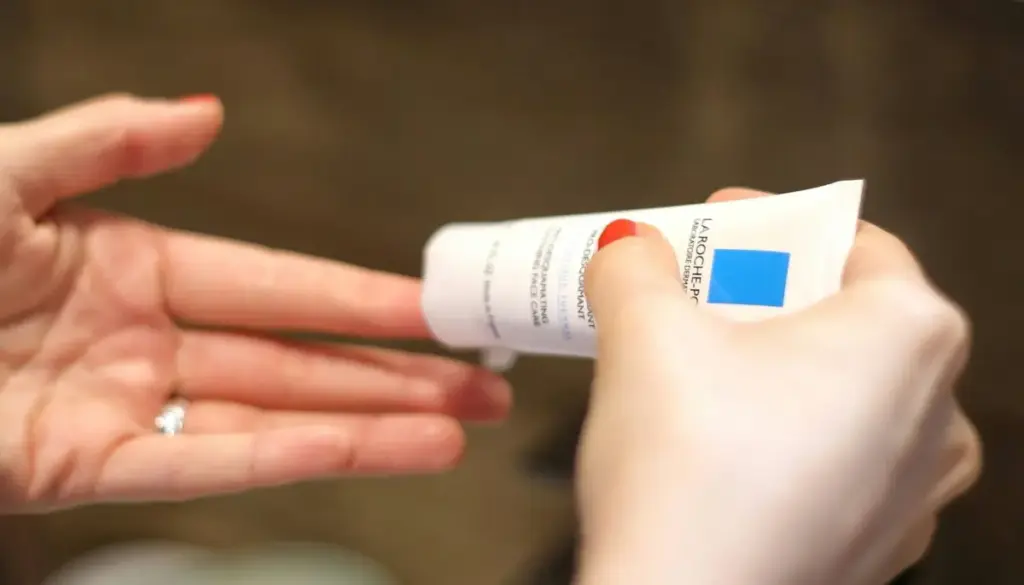
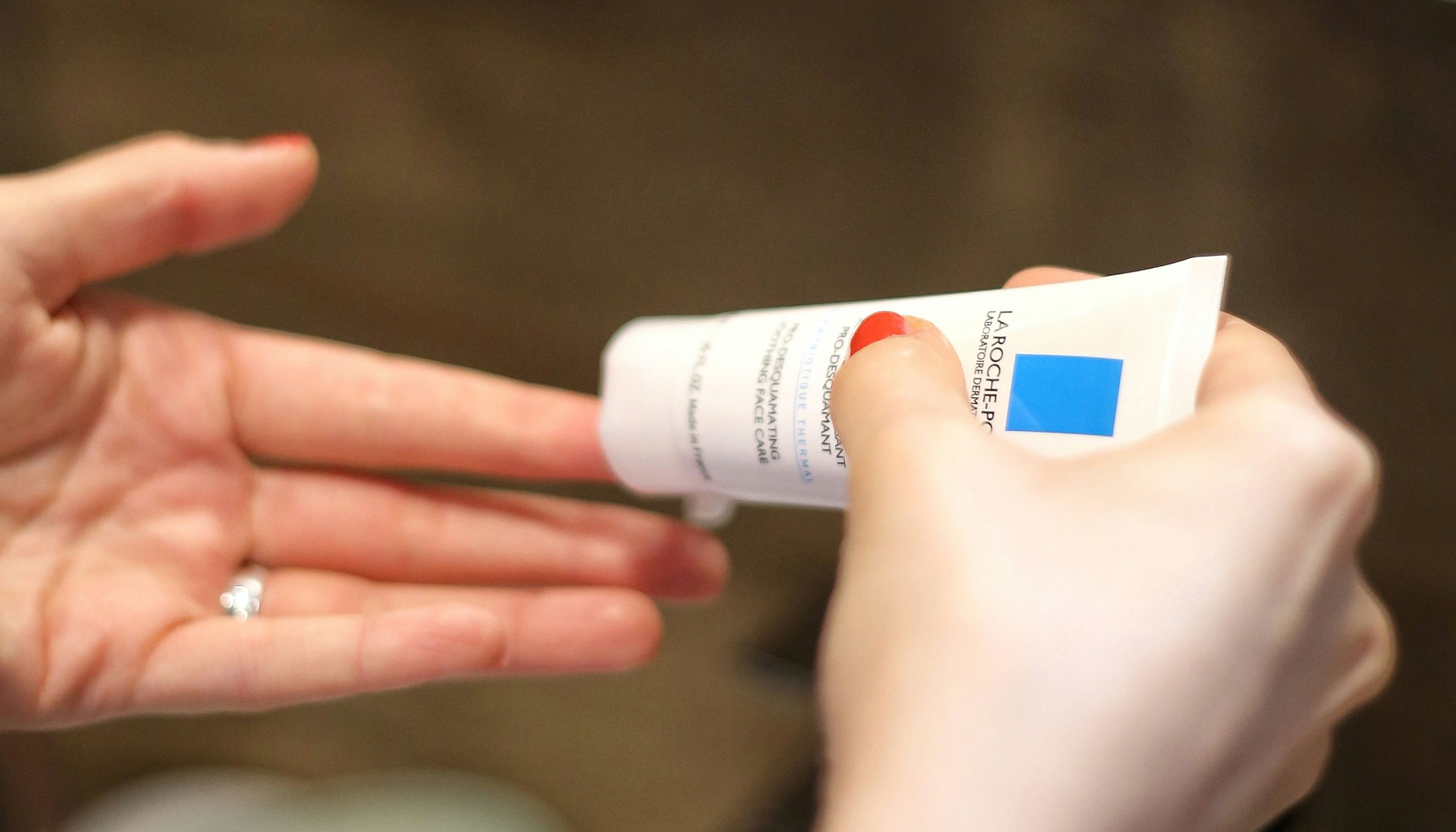
"For years, consumers were conditioned to believe that efficacy scaled linearly with price. The reality of formulation science is that foundational ingredients like ceramides, glycerin, and hyaluronic acid are chemically stable, highly effective, and entirely accessible. Brands like CeraVe, Vanicream, and La Roche-Posay succeed because they invest in delivery systems and barrier science rather than expensive marketing packaging and synthetic fragrances."
Furthermore, industry analysts point to the influence of digital platforms in demystifying cosmetic chemistry. Aesthetic nurse practitioners frequently report that patients arrive at consultations already well-versed in the necessity of protecting the stratum corneum.
"Patients no longer ask for the most expensive cream on the shelf," explains aesthetic specialist Dr. Sarah Lin. "They ask for formulas that protect the lipid barrier, feature non-comedogenic matrices, and avoid unnecessary botanical irritants. The data on Amazon sales simply reflects what we see in clinical practice: efficacy, safety, and price transparency are winning combinations."
Future Outlook: Where the Skincare Market is Headed
As we look toward the remainder of the decade, several key trajectories are poised to shape the face moisturizer landscape:
- Hyper-Personalized Barrier Care: As consumers continue to push their skin barriers to the limit with potent exfoliants and retinoids, the demand for restorative, soothing, and anti-inflammatory moisturizers will remain paramount. Formulas that marry barrier repair with targeted active ingredients (such as PDRN and encapsulated retinol) will continue to dominate sales charts.
- The Globalization of K-Beauty Formulations: Korean skincare engineering—known for its innovative textures (jelly creams, water-drops, and capsule suspensions) and advanced delivery mechanisms—will continue to gain ground in Western digital marketplaces. Brands that successfully bridge clinical efficacy with sensory-pleasing textures will capture younger, digitally native demographics.
- Economic Prudence Meets Clinical Demand: In an economic climate where consumers are increasingly budget-conscious, spending fatigue on luxury beauty will drive further migration toward sub-$30 clinical staples. The modern consumer views skincare not as an indulgence, but as an essential wellness routine—and they expect high performance at accessible price points.
Ultimately, the data from Amazon’s top-selling moisturizers serves as a clear indictment of overpriced luxury vanity metrics. Today’s consumer wants performance, safety, and scientific validation—and they are voting with their wallets to prove that effective skincare should never be a luxury exclusive.