Executive Overview
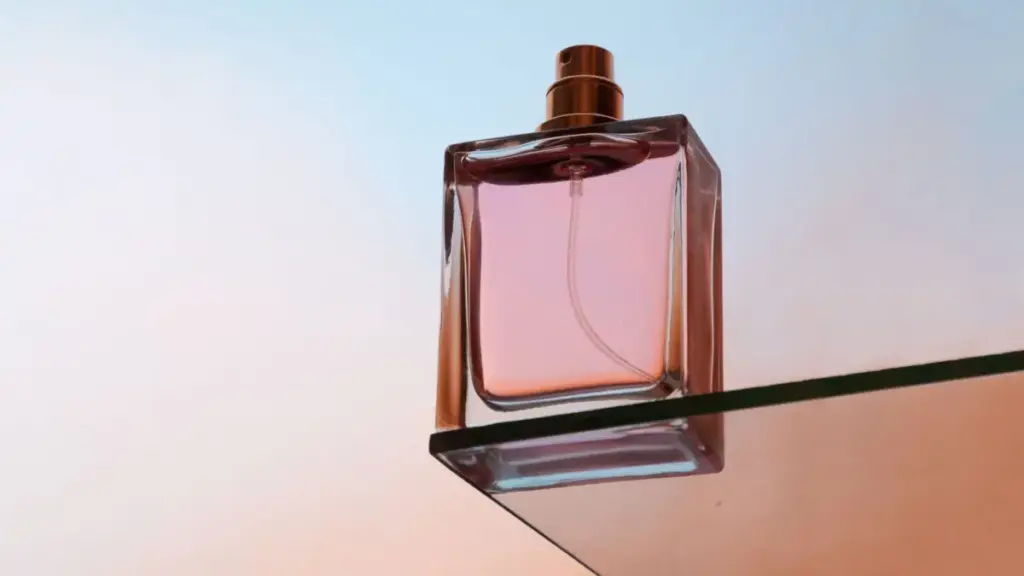
In an era defined by hyper-transparency, where digital creators broadcast everything from their structural home renovations to their meticulous micronutrient intake, a peculiar boundary has been drawn. It is an invisible perimeter guarded not by physical walls, but by custom glass bottles stripped of their labels, intentionally blurred names, and evasive answers in comment sections. Welcome to the world of fragrance "gatekeeping"—a rapidly expanding cultural phenomenon on TikTok and beyond that has accumulated tens of millions of views under hashtags like #gatekeepingmyperfume.
At its core, perfume gatekeeping is the deliberate withholding of a fragrance’s identity. When creators spray themselves with an anonymous spritz in front of a ring light while millions watch, baffled followers flood the comment sections with inquiries: What are you wearing? Why won’t you just tell us?
While casual observers dismiss this behavior as juvenile, petty, or needlessly pretentious, fragrance historians, master perfumers, and cultural sociologists view it as something far more complex. Scent is not merely an accessory; it is an invisible signature, a psychological armor, and a deeply intimate extension of personal identity. In a globalized market saturated by viral trends and mass-produced dupes, withholding the name of your signature scent has become the ultimate act of modern digital rebellion. This investigative report explores why we gatekeep our perfumes, the shifting definitions of exclusivity in the age of algorithmic virality, and what our obsession with scent says about our psychological need to stand out.
Detailed Chronology: The Evolution of Fragrance Secrecy in the Digital Age
To understand how a private choice transformed into a public controversy, one must trace the timeline of how we consume, discuss, and evaluate scent online.
The Era of Fragrance Forums (Pre-TikTok)
Long before "GRWM" (Get Ready With Me) videos dominated social media, fragrance enthusiasts gathered on specialized online communities and message boards like Fragrantica and specialized subreddits like r/FemFragLab. In these digital enclaves, discussions were largely driven by communal discovery. Users swapped notes on sillage, longevity, and rare vintage formulations. While occasional snobbery existed regarding mainstream designer fragrances versus niche houses, the prevailing ethos was educational. If someone asked about a scent, the community rallied to identify it down to the batch number.
The Rise of TikTok and the Virality of Scent
The launch and explosive growth of TikTok fundamentally altered the beauty landscape. Scent, historically the most difficult sense to market digitally, found a powerful medium through aesthetic visual storytelling. Viral breakthroughs like Maison Francis Kurkdjian’s Baccarat Rouge 540 and Phlur’s Missing Person transformed perfumes into status symbols overnight.
Suddenly, perfumes were no longer bought for their olfactory notes alone; they were acquired for their aesthetic capital. As specific scents achieved critical mass—appearing everywhere from subway cars to Pilates studios—a fatigue set in among early adopters.
The Birth of "Gatekeeping"
As mainstream audiences caught wind of these niche or viral favorites, the psychological safety of a signature scent vanished. Creators and everyday consumers alike realized that sharing a fragrance recommendation risked turning that unique scent into the next ubiquitous trend. The term "gatekeeping"—originally rooted in media studies and sociology to describe how institutional gatekeepers control access to information and resources—was adopted by internet culture to describe the act of withholding consumer intel.
By 2023 and 2024, fragrance gatekeeping evolved from an informal habit into a polarizing internet debate. It sparked online tribunals, Reddit threads accusing gatekeepers of being "immature" and "overbearing," and a counter-movement of investigative beauty creators dedicated to reverse-engineering mystery perfumes from fleeting background clues.
Supporting Context & Metrics: The Anatomy of Modern Olfactory Obsession
To grasp the magnitude of the phenomenon, one must look at the numbers and the psychological machinery driving them.
- Algorithmic Reach: On TikTok alone, hashtags and search queries associated with "gatekeeping my perfume" command upwards of 33 million views, demonstrating a massive appetite for a topic rooted in deliberate exclusion.
- The Scale of Virality: When a fragrance strikes a chord on social media, market demand spikes exponentially. For instance, when Phlur’s Missing Person went viral on TikTok due to its emotional, skin-like nostalgia, its waiting list swelled to over 100,000 eager consumers.
- The Mass-Market Fatigue: Scents like Baccarat Rouge 540 and Le Labo’s Santal 33 achieved such staggering market penetration that wearing them became socially comparable to showing up to a high-profile event wearing the exact same designer dress as another guest. For many, the horror of smelling like everyone else outweighs the social currency of wearing a "cool" fragrance.
The Psychological Framework of Scent
Why do people guard their perfumes so fiercely while willingly sharing where they bought their jeans, makeup, or skincare? The answer lies in the unique neurobiology of smell. Olfactory signals bypass the thalamus and route directly to the amygdala and the hippocampus—the brain’s emotional and memory centers.
Consequently, a fragrance is never just a chemical composition; it is an emotional trigger. It communicates mood, social status, and psychological territory. When a creator shares their lipstick shade, it is a utilitarian recommendation. When they share their signature perfume, it feels to many like handing over a piece of their intimate aura.
Official Statements & Expert Perspectives
To separate internet drama from industry reality, we consulted master perfumers, brand founders, and fragrance foundation specialists.
Identity and Personal Communication
Pia Long, co-founder of the independent perfume house Olfiction Limited, views the phenomenon through the lens of identity expression.
"As a perfume manufacturer, I suppose I should be advocating for all of us to loudly proclaim what fragrance we are wearing," Long notes. "However, I totally respect that not everyone wants to reveal their personal perfume choice—whether online or in person."
Long emphasizes that an individually chosen fragrance is deeply tied to identity. "You can use a perfume to deliberately communicate something about yourself to others—like a facet of your personality. In a world dictated by hyper-trends, your own perfume represents a semblance of uniqueness."
At the same time, Long acknowledges the dual nature of fragrance consumers: those who wear scent purely for physical enjoyment without tying it to their ego, and those who curate intricate collections as emotional armor.
The Quest for Exclusivity
Eudora Nwasike, a fragrance specialist representing The Fragrance Foundation, points directly to the human aversion to imitation. While an old proverb states that imitation is the sincerest form of flattery, Nwasike points out a hard truth: "Nobody likes a copycat."
Marina Barcenilla, founder of AromAtom: The Smell of Space, argues that true, absolute exclusivity in the modern commercial market is largely a myth.
"If you’ve bought a perfume—whether it’s a mass-produced product or an ‘insider tip’—hundreds, thousands, or even hundreds of thousands of other people are wearing that exact same scent," Barcenilla explains.
According to Barcenilla, it is not the physical liquid in the bottle that makes a scent unique, but the wearer’s subjective interpretation, personal skin chemistry, and lived experience of it.
The Socioeconomic Factor: Price Shaming vs. The Dupe Economy
Beyond the desire for uniqueness, experts note a more vulnerable reason behind fragrance secrecy: financial anxiety. A informal survey of fragrance enthusiasts reveals that many gatekeepers hide their perfume names simply to avoid being judged for the sheer cost of luxury formulations.
"I don’t want to be judged or berated for spending a quarter of my monthly rent on a bottle of perfume," confessed one anonymous collector.
Conversely, the rise of the fragrance "dupe" industry—exemplified by supermarket beauty lines mimicking high-end houses like Tom Ford and Yves Saint Laurent—has democratized access to luxury profiles while simultaneously sparking fierce debate. While budget-friendly alternatives make trends accessible during periods of rising living costs, industry insiders like Barcenilla argue that uncredited dupes border on intellectual property theft, leaving consumers caught in a crossfire between economic pragmatism and elitist purism.
Future Outlook: Personalization, Layering, and the Next Era of Scent
As we look toward the future of the fragrance market in 2024 and beyond, how is the industry responding to this tension between mass accessibility and individual identity?
1. The Explosion of Fragrance Customization
According to industry analysts like Nwasike, the collective obsession with exclusivity is fueling a massive surge in bespoke perfumery and personalization services. High-end houses and innovative independents are moving away from one-size-fits-all marketing toward interactive experiences:
- Fragrance Profiling: Digital and in-store "speed-dating" consultations (such as those offered by Penhaligon’s) match consumers with bespoke profiles based on psychological and sensory preferences.
- On-Site Alchemys: Flagship boutiques like Ex Nihilo’s The Osmologue allow customers to blend and tweak their own bespoke formulas on-site.
- At-Home Customization Kits: Brands like the Experimental Perfume Club empower consumers to act as their own perfumers, mixing bases and notes at home to ensure no one else smells quite like them.
2. The Art of Parfum Layering
For those unwilling or unable to invest in custom bespoke formulations, experts recommend fragrance layering. By combining two distinct, often unheralded scents on the skin, wearers create a hybrid chemical signature that is nearly impossible for algorithms or copycats to replicate.
3. A Shift in Digital Etiquette
As internet culture matures, the stigma surrounding gatekeeping is slowly evolving into a nuanced understanding of digital boundaries. While aggressive, elitist gatekeeping will continue to draw eye-rolls from online communities, the fundamental desire to protect one’s personal sanctuary—free from the relentless commercialization of the attention economy—is likely here to stay.
Ultimately, whether you proudly broadcast your signature scent to the masses or keep your favorite bottle locked away in a nondescript vanity drawer, the debate underscores a beautiful truth: fragrance remains one of the last deeply human, sensory experiences we possess. In a world where everything is for sale and everyone is watching, sometimes keeping a secret is the most luxurious thing you can do.