
Executive Overview
In a strategic move that highlights the ongoing evolution of digital media consumption, Amazon has officially introduced a short-form news feature to Prime Video. Aiming to capture the shifting habits of modern audiences—who increasingly favor bite-sized, vertical-style video content popularized by platforms like TikTok—Amazon is now hosting curated playlists of vertical and short-form video news digests directly on its entertainment hub.
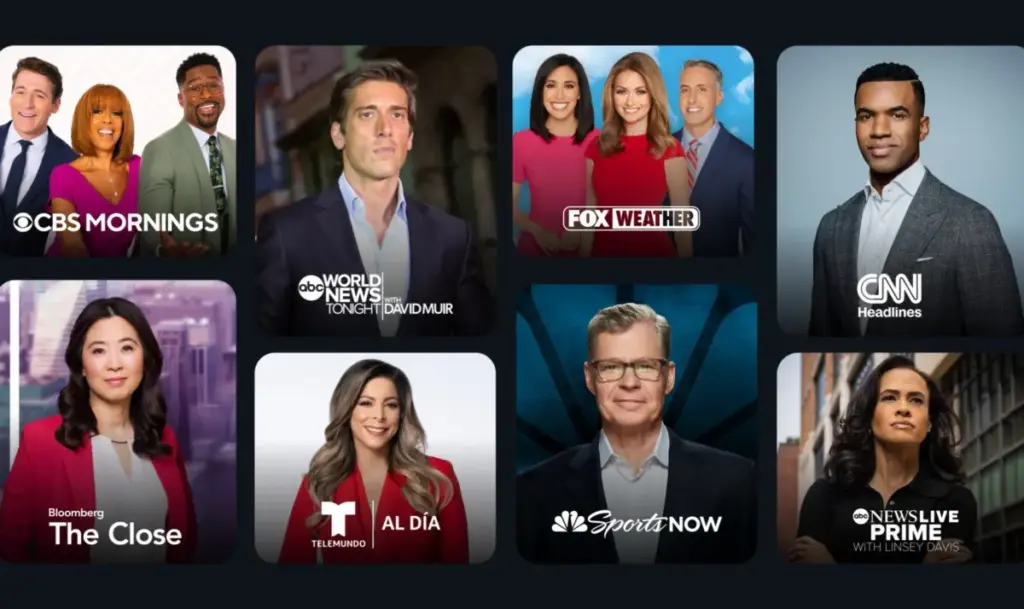
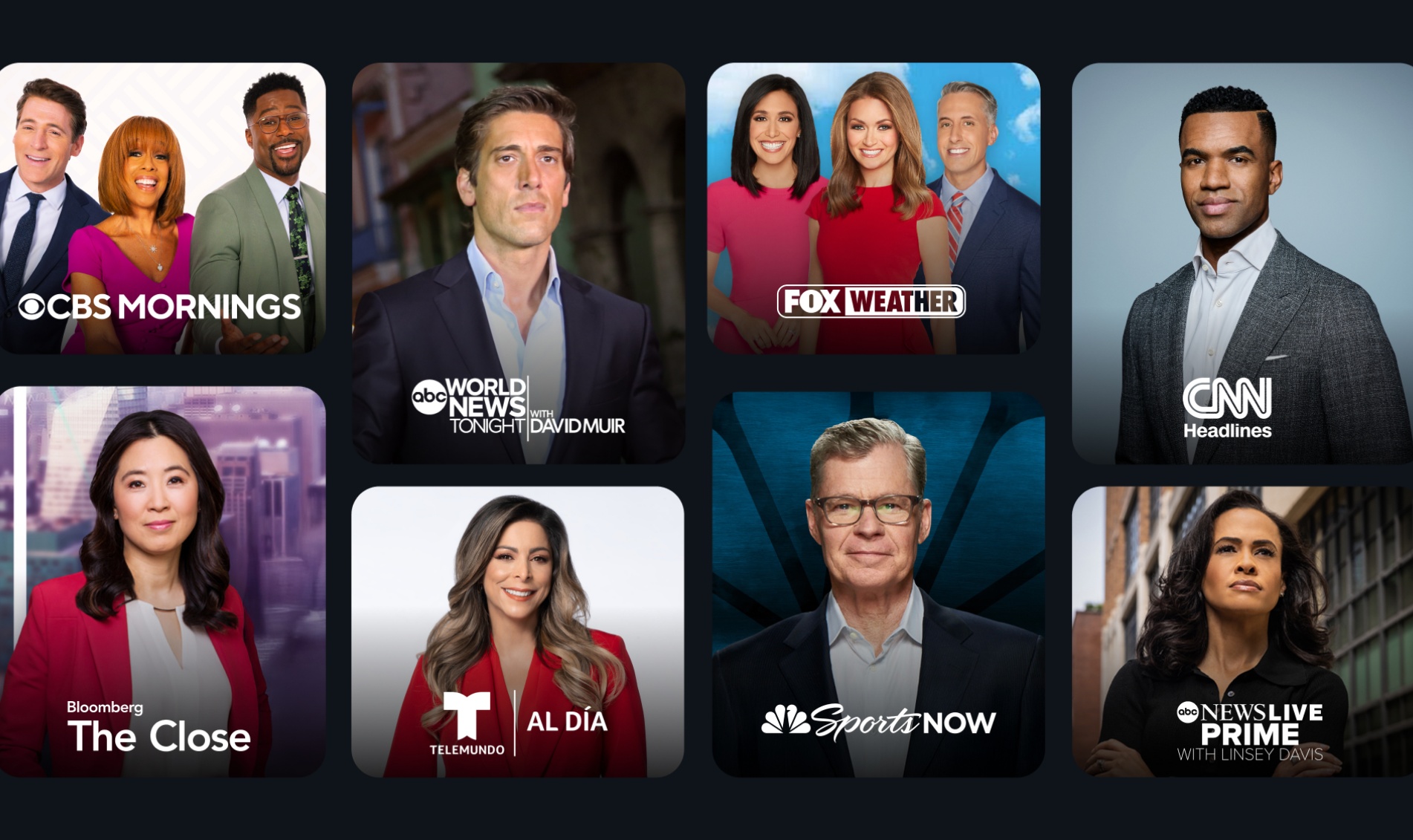
The initiative leverages content from major legacy broadcasters, including ABC News Live, CBS News 24/7, LiveNOW from Fox, CNN Headlines, and NBC News NOW. Accessible through the "Trending Topics" and "Local News" carousels within the Prime Video app, these playlists aim to bridge the gap between traditional broadcast journalism and the rapid, on-demand pacing expected by younger demographics.
However, this rollout is not without its hurdles. While media giants have increasingly adopted short-form scrollable feeds—following similar experiments by outlets like The New York Times—Amazon faces a unique cultural and structural challenge. Unlike social platforms where independent creators and digital-native journalists dominate news consumption, Prime Video relies heavily on legacy media institutions. Furthermore, past stumbles by the tech giant in replicating short-form ecosystems, such as the short-lived e-commerce discovery feed "Inspire," suggest that mimicking TikTok’s interface is far simpler than capturing its organic engagement. Currently rolling out exclusively to U.S. users on television screens, this feature serves as a high-stakes test case for whether living-room audiences are ready to embrace social media viewing behaviors on the big screen.
Detailed Chronology: The Evolution of Prime Video’s News Strategy
To understand the significance of Amazon’s latest feature, it is essential to trace how Prime Video has historically handled news delivery and how the streaming landscape has shifted toward short-form video.
Phase 1: The Traditional Streaming Model
For years, streaming platforms treated news much like traditional cable television. When users sought current events on Prime Video, their options were largely binary: tune into live-streaming broadcasts of breaking news events or search for full-length, on-demand documentary programs and newscasts.
While this catered to cord-cutters looking for direct replacements for traditional cable packages, it failed to capture the fragmented attention spans of modern viewers. As Brian Griffin, Prime Video’s Head of Global App Experience, noted, "Not everyone can catch breaking news the moment it happens." Full-length programs require a time commitment that clashes with the multitasking habits of contemporary consumers.
Phase 2: The Short-Form Revolution on Social Media
Concurrently, throughout the early 2020s, platforms like TikTok fundamentally transformed how audiences—particularly Generation Z and younger millennials—consume information. According to recurring reports from organizations like Ofcom and the Pew Research Center, a massive percentage of 18-to-24-year-olds began bypassing traditional news websites and apps entirely, opting instead for short-form video explainers on social feeds.
This behavioral shift did not go unnoticed by legacy media. In late 2025, The New York Times notably updated its application architecture to incorporate a scrollable, TikTok-style video news feed, attempting to recapture younger demographics who view traditional articles as cumbersome.
Phase 3: Amazon’s Integrated Response
Recognizing this structural shift in media consumption, Amazon began architecting a solution tailored to its massive Prime Video subscriber base. Rather than forcing users to open a separate social media application to catch up on headlines, Amazon decided to integrate curated, short-form video digests directly into its streaming UI.
By utilizing existing partnerships with major 24/7 digital news operations, Amazon curated "News Clips" playlists designed to synthesize complex national, local, and world events into concise, digestible videos. Initially targeting U.S.-based users accessing Prime Video via television screens, the feature represents a bold attempt to merge the lean-back experience of television viewing with the hyper-efficient information delivery of the mobile social feed.
Supporting Context & Metrics: The Battle for the Modern Viewer’s Attention
The launch of Prime Video’s News Clips occurs against a backdrop of sweeping transformation within the digital news and entertainment ecosystems. Examining the underlying metrics reveals why tech giants are so eager to pivot toward short-form formats, as well as the structural obstacles they face.
The Demographic Shift in News Consumption
Data from the Reuters Institute for the Study of Journalism and the Pew Research Center paints a clear picture of generational divergence in media habits:
- The Rise of Social News: Over 40% of young adults frequently rely on TikTok and Instagram as primary search engines and news sources, favoring peer-to-peer delivery over institutional broadcasting.
- The Creator Economy Advantage: Studies on news creators indicate that independent commentators and digital-native journalists command significantly higher engagement and follower loyalty on social networks than institutional newsrooms. Legacy outlets often struggle to build direct, personal connections with audiences accustomed to the conversational tone of individual creators.
- The Living Room Paradox: While short-form video was built for mobile screens held vertically in the hand, Amazon is deploying its News Clips feature primarily to living-room television screens. This creates an interesting UX (User Experience) challenge: Will television viewers accustomed to long-form cinematic content embrace bite-sized news updates in the same way mobile users do?
The Ghost of Past Iterations: The "Inspire" Lesson
Amazon is no stranger to the gravitational pull of TikTok’s design philosophy. Previously, the company introduced the "Inspire" tab—an e-commerce discovery feed designed to mimic TikTok’s endless, scrollable video format to drive shopping habits.
However, in early 2025, Amazon quietly shuttered the Inspire tab as it recalibrated its core e-commerce and media strategies. That experiment yielded a vital lesson for product teams across the tech sector: Aping TikTok’s user interface does not automatically replicate TikTok’s community dynamics. While a vertical video layout is easy to code, cultivating the specific algorithmic engagement and creator-driven culture that makes short-form video addictive requires more than just a fresh coat of UI paint.
Official Statements and Industry Insights
The strategic rationale behind Prime Video’s new feature was detailed directly by Amazon’s leadership, emphasizing accessibility and comprehensiveness.
"Until now, customers coming to Prime Video for news could watch breaking news live or tune into full-length on-demand programs. But not everyone can catch breaking news the moment it happens," said Brian Griffin, Prime Video Head of Global App Experience, in an official company statement.
Griffin added, "With News Clips, customers have a quick and easy way to get caught up on the latest stories happening in their neighborhood and around the world. Combined with our extensive lineup of free 24/7 live news, Prime Video is becoming a truly comprehensive destination for news."
Industry analysts watching the rollout note that while Amazon’s vast content library and integrated infrastructure give it a distinct advantage in distribution, the ultimate success of the feature will hinge on curation quality and user habit formation. Because the clips are sourced from professional broadcasting entities like ABC News, CBS News, NBC News, Fox, and CNN, Amazon is betting that viewers who want quick updates still value the perceived credibility of established journalistic institutions over independent social media creators.
Future Outlook: What’s Next for Prime Video and Short-Form Content?
As Amazon evaluates the early performance of its News Clips playlists, several key milestones will dictate the feature’s long-term trajectory:
- Geographic and Platform Expansion: Currently limited to U.S. viewers on television devices, a successful rollout will almost certainly pave the way for expansion into international markets and mobile/tablet versions of the Prime Video app. Bringing the feature to mobile devices would align more closely with the native habitat of short-form video, potentially driving higher engagement rates.
- Algorithmic Refinement and Personalization: For the feature to truly compete with dedicated news apps and social feeds, Amazon will likely need to integrate advanced machine learning models that tailor local and national news clips to individual viewing histories and geographic locations with hyper-precision.
- The Potential Integration of Creators: If legacy news clips prove successful, a logical next frontier for Prime Video would be exploring partnerships with independent digital journalists and verified creators. Bridging the gap between institutional news networks and the creator-led economy could solve the engagement deficit that traditional outlets often face on digital platforms.
Ultimately, Amazon’s foray into TikTok-style news distribution is a fascinating test of cross-platform behavior. Whether living-room audiences will embrace bite-sized current events between binge-watching sessions remains to be seen, but the tech giant’s willingness to experiment signals that the traditional boundaries separating streaming television, social media, and digital journalism are continuing to dissolve.