Executive Overview
For beauty enthusiasts, cosmetics are less about routine and more about self-expression—a vibrant canvas for creativity, experimentation, and personal reinvention. Yet, beneath the glittering veneer of highlighters, glosses, and innovative formulas lies a multi-billion-dollar global industry built on a fundamental paradox. While makeup empowers us, it simultaneously thrives on exploiting our deepest insecurities. The blueprint of modern beauty marketing is simple: manufacture a problem, introduce a hyper-specific product as the miraculous solution, and capitalize on the consumer’s desire for perfection.
As social media algorithms dictate the speed of beauty trends, the market has become saturated with an unprecedented volume of novel, highly specialized items. Platforms like TikTok and Instagram continuously launch viral "must-haves" into the stratosphere, promising flawless skin, gravity-defying lashes, and effortless techniques. But as consumers, we are left navigating an increasingly confusing labyrinth of niche gadgets and potions. Questions arise naturally: What purpose does a mascara comb genuinely serve? Is a lip primer anything more than an overpriced, repackaged lip balm?
To cut through the digital noise and separate legitimate innovation from clever marketing gimmicks, we consulted a panel of leading professional makeup artists and beauty experts. In this comprehensive investigation, we evaluate the industry’s most pervasive viral trends, dissect the science of formulations, expose redundant products draining your wallet, and provide expert-backed alternatives that deliver superior results without the superfluous price tag.
Detailed Chronology: The Evolution of Viral Beauty and the Rise of Niche Micro-Trends
The transition of the beauty industry from traditional magazine advertisements to digital-first, algorithm-driven marketing has radically altered consumer behavior. Understanding how we arrived at an era of peel-off lip tints and color-changing sunscreens requires examining the chronological shift in how beauty products are conceptualized, marketed, and consumed.
Phase 1: The Foundation Era and Traditional Utility (Pre-2015)
For decades, the makeup market operated on a relatively straightforward taxonomy: foundations for coverage, powders for setting, mascaras for length and volume, and lipsticks for color. Innovation was slow, driven primarily by technological advancements in pigment milling and cosmetic chemistry. Products were designed for universal application across diverse demographics, and consumer education was predominantly top-down, sourced from print magazines or counter consultations with professional artists.
Phase 2: The Instagram Boom and Heavy Glam (2015–2019)
The advent of Instagram introduced the era of hyper-defined, heavy glamour. This period saw the normalization of intensive multi-step routines: baking under the eyes, meticulous eyebrow pomades, heavy contouring palettes, and specialized baking powders. Products were marketed for their photogenic qualities rather than everyday wearability. Brands discovered that visual shock value—such as the satisfying peel of a thick charcoal mask or the flawless, poreless coverage of heavy full-coverage foundations—drove massive digital engagement and immediate sales.
Phase 3: The TikTok Revolution and Hyper-Niche Micro-Trends (2020–Present)
The COVID-19 pandemic accelerated a massive pivot toward skincare-makeup hybrids, minimalist "skin tints," and lightning-fast digital trends. TikTok emerged as the undisputed epicenter of beauty culture, where the lifecycle of a trend can span less than a week. This hyper-accelerated ecosystem incentivized brands and content creators to invent increasingly bizarre and ultra-specific products designed to capture attention in a 15-second video.
From color-shifting sunscreens that promise an instant universal tan to peel-off lip stains and magnetic freckle pens, the modern beauty landscape is dominated by novel gimmicks. While these products generate record-breaking views and viral virality, they often sacrifice practical utility for momentary digital entertainment, leaving consumers with cluttered vanities and depleted bank accounts.
Supporting Context & Metrics: Unmasking the Industry’s Marketing Tactics
To understand why certain beauty products persist despite their lack of efficacy, one must examine the underlying mechanics of consumer psychology and cosmetic formulation.
The Psychology of "Solving" Manufactured Insecurities
According to retail analytics in the beauty sector, impulse purchases are heavily driven by novelty and visual demonstration. A product that performs a visible, dramatic transformation on camera—such as a green cream instantly neutralizing a bright red patch of skin, or a peel-off stain revealing a deep berry lip—triggers an immediate psychological response of wonder and desire.
However, cosmetic chemists and professional makeup artists emphasize that what looks striking under ring lights and studio filters rarely translates to real-world conditions. Many viral products rely on optical illusions or temporary chemical reactions that degrade rapidly under natural sunlight, humidity, or normal facial movement.
The Cost-Per-Use Fallacy
Consumers frequently fall into the trap of purchasing highly specialized items under the assumption that a dedicated tool will elevate their routine. In reality, market analysis shows that niche products—such as dedicated eye primers, lip primers, and specialized blending sponges for liquid skin tints—have significantly higher rates of abandonment than multi-purpose staples.
- The Spponge Paradox: As the market shifted toward lightweight, serum-like complexion products, the traditional beauty sponge continued to be marketed as a universal tool. However, porous makeup sponges absorb up to 50% of fluid-based formulas, leading to rapid product depletion and frequent repurchasing—a hidden financial cost for the consumer.
- The Multitasking Reality: Professional artists consistently advocate for streamlining kits. Many products marketed for specialized zones (such as eye primers or color-correcting CC creams) can be effectively replaced by high-performing, versatile staples already present in a standard makeup bag.
Official Expert Statements & Product Breakdown
To provide an authoritative guide on what deserves a spot in your makeup bag and what belongs in the trash, we spoke with prominent industry professionals: Saffron Hughes (Makeup Artist at falseeyelashes.co.uk), Rose Gallagher (Makeup Artist, Columnist, and Beauty Editor), Scarlett Burton (Professional Makeup Artist), and Mira Parmar (Celebrity Makeup Artist).
Here is their definitive breakdown of viral beauty trends and product categories.
1. Color-Changing Sunscreens and Moisturizers
- The Hype: Viral videos across TikTok showcase sunscreens and daily moisturizers with "universal" white or greyish pigments that magically adjust to your exact skin tone upon blending, offering simultaneous UV protection and sheer coverage.
- The Reality: While visually impressive on camera, these formulations frequently fail in real-world environments. "Color-changing sun and moisturizing creams often result in an ashen complexion or an inaccurate undertone," warns Saffron Hughes. This issue is particularly pronounced for individuals with deeper skin tones. Furthermore, dermatologists caution that tinted sunscreens or SPF-infused moisturizers rarely deliver adequate ultraviolet protection. Most users fail to apply the necessary volume required to achieve the labeled SPF rating (the standard rule of thumb being the "two-finger length" technique).
- The Expert Alternative: Apply a dedicated, broad-spectrum chemical or mineral sunscreen first, followed by a lightweight skin tint if coverage is desired.
- Top Recommendations: MAC Strobe Dewy Skin Tint (~€39.00) or Fenty Beauty Eaze Drop Blurring Skin Foundation (~€38.45 via Sephora).
2. Green Color-Correcting CC Creams
- The Hype: Touted as a miracle cure for facial redness, rosacea, and blemishes, green-tinted CC creams promise to neutralize red undertones effortlessly across the entire face.
- The Reality: Makeup artist Scarlett Burton takes a critical stance on viral green color-correcting formulas. While the principles of color theory dictate that green neutralizes red, applying a green CC cream indiscriminately across the entire face is counterproductive. "I have seen people apply green CC cream all over their face when it isn’t necessary," Burton notes. "The result is always a grey, washed-out complexion."
- The Expert Alternative: Reserve color correction strictly for localized areas of intense redness using targeted color-correcting concealers, rather than applying an all-over corrective base.
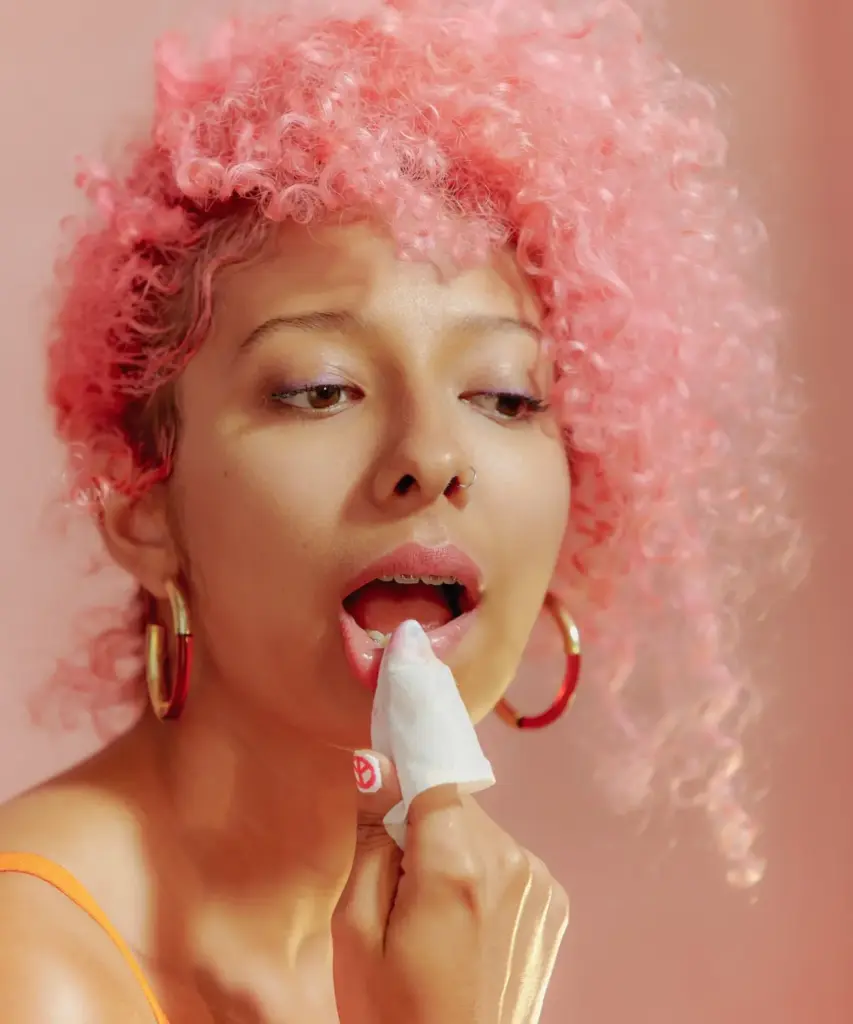
3. Peel-Off Lip Tints
- The Hype: Liquid lip formulas that are painted onto the lips, allowed to dry into a rubbery film, and subsequently peeled off to reveal a semi-permanent stain have dominated social media feeds.
- The Reality: According to beauty editor and makeup artist Rose Gallagher, these products serve one primary function: generating viral video content. "Every time I see one of these silly lip tints on my TikTok For You Page, I immediately stop scrolling," Gallagher states. "Nobody in a morning rush benefits from a peel-off lip tint—especially when there are lightweight, beautiful alternatives that deliver the exact same result without the mess and the risk of irritating delicate lip skin."
- The Expert Alternative: Use high-end, reactive balms that tint the lips based on individual pH levels.
- Top Recommendation: Givenchy Rose Perfecto Pink Irresistible (~€27.95 via Sephora), which imparts a customized rose flush with a single swipe.
4. Specialized Freckle Pens
- The Hype: Driven by the ongoing obsession with sun-kissed, youthful aesthetics, faux-freckle pens flooded the market, promising realistic, natural-looking pigmentation.
- The Reality: Burton advises steering clear of dedicated freckle pens, noting structural flaws in their formulations. "Every time I’ve seen someone use one of these pens, the pigment bleeds into the skin. The dots never stay as defined as real freckles," she explains. "Often, they smudge and frequently lean too orange, making it immediately obvious that they are fake."
- The Expert Alternative: Follow professional backstage practices by using a fine-tipped, cool-toned eyebrow pencil to gently dot natural-looking freckles onto the skin.
- Top Recommendation: e.l.f. Ultra Precise Brow Pencil (~€7.00 via Douglas).
5. Dedicated Eye and Lip Primers
- The Hype: The beauty market aggressively pushes specialized primers designed exclusively for eyelids and lips to lock down color and extend wear time.
- The Reality: Industry experts argue that these products are largely redundant. Saffron Hughes points out that standard facial primers are entirely safe and effective for the eye area. "It is a misconception that facial primers should not be applied around the eyes," she clarifies. "Unless explicitly stated otherwise on the packaging, regular primers undergo rigorous safety testing and are perfectly suitable for the eye contour." Facial primers smooth texture, blur imperfections, and extend makeup longevity just as effectively. Similarly, celebrity makeup artist Mira Parmar challenges the necessity of lip primers, noting that their performance claims lack empirical backing.
- The Expert Alternative: Extend your regular face primer to the eyelids. For the lips, simply apply a minimal amount of leftover foundation or concealer, followed by standard lip liner and lipstick.
6. Makeup Sponges for Liquid Skin Tints
- The Hype: Using a damp beauty sponge has long been considered the gold standard for blending complexion products.
- The Reality: Gallagher explains that the rise of skincare-infused, fluid hybrid products—such as serum foundations and ultra-light skin tints—renders traditional sponges inefficient. Sponges rapidly absorb liquid formulas, leading to massive product waste.
- The Expert Alternative: For lightweight, serum-like complexion products, bypass the sponge entirely and use clean fingertips. Body warmth helps melt the product into the skin while preserving expensive formulations.
7. White Mascara Primers
- The Hype: Thick, white base coats marketed to thicken and lengthen lashes prior to mascara application.
- The Reality: Hughes notes that white primers frequently result in a clumpy, unnatural finish. Because the white base is notoriously difficult to mask completely, users are forced to apply excess layers of mascara, leading to heavy, spidery lashes. Modern mascara formulations are engineered to provide exceptional length, separation, and volume independently.
- The Expert Alternative: Invest in high-performing mascaras that require no preparatory base coat.
- Top Recommendations: Lancôme Lash Idôle Mascara (~€21.95 via Sephora), Benefit They’re Real! Lengthening Mascara (~€19.39 via Douglas), or Maybelline Lash Sensational Sky High Mascara (~€12.99 via Rossmann).
8. Expensive Alcohol-Heavy Setting Sprays
- The Hype: Luxury setting sprays promising an impenetrable, bulletproof "matte finish" that locks makeup in place for 24 hours.
- The Reality: A careful reading of ingredient lists reveals a problematic reality, particularly for sensitive or dehydrated skin types. "Most setting sprays—especially those promising a matte finish—contain high concentrations of alcohol, which can excessively dry out the skin and compromise its natural moisture barrier," Hughes cautions. Furthermore, the primary active ingredient in most setting sprays is water, which can paradoxically cause makeup to slip if the face is touched before full evaporation.
- The Expert Alternative: Invest in a finely milled, high-quality translucent setting powder that locks makeup in place without stripping dermal hydration.
- Top Recommendations: Laura Mercier Translucent Loose Setting Powder (~€52.49 via Douglas), Charlotte Tilbury Airbrush Flawless Finish Powder (~€25.95 via Sephora), or the budget-friendly e.l.f. Halo Glow Setting Powder (~€9.00 via Douglas).
Future Outlook: Toward a More Conscious Beauty Consumer
As the beauty industry continues to evolve at a breakneck pace, the future points toward increased consumer skepticism and a demand for radical transparency. The era of unchecked hyper-consumption—fueled by transient social media trends and disposable gimmicks—is steadily giving way to a more discerning, ingredient-conscious philosophy.
Looking ahead, beauty brands will face mounting pressure to prove functional efficacy rather than relying solely on viral marketing tactics. Consumers are becoming increasingly adept at decoding marketing language, recognizing that more steps, more specialized tools, and higher price points do not inherently equate to a superior aesthetic result.
Ultimately, the future of makeup lies in intentionality: curating a streamlined collection of multi-purpose, reliable staples that honor both individual skin health and financial pragmatism. By investing in products driven by genuine formulation science rather than fleeting digital hype, beauty enthusiasts can reclaim their routines, protect their skin barriers, and ensure their hard-earned money is spent where it truly matters.