Executive Overview
In an era defined by relentless digital connectivity, micro-trends, and 10-step skincare routines, a profound cultural and biological counter-movement is underway. Consumers and dermatological experts alike are pivoting away from aggressive exfoliation, active-ingredient stacking, and over-sensitization. Instead, they are embracing a philosophy of radical restraint. At the center of this paradigm shift is the skin barrier—our outermost protective shield—and a new wave of minimalist, barrier-supportive formulations designed to heal rather than overwhelm.
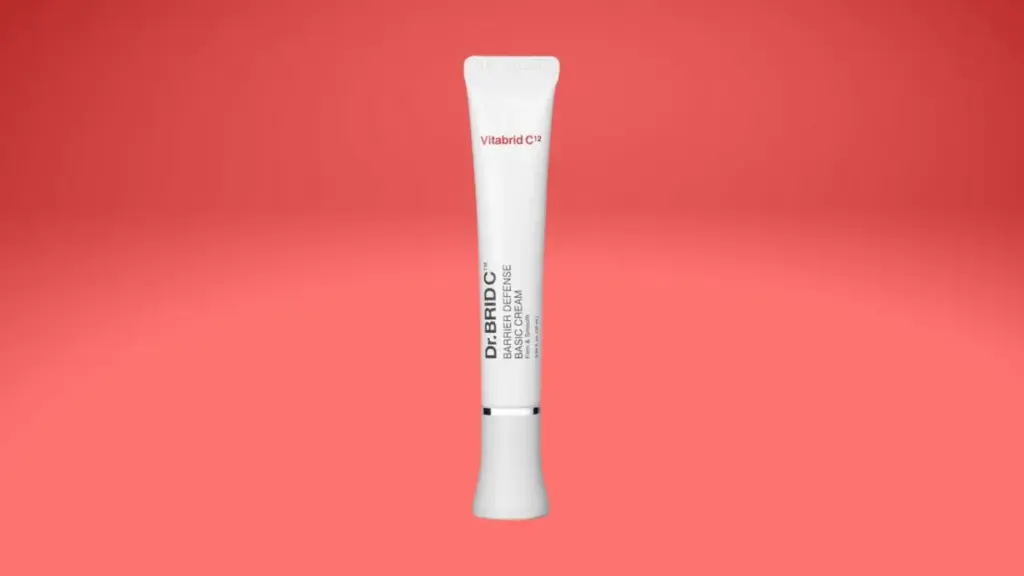
This investigative report examines the psychological and physiological drivers behind the skin minimalism movement, tracking how modern consumers are applying the concept of "boundaries" to their daily self-care rituals. Against the backdrop of an oversaturated beauty market, we explore the clinical mechanics of barrier dysfunction, the shifting priorities of professional beauty testing, and how targeted formulations—such as the Dr. Brid C Barrier Defense Basic Cream, featured in the August Allure Beauty Box—are setting a new benchmark for daily dermatological care.
By analyzing consumer sentiment, expert commentary, and biochemical data, this article unpacks why doing less for your skin has paradoxically become the most effective way to achieve long-term radiance and resilience.
Detailed Chronology: The Evolution of Skincare from Maximalism to Minimalism
To understand where modern skincare stands today, it is necessary to examine the historical trajectory that brought us to the brink of barrier burnout. The past two decades have witnessed a dramatic transformation in how humans interact with their skin.
Phase I: The Era of Aspiration and Aggression (2010–2018)
The rise of social media platforms fundamentally altered the beauty landscape. High-definition cameras and curated feeds popularized a standard of flawlessness that many felt required heavy intervention. During this period, the market was flooded with high-strength chemical exfoliants (AHAs, BHAs, and poly-hydroxy acids), physical scrubs, multi-acid toners, and high-percentage retinoids.
Consumers were encouraged to "layer" actives under the assumption that if one active ingredient was good, five must be transformative. Little attention was paid to the cumulative toll these regimens took on the stratum corneum—the outermost layer of the epidermis responsible for moisture retention and pathogen exclusion.
Phase II: The Sensitization Crisis (2019–2021)
As dermatologists and aestheticians began reporting a sharp surge in chronic skin sensitivity, adult acne, contact dermatitis, and compromised lipid barriers, a reckoning occurred. Patients flooded clinics complaining of persistent redness, burning sensations upon water application, and sudden intolerance to products they had used for years.
This era marked the first widespread mainstream recognition of the "damaged skin barrier." Industry insiders realized that the relentless pursuit of hyper-exfoliation and rapid cell turnover was stripping the skin of its natural lipid matrix, leaving it defenseless against environmental stressors.
Phase III: The Pivot to Proactive Protection and Boundaries (2022–Present)
Today, the pendulum has swung decisively in the opposite direction. Influenced by broader wellness trends emphasizing mental health, boundary-setting, and digital detoxes, consumers are treating their skincare routines with the same intentionality. Skincare is no longer viewed as an intensive laboratory experiment performed in the bathroom mirror; it is recognized as an act of physiological preservation.
The modern consumer demands streamlined routines, multi-functional products that do not cause friction with prescription treatments, and formulations centered on biomimetic ingredients—those that mimic the skin’s natural structural components.
Supporting Context & Metrics: The Science of the Skin Barrier
To appreciate why products focused on barrier defense have captured the zeitgeist, one must examine the intricate architecture of the epidermis and the quantifiable impacts of modern stressors.
The Anatomy of Protection: Ceramides, Squalane, and Peptides
The stratum corneum is frequently compared to a brick-and-mortar wall. The "bricks" are corneocytes (dead skin cells filled with keratin), and the "mortar" is an intercellular lipid matrix composed of ceramides, cholesterol, and free fatty acids. When this mortar degrades due to over-cleansing, harsh weather, or excessive active ingredients, microscopic gaps form, allowing moisture to escape (known as Transepidermal Water Loss, or TEWL) and irritants to penetrate.
Modern barrier-repair science relies on three key biochemical pillars:
- Ceramides: These lipid molecules make up over 50% of the skin’s composition. Replenishing them directly restores the structural integrity of the intercellular matrix.
- Squalane: A hydrogenated, stable version of squalene (a natural component of human sebum), squalane provides lightweight occlusion without clogging pores, preventing TEWL while maintaining skin flexibility.
- Peptides: These short chains of amino acids act as biological messengers, signaling fibroblasts to produce collagen and reinforcing structural firmness without triggering the irritation often associated with more aggressive anti-aging compounds.
Market Metrics and Consumer Shifts
According to recent market research within the global beauty sector:
- The Rise of "Skinimalism": Search interest for minimalist skincare routines and barrier repair has surged by over 140% year-over-year across major consumer analytics platforms.
- Tolerance Fatigue: Over 65% of surveyed beauty consumers report having experienced adverse reactions from overusing active ingredients, leading to a deliberate downgrade in product potency in favor of soothing, foundational care.
- The Multi-Tasking Demand: Consumers increasingly favor products that bridge the gap between treatment and protection. Lightweight, high-efficacy moisturizers that layer seamlessly under sunscreens and over prescription topicals have become the most sought-after category in daily regimens.
Official Statements and Expert Perspectives
Dermatologists, formulation chemists, and professional beauty testers agree that the shift toward barrier-first skincare is not merely a passing trend, but a necessary correction for skin health longevity.
Clinical Insights on Over-Exfoliation
Dr. Elena Vance, a board-certified dermatologist specializing in inflammatory skin conditions, notes:
"For years, patients came into the clinic trying to out-exfoliate their problems. They were treating their skin like a kitchen floor that needed scrubbing, rather than a living, breathing ecosystem. When the barrier breaks down, no amount of luxury serum will fix the underlying inflammation. Healing must precede transformation."
The Beauty Editor’s Perspective on Intentional Testing
Professionals whose careers depend on evaluating cosmetics face a unique paradox: how to test dozens of formulations without destabilizing their own skin. Navigating this landscape requires strict operational boundaries.
Industry veterans emphasize that strategic product testing relies on anchoring one’s routine with a reliable, non-reactive baseline moisturizer. Products engineered with coddling agents—such as the Dr. Brid C Barrier Defense Basic Cream—serve as the ideal anchor. Because they combine structural lipids (ceramides, squalane) with firming peptides in a lightweight matrix, they can be deployed morning and night. This ensures that even amidst rigorous product evaluations, the skin’s defense mechanisms remain fortified against irritation and environmental aggression.
Future Outlook: Where Skincare Is Headed Next
As we look toward the future of the beauty and wellness industries, several clear trajectories are emerging. The intersection of biotechnology, environmental awareness, and psychological well-being will continue to shape how we care for our skin.
1. The Death of the 10-Step Routine
The sheer economic and ecological unsustainability of massive skincare collections, coupled with consumer fatigue, points toward a future dominated by streamlined, highly effective core products. The mantra for the coming decade will be "less, but better." Multi-step regimens will likely be reserved for specialized clinical treatments, while daily home care will prioritize a clean, resilient canvas.
2. Biomimetic Formulations as the Gold Standard
Formulation chemistry is moving rapidly away from synthetic additives that mask problems toward biomimetic technology—ingredients that work in direct harmony with the skin’s natural biology. Expect to see continued innovation in lipid ratios, bio-fermented peptides, and microbiome-friendly preservatives that support the skin’s native flora.
3. Psychodermatology and the Mind-Skin Connection
The conscious decision to set boundaries in skincare—such as resisting the urge to check every text immediately or slapping every new trending active onto one’s face—highlights a growing awareness of psychodermatology. Stress is a proven driver of systemic inflammation and barrier disruption. As wellness practices evolve, routines that calm the mind and soothe the skin simultaneously will occupy the pinnacle of self-care culture.
Conclusion
The evolution from aggressive skincare maximalism to intentional barrier defense represents a mature evolution in how we approach personal health and beauty. By recognizing that skin is an organ requiring protection rather than a canvas demanding perpetual correction, consumers are reclaiming both their skin health and their peace of mind. Whether through digital detoxes, boundary-setting, or incorporating deeply supportive formulations like ceramides and peptides into daily rituals, the modern movement toward skin minimalism proves that sometimes, the most revolutionary thing you can do is simply log off, step back, and let your skin heal.