Executive Overview
In an era dominated by hyper-curated aesthetics, viral TikTok micro-trends, and the relentless pressure to dress for the algorithmic gaze, a quiet rebellion is taking place inside the closets of adults worldwide. Dubbed "childhood-core" or the inner-child wardrobe, a growing number of individuals are turning away from adult expectations of style and deliberately dressing in garments that echo their formative years. Whether it is a pink, off-the-shoulder sweater reminiscent of a Canadian childhood in the late ’90s, a butterfly-print tank top pulled straight from the Y2K aesthetic, or a faux-fur collared cardigan that mirrors a fifth-birthday outfit, this phenomenon is far more than a superficial stylistic whim.
According to fashion psychologists, therapists, and cultural commentators, wearing clothes from our youth serves as a tangible, somatic anchor. It functions as a powerful tool for emotional regulation, identity reclamation, and grief processing. At a time when collective anxieties run high and personal tragedies can shatter an adult’s sense of safety, reaching for the tactile comfort of childhood garments offers a unique pathway to healing. This investigative report explores the psychological mechanics behind the inner-child wardrobe, examining how wardrobe ethnography, trauma recovery, and the cyclical nature of fashion intersect to help adults rediscover safety, playfulness, and their most authentic selves.
Detailed Chronology: From Personal Grief to Stylistic Awakening
To understand the profound weight of this movement, one must examine its origins in the lived experiences of those who practice it. The resurgence of childhood aesthetics in adult wardrobes rarely begins as a conscious fashion statement; rather, it is often born out of vulnerability, emotional exhaustion, or profound personal loss.
The Catalyst of Loss
For many, the journey back to childhood style starts at a psychological nadir. Consider the experience of a 28-year-old London-based writer who found herself navigating the crushing grief following the sudden death of her brother. Standing at a profound emotional low point, she began scrolling through online vintage and cottagecore shops simply to feel something—a sensory antidote to numbness.
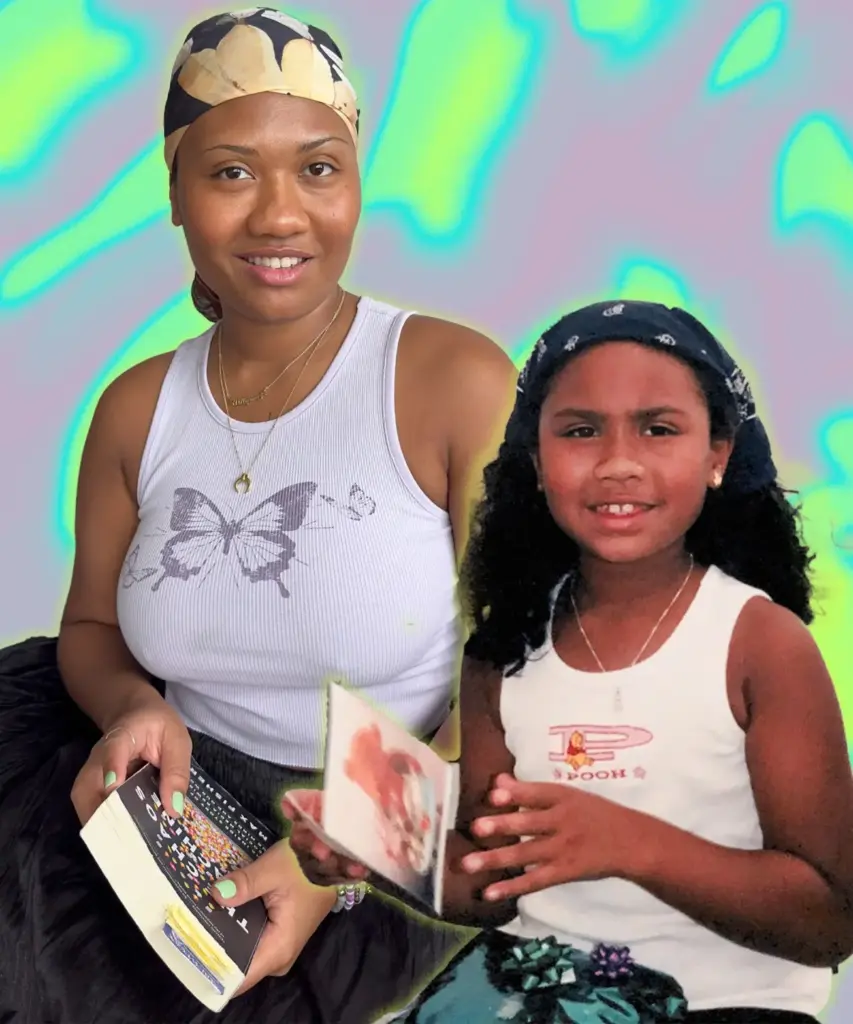
Amidst the endless digital storefronts, her gaze caught on a short, purple butterfly-print tank top. By conventional adult standards, the garment bordered on the overly "girly" or kitschy. Yet, it unlocked an immediate, visceral memory of the early 2000s—an era free from the crushing weight of professional burnout, mortgage anxieties, and algorithmic smartphone notifications. Slipping the top on provided an unexpected surge of emotional warmth. It was not merely a throwback outfit; it was a psychological lifeline.
The Time-Travel Mechanics of Fabric
The emotional potency of these garments lies in their ability to bypass the rational mind and speak directly to the sensory memory of the nervous system. When the author finally ordered a modern recreation of the pink, off-the-shoulder sweater she had cherished at age 11, the unboxing experience was profoundly transporting.
The moment the fluffy fabric left its packaging, the geographic and temporal coordinates of her reality shifted. She was no longer a stressed 28-year-old adult in a cramped London flat; she was once again an 11-year-old girl standing in a Canadian suburban bedroom, smoothing down her favorite sweater for a school picture day. The sensory details rushed forward with startling clarity: the lingering coconut scent of her long childhood hair, the nostalgic hum of an analog bedside radio, the absence of digital notifications, and the pure, unburdened freedom of youth.
This distinct psychological phenomenon—the feeling of the past rushing into the present through the medium of clothing—cannot be replicated by fleeting TikTok trends. It represents an intimate communion with the self that existed before the world imposed its rigid expectations of maturity.
Supporting Context & Metrics: The Psychology of "Wardrobe Ethnography"
While cultural critics often dismiss early-2000s revivals and nostalgic dressing as mere capitalist recycling of past decades, fashion psychologists argue that there is a profound internal mechanism at play. Nostalgia, far from being a useless emotion, serves a vital evolutionary purpose: it maintains psychological continuity across the lifespan, bolsters self-esteem, and combats loneliness.
Wardrobe Ethnography as a Mirror of the Self
To operationalize these concepts, academics and practitioners look to the framework of wardrobe ethnography. This sub-discipline of fashion psychology posits that our closets are not merely storage spaces for seasonal garments, but rather physical archives of our life choices, psychological states, and evolving identities.
"In fashion psychology, there is a concept called ‘wardrobe ethnography.’ It describes your wardrobe as a mirror of all the choices you’ve made up to this point in your life," explains leading fashion psychologist Shakaila Forbes-Bell. "These choices say something about who you were at a specific time—what you were influenced by, what you saw in yourself, what lifestyle you led back then. I think it can be very liberating to wear clothes that remind you of your childhood."
Forbes-Bell’s research highlights that every sartorial choice is an active decision with an emotional reaction. When adults deliberately curate their wardrobes to reflect the playful patterns, bright colors, and unabashed sincerity of their youth, they are engaging in a radical act of self-authorship. They are rewriting the narrative of who they are permitted to be.
The Paradox of Childhood Memories
Critics might argue that romanticizing childhood is a luxury reserved for those who experienced idyllic upbringings. However, psychological research suggests that the therapeutic value of nostalgic clothing persists even for those whose early years were fraught with difficulty.
Human memory is remarkably adaptable. When we reminisce about the vibrant aesthetics of our youth—be it neon windbreakers, fuzzy cardigans, or cartoon-print accessories—we are intentionally tuning into the fragments of our past that we choose to validate. Even if a childhood was marked by turbulence or imperfection, donning a garment that echoes a moment of youthful autonomy can serve as a somatic reminder of personal resilience. It reconnects the wearer to an innate sense of freedom that most people unconsciously shed as they cross the threshold into adulthood.
Official Statements and Therapeutic Applications: Inner Child Work
The intersection of fashion and mental health is increasingly recognized by psychotherapists, particularly through modalities that incorporate inner child work. Inner child healing involves confronting and resolving developmental wounds, unmet needs, and complex traumas sustained during one’s formative years.
Bridging the Gap Between Past and Present
During periods of acute crisis—such as grief, burnout, or existential depression—adults often feel emotionally untethered. Traditional talk therapy provides invaluable cognitive frameworks, but somatic integration requires tactile, sensory experiences. Wearing clothes from one’s childhood functions as a physical manifestation of self-soothing.
- Emotional Refuge: Donning a nostalgic garment provides a safe internal harbor, allowing individuals to temporarily retreat from overwhelming adult realities into an era perceived as safer or simpler.
- Somatic Grounding: Textures, weights, and color palettes associated with positive childhood memories stimulate the vagus nerve, signaling safety to a hyper-vigilant nervous system.
- Complementary Healing: While fashion choices cannot replace clinical trauma therapy, they serve as a potent somatic adjunct, reinforcing feelings of self-compassion and playfulness outside the therapist’s office.
Pop culture frequently mirrors these psychological truths. A prime example is the iconic transformation scene from the 2004 film 30 Going on 13, where the protagonist Jenna (played by Jennifer Garner) prepares for her first night out as an adult. Rejecting the muted, conservative garments expected of a "mature professional," Jenna instead selects her brightest dress, eccentric jewelry, and colorful hair clips. She dances out the door to Whitney Houston with unadulterated joy.
For many adults embracing the inner-child wardrobe, this cinematic moment captures the essence of their style evolution. Pairing a faux-fur collared vintage cardigan with a transparent top and a modern miniskirt is not an act of regression; rather, it is a celebratory high-five to the younger self who was repeatedly told she had to suppress her playfulness to be taken seriously.
Future Outlook: The Evolution of Intentional Dressing
As we look toward the future of personal style, the inner-child wardrobe points toward a broader cultural shift away from algorithmic conformity and toward deeply personalized, emotionally resonant dressing.
Moving Beyond the Algorithmic Gaze
For decades, fashion consumption has been driven by top-down trend cycles dictated by luxury houses and accelerated by fast-fashion conglomerates. Today, however, consumers are experiencing trend fatigue. The endless cycle of micro-trends has left many feeling alienated from their own stylistic preferences.
The integration of inner-child aesthetics offers a sustainable antidote to this exhaustion. By filtering purchases through the lens of emotional authenticity rather than external validation, individuals can build wardrobes that weather transient trends.
The Empowerment of Conscious Curation
As Shakaila Forbes-Bell notes, understanding the language of clothing grants individuals the power to transmit messages that genuinely align with their inner reality. The future of fashion psychology lies in empowering wearers to curate their closets with intention.
Whether an individual chooses a sharp, tailored power suit to project professional authority on Monday, or a vibrant, childhood-inspired pink sweater to nurture their emotional well-being on Tuesday, the underlying motivation remains the same: self-ownership.
Ultimately, reclaiming the inner child through fashion is an acknowledgment that growing up does not require abandoning the parts of ourselves that brought us joy. By honoring our past selves through the clothes we wear today, we bridge the gap between who we were, who we are, and who we are still becoming—proving that the most powerful style statement an adult can make is one driven entirely by self-love.