Executive Overview
In the modern landscape of consumerism, physical retail has undergone a radical metamorphosis. No longer simply a utilitarian space for transactions, the brick-and-mortar storefront has been weaponized as an instrument of scarcity, a gallery for capitalist indulgence, and a physical manifestation of internet subculture. From the perennial, cult-like queues outside Supreme flagships to the fleeting, hyper-curated pop-up shops of digital-native darling brands like Gimaguas, Tankair, and CouCou Intimates, a new era has emerged: #WaitingInLineSummer.
This investigative report examines the psychological, economic, and cultural forces driving the digital-to-physical retail pipeline. By analyzing how online-first independent labels leverage parasocial marketing—using celebrity endorsements from IT-girls like Kaia Gerber, Bella Hadid, and Sabrina Carpenter—brands have successfully weaponized the "fear of missing out" (FOMO). The result is a generation of hyper-connected consumers willing to endure hours of pavement-pounding traffic in Los Angeles or New York just for the privilege of purchasing a garment they first admired through a glowing smartphone screen.
Through the lens of fashion sociology, consumer psychology, and first-hand accounts, this feature explores how contemporary retail exploits the intersection of social media validation, artificial scarcity, and the deep-seated human desire for physical tactile community in an increasingly digitized world.
Detailed Chronology: The Evolution of the Drop and the Rise of the Ephemeral Storefront
To understand the current obsession with physical pop-up shops, one must trace the lineage of modern streetwear and the democratization of exclusivity.
The Supreme Blueprint
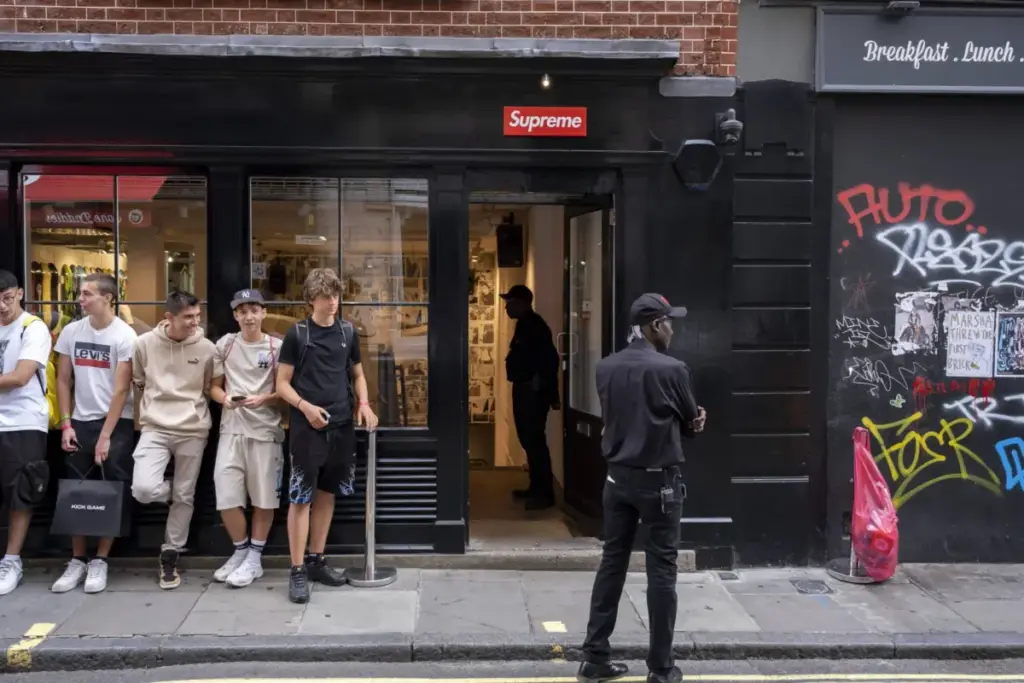
For decades, streetwear monolith Supreme served as the foundational blueprint for scarcity-driven marketing. Long before digital-native brands began dipping their toes into real estate, Supreme mastered the psychological mechanics of the "drop." By releasing tightly controlled quantities of apparel and accessories, the brand cultivated a culture of endurance. Fans—affectionately and exhaustively referenced by Lorde in her Solar Power ballad "California"—formed serpentine queues down the blocks of New York, London, and Los Angeles.
The streetwear model proved that the journey of acquiring a garment could carry as much cultural currency as the garment itself. Owning a Supreme box logo was not merely an aesthetic choice; it was a badge of resilience, proof that one had survived the line.
The Spring/Summer Wave: Gimaguas, Tankair, and CouCou
Fast-forward to the current retail climate, and the Supreme model has been refined, feminized, and distributed across the independent design ecosystem. The seasonal migration of internet-beloved brands into physical pop-ups has transformed major metropolitan hubs into testing grounds for ephemeral retail.
- March – April: Spanish independent design house Gimaguas brought its sun-drenched, surrealist aesthetic to the West Coast before pivoting to New York, transforming ordinary retail spaces into shrines of bohemian luxury.
- May: The elusive crossover between streetwear and witch-house subcultures manifested in chaotic digital drops, such as the Supreme x SALEM collaboration, pushing eager buyers to choose between frantic Apple Pay checkout screens and a desperate trek down Sunset Boulevard. Simultaneously, intimates and basics powerhouse CouCou Intimates launched its New York residency, drawing crowds of cotton-basics devotees.
- June: Melrose Avenue in West Hollywood welcomed Tankair for a one-week residency. The brand introduced its elevated basics and slinky silhouettes to a ravenous cohort of shoppers willing to pass vapes in line, fill out paper checklist cards for colorways, and snap bathroom-mirror selfies against purple carpets.
These pop-ups do not function merely as shops; they operate as temporal museums. Visitors navigate numbered garments hanging in minimalist spaces, fill out paper order cards, and wait yet again for a fitting room—turning the act of shopping into a ritualistic performance.
Supporting Context & Metrics: The Psychology of the Digital-Native Consumer
What drives a generation raised on TikTok, Instagram, and digital storefronts to abandon the comfort of e-commerce for hours of standing on concrete? The answer lies in the intersection of high internet integration, artificial scarcity, and parasocial validation.
The Parasocial Playbook
Independent brands have perfected a two-tiered opening strategy. Days before a pop-up opens its doors to the general public, a secretive "Friends and Family" preview takes place. During this window, Instagram models, micro-influencers, and C-list celebrities shop at their leisure.
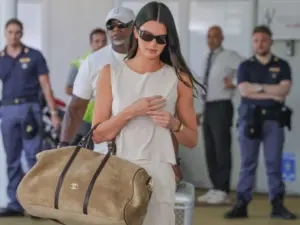
Brands then flood their digital timelines with imagery of these tastemakers—Addison Rae trying on Gimaguas, Alana Champion and True Whitaker exploring Tankair, or Kaia and Molly Blutstein lounging in CouCou. When the doors finally open to the public, the psychological priming is complete. Consumers are not just buying a $250 halter top; they are buying into an aspirational ecosystem. They are chasing the proximity to celebrity, subconsciously hoping that by standing in the same room—or wearing the same silhouette—they might capture an ephemeral aura of cool.
The "Monkey-See, Monkey-Press" Economy
Gen Z’s consumer habits are inextricably linked to the ubiquity of social media as an online pseudo-mall. Platforms like TikTok and Instagram have collapsed the distance between inspiration and acquisition.
[Digital Exposure via Influencer/Celebrity]
       ↓
[Parasocial Aspiration & FOMO]
       ↓
[Artificial Scarcity / Ephemeral Pop-Up Announced]
       ↓
[The Queue: Physical Endurance & Social Bonding]
       ↓
[The Purchase & Digital Validation (Instagram Story/Haul)]
This pipeline has fostered a "monkey-see, monkey-press" purchasing reflex. When independent labels release limited-edition merchandise specifically for pop-ups—such as tees printed with tour-style dates—they lean into the collector’s mindset. Yet, consumers routinely bypass the commemorative merch in favor of the core pieces they have watched their favorite creators wear online: Sabrina Carpenter in a CouCou long-sleeve, Hailey Bieber in effortless basics, or niche BookTok influencers curating their aesthetic.
Furthermore, the documentation of these shopping excursions—chronicles of wait times, haul reviews, and fitting-room mirror drops—creates a feedback loop. Posting one’s purchases is the final step of the transaction. It signals membership in an exclusive cultural vanguard, transforming private consumption into public performance.
Official Statements & Industry Perspectives
The cultural gravity of the pop-up phenomenon has not gone unnoticed by fashion critics, designers, and cultural commentators who analyze the shifting paradigms of modern style.
Fashion writer and podcaster Biz Sherbert succinctly captured the ethos of contemporary independent streetwear in her American Style Substack publication, declaring:
"Time to put on some tank air and handle it."
The sentiment underscores how brands like Tankair have transcended mere apparel to become armor for young urbanites navigating the sensory overload of cities like Los Angeles and New York. The fit, breathability, and intentional tailoring of independent labels provide a tangible antidote to the sea of cheap, algorithmically pushed fast fashion and low-quality online dupes.
Industry analysts note that while traditional retail real estate faces mounting economic pressures, ephemeral pop-ups offer a low-risk, high-reward marketing vehicle. By limiting a store’s lifespan to days or weeks, brands manufacture urgency while simultaneously gathering qualitative data on regional consumer demand. As established indie labels like Paloma Wool have proven by transitioning from temporary pop-ups to permanent brick-and-mortar fixtures on both coasts, the ephemeral model is often the ultimate incubator for long-term retail success.
Future Outlook: Where Retail Goes From Here
As we look toward the future of consumer culture, the trajectory of the pop-up economy suggests that physical retail will continue to evolve away from traditional inventory-heavy department stores toward experiential, event-driven brand activations.
- The Rise of Permanent Hybrid Spaces: Successful pop-ups will increasingly serve as a staging ground for permanent brick-and-mortar expansion. Brands will test micro-markets in secondary cities using short-term leases before committing to long-term real estate.
- Community-Centric Retail Design: Future storefronts will double as social hubs. Expect fitting rooms, cafes, and community gathering spaces to take precedence over sprawling racks of inventory, as brands realize that physical retail must offer an experience that cannot be replicated by a two-day shipping window.
- The Maturation of the Gen Z Shopper: As the cohort currently participating in #WaitingInLineSummer matures, their consumption habits will likely evolve. However, the psychological craving for tactile, community-based retail experiences—fueled by the very digital fatigue social media induces—is here to stay.
Until then, the lines will continue to wrap around the block. For those caught in the orbit of digital-native fashion, the queue remains a social sanctuary, a networking event, and a runway all at once. As long as brands can successfully package exclusivity, community, and aspiration into a physical space, the kids will keep lining up.