Executive Overview
As the 1990s bled into the Y2K era, the cultural landscape of popular music underwent a seismic and unforgiving shift. The final years of the 20th century were characterized by an urgent artistic hunger; musicians and producers heading into the new millennium sought desperately to reinvent the sonic palette of urban music. Out went the raw, unfiltered G-funk and aggressive street anthems that had defined the preceding decade, and in came a heavily commercialized, high-gloss corporate machine.
This evolution redefined rap and hip-hop, but it left a trail of casualties in its wake. As the industry consolidated, modernized, and professionalized, a distinct class of artists who had ruled the charts just years prior suddenly found themselves lost in the fold. Their stylistic signatures—once billion-dollar commodities—became punchlines or relics of a bygone era.
This retrospective examines the complex mechanics of musical obsolescence through the careers of three defining figures of the 1990s: Coolio, Vanilla Ice, and MC Hammer. Despite achieving unprecedented global acclaim, multi-platinum certifications, and cultural ubiquity, these artists watched helplessly as their mainstream momentum evaporated upon the turn of the century. Their stories offer an authoritative case study in the fleeting nature of pop-culture dominance, the economic pitfalls of rapid commercialization, and the ruthless efficiency with which the hip-hop industry discards its past to make room for the future.
Detailed Chronology: The Rise, Fall, and Post-Millennial Exodus of 90s Titans
To understand how these iconic figures vanished from the vanguard of popular culture, one must trace the precise timelines of their ascent, their abrupt cultural clashes with the turn-of-the-century music industry, and their subsequent pivots.
MC Hammer: The Meteoric Peak and the 1996 Reckoning
- 1990: Stanley Kirk Burrell, known universally as MC Hammer, releases his historic third studio album, Please Hammer Don’t Hurt ’Em. Propelled by the infectious Rick James sample on his signature track, “U Can’t Touch This,” Hammer captures the global imagination. The album becomes the first-ever hip-hop record to be certified Diamond by the RIAA, selling over 10 million copies. His unforgettable parachute-style “Hammer pants” and athletic choreography saturate mainstream media, leading to major corporate endorsements with Pepsi and his own Saturday-morning cartoon, Hammerman.
- 1991–1994: Hammer’s lavish lifestyle—featuring a multimillion-dollar entourage, a sprawling California mansion, and massive investments—matches his astronomical earnings. However, the musical landscape begins to shift toward the harder, grittier realities of West Coast gangsta rap pioneered by Dr. Dre and Snoop Dogg. Hammer’s family-friendly, pop-rap formula quickly loses its cultural cachet.
- 1996: Burdened by mounting debts, declining record sales, and an unsustainable lifestyle, Hammer files for Chapter 11 bankruptcy, capturing headlines and signaling the definitive end of the rap-pop crossover era he helped pioneer.
- 2000s and Beyond: Hammer retreats from the major-label ecosystem, releasing independent albums, exploring ministry, and co-producing the biographical television film Too Legit: The MC Hammer Story (2001).
Vanilla Ice: From Phenom to Nu-Metal Outcast
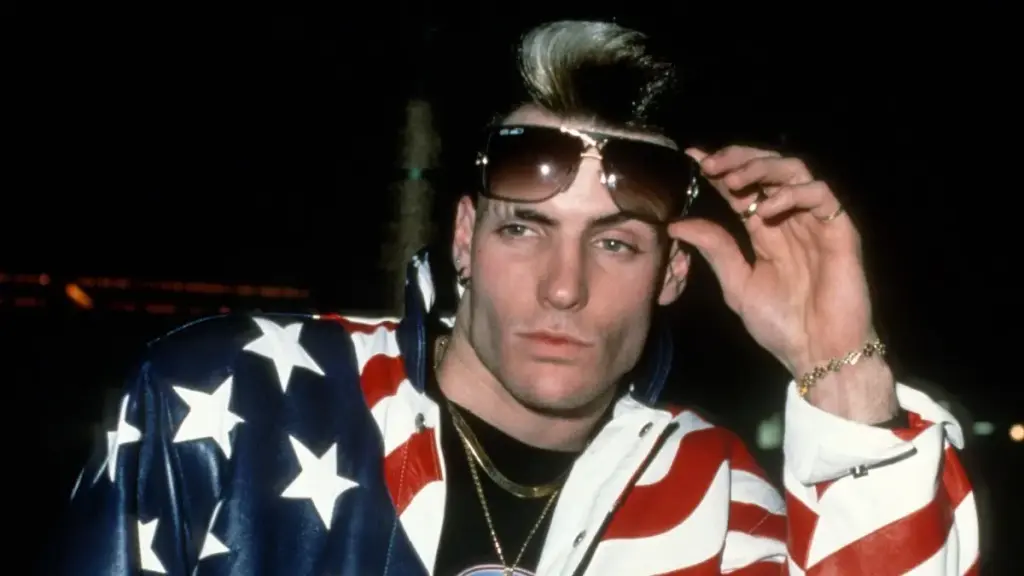
- 1990: Robert Matthew Van Winkle, operating under the moniker Vanilla Ice, drops his explosive debut album, To The Extreme. Driven by the inescapable juggernaut of "Ice Ice Baby," the album becomes the fastest-selling hip-hop record in history up to that point. “Ice Ice Baby” shatters glass ceilings by becoming the first rap single to top the Billboard Hot 100.
- 1992–1997: The initial pop-rap wave crests and breaks. Critics lambost his manufactured persona, and the hip-hop community largely disowns him. As rap grows increasingly serious, gritty, and narrative-driven in the mid-90s, Vanilla Ice’s commercial viability plummets.
- 1998: In a desperate bid for reinvention, Van Winkle executes a jarring stylistic pivot toward the burgeoning nu-metal and rap-rock movement. He releases Hard To Swallow, featuring a heavy, industrial-metal reworking of his defining hit, retitled “Too Cold.”
- 2000s: Vanilla Ice continues down the nu-metal path into the new millennium with albums like Bi-Polar (2001), while simultaneously transitioning into a surprisingly resilient career in reality television and real estate.
Coolio: The "Gangsta’s Paradise" Paradox
- 1995: Artis Leon Ivey Jr., known as Coolio, drops the title track for the film Dangerous Minds. “Gangsta’s Paradise,” featuring singer L.V., becomes a monumental global phenomenon. It simultaneously tops the Billboard Hot 100 and the Cash Box Top 100, earning Coolio a prestigious Grammy Award and cementing itself as one of the best-selling rap singles of all time.
- 1996–1999: Coolio remains a dominant commercial force through the late 90s with hits like “1, 2, 3, 4 (Sumpin’ New)” and “C U When U Get There.” However, as the 20th century closes, the industry’s centers of power begin shifting toward hyper-polished Southern rap and the East Coast dominance of labels like Roc-A-Fella and Ruff Ryders.
- 2000s: Coolio maintains an active recording schedule, though major-label backing dries up. He releases three independent studio albums—El Cool Magnifico (2002), The Return of the Gangsta (2006), and Steal Hear (2008). While he scores a minor UK chart entry in 2006 with “Gangsta Walk” featuring Snoop Dogg and collaborates with country legend Kenny Rogers on “The Hustler,” his presence in American mainstream hip-hop fades significantly.
Supporting Context & Metrics: The Changing Economics of Rap
The transition from the 1990s to the 2000s was not merely a matter of shifting tastes; it was an economic transformation. During the 90s, the music industry was experiencing the peak of the physical CD era. Record labels were willing to invest heavily in crossover pop-rap acts that could appeal to suburban demographics through high-concept music videos and massive retail distribution.
However, the late 90s and early 2000s introduced several disruptive forces:
- The Rise of Independent Distribution and Internet Piracy: The advent of Napster in 1999 and the subsequent peer-to-peer file-sharing revolution dismantled the traditional album-sales model. Legacy acts whose value proposition relied on physical CD purchases were hit hardest.
- Corporate Consolidation: Major label mergers in the late 90s created an environment where artist development was shortened. If an artist’s second or third post-peak album failed to meet immediate profit margins, they were swiftly dropped.
- The Gangsta Rap and Street Credibility Hegemony: As detailed in industry analyses of the era, the commercial success of Death Row Records, Bad Boy Entertainment, and later Cash Money and No Limit shifted the cultural power dynamic. Hip-hop consumers demanded authenticity, street credibility, and gritty realism. Artists like MC Hammer and Vanilla Ice, whose foundations were built on family-friendly entertainment and pop accessibility, were structurally incapable of competing in an environment that prized hardcore realism.
- Sales Metrics Comparison:
- Please Hammer Don’t Hurt ’Em (1990): 10+ million copies sold (Diamond).
- To The Extreme (1990): 7+ million copies sold in the U.S. alone.
- Gangsta’s Paradise (1995): 6+ million copies sold globally.
- By contrast, independent releases by these same artists in the 2000s frequently failed to crack the Billboard 200 top tier, underscoring how completely the mainstream pipeline had closed off to them.
Official Statements & Industry Perspectives
The phenomenon of 90s superstars losing their cultural footing at the turn of the millennium has been widely analyzed by music historians, executives, and the artists themselves.
Industry veterans often point to the rapid evolution of production standards as a primary catalyst. In retrospective interviews regarding the shift from 90s boom-bap and G-funk to the synthetic, compressed beats of the 2000s, producers have noted that older artists often struggled to adapt their lyrical flows to faster, more intricate tempos.
Furthermore, artists like Vanilla Ice have spoken candidly about the burden of early overexposure. In various interviews reflecting on his meteoric 1990 rise, Van Winkle acknowledged that the hyper-commercialization orchestrated by his early management team alienated him from the core hip-hop community, making a sustained career nearly impossible once the initial pop novelty wore off.
Similarly, reflections from late-career profiles of Coolio emphasize the frustration artists felt when record labels tried to pigeonhole them into their past successes. Coolio frequently noted in interviews that while “Gangsta’s Paradise” was a blessing that gave him global reach, it also served as an anchor that prevented the industry from taking his subsequent musical experiments seriously.
Future Outlook: The Legacy of 90s Crossover Pioneers in Modern Hip-Hop
As we look further into the 21st century, the narrative surrounding these foundational 90s figures is undergoing a quiet rehabilitation. While their careers never successfully transitioned into sustained, chart-topping dominance in the 2000s, time has softened the critical backlash that once plagued them.
In the modern streaming era, nostalgia acts as a powerful equalizer. Tracks like “Ice Ice Baby,” “U Can’t Touch This,” and “Gangsta’s Paradise” have achieved immortal status as permanent fixtures of pop-culture ubiquity, frequently featured in blockbuster films, television commercials, and viral social media trends. The very commercialization that once led critics to dismiss them as fleeting novelties has now transformed their biggest hits into timeless generational anthems.
For contemporary hip-hop artists, the cautionary tales of Coolio, Vanilla Ice, and MC Hammer serve as a masterclass in industry navigation. They highlight the necessity of artistic adaptability, the dangers of over-reliance on a single stylistic formula, and the volatile nature of public adoration. Ultimately, while their commercial momentum did not survive the turn of the millennium, their imprint on the global consciousness remains indelible—a testament to an era when hip-hop first conquered the mainstream world.