
Executive Overview
As the golden days of July and August wind down, families across the nation inevitably face a familiar seasonal crossroads. The unstructured freedom of summer—defined by late bedtimes, relaxed schedules, and spontaneous outings—must gracefully yield to the structured cadence of the academic year. While buying crisp notebooks, color-coded folders, and new wardrobes remains a rite of passage, educational experts stress that true preparation goes far beyond retail therapy. It requires a delicate, intentional psychological scaffolding designed to help children not merely survive the first day of school, but genuinely thrive throughout the entire academic cycle.
Transitioning from the lazy days of summer to early morning wake-up calls is a monumental shift that can trigger anxiety, behavioral regression, and academic friction if handled haphazardly. To navigate this critical juncture successfully, parents need more than intuition; they need empirical, psychologist-backed strategies. In this comprehensive guide, we explore expert insights from licensed educational psychologist and board-certified behavior analyst Reena B. Patel, LEP, BCBA, offering a blueprint to transform back-to-school preparation from a stressful scramble into an exciting, empowering family journey.
Detailed Chronology: A Step-by-Step Timeline to Academic Readiness
A successful school year does not begin on the first Monday of September or August; it is cultivated weeks in advance. Rushing the adjustment process overnight is a recipe for exhaustion, morning meltdowns, and heightened anxiety. Experts advise structuring the runway to the new school year across distinct chronological phases.
Phase 1: The Three-Week Countdown – Resetting the Internal Clock
Approximately 21 days before the first bell rings, the psychological and biological transition must officially commence. According to Patel, this window provides the ideal runway to gently overhaul domestic routines.
"Parents should think about getting into nighttime routines, adjusting sleep schedules, and reverting daily routines to where they should be," Patel advises.
The human body—particularly the developing nervous system of a child or adolescent—cannot pivot instantly from a midnight bedtime to a 6:00 AM wake-up call without severe physiological pushback. The American Academy of Sleep Medicine (AASM) underscores that school-age children require a robust nine to 12 hours of sleep per night, while teenagers need eight to 10 hours. Attempting to enforce these rigorous sleep requirements the night before school starts invites disaster.
Instead, parents should implement a gradual rollback strategy. Shift bedtimes and wake-up times 15 minutes earlier every few days. This micro-adjustment prevents bedtime battles and allows the circadian rhythm to adapt organically, ensuring that children wake up refreshed rather than groggy and irritable on day one.
Phase 2: Two Weeks Out – Dismantling the Fear of the Unknown
As sleep schedules stabilize, the focus must shift toward psychological acclimatization. Anxiety, at its core, is frequently rooted in a fear of the unknown. A new academic year ushers in profound environmental changes: unfamiliar hallways, new classrooms, unproven teachers, and shifted peer dynamics.
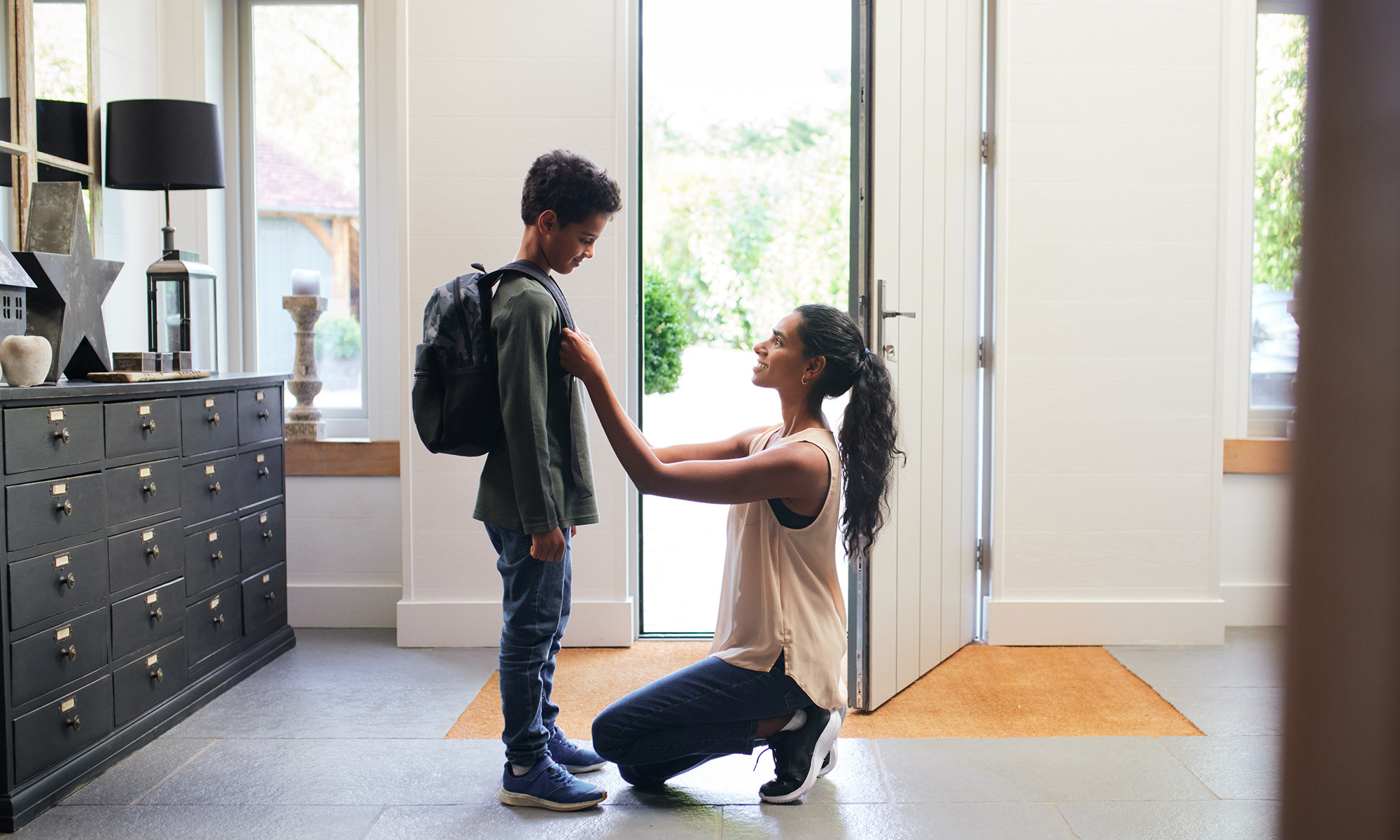
To dissolve these anxieties, Patel recommends leveraging official school orientation sessions. Walking the physical halls before the crowds arrive demystifies the environment.
"Kids are more likely to feel comfortable once they’ve had a chance to visit the school and walk around," Patel notes.
If a formal orientation is unavailable, proactive parents can bridge the gap by reaching out directly to school administrators, principals, or department heads. Requesting a brief 15-minute meet-and-greet or an informal tour allows children to locate essential touchpoints—such as their assigned lockers, the cafeteria, the gymnasium, and the bus loop—long before the chaotic first day begins.
Phase 3: One Week Out – Establishing Autonomy and Communication Pathways
In the final week leading up to the first day, preparation transitions from structural logistics to emotional and social alignment. For younger children, parents can bridge the communication gap with educators by crafting a personalized "student profile" or one-pager. This document, shared directly with the teacher, can highlight the child’s learning style, primary motivations, allergies, and unique personality traits, fostering an immediate, supportive rapport between home and school.
For older children and adolescents, this week marks a crucial psychological pivot: stepping back to encourage self-advocacy. Rather than stepping in to solve every logistical hurdle, parents should adopt an empowering stance that builds competence and self-efficacy.
Supporting Context & Metrics: The Science of Academic Transitions
Understanding the psychological mechanics of the back-to-school transition requires examining the broader physiological and sociological data surrounding children’s mental health and educational performance.
The Sleep-Performance Nexus
Data compiled by pediatric sleep researchers reveals a direct correlation between consistent pre-term sleep adjustments and academic retention during the first quarter. Children experiencing chronic sleep deprivation during the transition phase exhibit higher cortisol levels, impaired executive functioning, and decreased emotional regulation. By initiating sleep schedule resets three weeks prior, parents effectively lower baseline anxiety and protect cognitive bandwidth.
Mitigating Sensory and Social Overload
The first day of school represents a massive sensory and social shock. Students are suddenly subjected to loud bells, crowded corridors, structured attention spans, and complex peer negotiations. Recognizing this sensory saturation is vital for parents eager to reconnect with their children at the final bell.

"When your child gets in the car after a long day of school, you don’t want to hit them with a barrage of questions," Patel cautions. "Let them just sit and decompress for a little after school. There’s a lot to take in, and we need to give them a minute to process and recoup from the sensory overload."
Allowing children quiet recovery time honors their cognitive capacity and prevents defensive behavioral withdrawal, opening the door for organic, unforced conversations later in the evening.
Official Expert Perspectives and Guidance
Integrating professional insights into everyday parenting frameworks bridges the gap between clinical theory and domestic reality. Reena B. Patel’s comprehensive approach emphasizes a nuanced balance between supportive scaffolding and progressive independence.
+-------------------------------------------------------------------------+
|                  THE PATEL FRAMEWORK FOR SCHOOL READINESS               |
+-------------------------------------------------------------------------+
| 1. GRADUAL TIMELINE   -> Start sleep and routine resets 3 weeks early.  |
| 2. ENVIRONMENTAL LOC -> Demystify new spaces via tours and orientations.|
| 3. TARGETED PROFILES  -> Provide teachers with child-specific insights. |
| 4. ENCOURAGED AGENCY  -> Foster self-advocacy appropriate to age.     |
| 5. POST-SCHOOL SPACE  -> Protect downtime to prevent sensory overload.  |
+-------------------------------------------------------------------------+
Tailoring Strategies by Developmental Stage
Patel emphasizes that parental intervention must be strictly calibrated to the child’s developmental milestone:
- Elementary-Age Students: These younger learners require high-touch preparation. They benefit significantly from visual schedules, physical school tours, narrative storytelling about what a school day looks like, and parent-facilitated introductions to educators.
- Middle and High School Students: Adolescents require a different leadership style from parents. Moving away from a "snowplow" parenting model—where adults clear every obstacle from the child’s path—is essential. Middle and high schoolers must be encouraged to communicate directly with teachers, manage their own calendars, and solve minor administrative issues independently to foster life-long resilience and executive maturity.
Future Outlook: Cultivating Long-Term Resilience
As educational landscapes evolve to prioritize mental health, emotional intelligence, and holistic well-being, the approach to back-to-school preparation is undergoing a profound cultural shift. The outdated model of treating the first day of school as an abrupt, high-stress shock to the system is rapidly giving way to mindful, empathetic, and structured transitions.
By implementing early, graduated routines, addressing the root causes of anxiety through familiarization, respecting the cognitive limits of sensory overload, and fostering age-appropriate self-advocacy, parents can redefine the back-to-school season. Instead of a period marked by morning friction and emotional fatigue, the transition becomes an empowering milestone—one that equips children with the psychological tools, confidence, and excitement needed to excel throughout the academic year and beyond.