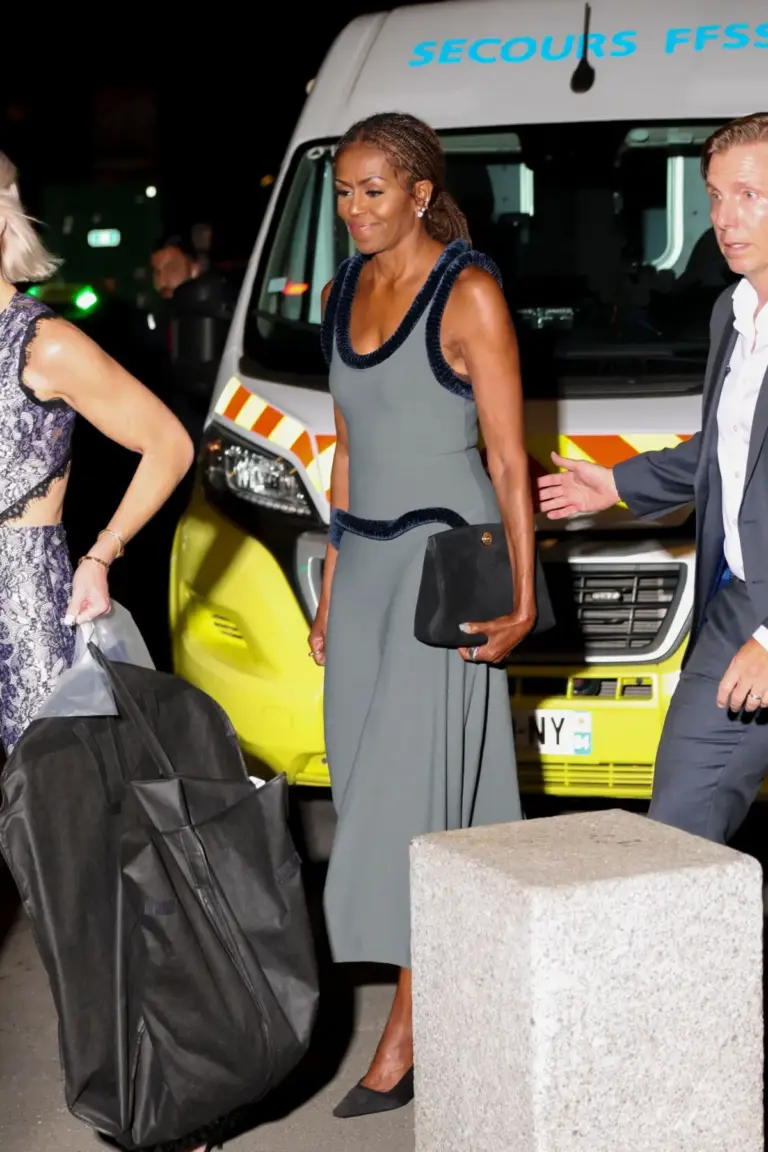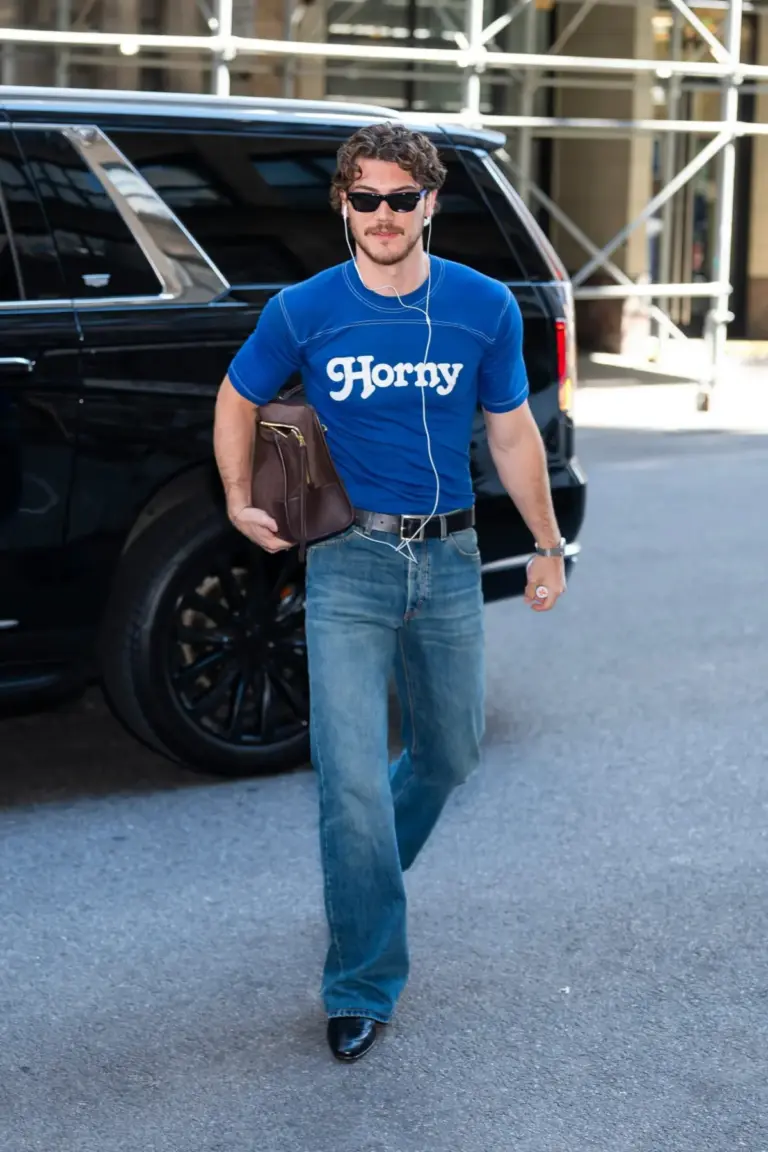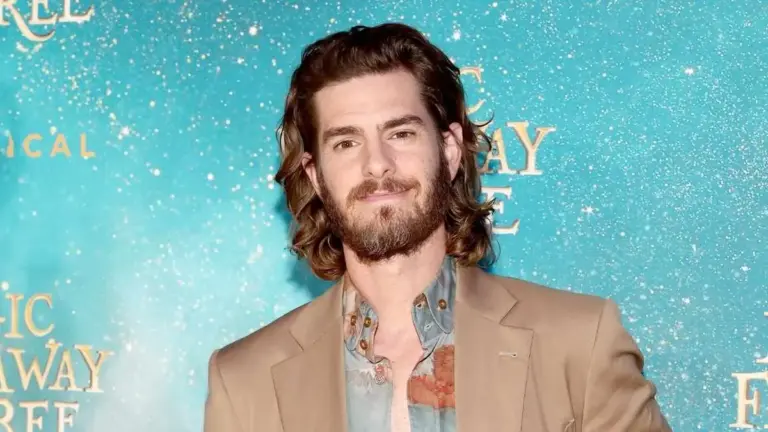
For its monumental Pride 2026 issue, PAPER magazine has gathered a sprawling, cross-generational cohort of artists, agitators, and pop cultural icons around the ultimate cultural dinner table. Anchored by the legendary "Pope of Trash" himself, filmmaker John Waters, this year’s feature transcends the standard corporate platitudes of Pride Month. Instead, it offers a bracing, unfiltered exploration of individuality, artistic survival, and the messy reality of what it means to live unapologetically outside the margins.
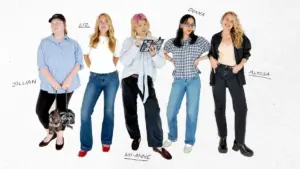
Waters, marking six decades of defining countercultural sensibilities for straight and gay audiences alike, sets the conceptual tone for the feature. Accompanied by a diverse roster of modern luminaries—including comedy titan Margaret Cho, reality television trailblazer Chrishell Stause, drag royalty Symone and Lushious Massacr, and a vibrant new guard comprising Madison Bailey, Grant Knoche, Mad Tsai, Alicia Creti, and Eli—the package acts as a family reunion for the cultural outliers who built modern pop culture.
Far from a sanitised corporate celebration, this year’s Pride edition challenges the commodification of identity. It confronts the frictions within the queer community, the anxieties of a rapidly shifting cultural landscape, and the enduring necessity of radical self-expression.
Detailed Chronology: From the Fringes to the Mainstream
To understand the weight of PAPER’s 2026 Pride assemblage, one must trace the arc of queer visibility from the radical underground of the mid-20th century to the hyper-mediated digital landscape of today.
The Underground Roots (1960s–1980s)
Decades before Pride became a month-long corporate marketing window, icons like John Waters and his late, legendary muse Divine were navigating a hostile cultural landscape. Reflecting on his early days, Waters recalls attending early gay liberation meetings only to find them surprisingly "straight" in their conformity, preferring instead the kinetic, chaotic energy of the 1960s riots and Washington drag balls. These spaces—fraught with danger, pimps, and "scary girls with knives"—formed the crucible for an aesthetic that refused to pander to mainstream respectability.
Concurrently, figures like Marsha P. Johnson and Sylvia Rivera were laying the groundwork for intersectional queer liberation, fighting not for assimilation into a broken system, but for the fundamental right of outcasts to exist.
The Commercialization and the Culture Wars (1990s–2010s)
As the decades progressed, queer art slowly clawed its way toward mainstream recognition. However, this visibility often came at the cost of radical edge. Waters points out a recurring irony: while he has achieved mainstream veneration with museum retrospectives and career honors, the broader cultural appetite has simultaneously grown more sensitive and reactive. The freedom to court controversy—to utilize scathing reviews as badges of honor and to deploy biting satire without immediate digital excommunication—began to wane.
The Contemporary Matrix (2020s–2026)
Today, Pride exists as an omnipresent, month-long global institution. Yet, as the cover stars of PAPER’s 2026 issue point out, institutional acceptance has brought its own set of internal fractures. The modern era is defined by rapid paradigm shifts—most notably the ascent of the trans rights movement, which Waters hails as the "new sexual revolution." While older generations of queer artists navigate the anxieties of these unprecedented social evolutions, a new crop of creators is using digital platforms to rewrite the rules of fame, identity, and artistic independence.
Supporting Context & Metrics: The Anatomy of a Cultural Roundtable
The 2026 cover story is structured around a series of candid, probing conversations that map the emotional and political topography of modern fame. The participants represent a broad spectrum of lived experiences, bound together not by a uniform ideology, but by a shared refusal to conform.
Generational Shifts in Visibility
A striking element of the roundtable is the divergence in how different generations perceive victimhood and acceptance. Waters asserts that he never felt "misunderstood" because the right people—the audience that mattered—understood his transgressive vision from day one.
Conversely, younger artists like Grant Knoche and Alicia Creti speak candidly about the gauntlet of self-discovery, navigating neurodivergence, and the pressures of coming out in digital fishbowls. Knoche, having spent his formative years in the pop machine of KIDZ BOP before pivoting to independent alt-pop, notes the unique isolation of identifying as bisexual within a rigid cultural binary. Similarly, Creti reflects on shedding the protective armor of being the "perfect daughter" to embrace her queerness and neurodivergence.
The Politics of the Label
A recurring debate throughout the interviews centers on the utility and limitation of labels.
- John Waters rejects the compartmentalization of his work as "gay cinema," arguing that his films are for all misfits and minorities who fail to fit into polite society.
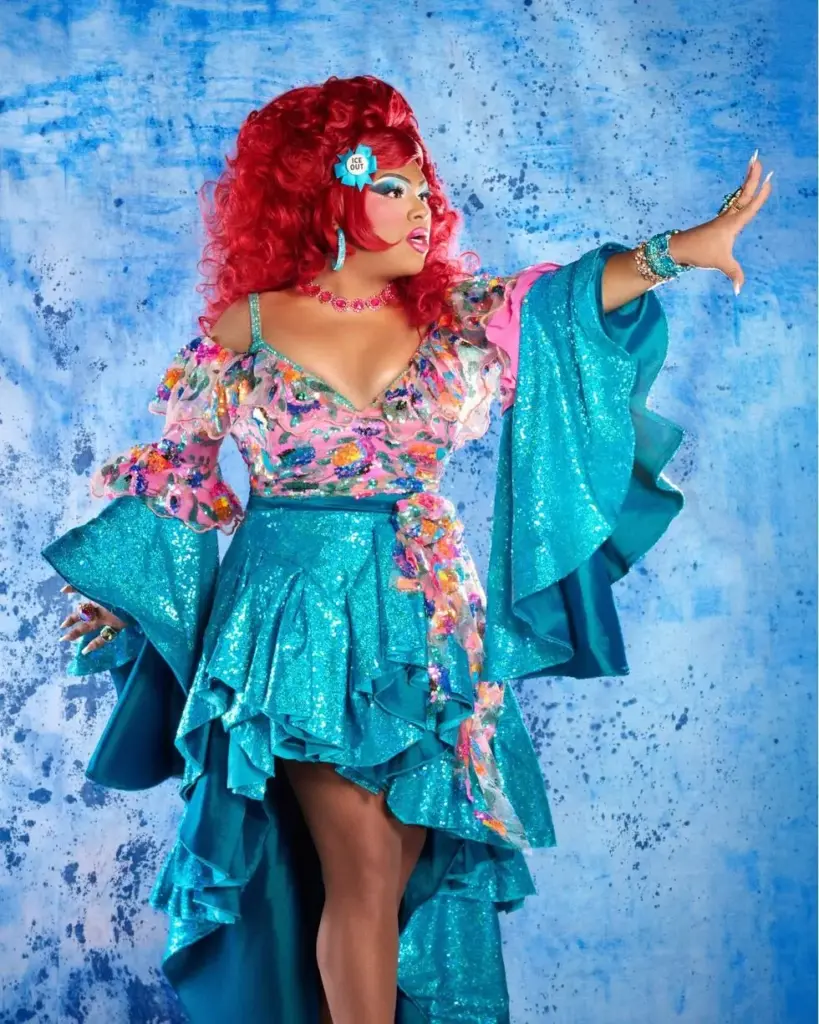
- Lushious Massacr echoes this sentiment from a southern, brown drag perspective, championing "QUEER" as the ultimate, most inclusive umbrella term while critiquing the cliquishness of hyper-specific sub-labels.
- Margaret Cho and Chrishell Stause both emphasize the urgent necessity of community solidarity, particularly in the face of coordinated legal and political attacks against the transgender community. Cho bluntly dismisses "normal gays" who seek conservative validation at the expense of trans lives, framing the trans community as an irreplaceable pillar of queer survival.
Official Statements & Roundtable Insights
The heart of PAPER’s Pride feature lies in the unfiltered voices of its cover stars. Here is how the collective defines the moment:
- John Waters on Identity and Art:
"They never say the great heterosexual… When people say that they’re gay filmmakers, I don’t care who they fuck if the film’s good. They could be a filmmaker who’s gay, but if it’s only that their identity is as a gay filmmaker, who cares who they fuck!"
- Lushious Massacr on Power and Survival:
"We need to give power to those who have never had it… Queer people are born into very hostile environments, but we find a way to save ourselves."
- Margaret Cho on Defending the Community:
"The way some parts of our community want to separate from other parts… like the ‘normal’ gays who think that the ‘T’ aren’t an essential part of who we are and long for ‘acceptance’ from conservatives. They really bother me. We are nothing without the trans community."
- Chrishell Stause on Boundaries and Resilience:
"Coming out, I felt like I was hit with a wall of anger from the public… That’s when I learned just how beautiful and supportive the LGBTQ+ community is. They don’t care when you join, and being embraced gave me the strength to tell the haters where to go."
- Symone on the Legacy of Drag:
"I’m proud of the fact that it was made especially with the times we’re in. I’m proud that it’s a fun and makes people laugh. I’m proud that it’s for us by us but invites everyone into the party."
Future Outlook: The Next Wave of Cultural Agitators
As we look toward the remainder of the decade, the cultural landscape mapped out by PAPER’s Pride 2026 issue suggests a dual reality. On one hand, institutional pressures, conservative judicial rollbacks, and corporate co-optation threaten to flatten the jagged edges of queer expression. On the other hand, a fearless new generation of digital natives and independent artists is weaponizing their singularity against the noise.
Creators like Mad Tsai, Eli, and Madison Bailey represent a shift away from assimilation and toward radical, uncompromised authenticity. They understand, as Waters demonstrated six decades prior, that the key to cultural longevity is refusing to water oneself down for the comfort of the mainstream.
Ultimately, the 2026 Pride package serves as a manifesto for the future of art and identity. Whether through Waters’ radical middle stance, Lushious Massacr’s "dragvestigations," or the quiet defiance of artists learning to love their own perceived flaws, the message is clear: Pride is not a corporate parade route; it is an ongoing, unruly act of self-preservation. As Waters aptly notes, let us celebrate the differences among us—unique, contradictory, and entirely unbothered.