Executive Overview
As the cinematic landscape braces itself for the long-awaited revival of a 1990s cult classic, pop culture enthusiasts and new-generation cinephiles alike are dusting off their VHS tapes and streaming queues to revisit the origin story of Hollywood’s most spellbinding siblings. With the official announcement of Practical Magic 2 igniting a fresh wave of nostalgia, public discourse has zeroed in on the iconic 1998 fantasy romantic comedy starring Academy Award winners Nicole Kidman and Sandra Bullock.
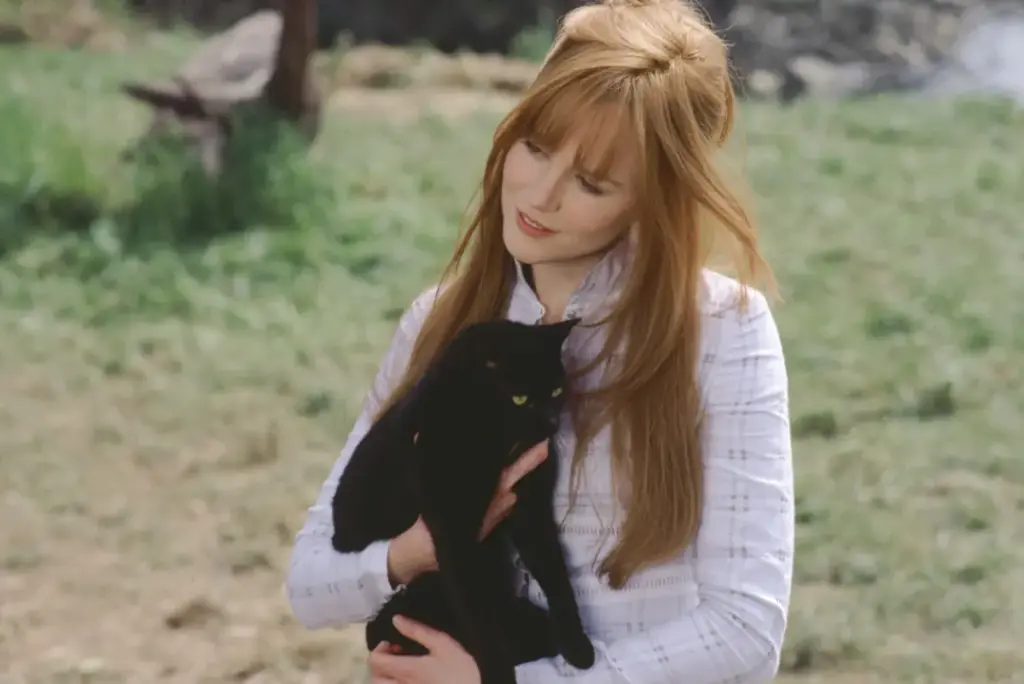
The original film, directed by Griffin Dunne, follows Gillian (Kidman) and Sally (Bullock), two witch sisters bound by a centuries-old ancestral curse that invariably leads to the untimely demise of any man they dare to love. While celebrated for its autumnal aesthetic, coastal Gothic architecture, and undeniable star power, a modern retrospective viewing reveals a cinematic artifact that is as delightfully eccentric as it is utterly perplexing.
Driven by the recent announcement of the sequel—which finally brings Kidman and Bullock back together on screen—first-time millennial and Gen-Z viewers are experiencing a collective awakening. Yet, beneath the cozy surface of midnight margaritas, tumbling down stairs, and bicycle rides through idyllic New England farmers’ markets lies a narrative labyrinth of confounding character choices and shifting magical parameters. This investigative review explores the cultural legacy of the original film, deconstructs its chaotic narrative structure, analyzes its enduring production metrics, and looks ahead at what the Hollywood machine has cooked up for Practical Magic 2.
Detailed Chronology: The Journey to Practical Magic 2
To fully understand the cultural footprint of Practical Magic, one must trace the trajectory of the property from its literary roots to its impending cinematic renaissance.
- 1995: Acclaimed author Alice Hoffman publishes Practical Magic, a bestselling novel that explores the burdens of female lineage, sisterhood, and societal ostracization through a magical realist lens. The novel sets a darker, more melancholic tone compared to the eventual studio adaptation.
- October 1998: Warner Bros. releases the film adaptation directed by Griffin Dunne. Despite a star-studded cast including Kidman, Bullock, Dianne Wiest, and Stockard Channing, the film opens to mixed reviews from critics who struggle to balance its conflicting tones of domestic melodrama and supernatural horror.
- Late 1990s – 2010s: Bolstered by home video sales, cable television syndication, and the dawning era of internet fandom, Practical Magic sheds its lukewarm box-office reputation to achieve undisputed cult-classic status. Its depiction of sisterhood and witch-core aesthetics establishes it as a seasonal viewing staple, particularly during the Halloween season.
- Decades of Speculation: For over twenty years, rumors of a sequel or television adaptation circulate intermittently. However, scheduling conflicts, rights issues, and the sheer challenge of reuniting two of Hollywood’s busiest A-list actresses keep the project in development hell.
- The Present Day: Warner Bros. officially confirms the development of Practical Magic 2, sparking an unprecedented wave of digital engagement. Fans who grew up watching the original—alongside younger demographics discovering it via social media platforms—begin dissecting every plot hole, casting choice, and magical rule from the 1998 film, setting the stage for a blockbuster sequel.
Supporting Context & Metrics: The Paradox of a 1990s Phenomenon
When evaluating Practical Magic through a contemporary lens, the film occupies a fascinating space in box-office and cultural history. Produced during an era when Hollywood was actively experimenting with high-concept supernatural romances, the film arrived with significant financial backing but faced the uphill battle of reconciling Hoffman’s poignant prose with studio demands for mainstream romantic-comedy accessibility.
Box Office and Critical Reception Metrics
| Metric Category | Original Release Data (1998) | Contemporary Digital Era |
|---|---|---|
| Production Budget | Estimated $75 Million | N/A |
| Domestic Box Office | ~$46.8 Million | Resurgent streaming revenue |
| Global Box Office | ~$68.3 Million | Cult status driving franchise renewal |
| Rotten Tomatoes Score | 22% (Critical) / 72% (Audience) | Continued widening gap between critics and fans |
| Cultural Impact Index | Moderate seasonal hit | High-tier 90s nostalgia touchstone |
The metrics reveal a stark divergence between contemporary critical appraisal and audience adoration. While mainstream reviewers in 1998 lamented the tonal whiplash—pivoting abruptly from domestic abuse and accidental murder to joyous domestic sisterhood—audiences embraced these very eccentricities.

Furthermore, the film’s production design—anchored by the breathtaking, windswept Victorian house situated on San Juan Island (though primarily constructed on a soundstage and location sets in California)—became an early blueprint for what modern internet culture terms "cozy aesthetic." The visual language of the film: towering bookshelves, herbal tinctures, sweeping capes, and midnight kitchen revelry, has generated billions of impressions across Pinterest, TikTok, and Instagram, proving that the film’s atmospheric appeal far outlived its initial theatrical run.
Narrative Deconstruction: The Deranged Logic of Owens Women
While the aesthetic remains peerless, a forensic examination of the plot exposes a narrative framework that defies conventional screenwriting logic. Modern viewers encountering the film for the first time are often struck not just by its charm, but by its sheer, unbridled narrative chaos.
The Elusive and Ever-Changing Rules of the Curse
At the core of the film is the Owens family curse: any man who falls in love with an Owens woman is destined to die a premature death. Yet, the mechanics of this supernatural affliction seem to shift on a whim to suit the narrative needs of the moment:
- The Trigger Condition: Is it falling in love reciprocally, or simply being loved by an Owens woman? The film treats both as absolute death sentences, yet characters continually test the waters with staggering nonchalance.
- The Resurrection Loophole: When Gillian’s abusive, supernatural-possessing boyfriend, Jimmy Angelov (played with sleazy charisma by Goran Visnjic), is accidentally killed, the sisters attempt to resurrect him using forbidden magic. The resulting zombie-esque haunting leads to a series of escalating, nonsensical cover-ups that would give any seasoned homicide detective an aneurysm.
- The Town Council Confrontation: Perhaps the most surreal sequence involves the local townspeople—who have spent decades shunning the Owens sisters—marching up to their estate with pitchforks and torches, only to be entirely neutralized when Sally convinces them to cast harmless spells alongside her. The transition from murderous mob to a coven of suburban witches drinking tequila is executed with whiplash-inducing speed.
Character Choices That Defy Reason
Beyond the supernatural elements, the mortal (and immortal) characters operate in a universe entirely detached from standard human psychology:
- The Midnight Tequila Incident: Facing the corpse of an abusive boyfriend in their basement, the sisters’ immediate response is to mix massive pitchers of midnight margaritas, consume them with reckless abandon, and engage in frantic interpretive dancing.
- The Law Enforcement Vacuum: Local law enforcement is depicted as either hilariously incompetent or entirely non-existent. A federal investigator arrives sniffing around for the missing Jimmy Angelov, yet is easily deflected by basic sleight-of-hand and folksy town charm.
- The Magical Triage: The aunts (played with magnificent, scene-chewing eccentricity by Dianne Wiest and Stockard Channing) dispense magical advice that ranges from mildly helpful herbal remedies to chaotic, reality-altering spells with zero regard for collateral damage.
These narrative anomalies, rather than alienating modern audiences, have transformed the film into an interactive viewing experience. First-time viewers compiling lists of burning questions—ranging from logistical inquiries about property taxes on a cursed island estate to deep philosophical queries regarding the afterlife rules for resurrected boyfriends—highlight how the film’s very flaws have cemented its enduring conversational value.
Official Statements and Industry Insights
As pre-production ramps up for Practical Magic 2, studio executives and key creative personnel have begun dropping hints regarding the direction of the upcoming franchise installment. While plot details remain heavily guarded under Warner Bros. non-disclosure agreements, early statements indicate a desire to honor the original film’s unique blend of gothic whimsy while updating its thematic resonance for a modern audience.
In recent press statements addressing the long-awaited reunion, representatives for the studio noted:
"The enduring appeal of Practical Magic lies in its fearless celebration of female solidarity, resilience, and the beautifully messy reality of family bonds. Reuniting Nicole Kidman and Sandra Bullock for a new chapter is not merely a nostalgic exercise; it is an opportunity to expand a rich cinematic universe that has captured the imaginations of multiple generations."
Industry insiders suggest that the sequel will lean further into the mythology established in Alice Hoffman’s subsequent literary sequels—such as The Book of Magic—which expand the scope of the Owens lineage across generations, exploring ancestral trauma, generational healing, and the evolving nature of witchcraft in the 21st century.
Furthermore, both Kidman and Bullock have expressed active enthusiasm in returning to their iconic roles. In various retrospective interviews, the actresses have reflected fondly on the chaotic energy of the 1998 set, noting that the genuine chemistry and camaraderie forged during the tumultuous shoot laid the foundation for a lifelong mutual respect that has persisted across their respective Hollywood empires.
Future Outlook: What to Expect from Practical Magic 2
The announcement of Practical Magic 2 raises critical questions about how Hollywood handles legacy sequels in an era dominated by intellectual property mining. Can a sequel capture the specific, lightning-in-a-bottle eccentricities of a late-90s studio romantic comedy, or will it succumb to the sleek, homogenized aesthetic of modern franchise filmmaking?
Key Elements for Sequel Success
- Preserving the Practical Aesthetic: Fans have taken to social media to voice a singular, unified demand: practical effects, rustic set designs, and tangible atmosphere must take precedence over excessive, glossy CGI. The charm of the original lies in its tactile, lived-in feel—pancakes burned on purpose, wind-swept capes, and dusty potion bottles.
- Balancing Mature Themes with Whimsy: As Kidman and Bullock reprise their roles as older, wiser iterations of Sally and Gillian, the sequel has a unique opportunity to explore the burdens of matriarchy and the wisdom that comes with aging. The shift from youthful rebellion to seasoned witchcraft offers a rich thematic vein to mine.
- Addressing the Plot Holes: While the sequel is unlikely to explicitly retcon the chaotic narrative choices of the original, leaning into the self-aware absurdity of the Owens family curse could provide a brilliant meta-commentary that satisfies both longtime purists and curious newcomers.
As cameras prepare to roll, the cultural temperature surrounding the Practical Magic universe has never been higher. Whether viewers are returning for a nostalgic hit of midnight margaritas or diving into the madness for the very first time with a notebook full of unanswered questions, one thing is certain: the magic is far from dead. The Owens sisters are returning, and Hollywood will never be the same.