Executive Overview
Snow-capped peaks, lush emerald valleys, cows adorned with sonorous bells, and rustic wooden alpine huts: over the past few years, outdoor scenery has held social media feeds completely in a chokehold. It often feels as though everyone in your network—including your best friend’s dog—has transformed overnight into a hardened alpine mountaineer. These weekend warriors scale rugged rock faces in head-to-toe Gore-Tex, only to pause at dizzying elevations to pop open a can of sparkling alpine soda. But beneath the tongue-in-cheek observation of this ubiquitous aesthetic lies a profound cultural shift.
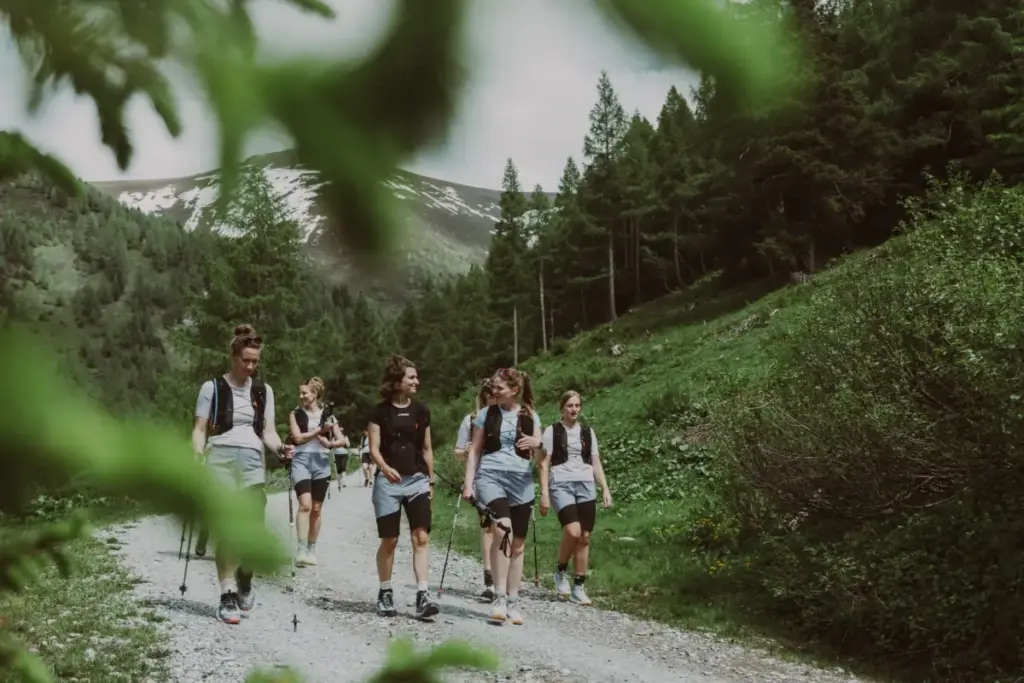
The great outdoors is no longer the exclusive domain of hardcore survivalists or seasoned outdoor guides. It has become a mainstream sanctuary for millions seeking an antidote to hyper-digitized, sedentary modern living. This comprehensive report explores the driving forces behind the hiking boom, examining its profound physiological impacts, its unexpected role in mental health and personal development, and how brands are capitalizing on this vertical renaissance by curating immersive experiences that merge physical endurance with deep-seated introspection.
Detailed Chronology: From Fringe Niche to Mainstream Phenomenon
To understand the current obsession with hiking, one must trace its evolution over the past decade. What began as a traditional pastime for older generations or niche extreme athletes has mutated into a dynamic cultural movement, accelerated by distinct socio-cultural milestones.
Phase 1: The Digital Escape (Pre-2020)
Long before global lockdowns fundamentally altered how society viewed indoor spaces versus the natural world, a quiet shift was occurring online. Travel influencers and adventure photographers began swapping tropical beach backdrops for moody, mist-laden mountain passes. The aesthetic was striking, romantic, and deeply aspirational. Yet, for many, it remained a spectator sport—something to double-tap while sitting on a commuter train or an office chair.
Phase 2: The Great Outdoor Migration (2020–2022)
The COVID-19 pandemic served as the ultimate catalyst for the outdoor recreation industry. With urban entertainment venues, gyms, and travel corridors shut down, city dwellers turned to local parks, greenbelts, and regional hiking trails out of sheer necessity. Nature became the only acceptable escape valve. Overnight, hiking boots, daypacks, and hydration reservoirs became essential consumer goods. People rediscovered the landscapes immediately outside their city limits, realizing that adventure did not require a long-haul flight.
Phase 3: The Micro-Adventure Era (2023–Present)
Today, hiking has evolved past a mere pandemic-era coping mechanism into a permanent lifestyle choice. The concept of the "micro-adventure"—short, accessible getaways lasting a single day or a weekend—has democratized outdoor exploration. Consumers no longer wait for a two-week annual vacation to experience the alpine lifestyle. Instead, they leverage flexible work arrangements, regional train networks, and lightweight, stylish outdoor gear to weave nature into their weekly routines.
Supporting Context & Metrics: Why We Fall for the Trail
The reasons driving people to lace up their hiking boots are as diverse as the trails themselves. Far from being a superficial trend driven solely by aesthetics, hiking offers a potent cocktail of physical, psychological, and social benefits that address the specific pain points of contemporary existence.
+-----------------------------------------------------------------+
               THE DRIVERS OF THE HIKING RENAISSANCE
+-----------------------------------------------------------------+
  [Physical Wellness]  --> Low-impact cardio, strength, & glute workout
  [Digital Detox]      --> Forced offline time & reduced screen fatigue
  [Accessibility]      --> Minimal financial barrier to entry; low threshold
  [Deep Connection]    --> Unfiltered conversations with peers & partners
  [Mental Fortitude]   --> Pushing boundaries & building self-efficacy
+-----------------------------------------------------------------+
1. The Low Barrier to Entry and Economic Accessibility
Unlike sports requiring expensive club memberships, specialized court rentals, or heavy machinery, hiking remains fundamentally democratic. In its purest form, it requires nothing more than two relatively stable legs and a path. While the gear market has exploded with high-tech apparel, the basic entry threshold is remarkably low. Beginners can start on flat, well-marked nature trails with standard sneakers and a water bottle, scaling up their equipment only as their commitment deepens.
2. The Micro-Adventure and Local Exploration
You do not need to wake up like Heidi in a cinematic alpine chalet every morning to reap the psychological rewards of nature. Weekend getaways and day trips allow urbanites to tap into the therapeutic benefits of the wilderness without uprooting their lives. Germany alone boasts a treasure trove of landscapes—from the mystical rock formations and fairy-tale forests of the Elbe Sandstone Mountains to the cascading waterfalls of southern regions—that inspired the romantic painters of the 19th century and continue to captivate modern travelers.
3. The Power of Shared Vulnerability and Deep Dialogue
Sharing a physical challenge amplifies its emotional rewards. When friends or romantic partners tackle a steep incline together, conversations naturally transcend the superficial chatter of daily life. The rhythm of walking side-by-side, unburdened by eye contact or the distractions of notifications, fosters a rare kind of conversational depth. Shared exhaustion and shared triumph build bonds that rarely form across a restaurant table or a living room couch.
Official Statements & Industry Perspectives: The Mind-Body Connection
The psychological transformation that occurs on a trail is increasingly recognized by sports scientists and outdoor brands alike. Hiking strips away the artificial constructs of modern life, leaving only raw, tangible feedback loops between body and environment.
The Somatic Reality of the Trail
In a fitness landscape dominated by sterile gym environments—where individuals hide behind heavy workout benches, mirrors, and digital fitness trackers—hiking offers a refreshing return to somatic awareness. There is no hiding on a mountain.
- Physical Feedback: You feel the raw power in your quadriceps and calves. You feel the steady, rhythmic gradient of the earth beneath your soles. You feel your lungs burn as the air grows thinner at higher altitudes. Your body performs immense feats of biomechanical endurance to lift you higher and higher.
- The Summit Reward: The experience culminates in that peerless moment of arrival. Standing at a vista point, chest heaving, you cannot help but break into a wide grin. Whether you are unpacking a foam seating mat for a well-deserved snack break or framing the panoramic view through a smartphone camera to capture the scale of the landscape, the psychological payoff is absolute. You are flooded with a profound sense of pride—not just in your physical endurance, but in your personal capability.
Translating Trail Lessons to Daily Life
Outdoor experts and psychological coaches note that the cognitive patterns formed on a hike mirror the challenges we face in our professional and personal lives.
When climbing a steep incline, we practice confronting discomfort and pushing past artificial mental barriers. We learn how to read our energy levels, recognizing precisely when we need to push harder and when we must grant ourselves grace and take a rest stop. We actively choose our footing, step by step, deciding how to navigate obstacles. These resilience patterns—resisting the urge to quit when things get difficult, appreciating beauty amidst adversity, and trusting our own agency—are directly transferable to the rest of our lives.
Future Outlook: Brand Partnerships and Empowered Communities
Recognizing this synthesis of physical exertion and personal growth, forward-thinking outdoor brands are moving beyond traditional product marketing to curate transformative, community-driven experiences.
Case Study: The Intersection of Coaching and Outdoor Immersion
A prominent example of this evolution is seen in initiatives spearheaded by global outdoor giants like adidas TERREX. Understanding that outdoor exploration is as much a mental journey as a physical one, the brand has invested heavily in experiential community events designed to empower underrepresented demographics in the outdoors.
For instance, specialized multi-day outdoor immersion programs—such as those historically hosted on Germany’s iconic Malerweg (Painter’s Way) in the Elbe Sandstone Mountains—demonstrate how corporate partners are redefining engagement. These retreats bridge the gap between high-performance athletic gear and introspective personal development, pairing rigorous daily hikes over hundreds of meters of elevation with guided life-coaching workshops, professional mountain leadership, and community-building among outdoor enthusiasts.
The Blueprint for Future Outdoor Engagement
Looking ahead, the intersection of wellness, self-efficacy, and environmental appreciation will dictate the trajectory of the outdoor sector. As consumers increasingly prioritize experiences over material accumulation, brands that facilitate deep personal growth in natural settings will capture cultural relevance.
Key trends shaping the future of hiking culture include:
- Inclusivity and Community Building: Breaking down historical barriers to entry, particularly for women and underrepresented groups in technical mountaineering.
- Mindful and Sustainable Tourism: Promoting "leave no trace" ethics and slower, more deliberate travel patterns that respect local ecosystems.
- Holistic Wellness Integration: Merging physical expeditions with mental health workshops, leadership training, and digital detox protocols.
Conclusion
The modern hiking boom is far more than a fleeting social media aesthetic. It is a collective, somatic rebellion against the sedentary, screen-bound nature of contemporary life. By returning to the trails, we reclaim our connection to the physical world, test the limits of our endurance, and find mental clarity in the quiet spaces between the trees. Whether through a grueling multi-day alpine expedition or a spontaneous afternoon micro-adventure, the message of the vertical renaissance is clear: when we challenge ourselves to climb higher, we invariably discover reservoirs of strength we never knew we possessed.