Executive Overview
In the hyper-accelerated ecosystem of modern popular music, viral moments are fleeting, often burning bright before vanishing into the algorithmic ether. Yet, every so often, a track manages to transcend the ephemeral nature of social media apps and establish genuine artistic permanence. Enter Magnus Ferrell. As the musical artist behind the breakout viral hit "Asleep Talking," Ferrell has captured the attention of both Gen-Z digital natives and traditional soul purists alike. But behind the overnight streaming success lies a narrative of lifelong dedication, vocal cultivation, and the delicate navigation of a famous lineage.
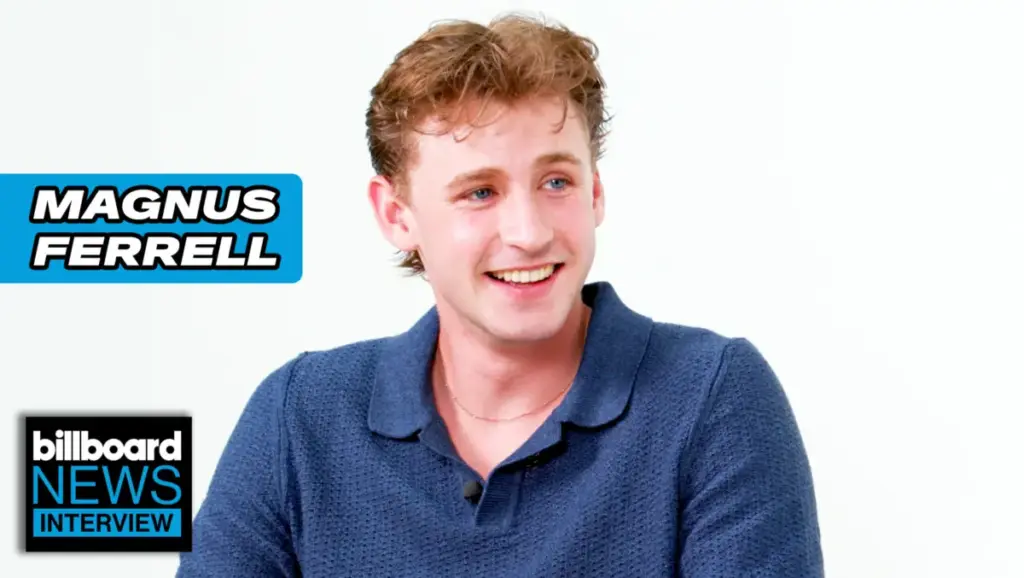
In a recent, wide-ranging interview with Billboard News host Tetris Kelly, Ferrell peeled back the curtain on how "Asleep Talking" came together with surprising speed, what it has been like to transition from bedroom producer to festival headliner, and why he is leaning fully into a rich, emotive R&B and soul sound. Far from resting on the laurels of his famous last name—he is the son of iconic comedic actor Will Ferrell—Magnus is fiercely committed to earning his stripes. Addressing the inevitable "nepo baby" discourse head-on, the young musician balances an acute awareness of his innate privilege with an unyielding work ethic.
As he prepares to release his next offering, "Flower After Rain," and reflects on milestone live performances at prestigious venues like the Blue Note and major festivals like Outside Lands, Ferrell is proving that his artistic vision stands entirely on its own two feet. This article explores the anatomy of his viral rise, his deep-seated musical roots, the reality of navigating industry scrutiny, and what the future holds for an artist who is only just beginning to find his groove.
Detailed Chronology: The Making and Momentum of "Asleep Talking"
Every breakout artist has a catalyst moment—a single spark that accelerates years of behind-the-scenes toil into the public consciousness. For Magnus Ferrell, that catalyst was "Asleep Talking," a mesmerizing fusion of contemporary R&B textures and classic soul vocal arrangements that caught fire across digital platforms almost overnight.
The Rapid Genesis of a Hit
Speaking with Billboard News, Ferrell revealed that despite the polished, soulful sophistication of "Asleep Talking," the track actually came together with remarkable speed. In an industry where songs are often meticulously labored over for months—re-recorded, endlessly mixed, and executive-produced to death—Ferrell’s breakout single benefited from a spontaneous creative burst.
"It came together fast," Ferrell explained, detailing the organic process of capturing lightning in a bottle. Rather than overthinking the composition, he leaned into raw instinct, allowing the melody and lyricism to flow without obstruction. This immediacy is likely a primary reason the track resonates so deeply with listeners; it retains an unvarnished emotional truth that heavily produced, sterile pop tracks often lack.
When the song finally dropped, it didn’t just accumulate passive streams—it ignited a cultural conversation online. Yet, despite the dopamine hits associated with climbing charts and algorithm-driven discovery, Ferrell maintains a healthy psychological distance from the metrics. "I try not to obsess over streaming numbers," he noted, recognizing that getting bogged down in daily analytics can stifle artistic authenticity. Instead, he believes that true musical connection happens when a song finds its moment in the cultural zeitgeist because of its intrinsic emotional weight rather than marketing brute force.
Hitting the Road: From Studio to Stage
With "Asleep Talking" dominating playlists, Ferrell was thrust headfirst into the realities of modern touring. For an artist accustomed to the solitary environment of the recording studio or the local venue circuit, hitting the road for high-profile festivals and live shows was a seismic shift.
Reflecting on his recent touring experiences, Ferrell’s enthusiasm was palpable. "Dude, it’s all I’ve ever dreamed of, to be honest," he shared with Tetris Kelly. "Since, I don’t know, I was like a kid, this is all I’ve been wanting to do for my whole life, so it’s been super special to get to experience it for the first time this last month or so. It’s been insane."
This transition from digital obscurity to flesh-and-blood performance culminated in major live milestones, including standout sets at the legendary Blue Note jazz club and the eclectic Outside Lands festival. Performing in these spaces required Ferrell to translate the smooth, intimate atmospheres of his recorded tracks into dynamic, engaging live shows capable of holding the attention of diverse festival crowds. By all accounts, he has risen to the occasion, proving that his vocal delivery is just as formidable live as it is in a controlled studio environment.
Supporting Context & Metrics: Navigating the R&B/Soul Renaissance and Real-Time Growth
To fully understand Magnus Ferrell’s artistic trajectory, one must examine the broader sonic landscape he is operating within. The resurgence of organic R&B, neo-soul, and jazz-infused pop has created a fertile environment for artists who prioritize vocal agility, live instrumentation, and emotional vulnerability.
Rooted in Tradition, Tailored for Today
Ferrell’s stylistic pivot toward a full-bodied R&B and soul sound is not a calculated marketing ploy; it is the natural byproduct of his lifelong musical education. During his Billboard News interview, he discussed how his deep musical roots have directly shaped his vocal styling and rhythmic groove. Growing up immersed in classic soul records, jazz instrumentation, and timeless songwriting structures, Ferrell absorbed the cadences of past masters long before he ever stepped up to a microphone.
This reverence for tradition is further evidenced by his decision to release an acoustic version of "Asleep Talking." In an era where artists often rely on heavy remix packages and electronic dance edits to extend a song’s lifecycle, stripping "Asleep Talking" down to its bare bones was a bold statement of confidence. It allowed audiences and critics alike to evaluate the core songwriting and vocal prowess without the safety net of studio production tricks.
Exponential Audience Growth and Unexpected Endorsements
As his audience expands in real time, Ferrell has found himself on the receiving end of surreal, high-profile moments of validation. Among the most notable was an unexpected social media shout-out that serendipitously connected back to the gravitational pull of Michelle Obama’s influential podcast and media ecosystem.
For a young artist building momentum, such endorsements act as powerful validation. They signal to the wider industry—and to skeptical listeners—that Ferrell’s appeal extends far beyond niche internet circles or family connections. He is drawing in tastemakers who evaluate music strictly on its merit.
Official Statements: Confronting the "Nepo Baby" Discourse Head-On
Perhaps the most compelling portion of Ferrell’s conversation with Tetris Kelly was his unflinching address of a topic that hangs over every second-generation artist entering the entertainment industry: the "nepo baby" conversation.
In contemporary media culture, having famous parents is simultaneously an open door and a heavy cross to bear. While family connections can provide access to executives, capital, and initial attention that independent artists struggle for years to secure, they also invite intense public skepticism. Critics are often quick to dismiss the achievements of celebrity children as unearned privileges handed down on a silver platter.
Rather than dodging the question or becoming defensive, Magnus Ferrell leaned directly into the discourse with striking maturity and self-awareness.
When Tetris Kelly asked what he would say to people who might write him off as "just a nepo baby," Ferrell delivered a measured, accountable response:
"I have to acknowledge the position I’m in to begin with because I have been gifted this opportunity to pursue a dream that some people just will never have."
This level-headed acknowledgement sets Ferrell apart from many of his peers. He does not attempt to paint himself as an entirely self-made underdog who pulled himself up by his bootstraps with zero external advantages. Instead, he balances this profound gratitude for his unique starting point with an unwavering emphasis on the grueling labor required to actually sustain a career in music.
Having the door opened is one thing; walking through it, performing under the hot lights, writing compelling songs, and retaining an audience requires genuine talent and relentless work. Ferrell’s philosophy is clear: privilege provides the platform, but the music itself must do the heavy lifting to earn the listener’s respect. By addressing the elephant in the room with transparency and grace, he disarms his critics and shifts the focus back to where it belongs—the art.
Future Outlook: "Flower After Rain" and the Path Ahead
With the dust settling on his initial viral explosion and his first major festival runs under his belt, Magnus Ferrell is wasting no time looking backward. The momentum generated by "Asleep Talking" is merely the opening chapter of a much larger artistic journey.
Building the Next Phase
Looking ahead, Ferrell is hard at work constructing the next phase of his musical identity. Central to this upcoming era is his forthcoming single, "Flower After Rain." While details regarding the release are still unfolding, the track promises to further solidify his sonic footprint within the R&B and soul genres, showcasing deeper lyricism and even more refined production sensibilities.
Moreover, Ferrell’s commitment to artistic growth suggests that he is not interested in chasing the exact same formula that made his first single viral. Instead, he views his current success as a launching pad to experiment, hone his craft, and continuously challenge listener expectations. Whether he is performing in intimate jazz clubs like the Blue Note or commanding expansive festival stages, his trajectory points toward an enduring career built on authenticity, exceptional vocal execution, and a tireless dedication to his art.
As Magnus Ferrell continues to step out of the shadows of expectation and into the glowing warmth of his own spotlight, one thing is certain: he is an artist who understands both the weight of his opportunities and the responsibility of his talent. For an industry constantly searching for the next generation of authentic voices, Ferrell is proving that he is more than just a viral moment—he is here to stay.