Executive Overview
The landscape of the beauty industry is undergoing a structural realignment. For decades, legacy skin-care brands built their empires on the back of closed-loop ecosystems—relying primarily on multi-level marketing (MLM), direct-selling networks, and exclusive consultant-to-consumer relationships. Today, that playbook is being rewritten out of necessity.
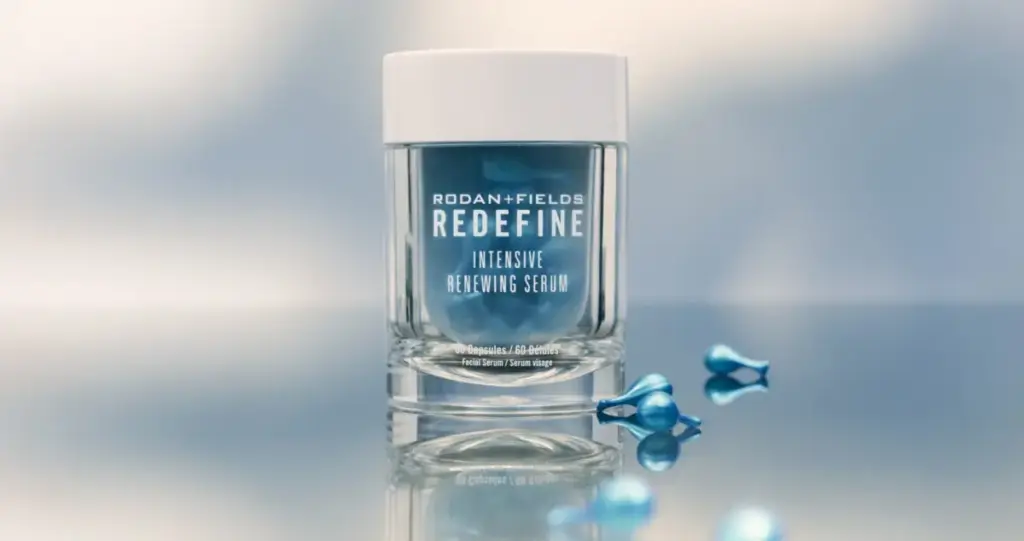
No brand exemplifies this high-stakes pivot quite like Rodan + Fields. Once the undisputed titan of direct-sales skincare, the brand is currently executing a comprehensive, aggressive transformation to shed its insular roots and embrace a modern omnichannel model. This week’s developments mark a critical milestone in that journey: the brand’s official storefront launch on the Amazon Premium Beauty Store.
This digital expansion does not happen in a vacuum. It runs parallel to a massive physical retail scaling strategy—growing its presence at Ulta Beauty from 150 doors to 400—while simultaneously maintaining a massive 70,000-person-strong affiliate network and planting flags on emerging social commerce platforms like TikTok Shop.
According to CEO Dimitri Haloulos, this multi-pronged approach is designed to capture modern consumer demand where it actually lives. However, transitioning from a localized, consultant-driven ecosystem to the hyper-competitive waters of mass prestige retail and e-commerce giants is fraught with operational challenges.
This deep-dive analysis examines Rodan + Fields’ metamorphosis, contextualizing it within a broader beauty industry trend where omnichannel distribution has shifted from a luxury growth strategy to an existential requirement. Furthermore, we explore shifting consumer demographics in the aesthetic space, recent regulatory headwinds in the global fragrance market, and the retail strategies defining the beauty economy today.
Detailed Chronology: The Road to Modern Omnichannel
The structural overhaul of Rodan + Fields did not happen overnight; it is the result of a multi-year corporate restructuring designed to rescue the brand from the stagnating growth curves plaguing traditional direct-sales models.
Phase 1: Rebuilding the Foundation (2024–2025)
For years, Rodan + Fields operated as a closed ecosystem. However, as shifting consumer habits permanently altered how shoppers discover, research, and purchase beauty products, leadership recognized the urgent need for structural disruption.
In 2024, the company announced plans to eliminate approximately 100 corporate roles, signaling a strategic retreat from its heavy reliance on its original multi-level direct selling infrastructure. To steer this pivot toward traditional and digital retail, the company recruited L’Oréal veteran Anncy Rowe as Chief Commercial Officer.
"Two years ago, we did a lot of work. We didn’t have Anncy. We didn’t have a marketing department," CEO Dimitri Haloulos reflects. "We have rebuilt the company over the past two years, and really transformed our glide path. Now’s the time for us to bring more accessibility to customers."
Phase 2: Entering Prestige Brick-and-Mortar (2025)
The first true test of the brand’s omnichannel capability came with its initial rollout into 150 Ulta Beauty stores in 2025. Moving a prestige skincare line historically sold exclusively through private consultants into a brightly lit, self-service national retail chain was a massive gamble. Would core consultants feel alienated? Would brand equity be diluted?
According to leadership, the answer to both questions was a resounding no. Rather than cannibalizing the direct-sales channel, the physical footprint at Ulta acted as a credibility anchor.
Phase 3: The Amazon Premium Beauty Integration (August 2026)
Building on the momentum of its physical retail expansion, Rodan + Fields took its next major leap last week by officially launching within the Amazon Premium Beauty Store.
While many heritage prestige beauty brands historically avoided Amazon due to concerns over grey-market third-party sellers and brand elevation, the platform’s Premium Beauty division has evolved into an indispensable engine for customer acquisition. By securing an authorized storefront, Rodan + Fields is plugging directly into a massive, intent-driven consumer base that bypasses traditional search engines entirely in favor of Amazon’s ecosystem.
Supporting Context & Metrics: The Retail Landscape of 2026
To understand why Rodan + Fields is taking such aggressive measures, one only needs to look at current retail performance data across the broader beauty sector. Omnichannel distribution has officially transformed from an optional expansion vector into baseline table stakes for survival.
The Powerhouse Channels: Ulta and Amazon
The financial health of Rodan + Fields’ chosen retail partners underscores the viability of this pivot:
- Ulta Beauty: The massive beauty retailer reported that its net sales grew by 8.9% to reach $3 billion in the second quarter of 2026, showcasing sustained consumer appetite for prestige beauty experiences in physical stores.
- Amazon Beauty: According to data compiled by e-market analysts Front Row, beauty sales on Amazon surged by 27% during the same quarter, hitting a staggering $9.8 billion. Skincare sales specifically outperformed the broader category, jumping 33% year-over-year.
A Broader Industry Exodus to Omnichannel
Rodan + Fields is far from alone in breaking down traditional distribution walls. A-list prestige and specialty brands are rapidly diversifying their retail portfolios:
- Byredo: The luxury fragrance and beauty house expanded its footprint by launching in U.S. Sephora stores in September.
- Bath & Body Works: Boasting a brick-and-mortar footprint of 1,900 stores across North America, the brand nonetheless entered the Amazon ecosystem in February, followed by a strategic rollout at Ulta Beauty in July. Reports indicate that Bath & Body Works’ Amazon sales have already tripled as it seeks to reignite long-term growth.
- Target’s Post-Ulta Beauty Sections: Emerging and indie brands are increasingly flocking to Target’s specialized beauty aisles to capture middle-market consumers migrating away from legacy department stores.
- Curology & Mass Retail: Clinical subscription brands are finding that offline accessibility drastically outperforms pure-play digital acquisition; Curology recently noted that Walmart shoppers convert to its prescription skincare offerings at five times its online rate.
Official Statements and Leadership Insights: Navigating Channel Conflict
One of the most pressing questions facing brands that transition from direct sales to open-market retail is channel conflict: Will retail giants and e-commerce platforms destroy the livelihoods of independent consultants?
Dimitri Haloulos firmly rejects this premise, pointing to internal data gathered since the brand’s initial rollout into 150 Ulta doors. According to Haloulos, overall affiliate sales in regions surrounding those pilot stores remained completely flat, proving that retail accessibility does not automatically cannibalize peer-to-peer sales. In fact, many individual consultant businesses experienced growth.
"Many consultants’ businesses actually grew, because there’s credibility saying, ‘Hey, I want to talk to you about a product. It’s also in an Ulta,’" Haloulos explains.
"[Affiliates] have trust, but they might not have the credibility that an Ulta has. And we believe the same will happen on Amazon."
By positioning national retailers and Amazon as top-of-funnel brand awareness drivers, Rodan + Fields aims to leverage its 70,000-person affiliate network not as its sole point of transaction, but as a hyper-personalized relationship engine. The brand’s overarching goal is to unlock "pockets of demand" that were structurally inaccessible when restricted exclusively to the closed-loop MLM model.
Future Outlook & Broader Beauty Industry Trends
As Rodan + Fields scales its Ulta footprint from 150 to 400 doors, embeds itself deeper into Amazon Premium Beauty, and maintains a presence on TikTok Shop, its evolution offers a predictive case study for other legacy direct-sales giants. However, the broader beauty and wellness economy is currently reacting to several other macroeconomic and cultural shifts that will dictate market winners and losers over the next decade.
1. The Demographic Shift in Aesthetics
While brands fight over Gen Z digital natives through TikTok Shop integrations, spending power in the clinical skincare and aesthetic procedures market is experiencing a profound generational inversion.
According to the American Society of Plastic Surgeons’ newly released 2025 Procedural Statistics Report, plastic surgery and advanced aesthetic interventions are surging among older patients. Specifically, procedures among patients aged 66 and older grew by a remarkable 24%, establishing this demographic as the fastest-growing age cohort in the aesthetic space. Conversely, procedures dropped by 9% among patients aged 18–25, and fell 5% among those aged 26–35. This data signals a massive, lucrative runway for science-backed, anti-aging skincare brands like Rodan + Fields that cater directly to mature consumers possessing high disposable income.
2. Global Regulatory Pressures on Fragrance Giants
While skincare brands optimize their retail supply chains, the fragrance sector—which has experienced a historic post-pandemic boom—is facing severe regulatory scrutiny. Recent internal documents revealed by Reuters indicate that India has launched an active antitrust investigation into several global fragrance giants over allegations of systemic price collusion. As regulatory bodies worldwide clamp down on pricing practices across consumer goods conglomerates, fragrance houses may face margin compression that forces them to rethink pricing strategies and retail partnerships.
3. The Monetization of Social Graphs
The intersection of peer-to-peer recommendation and e-commerce continues to blur. Industry developments, such as the rapid rise of platforms like ShopMy helping everyday creators monetize personal affinity links, suggest that affiliate marketing is moving out of the professional influencer bubble and into private chat rooms. For legacy brands, integrating affiliate networks with open-market retail giants like Amazon and Ulta will require sophisticated attribution modeling to ensure that independent sellers feel rewarded rather than bypassed.
Conclusion
Rodan + Fields’ transformation from a walled-garden direct-selling pioneer into an agile, affiliate-fueled omnichannel enterprise is one of the most ambitious corporate pivots in modern beauty history. By harmonizing a 70,000-strong consultant network with a massive physical retail footprint at Ulta and a commanding presence on Amazon, the brand is betting that consumer trust is not localized to a single channel. If executed successfully, this playbook may well serve as the survival blueprint for every heritage beauty brand attempting to navigate the complexities of the modern retail era.