Executive Overview
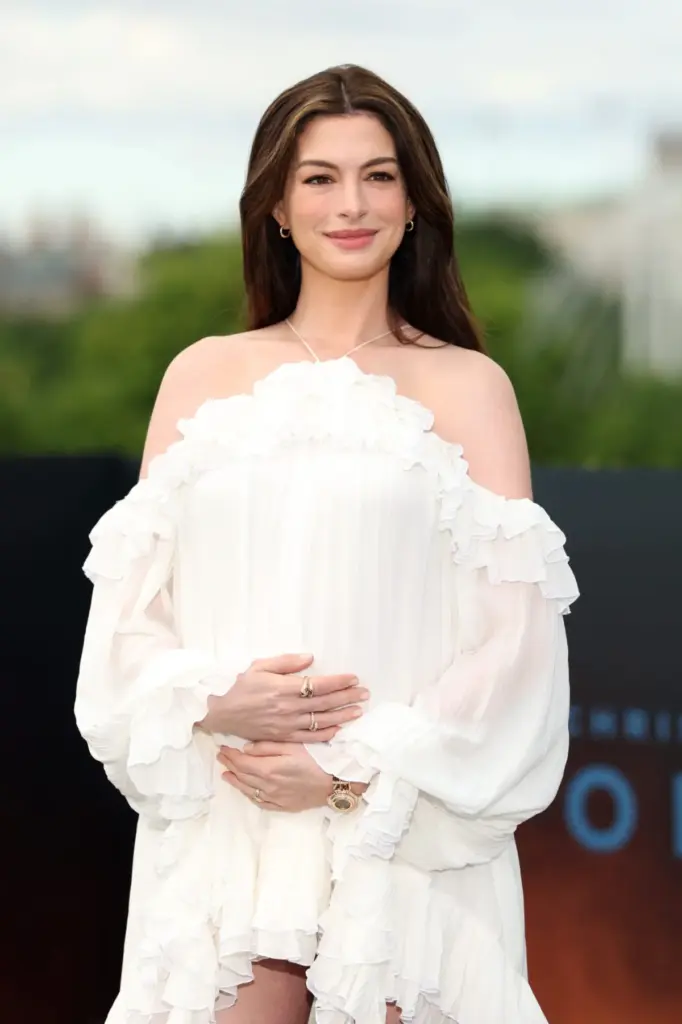
In the fast-paced ecosystem of celebrity beauty trends, few transformations carry the immediate cultural weight of a major hair pivot. When Academy Award-winning actress Anne Hathaway debuted a dramatic, Swinging Sixties-inspired pixie cut on the cover of Vogue China, it sent an instantaneous ripple through the digital landscape. Known historically for her chameleon-like ability to seamlessly transition between Old Hollywood glamour, glossy lobs, and voluminous modern blowouts, Hathaway’s latest aesthetic choice marks her shortest hair length in over a decade.
This comprehensive analysis explores the anatomy of Hathaway’s latest high-fashion statement, juxtaposing the technical execution of the cut against historical beauty paradigms. Furthermore, this report examines the mechanics of modern editorial styling—distinguishing between permanent transformations and high-end faux-hair wizardry—while contextualizing the broader industry pivot toward 1960s Mod nostalgia. As beauty consumers increasingly look to past decades for high-impact visual statements, Hathaway’s cover appearance serves as a masterclass in modern celebrity branding, digital engagement, and the enduring power of transformative hair.
Detailed Chronology: From Les Misérables to the Mod Revival
To fully understand the magnitude of Hathaway’s recent editorial reveal, one must trace the timeline of her historic hair evolutions. The actress is no stranger to radical shears. For over two decades in the public eye, Hathaway has used her hair as a dynamic extension of her characters and personal brand, moving fluidly from the quintessential long, cascading brown tresses of her early career to daring, high-concept crops.
The 2013 Watershed Moment
The benchmark for Hathaway’s short-hair history remains her transformation for the 2012 cinematic adaptation of Les Misérables. Portraying the tragic Fantine, Hathaway famously chopped off her signature locks on camera—a visceral, unscripted moment that mirrored her character’s desperation. That cropped pixie, which eventually earned her an Academy Award for Best Supporting Actress, defined an era of celebrity hair trends. For years following the Les Misérables press tour, the "Hathaway pixie" was heavily referenced in salons worldwide, proving that she could carry a short crop with as much elegance as classic length.
The Intervening Decade: Navigating Lengths
In the thirteen years following her iconic 2013 crop, Hathaway largely steered clear of micro-lengths. Instead, her aesthetic journey favored versatility:
- The Glossy Lob: A sophisticated, collarbone-grazing bob that became her signature off-duty look during major promotional circuits.
- Voluminous Hollywood Blowouts: Rich, layered brunette lengths characterized by heavy bounce and deep side parts, nodding to 1970s disco queens and classic screen sirens.
- Experimental Bangs: Occasional excursions into curtain bangs and textured fringes that framed her expressive face without compromising overall length.
The Vogue China Revelation
Thirteen years after she shocked the world with her Fantine cut, Hathaway disrupted the beauty cycle once again. Revealed via her official Instagram account and the pages of Vogue China, the look featured a sharply cropped, texturized silhouette directly inspired by the mid-1960s British invasion. Featuring close-cropped sides, a softly rounded crown, and heavy, blunt micro-bangs, the look immediately invited comparisons to the iconic Mod aesthetics of early Beatles era iconography and Twiggy-esque London street style.

Supporting Context & Metrics: The Anatomy of a Mod Haircut
The execution of Hathaway’s Vogue China cover look is a masterclass in modern hair geometry, blending retro reference points with contemporary styling techniques.
Technical Breakdown of the Cut
To achieve the quintessential 1960s "Mod" or "Beatles chic" aesthetic, several structural hair design principles must align:
- Close-Cropped Temples and Nape: Unlike a traditional soft pixie, which often leaves length around the ears to frame the jawline, the Mod crop requires a tighter taper near the sides and the nape of the neck. This creates a striking contrast against the volume built on top of the head.
- The Rounded Crown: The architecture of the top sections is crucial. Rather than laying flat, the hair is cut to create a rounded, helmet-like silhouette that sits weightlessly above the brow line.
- Blunt, Structured Bangs: The focal point of the entire style is the fringe. Cut straight across or with microscopic texturizing to avoid looking overly severe, the heavy bangs draw immediate attention to the eyes and cheekbones, acting as an intense framing device.
The Reality Check: Real vs. Faux
While the visual impact of the cut is undeniable, beauty sleuths and industry insiders immediately engaged in the eternal debate that accompanies high-fashion editorial spreads: Is it real?
A close evaluation of the photographic evidence and Hathaway’s recent public appearances strongly suggests that the cut is the brilliant handiwork of a custom, expertly constructed lace-front wig—a staple of high-fashion magazine shoots. Editorial styling often demands radical transformations that can be reversed by the afternoon tea break, allowing celebrities to experiment with drastic silhouettes without long-term maintenance or continuity issues for ongoing film and television projects.
However, industry experts note that whether real or faux, the psychological and cultural impact remains identical. As consumer metrics show, high-impact editorial imagery drives search engine traffic, social media shares, and salon requests regardless of whether the hair was sheared with real steel or pinned beneath a cap.
Official Statements and Industry Reception
The global response to Hathaway’s cover was immediate and universally laudable. Social media platforms, particularly Instagram and TikTok, experienced an influx of video breakdowns, style analyses, and fan reactions celebrating the return of "Short Hair Hathaway."

Stylistic Praise Across the Board
Leading beauty publications and celebrity hairstylists weighed in on the look, noting that Hathaway possesses the rare facial bone structure capable of carrying extreme geometric shapes.
- "A short haircut can either obscure or elevate a person’s features; in Anne’s case, a micro-crop serves to spotlight her exceptionally expressive eyes and defined jawline," noted prominent editorial stylists.
- Fashion historians pointed out the cyclical nature of trends, noting that the return of 1960s London Mod styles aligns perfectly with broader macro-trends in the luxury fashion sector, which has increasingly embraced mid-century tailoring, minimalist silhouettes, and playful, youth-quake accessories.
The Celebrity Effect on Consumer Demand
When a high-profile figure like Hathaway adopts a signature historical look, the trickle-down effect on the consumer market is swift. Salons historically report spikes in "pixie cut" and "micro-bangs" inquiries following high-profile magazine spreads. Beauty brands utilize these cultural moments to market texturizing pastes, lightweight pomades, and shine serums designed to give short hair that pristine, polished mod finish.
Future Outlook: What Hathaway’s Transformation Signals for Celebrity Beauty
As the beauty industry continues to move away from uniform, hyper-curated aesthetic standards toward individualistic, high-concept expression, Hathaway’s editorial moment offers a glimpse into the future of celebrity styling.
1. The Death of the "Safe" Press Tour
Gone are the days when actresses promoted films exclusively with cascading, beach-wave extensions. Today’s landscape demands disruption. By embracing a high-risk, high-reward hairstyle—even temporarily via a wig—Hathaway reinforces her status as a dynamic style icon who refuses to lean into predictable beauty tropes.
2. The Acceleration of Retro-Futurism
The fusion of 1960s silhouettes with hyper-modern makeup and styling points to a larger trend: retro-futurism. As consumers experience trend fatigue from the relentless recycling of the 1990s and Y2K eras, the 1960s and 1970s are emerging as the next frontier for nostalgic exploration. Expect to see more graphic eyeliner, geometric cuts, and structural tailoring dominating both red carpets and editorial spreads in the coming seasons.
3. The Enduring Power of the Chameleon
Ultimately, Hathaway’s Vogue China cover proves that the most successful beauty icons are those who can reinvent their visual narrative overnight. Whether the crop was clipped or capped, Anne Hathaway has once again reminded the world why she remains an undisputed heavyweight of global glamour: she understands that in fashion, the greatest accessory is a willingness to surprise.