Executive Overview
In an era dominated by hyper-curated aesthetics, viral TikTok micro-trends, and the relentless cycle of fast fashion, a quieter, deeply emotional movement is taking root in closets around the globe. Adults are increasingly bypassing contemporary runway trends in favor of sartorial time travel, deliberately dressing in replicas, homages, and stylistic echoes of their childhood wardrobes. Far from being a mere adolescent regression or a superficial aesthetic gimmick, this phenomenon—often described as therapeutic dressing—is emerging as a powerful psychological tool.
Recent discussions bridging psychology and fashion point to a profound shift in how we view the garments hanging in our closets. Clothing is no longer seen strictly as a tool for external projection or societal conformity; rather, it is being harnessed as a somatic anchor. For individuals navigating profound personal grief, chronic stress, or the existential fatigue of modern adulthood, slipping into a fluffy pastel sweater, a butterfly-print tank top, or a faux-fur-trimmed cardigan can act as a bridge to a simpler, safer iteration of the self.
This deep-dive investigation explores the intersection of memory, psychology, and personal style. By examining the psychological concept of “wardrobe ethnography,” consulting leading fashion psychologists, and analyzing the mechanics of inner-child healing through dress, we uncover why wearing our past might just be the key to reclaiming our present.
Detailed Chronology: The Journey Back to the Playground
To understand the weight of this trend, one must trace its psychological trajectory—often catalyzed by unexpected life events, personal loss, or a collective cultural yearning for safety.
The Catalyst: Seeking Comfort in Crisis
For many, the turn toward childhood aesthetics does not begin in a pristine boutique or on a curated mood board, but at a moment of profound vulnerability. Consider the personal account of one individual who, following the sudden death of her brother, found herself standing at an emotional precipice. Plunged into a profound personal nadir, the simple act of navigating daily life felt exhausting.
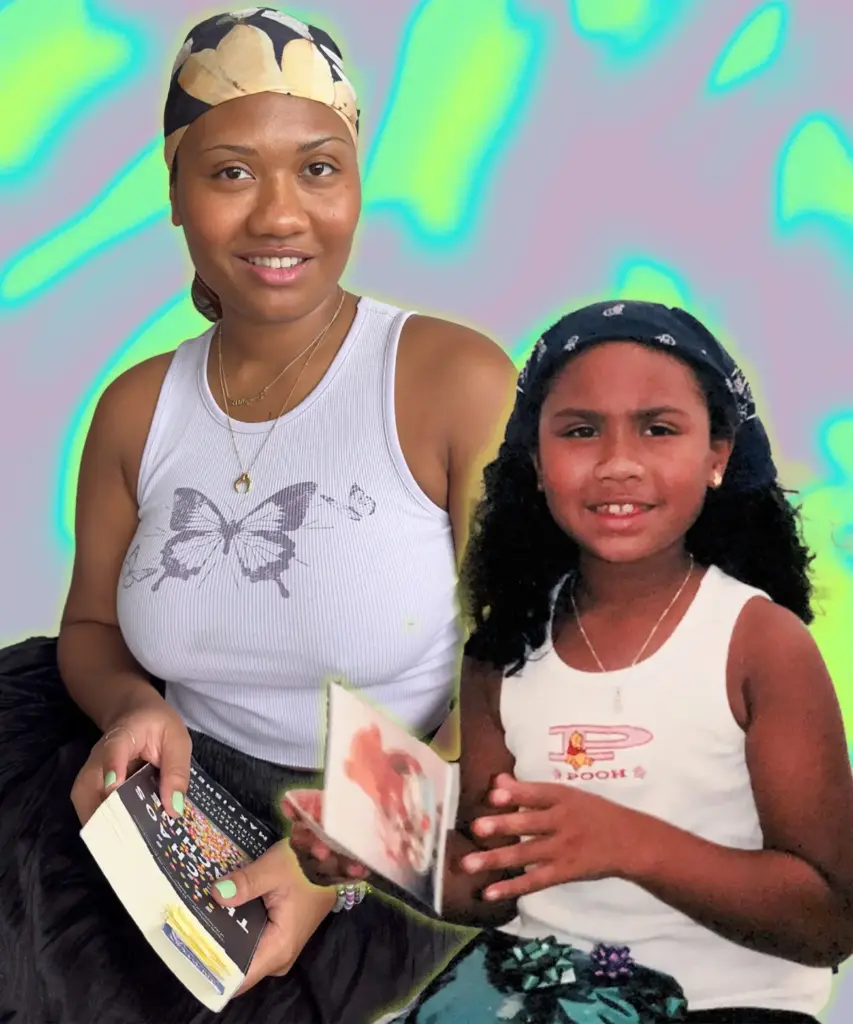
During a late-night scroll through online vintage shops—a modern ritual of searching for something to feel amidst emotional numbness—an impulse purchase was made: a short, lilac tank top adorned with a butterfly print. To an adult eye hyper-conscious of professional appropriateness and trends, it bordered on overly "girly" and kitsch. Yet, upon arrival, the garment unlocked a sensory vault. It was a direct descendant of the early-2000s staples worn during childhood summers—an era defined by the absence of smartphone notifications, constant connectivity, and crushing adult obligations.
The Sensory Awakening of the Past
The tactile experience of nostalgic dressing goes far beyond visual appeal. When the packaging of a newly ordered, off-the-shoulder pink sweater—an exact replica of a favorite childhood garment—was opened, the psychological transition was immediate.
The wearer was instantly transported from a modern London apartment back to a Canadian suburban home at age 11, slipping into a favorite school-photo outfit. Sensory memories cascaded forward: the imagined scent of coconut-scented, long hair; the distinct presence of a subtle childhood upper-lip shadow; the oversized, curious eyes staring back into a bedroom mirror while a clock radio played softly in the background.
This was not simply styling an outfit; it was an act of temporal repatriation. It demonstrated that while the calendar pages continue to turn, the emotional architecture of the inner child remains fully intact, waiting quietly beneath the surface of adult responsibilities.
Supporting Context & Metrics: The Psychology of "Wardrobe Ethnography"
Fashion has always been cyclical, with decades reliably returning to the cultural forefront every twenty to thirty years. However, the current Y2K and 90s revivals differ fundamentally from past iterations. Today, consumers are not merely referencing a historical era; they are seeking personal resonance, emotional safety, and psychological grounding.
Understanding Wardrobe Ethnography
To contextualize this shift, we turn to the framework of fashion psychology. Shakaila Forbes-Bell, a pioneering voice in the field, highlights a crucial concept known as wardrobe ethnography.
"In fashion psychology, there is a concept called ‘wardrobe ethnography’. It describes your wardrobe as a mirror of all the decisions you have made up to this point in your life," explains Forbes-Bell. "These decisions say something about who you were at a specific time—what you were influenced by, what you saw in yourself, what lifestyle you led back then. I think it can be very liberating to wear clothes that remind you of your childhood."
Wardrobe ethnography posits that our closets are living archives. Every garment represents a historical data point of our evolving identity, coping mechanisms, and cultural environment. When we consciously reintroduce elements of our childhood wardrobe into our daily rotation, we are curating a dialogue between our past and present selves.
The Anatomy of Childhood Memory
Interestingly, this psychological mechanism functions effectively regardless of whether an individual’s childhood was idyllic or turbulent. Human memory naturally edits and selects, often prioritizing the sensory, playful elements of youth—bright colors, whimsical patterns, and uninhibited self-expression—over the darker complexities.
For those whose childhoods involved trauma, high-stress environments, or premature pressure to grow up, wearing items reminiscent of youth can serve as a physical boundary. It is an assertion of agency. As Forbes-Bell notes, getting dressed is never a neutral, automated act; it is a deliberate decision that triggers internal and external reactions.
Official Statements and Therapeutic Frameworks
The intentional use of clothing as an emotional regulator aligns closely with established psychotherapeutic modalities, most notably inner child work.
Bridging Play and Trauma Recovery
In clinical psychology, inner-child work involves addressing and healing unresolved wounds from early development. While wearing a vintage cardigan or a brightly colored hair clip cannot replace targeted psychotherapy or erase complex trauma, mental health professionals increasingly recognize somatic anchors as valuable complementary tools.
When an adult facing acute grief or chronic burnout dons a garment associated with the perceived safety of childhood, they are engaging in a form of self-soothing. It provides a tactile sanctuary.
Pop culture has long intuitively understood this psychological truth. A prime example is found in the beloved cinematic scene from 13 Going on 30, where the protagonist Jenna (played by Jennifer Garner) prepares for her first night out as a thirty-year-old. To the upbeat strains of Whitney Houston’s I Wanna Dance With Somebody, Jenna bypasses the rigid, austere expectations of "mature adulthood" in favor of her most vibrant dress, eccentric jewelry, and colorful hair clips. She leaves her apartment with broad, uninhibited smiles and swinging arms.
Reclaiming this level of playfulness in adult styling functions similarly. When one pairs a vintage faux-fur-trimmed collar with a transparent top and a black miniskirt for a dinner with friends, the underlying internal message is profound: an unspoken, metaphorical high-five is extended to the younger self who was repeatedly told she had to grow up, conform, and abandon her innate whimsy.
Future Outlook: The Evolution of Intentional Dressing
As we look toward the future of fashion and personal identity, the conversation is shifting away from rigid trend adherence and toward radical self-expression driven by emotional intelligence.
The Shift from External Validation to Internal Autonomy
For decades, style advisory has focused on external rules: dressing for your body shape, dressing for your profession, or dressing to signal socio-economic status. The therapeutic dressing movement turns this paradigm on its head. It asks a fundamentally different question: How does this garment make my internal world feel?
As more individuals embrace wardrobe ethnography, the fashion landscape is likely to see several key developments:
- The Rise of "Feel-Good" Archives: Consumers will increasingly curate capsule wardrobes centered around emotional triggers rather than seasonal trends, valuing items that evoke comfort, safety, and personal history.
- Integration of Mental Health and Personal Styling: Stylists and fashion psychologists will work closer together, helping clients decode their wardrobe histories to unlock personal blockages and foster self-compassion.
- Redefining Maturity: Society is slowly dismantling the notion that growing up requires the total erasure of playfulness. Adulthood is expanding to accommodate joy, whimsy, and nostalgia as signs of emotional maturity rather than immaturity.
Conclusion: Wearing Your Truth
Ultimately, clothing remains one of the most immediate, accessible tools we have for communicating with both the world and ourselves. Whether opting for a sharp, tailored power suit that commands a boardroom or a fluffy, pink childhood sweater that offers an internal embrace, the underlying intention is what matters most.
By learning the language of our clothes and understanding the emotional echoes they carry, we reclaim the power to author our own narratives. It is never too late to interrogate what we put on our bodies each morning—and to ensure that the message we are sending is one that speaks directly, authentically, and lovingly to our truest selves.