Executive Overview
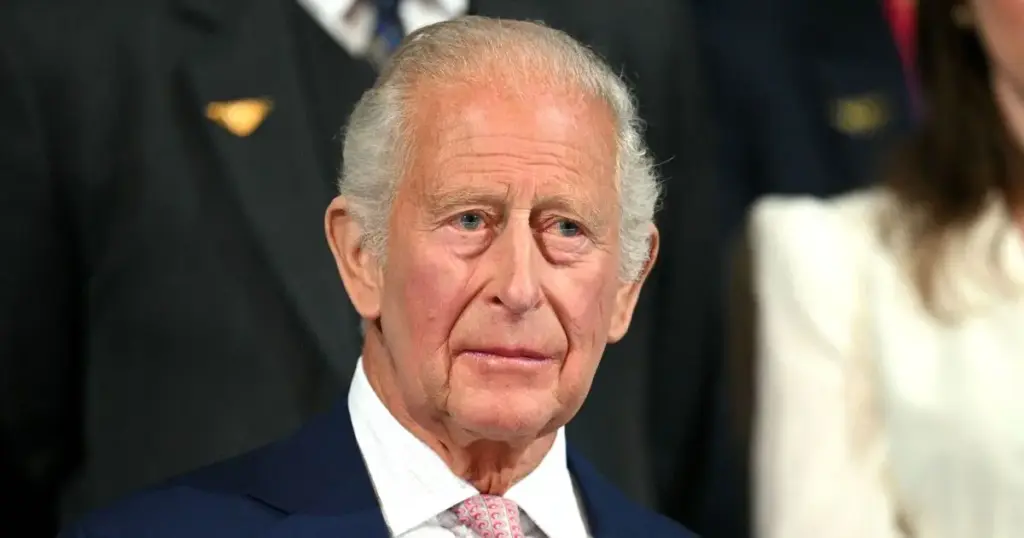
The return of Prince Harry, Meghan Markle, and their two young children to the United Kingdom has reignited a complex web of familial and institutional challenges at the heart of the British monarchy. While King Charles III—who approaches his 78th birthday this November while continuing his ongoing cancer treatment—reportedly welcomes the physical proximity of his younger son, the move introduces a sensitive dilemma for the Crown.
According to veteran royal commentators, the homecoming places the monarch in a delicate balancing act. He must manage his natural paternal affection for the Duke of Sussex alongside his deep reliance on his eldest son and heir, Prince William, whose unwavering loyalty has anchored the institution through years of transition and public scrutiny.
Compounding these domestic complexities are persistent debates surrounding security protocols, historical grievances aired in public media, and an increasingly untenable freeze in relations between the brothers. With major historic milestones on the horizon—including the approaching 30th anniversary of the tragic death of Diana, Princess of Wales—insiders suggest that the current standoff is rapidly reaching a critical inflection point, demanding a pragmatic path toward reconciliation.
Detailed Chronology: From California Exile to UK Resurgence
The 2020 Departure and the Widening Rift
The seeds of the current institutional friction were sown in early 2020, when Prince Harry and Meghan Markle announced their decision to step back as senior working members of the Royal Family. Seeking financial independence and personal privacy, the couple relocated first to Canada before permanently settling in Montecito, California.
What initially appeared to be an amicable transition swiftly devolved into open public friction. Over the subsequent years, the Duke and Duchess of Sussex participated in high-profile interviews, a docuseries, and media campaigns that offered candid—and often deeply critical—insights into the inner workings of the royal household.
The Fallout of Spare and Security Disputes
Tensions reached a high-water mark in January 2023 with the release of Prince Harry’s best-selling memoir, Spare. The explosive autobiography detailed alleged personal disputes between Harry and Prince William, recounted the Duke’s profound unhappiness within the institutional framework, and painted a stark picture of a famously private family struggling to adapt to modern realities.
Concurrently, Prince Harry engaged in a prolonged, highly publicized legal battle regarding his security arrangements. Following his departure from frontline royal duties, his taxpayer-funded security detail was altered by an independent government body—a decision made outside direct royal control. Harry has repeatedly argued that the removal of his state-funded protection leaves his family vulnerable to severe security threats, a stance that has remained a continuous source of friction between the Duke and the British establishment.
Reconnection Amid Health Battles
Despite the reported chill between the Sussexes and the wider family, personal milestones and health challenges have prompted occasional reunions. Following King Charles’s cancer diagnosis, Prince Harry made several short, high-profile trips to the UK to visit his father.
Speculation regarding a more permanent or semi-permanent return to Britain has swirled for years. Those rumors intensified following reports that the Sussexes intended to enroll their children in UK-based schools, paving the way for their latest arrival back on British soil—even as both parties maintain that a return to frontline royal duties is entirely off the table.
Supporting Context & Metrics: Navigating Family Dynamics and Public Perception
The Paternal Dilemma: Charles, William, and the Monarchy
Speaking on Sky News, former BBC Royal Correspondent Jenny Bond outlined the acute emotional and strategic pressures facing the sovereign.
"I think for Charles, it’s his darling boy is coming home," Bond observed. She noted that while the King’s health battles are not the sole catalyst for the relocation, they form an unavoidable part of the familial equation.

However, this personal relief brings immediate institutional complications:
- The Heir’s Loyalty: Prince William has stood steadfastly by his father through both personal adversity and public turmoil over the past six years. His dedication to the stability of the monarchy is paramount.
- The Balancing Act: If King Charles draws Prince Harry closer, it risks deeply offending Prince William, whose perspective on the public criticisms leveled by the Sussexes remains uncompromisingly firm.
- An Untenable Standoff: Bond emphasizes that the complete breakdown in communication between the brothers is unsustainable, pointing out that an eternal freeze is not only damaging to the family dynamic but ultimately unnecessary.
The Roadmap to Reconciliation
For relations to thaw, royal analysts suggest mutual concessions must be made behind closed doors:
- Acknowledgments of Hurt: Observers note that a gesture of accountability from Harry and Meghan regarding their public criticisms would be well-received, alongside a parallel acknowledgment from the Palace that structural processes within the institution could have been handled with greater sensitivity.
- Civility Over Friendship: Experts emphasize that a return to the "fab four" dynamic is neither realistic nor expected. Instead, the baseline goal must be a courteous, professional civil relationship between the brothers, capable of withstanding public scrutiny during state and family events.
Official Statements and Expert Perspectives
While Buckingham Palace and the offices of the Duke and Duchess of Sussex maintain a strictly guarded silence on private matters, institutional insiders and royal commentators continue to evaluate the broader implications of the family’s return.
-
Jenny Bond, Former BBC Royal Correspondent:
"So Charles has this new problem on his hands, of how to juggle his relationships with his two sons back in the UK, feeling immensely loyal to his son and heir, William… and Harry. So if you bring Harry close, are you going to offend the other one deeply, or is William going to face up to what I think is the fact of the matter, that as things stand, it’s untenable just never to speak to your brother again, isn’t it? And possibly unnecessary."
-
On Apologies and Mutual Recognition:
"An apology would be nice from Harry and Meghan because they have said and done things that have been deeply hurtful… A recognition, acknowledgement from the Palace that they could have done things better, perhaps. That all could be done privately, then surely, surely they can all move forward, and we can move forward and be civil."
Future Outlook: Milestones and the Path Ahead
As the dust settles on the Sussexes’ latest return to the UK, attention is already turning toward upcoming historic commemorations that will test the resilience of the royal family’s private diplomacy.
With the anniversary of the tragic death of Diana, Princess of Wales, falling on August 31, and the milestone 30th anniversary approaching next year, the optics of royal unity—or continued division—will be intensely scrutinized by the global media.
Bond raised a critical question regarding future public engagements: "There are events planned, there will be commemorations. Are they going to both be there? Neither of them be there? Are they going to be there and look in different directions? I don’t see how it can continue like this."
Ultimately, King Charles III faces the defining relational test of his reign: bridging the gap between his sons to protect the long-term legacy of the House of Windsor. Whether institutional pragmatism can overcome years of personal grievance remains one of the most compelling narratives in modern British history.