Executive Overview
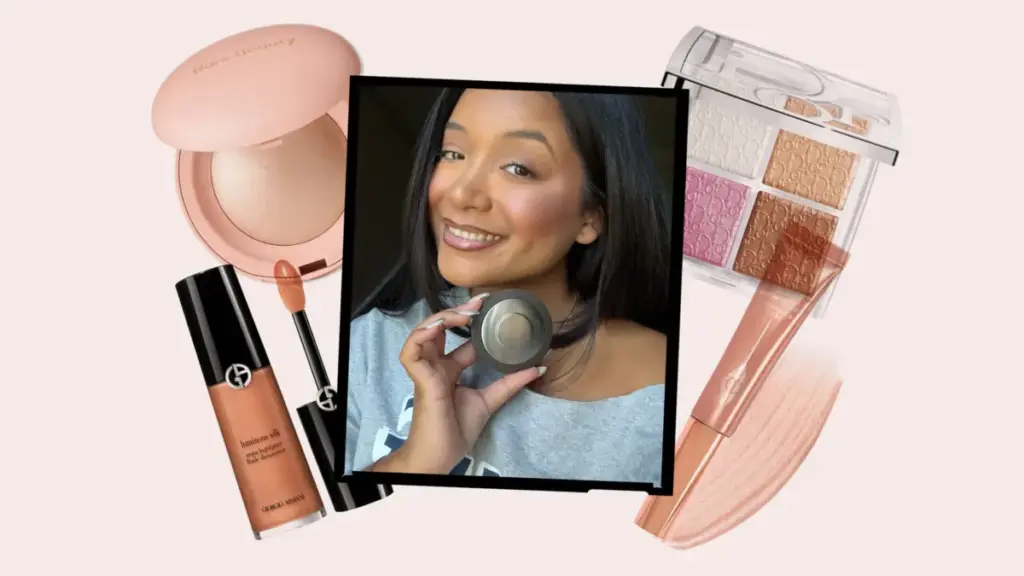
In the ever-evolving landscape of modern cosmetics, the quest for a lit-from-within complexion remains a cornerstone of aesthetic expression. Highlighter, once relegated to the specialized kits of theatrical and runway makeup artists, has transformed into an indispensable daily tool for beauty enthusiasts worldwide. However, the line between a sophisticated, ethereal radiance and an over-powdered, metallic sheen is remarkably fine. Achieving a seamless, high-fashion glow requires more than simply swiping reflective powder across the cheekbones; it demands an understanding of skin-type chemistry, strategic anatomical placement, and the meticulous interplay of formulations.
Drawing on insights from industry-leading beauty professionals, this comprehensive guide explores the multifaceted science of highlighting. We examine the precise anatomical high points of the face, dissect the chemical differences between cream, liquid, and powder formulas, and provide actionable techniques for customizing application across diverse age groups and skin textures. Furthermore, this report contextualizes how rigorous journalistic testing methodologies—championed by beauty authorities like Allure—ensure that consumers invest in products that perform exceptionally across a myriad of distinct skin tones, types, and maturities.
Detailed Chronology: The Evolution and Application of Highlighting Techniques
To fully grasp the impact of contemporary highlighting techniques, it is essential to trace how application methods have shifted from heavy strobing trends to nuanced, skin-first radiance.
Phase 1: Precision Placement on Anatomical High Points
The foundation of any successful makeup look begins with structural awareness. According to professional makeup artist Dorn, mastering highlighter relies on targeting the natural high planes of the skeletal structure where light naturally hits the face.
- The Brow Bone & Inner Corners: Applying a delicate touch of cream or powder directly beneath the tail of the eyebrow lifts the eye area, while highlighting the inner lacrimal ducts instantly awakens tired eyes.
- The Zygomatic Arch (Top of the Cheekbones): The most traditional focal point, sweeping product along the upper ridge of the cheekbone creates an immediate lifting effect.
- The Nasal Bridge: A very narrow, precise strip down the center of the nose refines and structures the profile.
- The Cupid’s Bow: Accentuating the dip above the upper lip visually enhances the fullness and definition of the mouth.
Beyond the facial architecture, editorial artists frequently extend this luminosity downward. "For a little extra radiance, consider adding a touch of highlight to the collarbone for a beautiful, cohesive glow," notes Dorn. This continuity bridges facial makeup with exposed skin on the neck and shoulders, creating a unified, red-carpet-ready aesthetic.
Phase 2: Mastering Tool Selection and the Setting Spray Method
The tools used to deposit pigment dictate the final finish. Whether utilizing synthetic brushes, natural fingertips, or specialized sponges, the technique determines whether the makeup looks skin-like or artificial.
Dorn advocates for a multi-tool approach depending on the desired finish:
- Fingertips: The warmth of the skin helps melt cream and liquid formulations directly into the epidermis, yielding a hyper-natural finish.
- Brushes: Ideal for diffusing powder highlighters evenly across broader planes without disturbing underlying base makeup.
- Damp Beautyblenders: Sprayed generously with a setting spray, a damp sponge acts as a delivery system that presses product into the skin.
The addition of setting spray serves a dual chemical purpose. Not only does it boost the longevity of the makeup by locking volatile and non-volatile silicones in place, but it also prompts the layers of powder, cream, and liquid to coalesce, eliminating powdery textures and delivering a seamless, airbrushed optical effect.
Supporting Context & Metrics: Skin-Type Chemistry and Formulation Selection
Choosing the correct highlighter formula is rarely about identifying a single "best" product on the market; rather, it is an exercise in dermatological compatibility. Skin barrier status, sebum production, and hydration levels dictate how different textures behave throughout the day.
The Science of Skin Types: Dry vs. Oily
[Skin Type Analysis]
       │
       ├──► Dry Skin ──────► Cream & Liquid Formulas (Adds Moisture & Dewiness)
       │
└──► Oily Skin ─────► Finely Milled Powders (Controls Sebum & Prevents Grease)- Dry Skin Formulations: Individuals dealing with persistent dryness or compromised lipid barriers benefit overwhelmingly from liquid and cream highlighters. These formulas frequently incorporate humectants and emollients that nourish the skin while imparting a dewy sheen. Conversely, applying a standalone powder highlighter to dry skin often results in a patchy, clinging texture that accentuates flaky areas.
- Oily Skin Formulations: For those prone to excess sebum production, introducing rich cream formulations to the high points of the face can lead to unwanted sliding and a greasy appearance by midday. Dorn advises utilizing finely milled powder highlighters for oily complexions. Furthermore, application should be strategically restrained: "Focus only in very specific areas since oil is produced so easily and you do not want an all-over shiny look."
Blending Formulas and Tailoring Finishes
Advanced makeup artistry frequently transcends rigid category boundaries. Professional artists regularly layer textures to build dimensional depth. For instance, a lightweight liquid highlighter can serve as a radiant base layer under foundation or cream blush, which is then lightly set with a dusting of translucent powder highlighter on the very highest points of the face.
Additionally, consumer choice is dictated by the desired finish profile:
- Ambient Light Highlighters: Formulated with ultra-fine, microscopic pearl pigments that diffuse light softly, mimicking natural, healthy skin.
- High-Shine / Glitter Formulas: Contain larger, highly reflective particulate matter (such as synthetic fluorphlogopite or calcium sodium borosilicate) designed to catch stage, flash, or direct sunlight for a dramatic, high-impact aesthetic.
Official Guidelines: Professional Tips for Natural Application and Mature Skin
One of the most frequent consumer complaints regarding highlighter is that it appears disconnected from the face—sitting as an unnatural, chalky stripe on top of foundation. Expert protocols offer clear pathways to circumvent this issue.
Eliminating Excess for a Seamless Finish
To ensure highlighter melds invisibly with the complexion, professional artists employ a debulking technique:
- Load the brush or sponge lightly with the chosen highlighter product.
- Tap off the excess by dabbing the tool gently onto the back of the hand or a tissue. This removes the heavy concentration of pigment from the edge of the tool.
- Build the luminosity incrementally, sweeping or patting the remaining product in ultra-fine layers until the desired intensity is achieved.
Special Considerations for Mature Skin
As skin ages, cellular turnover slows, moisture retention decreases, and fine lines become more prominent. Applying heavy, heavily glittered powder highlighters to mature skin can inadvertently emphasize textural irregularities.
A specialized routine ensures radiance without compromising skin comfort:
- Hydrating Base: Begin with a robust skincare regimen featuring humectants (like hyaluronic acid), nourishing emollients (such as shea butter), and barrier-supporting ingredients (like squalane). Layer a rich moisturizer, eye cream, and hydrating facial sunscreen before introducing any color cosmetics.
- Emollient Highlighters: Rely primarily on lightweight liquid or cream highlighters. Dorn suggests an expert blending trick: "Sometimes I even mix in a touch of highlighter with foundation to give an all-over glow."
- Strategic Final Touch: Once the complexion is unified with a luminous base, apply a micro-amount of liquid or cream highlighter exclusively to the high points of the face to reintroduce structural dimension.
Future Outlook: Rigorous Testing Methodologies and Inclusive Beauty Standards
As the beauty industry matures, consumer expectations regarding product claims and efficacy have grown increasingly stringent. Editorial authorities and testing laboratories no longer rely solely on brand-supplied marketing copy; instead, they employ multi-tiered evaluation frameworks to assess cosmetic performance.
The Anatomy of Professional Product Reviewing
When premier beauty publications evaluate highlighters and complexion products, the assessment process spans several rigorous categories:
- Ingredient Integrity & Efficacy: Scrutinizing formulation decks for skin-friendly components, active compounds, and potential irritants, often cross-referenced with peer-reviewed dermatological studies.
- Texture and Blendability: Assessing how smoothly a formula transitions from package to skin, testing for patchiness, pilling, or separation over time.
- Wear Time and Longevity: Monitoring how the product behaves across 8-to-12-hour wear windows, evaluating resistance to sebum breakdown, fading, and migration.
- Packaging and Fragrance: Evaluating practical dispensing mechanisms, travel-friendly containers, and sensory profiles (favoring hypoallergenic or fragrance-free options for sensitive skin).
The Imperative of Diversity in Testing Panels
A core evolution in modern beauty journalism is the recognition that performance metrics are deeply subjective and tied to individual biology. A highlighter that appears icy and luminous on fair skin may present as ashy or chalky on deep complexions; a high-end powder designed for dry skin may fail entirely on oily or textured skin.
Consequently, maintaining a diverse testing panel is non-negotiable. Industry-leading publications curate internal teams and external contributor networks spanning a wide spectrum of ages, skin tones, hair textures, genders, and dermatological backgrounds. This comprehensive approach ensures that consumer recommendations—whether for a teenager managing acne-prone skin or a mature adult addressing age-related dryness—are genuinely authoritative, inclusive, and reliable.
As formulations continue to advance with biotechnology-derived pigments and skincare-infused makeup hybrids, the future of highlighting will undoubtedly remain anchored in this intersection of rigorous scientific evaluation and personalized artistic expression.