Executive Overview
For decades, the beauty landscape has cycled through extreme eyebrow paradigms. From the heavily arched, razor-thin lines defining the 1990s and early 2000s to the lush, feathered brows popularized by contemporary social media, brows have consistently remained a focal point of facial aesthetics. In an effort to permanently reverse the damage inflicted by years of over-tweezing, millions turned to microblading. Marketed as a semi-permanent salvation for sparse arches, the technique promised effortless, wake-up-and-go symmetry through meticulously tattooed hair strokes.
However, a growing demographic of beauty consumers is now experiencing a very different reality. Years after their initial procedures, many individuals—including a wave of older adults trying to recapture their youth—are discovering that microblading is far from a "one-and-done" fix. Instead, aging skin, cumulative UV exposure, shifting beauty trends, and pigment degradation have transformed once-crisp strokes into blurred, distorted, and unpleasantly discolored reddish hues.
This investigative report examines the science behind microblading aging, the physiological reasons why pigments shift color, and the rigorous suite of solutions—ranging from advanced dermatological laser removal to expert-recommended topical camouflage—available to those navigating a microblading job gone awry.
Detailed Chronology: From the Initial Procedure to the Fading Crisis
To understand why microbladed brows eventually require heavy intervention, one must trace the physiological chronology of the procedure from its inception to its long-term evolution.
Phase 1: The Initial Commitment and Cellular Integration
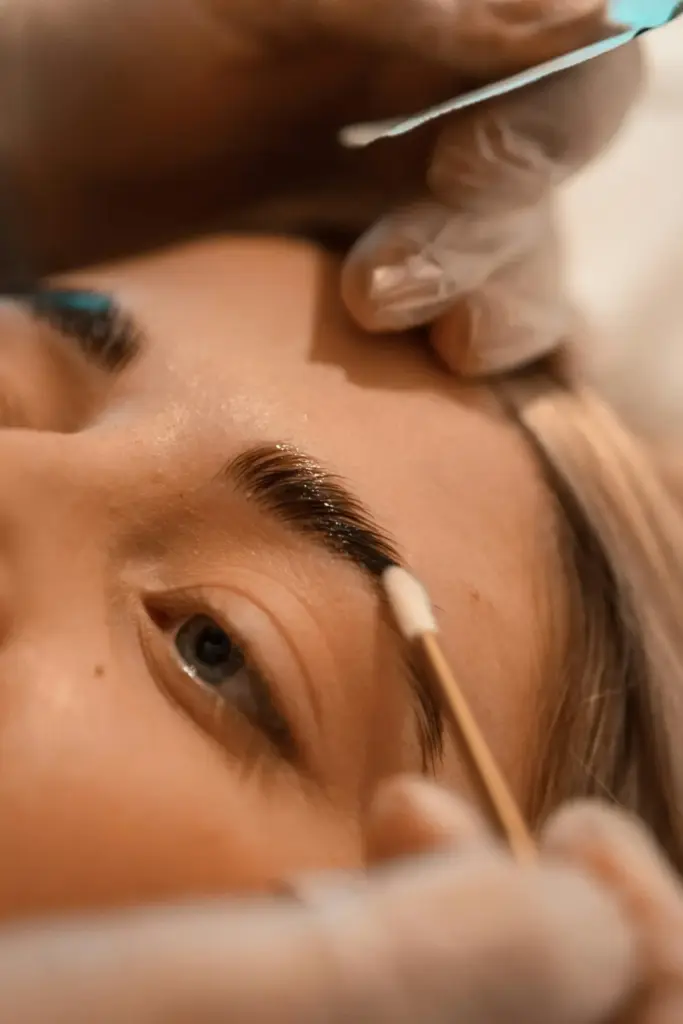
Microblading is, at its core, a form of cosmetic tattooing. Unlike traditional body art performed with heavy-duty machines, microblading utilizes a manual hand tool outfitted with a micro-blade configuration of tiny needles. These needles slice into the epidermis and the upper papillary dermis, depositing specialized iron oxide- or organic-based pigments into the skin.
Immediately following the procedure, the brows appear remarkably dark and sharp. This is because the pigment sits both within the incisions and on the surface of the skin. Over the ensuing 14 days, the skin undergoes a natural wound-healing response: micro-scabs form and flake off, and the pigment settles deeper into the dermal architecture. As the epidermis regenerates over the ink deposits, the strokes soften, appearing lighter, more natural, and integrated with existing native hairs.

Phase 2: The Maintenance Window (Years 1 to 3)
Because the body slowly metabolizes tattoo pigments and skin cells continually slough off and regenerate (a process known as cellular turnover), microblading is inherently semi-permanent. Most brow artists and industry authorities advise clients to return for touch-up sessions every 12 to 18 months.
"While the initial results can look great, microblading isn’t always a one-and-done service; it typically requires touch-ups over time to maintain your desired brow shape and color," explains Autumn Estelle, the U.S. national brow and beauty authority at Benefit Cosmetics and Boutiques.
Yet, many clients abandon this maintenance schedule. Whether due to financial fatigue, changing personal aesthetics, or shifting brow trends—such as the transition from ultra-sculpted, filled-in arches to wild, laminated, soap-brow styles—clients often let their touch-up schedules lapse entirely.
Phase 3: The Discoloration and Distortion Epoch (Years 3 and Beyond)
As the years accumulate past the initial treatment window, the structural integrity of the pigment begins to fail. The crisp, individual hair strokes drawn by the artist begin to blur, a phenomenon caused by the natural migration of ink particles through the dermal layer over time. Concurrently, chemical composition changes within the pigments trigger severe color distortion.
"As microblading fades, the color can change, leaving people unsure of how to refresh their brows without committing to another round of treatment," notes Estelle. For thousands of consumers, this manifests as an unwelcome transition from a natural brown hue to a stark, unnatural reddish or orange tint, disrupting facial harmony and leaving individuals searching desperately for corrective measures.
Supporting Context & Metrics: The Science of Pigment Shift and Skin Sensitivity
Why do brown pigments inevitably turn red over time? The answer lies in the complex chemistry of cosmetic inks and how they interact with external environmental factors.

The Chemistry of Color Degradation
Most microblading pigments are formulated by blending primary colors—black, yellow, and red—to create a natural-looking brown shade that matches the client’s hair color. However, these constituent colors possess different molecular sizes and chemical stabilities.
- Black pigments, which are typically carbon-based, tend to fade the fastest when exposed to ultraviolet (UV) radiation and cellular degradation.
- Red and yellow pigments, often formulated from iron oxides, are far more chemically stable and linger much longer in the dermal layer.
As the black and yellow components break down due to environmental stressors, the stubborn red iron oxides remain behind, dominating the color profile of the faded strokes.
Environmental and Lifestyle Catalysts
Beyond baseline chemical degradation, several external catalysts accelerate this color transformation:
- Solar Radiation: Cumulative UVA and UVB exposure breaks down pigment bonds and oxidizes iron particles, shifting cool browns into warm reds.
- Blue Light Exposure: Emerging dermatological research indicates that high-energy visible (HEV) blue light from screens and environmental sources can also contribute to cellular oxidation and pigment breakdown in sensitive facial areas.
- Skincare Actives: The widespread use of chemical exfoliants—such as Alpha Hydroxy Acids (AHAs like glycolic and lactic acid), Beta Hydroxy Acids (BHAs like salicylic acid), and powerful cell-turnover accelerators like retinoids—speed up epidermal shedding. When applied near or over the brows, these ingredients accelerate the fading and migration of microblading ink.
Dermatological Contraindications
Not everyone is an ideal candidate for microblading, and ignoring pre-existing skin conditions often lays the groundwork for future aesthetic regret.
"Anyone with overly sensitive skin should steer clear of microblading," emphasizes prominent dermatologist Dr. Jeanine Downie. Conditions such as eczema, rosacea, seborrheic dermatitis, and extremely oily skin types—which cause rapid sebum production that can break down and blur pigment strokes prematurely—frequently yield poor long-term retention and unpredictable fading patterns. Furthermore, Dr. Downie issues a stark warning regarding the permanence of the choice: "There’s no way to completely reverse microblading. It’s a commitment. Be absolutely sure you want it."
Official Statements & Expert Perspectives
Navigating a compromised microblading job requires guidance from top-tier beauty authorities and medical professionals. Industry leaders emphasize a dual-pronged approach: preventative care for prospective clients, and corrective strategies for those already managing distorted brows.

Autumn Estelle on Maintenance and Camouflage
Autumn Estelle highlights that lifestyle shifts play just as large a role in abandoned microblading as biological fading. As beauty trends pivot toward softer, fluffier, or more natural aesthetics, heavy microblading from previous eras can look dated and heavy-handed.
For those who love their overall brow architecture but despise the residual discoloration, Estelle advocates for targeted cosmetic intervention rather than immediate, aggressive removal. "If someone still likes the overall shape of their microbladed brows but wants to temporarily camouflage discoloration, a brow pen is an easy way to restore a more natural-looking tone and definition," she explains.
Estelle recommends tools featuring ultra-fine brush tips—such as the Benefit Cosmetics Mighty Fine Waterproof Brow Pen, which utilizes a precise 0.1-millimeter tip—to layer realistic, hair-like strokes directly over faded or discolored patches. When precision coverage is required to hide unwanted background redness entirely, she suggests blending high-pigment concealers, like The POREfessional 24-Hour Blurring & Full-Coverage Natural Finish Concealer or the HOURGLASS Vanish Airbrush Concealer, directly into the brow bone area to neutralize undertones before reshaping.
Dr. Jeanine Downie on Clinical Prevention and Lasers
Addressing the medical realities of pigment degradation, Dr. Jeanine Downie stresses that prevention must start on day one. To prevent brows from turning red, she issues a mandatory directive: "My strong recommendation is to get a microblading touch-up once or twice a year to avoid this, as well as wear sunscreen on your whole face, including smoothing some sunscreen into your eyebrows."
When prevention fails and patients seek permanent erasure, Dr. Downie notes that the medical aesthetic community relies heavily on advanced laser technology. However, selecting the right device is critical to avoiding permanent scarring or paradoxical darkening of the ink.
Future Outlook: In-Office Treatment Innovations and Modern Brow Care
For individuals who have exhausted topical camouflage and wish to completely eliminate or radically correct old microblading, modern dermatology offers sophisticated in-office solutions. Understanding these modalities is essential for anyone plotting a corrective course of action.

1. Picosecond Lasers (The Gold Standard for Removal)
Dermatologists increasingly favor picosecond lasers for cosmetic tattoo and microblading removal. These advanced devices deliver ultra-short, pressure-based optical pulses measured in trillionths of a second. Rather than relying on intense thermal energy (heat) to destroy ink, picosecond lasers use photoacoustic shockwaves to shatter pigment particles into microscopic dust, which the body’s lymphatic system can then naturally flush out. Because they emit significantly lower heat levels, picosecond lasers drastically reduce the risk of thermal burns, hypopigmentation, and scarring.
2. Q-Switched Lasers
Historically the primary modality for tattoo removal, Q-switched lasers operate on nanosecond pulses to target dark pigments. While highly effective at breaking up dense iron oxide and carbon deposits, they generate higher thermal output than picosecond lasers. Consequently, they carry a moderately higher risk of localized scarring, textural skin changes, and accidental damage to existing terminal brow hairs.
3. The Future of Semi-Permanent Cosmetics
As the microblading industry matures, formulation chemists and cosmetic tattoo artists are shifting away from traditional heavy-metal and unstable iron oxide pigments toward advanced carbon-free, mineral-based formulations designed to fade uniformly into neutral, soft ash-brown tones rather than harsh reds. Furthermore, newer techniques such as powder brows (ombré shading) and nano-blading performed with digital machine devices—rather than manual blades—offer finer control, gentler skin penetration, and more predictable long-term aging patterns.
Conclusion
The microblading reckoning serves as a valuable cautionary tale for the modern beauty consumer. What begins as a convenient shortcut to fuller arches requires a long-term maintenance commitment, vigilant sun protection, and an understanding of dermal biology. Whether managed through preventative SPF application, sophisticated picosecond laser removal, or strategic daily touch-ups with ultra-fine brow pens and color-correcting concealers, navigating the twilight years of microblading requires patience, expert guidance, and an evolving approach to personal grooming.