Executive Overview
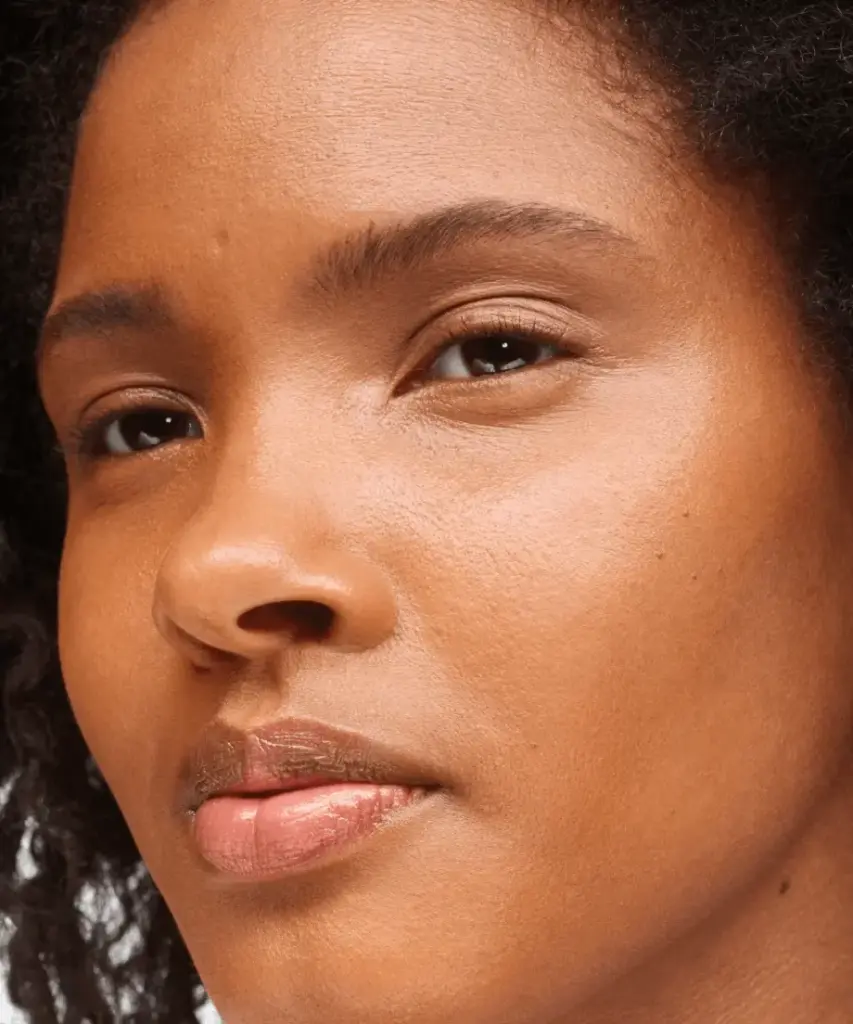
A quick internet search on how to eliminate under-eye creases yields an overwhelming deluge of advice, ranging from expensive cosmetic treatments to elaborate, multi-step skincare routines. However, dermatologists, beauty founders, and top-tier makeup artists agree on a fundamental physiological truth: the under-eye area is exceptionally delicate. Featuring skin that is significantly thinner than anywhere else on the human face, this zone is subjected to relentless kinetic movement. Every smile, squint, and emotional expression puts the skin into perpetual motion.
The combination of ultra-thin skin and constant dynamic contraction means that fine lines and creases naturally appear here first. Far from being a flaw that demands eradication, these creases are an inherent, biological component of human aging and facial expression. Rather than striving for an impossible, filter-smooth perfection, industry leaders advocate for a shift in perspective. Under-eye texture should be embraced, hydrated, and expertly managed—not hidden beneath layers of heavy cosmetics.
This comprehensive report explores the anatomical realities of the periorbital region, unpacks the expert-backed skincare strategies necessary to maintain barrier health, and reveals professional makeup techniques designed to stop creasing in its tracks. By adopting a "less is more" philosophy, beauty consumers can celebrate their natural features while minimizing the unwanted settling of products.
Detailed Chronology: The Evolution of Under-Eye Care and Makeup Technique
To truly understand how we arrived at our current obsession with smooth under-eyes, it helps to examine how periorbital care and makeup application have evolved over the past few decades.
The Era of Heavy Baking (Early to Mid-2010s)
For years, the prevailing makeup trend—popularized by high-definition television and the rise of Instagram beauty culture—involved the heavy layering of thick, full-coverage concealers directly under the eyes, aggressively set with mountains of translucent powder (a technique famously known as "baking"). While this created a flawless appearance under studio lighting, it proved disastrous for real-life wearability. Over-application inevitably led to severe product caking, accentuating fine lines, and accelerating moisture loss in the delicate periorbital zone.
The Clean Beauty and Skin-First Movement (Late 2010s to 2020s)
As consumer preferences shifted toward dewy, natural skin, the beauty industry experienced a massive reckoning. Brands began formulating hybrid products—concealers infused with daytime eye creams, and lightweight serums designed to treat rather than mask the skin. Makeup artists began publicly pivoting away from crescent-moon wand swipes, advocating instead for targeted placement, minimal product usage, and advanced tools like small eyeshadow brushes to buff product seamlessly into specific areas of discoloration.
The Modern "Embrace and Enhance" Philosophy (Present Day)
Today, the conversation has matured past the unrealistic goal of total wrinkle eradication. Industry pioneers—such as Pippa O’Connor Ormond, founder of the Irish-born beauty brand Poco Beauty—are championing a philosophy of celebration rather than concealment. With brands launching innovations like hydrogel patches and weightless skin-tint concealers, the modern approach focuses on optimal hydration, strategic light reflection, and respecting the skin’s natural movement.
Supporting Context & Metrics: Anatomy, Hydration, and Product Chemistry
Understanding why under-eyes crease requires a closer look at the unique biological architecture of the periorbital area.
Anatomical Vulnerability
The skin beneath the eyes measures approximately 0.5 millimeters in thickness, compared to about 2 millimeters on the rest of the face. It lacks the dense sebaceous glands found elsewhere, meaning it produces fewer natural oils to maintain its lipid barrier. Furthermore, as we age, the body’s natural production of collagen and elastin slows dramatically. This depletion leads to a loss of structural firmness, making the skin exceptionally prone to dehydration, sagging, and surface texture irregularities.
The Physics of Product Settling
When skin lacks moisture, micro-fissures form on the surface. If heavy, dry, or excessive amounts of makeup are applied over these dehydrated zones, the cosmetic formulas naturally gravitate toward the deepest points of movement—the natural creases and folds of the eye socket.
To combat this, dermatological and cosmetic chemists emphasize lightweight humectants and emollients:
- Hyaluronic Acid: A potent humectant capable of drawing up to 1,000 times its weight in water into the skin, instantly plumping fine dehydration lines.
- Glycerin: A classic, highly effective skin-replenishing agent that helps maintain the outer skin barrier’s moisture balance.
- Squalane: A lightweight, non-comedogenic emollient that locks in hydration without leaving a heavy, slippery residue that interferes with subsequent makeup layers.
Official Statements and Expert Insights
Industry leaders and celebrity makeup artists have increasingly used digital platforms and backstage interviews to debunk common under-eye myths and share authoritative techniques.
Pippa O’Connor Ormond on Natural Aging and Skincare Restraint
Pippa O’Connor Ormond, whose brand Poco Beauty has captured widespread attention, stresses that under-eye creases are a natural part of the aging process.

"Under-eye creases are a natural part of ageing, something we should celebrate rather than hide," says Ormond. "As collagen production slows, skin loses firmness, and the thin under-eye barrier makes it especially prone to dehydration and texture."
When it comes to periorbital skincare, Ormond warns against the temptation to over-layer products.
"Overloading the area with product is the biggest mistake," she notes. "Hydration and a ‘less is more’ approach make the biggest difference. Dehydration and puffiness make fine lines look more prominent, while over-applying product, particularly concealer, can accentuate them further."
Katie Jane Hughes on Strategic Concealer Placement
In a widely circulated educational video, renowned makeup artist Katie Jane Hughes demonstrated the pitfalls of swiping liquid concealer directly beneath the eye in a heavy crescent shape straight from the wand.
"You’ve probably applied too much," Hughes explains, pointing out that excess product inevitably enhances fine lines, wrinkles, and general eye texture after blending.
Instead, Hughes champions a precise, minimalist method: dispensing a tiny amount of concealer onto the back of the hand and "ferociously" working it into the bristles of a small eyeshadow brush. By stippling the product exclusively onto areas of discoloration—such as the inner corners—and completely avoiding the natural crease directly beneath the eye, she achieves high-impact coverage without the risk of cracking.
Val Garland on Concealer as a "Light Reflector"
Backstage at international Fashion Weeks, legendary makeup artist Val Garland has long advocated for a similar philosophy. Garland advises treating concealer not as spackle to fill in lines, but as a dynamic "light reflector."
By applying concealer slightly lower than the lash line, the product bounces light upwards to brighten the entire eye area, sidestepping the creases that form directly against the lashes where heavy formulas are guaranteed to break down.
Future Outlook: The Next Generation of Periorbital Innovation
As the beauty and skincare industries continue to intersect, the future of under-eye management points toward hyper-personalized, biotechnical formulations and multi-functional hybrid cosmetics.
What’s Next in Skincare
Consumers can expect a surge in advanced delivery systems, such as micro-encapsulated retinoids designed specifically for the fragile eye contour, alongside peptide complexes that stimulate collagen production without causing irritation. Cooling metal applicators, cryo-therapy tools, and refrigerator-friendly hydrogel patches will remain staples for managing acute lymphatic congestion and morning puffiness.
What’s Next in Makeup
The market is rapidly moving away from matte, high-coverage concealers in favor of "second-skin" balms, skin-tints, and serum-infused formulas that stretch and move dynamically with facial expressions. Brands are prioritizing flexible polymers that flex with the skin’s natural kinetic motion, ensuring that makeup looks fresh, seamless, and virtually undetectable throughout a full day of wear.
Ultimately, the consensus is clear: while we cannot stop the natural mechanics of facial expression or completely halt the biological clock, we can radically change how we treat our skin. By prioritizing targeted, lightweight hydration and precise, minimalist makeup application, the under-eye area can remain comfortable, radiant, and beautifully expressive for years to come.