Executive Overview
For many, a comprehensive skincare routine is a ritual dedicated almost entirely to the face, neck, and perhaps the décolletage. Yet, as dermatologists and podiatrists frequently observe, our lower extremities—specifically our toes, soles, and cuticles—endure immense biomechanical stress daily. From bearing our body weight through thousands of steps to being confined in restrictive footwear, our feet work tirelessly, often receiving little in return besides the occasional hurried wipe with a towel.
The consequences of this neglect are all too familiar: rough calluses, persistent flaking, painful fissures on the heels, and general dehydration that standard body lotions simply cannot fix. Recent advances in dermatological formulations, however, are transforming foot care from a clinical chore into a luxurious, highly effective wellness routine. Leading the charge are multi-action products like specialized smoothing balms—rich, silky formulations blending nutrient-dense ingredients such as safou oil, shea butter, olive oil, allantoin, and sweet almond oil. Unlike traditional greasy foot ointments, these advanced hydrators deliver deep moisture with a non-sticky finish, occasionally enhanced by sophisticated, spa-grade aromatic profiles featuring lemon, cardamom, rose, and vetiver.
Beyond luxury balms, addressing chronic dryness requires an understanding of foot physiology. The skin on the soles of our feet is structurally distinct from the skin on the rest of the body. Because it lacks sebaceous glands, it has no built-in mechanism to generate natural sebum, leaving it entirely reliant on external care. Coupled with natural aging processes, environmental stressors, and lifestyle factors, dry feet can quickly transition from a minor aesthetic annoyance into a clinical concern.
This comprehensive report explores the biological realities of foot dryness, expert-recommended treatments, the science behind effective foot creams, and actionable strategies to restore your soles to optimal health.
Detailed Chronology: The Evolution of Foot Health and Topical Care
To understand modern foot care, it is helpful to trace how dermatological and podiatric science has evolved from crude mechanical remedies to sophisticated, ingredient-driven therapies.
- Pre-20th Century: Mechanical and Home Remedies
Historically, the management of dry, callused feet relied almost exclusively on physical intervention. Ancient civilizations utilized abrasive stones, crude scrapers, and animal fats or plant oils to soften hard skin. While these methods provided temporary relief, they frequently lacked preventative efficacy and sometimes resulted in trauma or infection due to unsterilized tools. - Mid-20th Century: The Rise of Emollients and Urea
As dermatology emerged as a specialized medical field, researchers began identifying the keratolytic and humectant properties of specific chemical compounds. The introduction of urea, lactic acid, and petrolatum-based ointments marked a turning point. For the first time, medical professionals could actively break down hyperkeratotic tissue (thickened skin) while locking in moisture, laying the groundwork for modern medical-grade foot creams. - Late 20th Century: Mass Market Podiatric Care
The commercialization of targeted foot treatments brought specialized products like O’Keeffe’s and Eucerin into pharmacies worldwide. Consumers gained access to over-the-counter barrier creams designed specifically for manual laborers, athletes, and individuals suffering from severe skin xerosis. - The 21st Century: The Convergence of Sensory Luxury and Clinical Efficacy
Today, the foot care market has undergone a paradigm shift. Modern consumers no longer want to choose between a medicinal cream that smells clinical and feels heavy, and a pleasant-smelling lotion that fails to penetrate thick dermal layers. Contemporary formulations—such as advanced balms infused with exotic botanicals (safou oil), targeted exfoliants, and sophisticated aromatics—bridge the gap between medical performance and sensory luxury, ensuring that caring for your cuticles and toes feels like an indulgence rather than a chore.
Supporting Context & Metrics: The Science of Soles
Why do feet demand specialized care? The answer lies in human anatomy and dermatological science.
The Biological Blueprint: Why Feet Lack Natural Moisture
According to leading dermatological experts, the root cause of dry feet is entirely natural.
"The soles of your feet have no sebaceous glands," explains Dr. Rambhia, a prominent skin specialist.
While virtually every other square inch of the human body features oil glands that produce sebum to trap moisture and maintain the skin barrier, the palms of the hands and the soles of the feet are entirely devoid of them.
"Feet therefore have no built-in way to stay supple and depend entirely on sweat and whatever you apply topically," Dr. Rambhia notes.
Because eccrine sweat glands on the soles produce moisture primarily for thermoregulation and grip rather than lipid-based hydration, feet are exceptionally vulnerable to environmental dehydration. Hot showers, harsh soaps, low environmental humidity, and restrictive footwear strip away what little surface moisture exists, accelerating the formation of micro-tears and hardened calluses.
The Aging Foot: Barrier Depletion Over Time
If you have noticed your feet becoming progressively drier with age, your observations are medically sound. Dermatological aging manifests intensely in the lower extremities due to a combination of biological and structural shifts:
- Lipid Depletion: The natural production of ceramides and other barrier lipids declines steadily with age, severely impairing the skin’s capacity to retain water.
- Glandular Atrophy: Sweat gland functionality diminishes over time, cutting off one of the sole’s primary sources of natural hydration.
- Structural Changes: Changes in foot fat pads and gait mechanics create high-pressure zones on the heels and balls of the feet, prompting the skin to thicken defensively into calluses.
- Systemic Factors: Age-related systemic conditions, including hypothyroidism and diabetes, frequently manifest with severe skin dryness. Dr. Rambhia emphasizes that individuals managing diabetes must monitor their feet meticulously, as micro-cracks can serve as direct entry points for dangerous bacterial infections.
How Experts Evaluate and Test Foot Creams
When dermatologists and podiatrists assess the efficacy of a foot cream, they look far beyond superficial marketing claims. Clinical evaluation focuses on a precise matrix of active ingredients:
- Keratolytics and Chemical Exfoliants: Ingredients such as urea, lactic acid (an alpha-hydroxy acid or AHA), and salicylic acid (a beta-hydroxy acid or BHA) are vital. They gently dissolve the intercellular cement holding dead skin cells together, effectively softening rough heels and thick calluses.
- Humectants and Emollients: Substances like glycerin, hyaluronic acid, shea butter, and ceramides draw water into the skin and rebuild the compromised lipid barrier.
- Texture and Absorption: Because experts universally recommend applying foot treatments immediately before bed to maximize absorption time, formulas must be non-greasy, fast-absorbing, and residue-free to avoid staining linens or creating slipping hazards.
Official Statements & Expert Guidance
Navigating the myriad of foot care products on the market can be daunting. Medical professionals offer clear guidelines on selecting and utilizing the right formulas.
The Limits of Standard Body Lotions
While applying a standard body lotion after a shower feels like a thorough step, dermatologists warn against relying on conventional moisturizers for the lower extremities.
Dr. Adisa notes that standard body lotions often "aren’t rich or strong enough for thick foot skin."
Dr. Pourziaee expands on this, explaining that genuine medical-grade and podiatrist-approved "foot creams typically contain higher concentrations of moisturizers and exfoliants that target thicker, rougher areas like heels and calluses."
Recommended Formulations
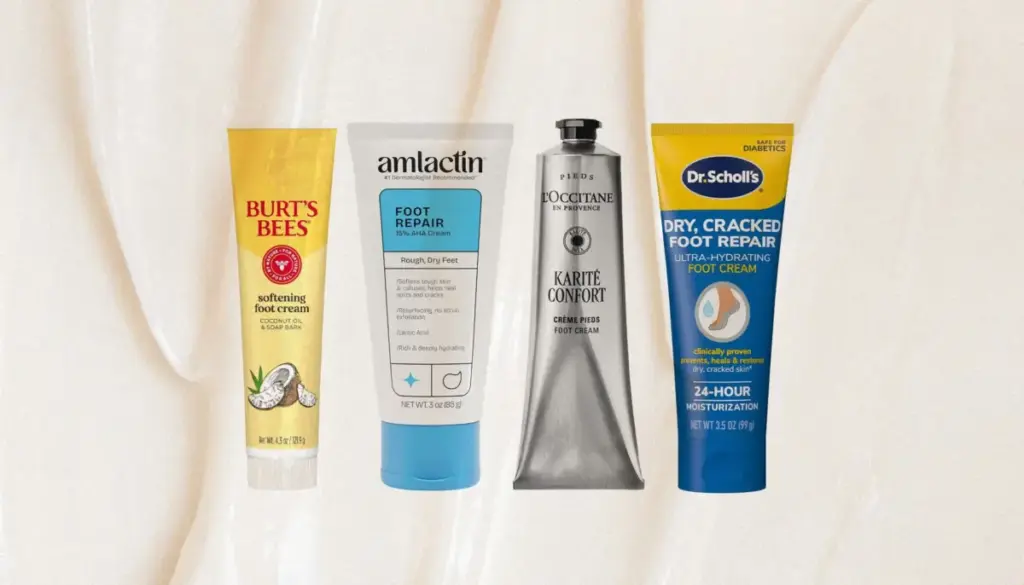
Clinical experts and podiatrists consistently endorse several targeted over-the-counter options for at-home care:
- Eucerin Advanced Repair Foot Cream: Celebrated for its intensive moisture-binding capabilities.
- CeraVe SA Cream: Highly favored for its inclusion of salicylic acid and ceramides, which simultaneously exfoliate and repair the skin barrier.
- O’Keeffe’s Healthy Feet Foot Cream: A staple for severely cracked, distressed skin requiring an impenetrable protective seal.
- L’Occitane Shea Comfort Foot Balm: A luxury standard utilizing high concentrations of nourishing shea butter.
- Flexitol Heel Balm: Widely recommended by podiatrists for targeting stubborn, hardened calluses and deep heel fissures.
Best Practices for At-Home Treatment
Achieving baby-soft soles requires more than simply slathering on a cream; technique and timing matter profoundly. Dr. Pourziaee outlines the gold-standard routine for reversing dry feet:
- The Optimal Window: Apply your chosen foot cream or rich balm at night immediately after bathing or showering, while the skin is still slightly damp. This traps ambient moisture directly within the epidermal layers.
- The Occlusion Method: Following application, slip on a pair of clean, breathable cotton socks overnight. This occlusion method dramatically enhances product penetration and prevents the cream from rubbing off on your sheets.
- Controlled Exfoliation: "Exfoliate gently with a pumice stone or foot file once or twice a week to remove dead skin before moisturizing," advises Dr. Pourziaee. Avoid aggressive, razor-based shaving tools, which can cause accidental lacerations and infections.
Future Outlook: The Next Generation of Foot Wellness
As the global wellness and personal care markets continue to converge, the future of foot care is poised for significant innovation. We are moving rapidly past the era of medicinal-smelling, clinical-looking foot ointments housed in utilitarian plastic tubes.
Future formulations will increasingly leverage advanced biotechnology—such as biomimetic ceramides, plant-derived stem cells, and sophisticated micro-encapsulated delivery systems—to transport active ingredients deeper into the stratum corneum without increasing greasiness. Furthermore, the sensory profile of foot care is undergoing a renaissance. As seen in luxury botanical balms that incorporate complex woody and spicy aromatic profiles (featuring notes of lemon, cardamom, rose, and vetiver), consumers are demanding holistic self-care experiences that engage multiple senses while delivering uncompromising dermatological performance.
Ultimately, medical professionals emphasize that foot care is healthcare. Whether you are managing chronic xerosis, preventing diabetic complications, or simply maintaining "pedi-ready" toes and cuticles throughout the changing seasons, consistency is paramount. By understanding the unique physiological needs of your soles, selecting targeted formulations rich in urea, AHAs, and nourishing plant oils, and adopting a disciplined nighttime routine, you can transform your foot health from an afterthought into an essential pillar of your overall wellness regimen.