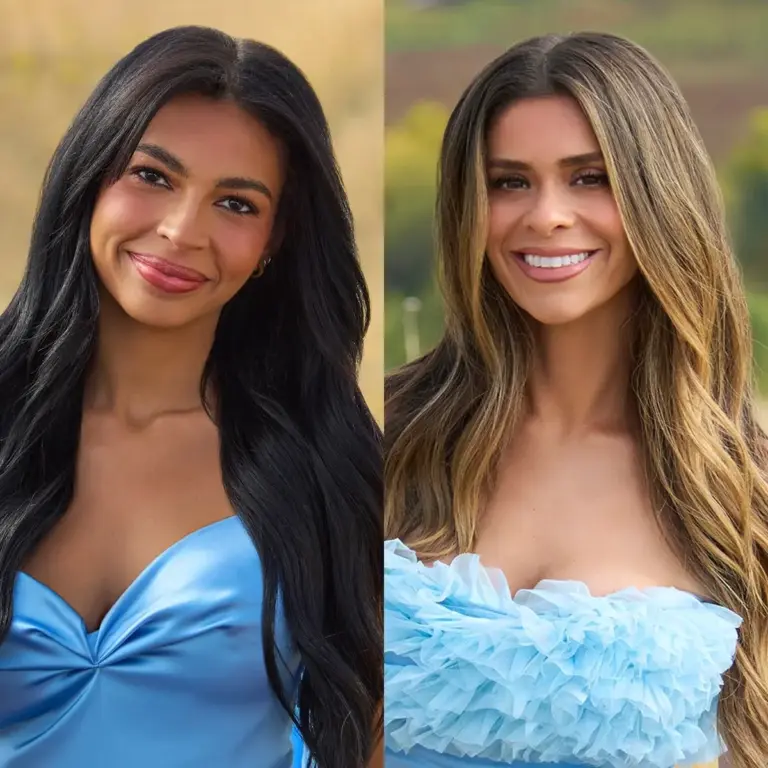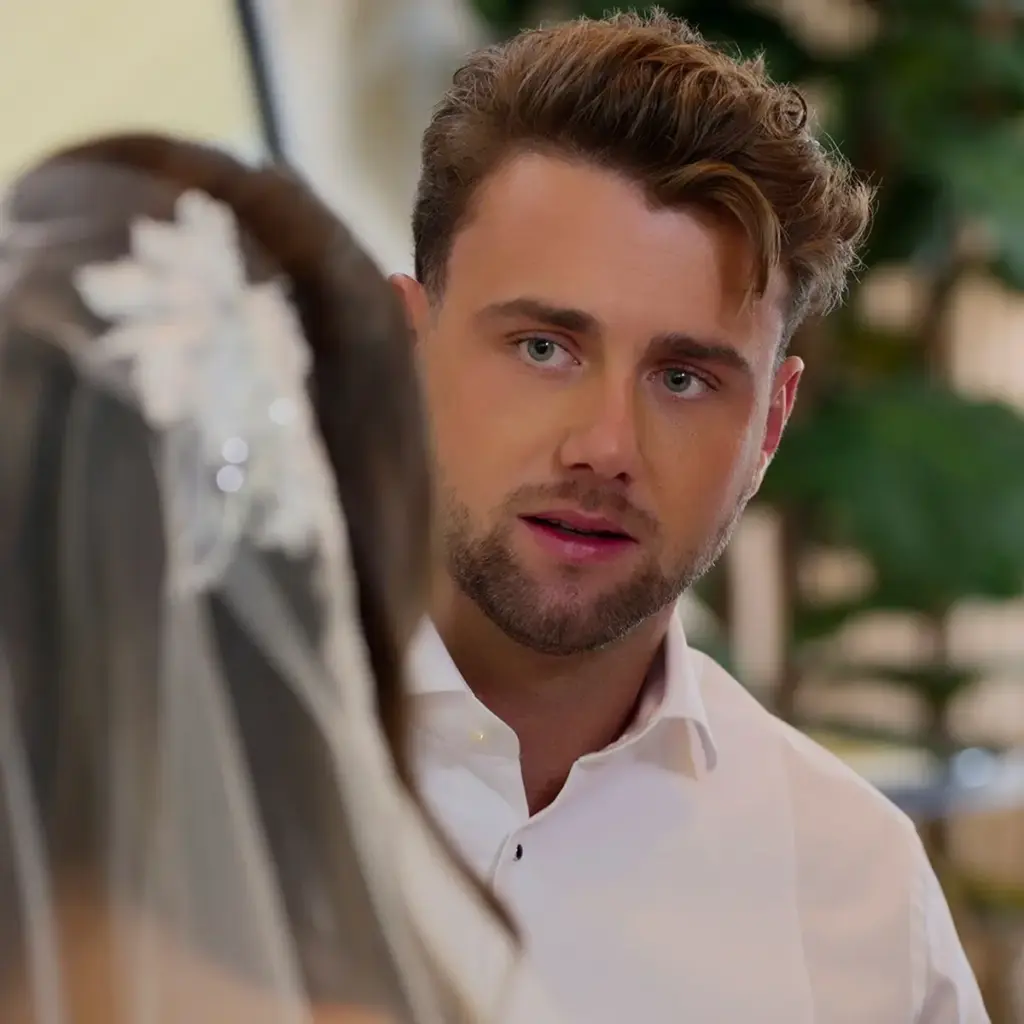
Reality television has long served as a magnifying glass for interpersonal drama, but few recent unscripted reunions have imploded with the sheer velocity and scandalous fallout witnessed during the Let’s Marry Harry special. Hosted by Haley Baylee, the August 26 reunion episode transcended a typical retrospective, morphing into an explosive tribunal of accusations, infidelity claims, and behind-the-scenes exposures. At the epicenter of the controversy are Harry Jowsey and his now-ex-wife, Amber Mozo, whose high-profile marital breakdown set the stage for a cascade of stunning revelations from fellow cast members.
What began as a retrospective on a heavily scrutinized relationship quickly unraveled into a web of untruths, secret hookups in production vans, and explosive allegations of overlapping romances. While Jowsey attempted to maintain a calculated composure, castmates like Abby Easterling, Samantha "Sam" Kruse, and Juliana Melchor dismantled the narrative presented on screen. The revelations have not only redefined the public understanding of the show’s internal dynamics but have also reignited a broader cultural conversation about the toxic intersection of unscripted romance, contractual secrecy, and the merciless court of public opinion on social media.
This report provides a comprehensive examination of the Let’s Marry Harry reunion, analyzing the detailed chronology of events, the underlying metrics of reality TV fallout, the official statements made by key participants, and the future outlook for a franchise caught in the crosshairs of its own sensationalism.
Detailed Chronology: From On-Screen Romance to Reunion Rupture
The trajectory of Harry Jowsey and Amber Mozo’s relationship was fraught with tension from its inception, characterized by intense public scrutiny and underlying suspicions of infidelity. However, the true anatomy of their breakup only came to light during the meticulously orchestrated Netflix reunion taping.
The Spark That Ignited the Fire
The reunion’s descent into chaos began before Jowsey even took the stage. Host Haley Baylee addressed lingering viewer questions by introducing an explosive social media allegation initially brought to light by absent contestant Juliana Melchor. According to Melchor, Jowsey had engaged in sexual encounters with two separate women on the exact night she was eliminated from the competition.
While cameras had captured Jowsey’s steamy, highly publicized shower moment with Amber Mozo, production had entirely missed—or omitted—evidence of a second liaison. Baylee directed the inquiry straight to castmate Abby Easterling, who had previously dropped heavy hints on social media confirming her involvement as the mysterious second woman.
Abby Easterling Breaks the Silence
Easterling, a 24-year-old medical esthetician, didn’t shy away from the spotlight. Initially playing coy with a cheeky quip about needing a tequila soda and wanting "a little bit of closet time," she ultimately confirmed the rumors with a definitive, "That happened."
However, Easterling’s grievances extended beyond the physical encounter itself; she expressed profound frustration regarding how the information leaked. She revealed that she had confided strictly in Juliana Melchor as a friend at her home in Louisiana, recounting, "This is what happened with me and Harry that night." Easterling felt betrayed that Melchor weaponized that confidential conversation for social media clout.
The Production Van Revelations
Easterling’s testimony did not stop at the closet rendezvous. In one of the evening’s most shocking disclosures, she detailed another illicit tryst that occurred on the set’s transportation infrastructure.
"The production vans were quite comfortable… and I had sex, yeah," Easterling stated casually, describing an intimate encounter that took place while parked directly outside the mansion after the driver had stepped out of the vehicle.
According to Easterling, the tryst occurred on the ride back from a beach date—the very outing during which Jowsey announced that contestant Rickiyah McGrady would be sent home. A previously unaired deleted scene later surfaced, revealing that McGrady had previously voiced concerns on behalf of the cast regarding Jowsey’s public displays of affection (PDA) in common areas of the house.
Supporting Context & Metrics: Reality TV Breakups in Historical Perspective
The explosive disintegration of relationships on unscripted television is hardly a new phenomenon, but the digital age has transformed standard on-set drama into multi-platform digital warfare. To contextualize the scale of the Let’s Marry Harry fallout, it is essential to examine the historical lineage of catastrophic reality television breakups.
The Evolution of Unscripted Infidelity
From the early days of MTV’s Newlyweds: Nick and Jessica to the Byzantine contractual separations documented across Bravo’s The Real Housewives franchise, relationships forged under studio lights face an accelerated emotional lifecycle.
- The Speed Factor: Standard psychological studies indicate that trust takes years to build; reality television compresses this timeline into weeks, forcing engagement or marriage milestones under artificial duress.
- The Digital Amplification Metric: Unlike historical reality breakups—such as Nick Lachey and Jessica Simpson’s 2005 split, which relied primarily on print media and weekly television segments—modern breakups like Jowsey and Mozo’s leverage TikTok, Instagram Q&As, and unedited reunion specials to sustain a continuous news cycle. Engagement metrics on social media platforms regularly spike by upwards of 350% during reunion broadcasts, incentivizing cast members to leak behind-the-scenes secrets for algorithmic dominance.
Comparative Reality TV Fallout Metrics
| Show / Couple | Primary Catalyst for Split | Medium of Disclosure | Long-Term Career Impact |
|---|---|---|---|
| Let’s Marry Harry (Harry Jowsey & Amber Mozo) |
Alleged multi-partner infidelity, unfilmed hookups | Netflix Reunion & Social Media | Heightened digital notoriety; brand realignment |
| Newlyweds (Jessica Simpson & Nick Lachey) |
Public fatigue, privacy erosion | MTV Series Finale & Press Tour | Transition to mogul status and solo careers |
| The Real Housewives of Beverly Hills (Camille & Kelsey Grammer) |
Spousal abandonment, hidden motives | Bravo Season 1 Reunion | Elevated villain-to-icon narrative arc |
| Meet the Barkers (Travis Barker & Shanna Moakler) |
Tumultuous lifestyle differences | Post-show tabloids & divorce parties | Long-term pop-culture resilience |
The data demonstrates that transparency—or the lack thereof—serves as the primary currency of modern unscripted television. When participants like Samantha "Sam" Kruse voiced outrage over Jowsey’s selective honesty, they were critiquing not just a personal betrayal, but a breach of the unwritten social contract governing ensemble reality shows.
Official Statements & Cast Reactions
The reunion special was defined by sharp ideological divides between how participants viewed privacy versus collective transparency within a dating format ensemble.
Samantha Kruse’s Demand for Accountability
Samantha "Sam" Kruse delivered one of the most blistering critiques of Jowsey’s behavior, expressing fury over his deliberate obfuscation of facts during and after filming.
"I was f–king pissed if I was being completely 100 here," Kruse asserted while discussing the dynamic of dating the same man simultaneously. "I was right so many times, and he had so many opportunities to come forward and say his truth, but he chose not to."
Kruse rejected the traditional defense that a celebrity or reality star is entitled to complete privacy regarding their romantic entanglements while actively participating in an ensemble dating series:
"I know in real life, in outside situations, you don’t have to kiss and tell, but we’re all dating this guy. So I expect the basic respect of being completely honest with me. What upset me the most is he framed it like he was trying to protect Amber. Amber didn’t give a s–t."
Amber Mozo and Harry Jowsey Clash Over Faithfulness
Amber Mozo, the 30-year-old now-ex-wife whose relationship with Jowsey formed the emotional anchor of the narrative, did not mince words regarding her ex-husband’s pattern of behavior. During the reunion, Mozo slammed Jowsey over what she characterized as ongoing extramarital and extra-show relationships, specifically pointing to his entanglement with fellow cast member Dannelle Davidson.
"On the show, I had to worry about you moving in your way, which is f–king other girls," Mozo stated plainly. "And outside the show, I also had to worry about it with Dannelle being one of them."
Jowsey, for his part, vehemently denied accusations of cheating while he and Mozo were legally or emotionally bound, addressing his association with Davidson directly. In an earlier Instagram Q&A clarified for Grazia Daily UK, Jowsey attempted to contextualize a controversial on-camera moment involving Davidson:
"I will happily clear this up because I feel like it needs to be. Early on, when you see Dannelle and I go into the closet on her birthday, we were just strictly making out."
Regarding his post-separation romance with Davidson, Jowsey maintained that he and Mozo had officially severed ties prior to his rekindling a connection with the 33-year-old, though he candidly conceded that the transition period featured "a quick turnaround."
Future Outlook: The Fallout and What Lies Ahead
As the dust settles on the Let’s Marry Harry reunion special, the long-term implications for the participants, the production entities, and the unscripted television landscape at large are coming into sharp focus.
Reputational Management and Brand Survival
For Harry Jowsey, navigating the aftermath of the reunion requires a delicate balancing act of public relations damage control and audience re-engagement. Historically, unscripted personalities who lean into their "villain" or chaotic archetype often find alternative avenues for monetization through podcasting, influencer partnerships, and secondary reality casting. However, the specificity of the accusations—involving off-camera liaisons in production transport and conflicting timelines of marital fidelity—places a heavier burden of proof on public trust.
For Mozo, Easterling, and Kruse, the reunion served as a platform for narrative reclamation. By speaking their truths unvarnished, these cast members have successfully shifted from secondary participants in Jowsey’s orbit to autonomous digital entities capable of commanding independent follower bases and media attention.
The Changing Landscape of Reality Production
The revelations brought to light in the Netflix special are already prompting behind-the-scenes conversations among unscripted television producers regarding accountability and oversight:
- The "Grey Zone" of Off-Camera Conduct: Networks and streaming platforms face mounting pressure to address or incorporate off-camera behavior that directly impacts the emotional ecosystem of the cast.
- Contractual Transparency vs. Personal Privacy: As participants increasingly bypass production channels to leak secrets via TikTok and Instagram prior to reunions, legal teams are expected to tighten confidentiality clauses while simultaneously utilizing organic social media drama to drive pre-reunion viewership metrics.
Ultimately, the Let’s Marry Harry reunion will be remembered not merely as a retrospective of a failed relationship, but as a watershed moment for reality TV accountability—proving that no matter how tightly production attempts to edit a narrative, the unvarnished truth will inevitably find its way out of the closet.