Executive Overview
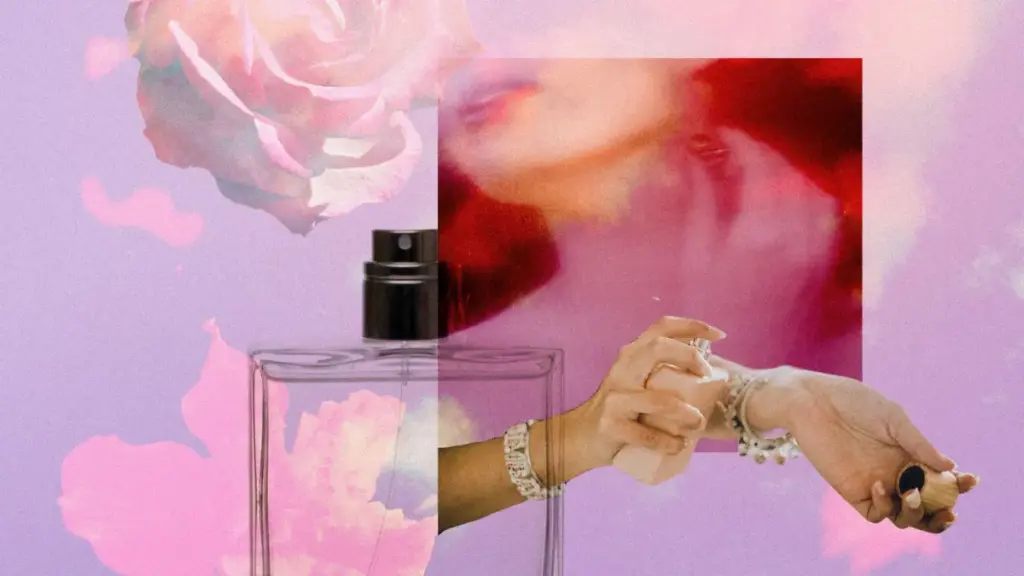
For generations, the ritual of applying perfume has remained remarkably consistent. Most consumers rely on muscle memory developed in their adolescence: a quick spritz on the left wrist, a deliberate press against the right, and perhaps an obligatory mist directed into the air for a dramatic, cinematic walk-through. However, the digital age has injected a wave of disruption into traditional beauty rituals. From viral TikTok trends featuring unconventional application methods—such as the internet-famous "cologne bender" Marc Malcolm catching mists in mid-air—to evolving insights from master perfumers and olfactory experts, the conversation surrounding how we wear scent is undergoing a profound transformation.
This comprehensive investigative report explores the mechanics of perfumery, examines viral social media trends through an analytical lens, and consults top-tier industry professionals to uncover the definitive science of scent longevity. Readers will discover why old habits, such as rubbing wrists together, sabotage complex top notes; how environmental factors and skin chemistry dictate a fragrance’s lifespan; and how strategic layering can transform a fleeting aroma into an all-day signature presence. Whether you are navigating the nuances of eau de parfum versus eau de toilette, experimenting with targeted rollerballs, or mastering the delicate balance of layering multiple fragrances, this guide provides an authoritative roadmap to maximizing your olfactory investment.
Detailed Chronology: The Evolution of Fragrance Application Rituals
To understand where modern fragrance application stands today, it is essential to trace how consumer habits have evolved over the decades, moving from rigid historical conventions to the decentralized, trend-driven digital landscape of the 21st century.
The Mid-20th Century: The Era of the Atomizer and the Pulse Point
In the mid-1900s, as commercial perfumery expanded into a global luxury market, beauty editorial columns standardized the "pulse point" method. Consumers were instructed to target areas where blood vessels run closest to the skin—the wrists, the neck, and the inner elbows—because the localized heat generated by these zones theoretically helped diffuse volatile fragrance molecules into the air. During this era, application was treated as a delicate, stationary ritual, often involving crystal atomizers or stopper bottles that required precise dabbing.
The Late 20th Century: The "Spray-and-Walk" Phenomenon
As mass-market designer fragrances proliferated in the 1980s and 1990s, the application style shifted toward speed and convenience. The "spray-and-walk-through" technique emerged as a popular method for dispersing alcohol-based mists evenly across clothes and hair without overwhelming a single point on the body. While popular culture romanticized this cloud-like dispersion, seasoned perfumers later noted that this method resulted in significant product waste, as volatile top notes dissipated into open air rather than binding to dermal lipid layers.
The Digital Age: Viral Trends and the Rise of Experimental Techniques
Fast forward to the current decade, where short-form video platforms have democratized beauty advice, introducing unprecedented levels of experimentation. Enter figures like Marc Malcolm, who self-identifies as the internet’s first "cologne bender." Malcolm captured public fascination—and amassed over 500,000 Instagram followers—by popularizing an unconventional technique: misting fragrance into the air, physically "catching" the suspended droplets with his bare palm, and aggressively rubbing the product onto his skin.
While purists initially raised eyebrows at the physical manipulation of the mist, the viral phenomenon reignited a broader consumer curiosity. Beauty enthusiasts began asking fundamental questions: Do traditional rules still apply? Are we wasting our expensive investments by adhering to outdated habits? And what do master noses actually recommend for achieving maximum longevity?
Supporting Context & Metrics: The Chemistry of Scent Longevity
To evaluate the efficacy of various application techniques, one must first understand the chemical architecture of a modern fragrance. A typical alcohol-based perfume is constructed around a delicate pyramid of volatile organic compounds:
- Top Notes: The initial, immediate impression of the fragrance (citrus, light fruits, fresh herbs). These molecules are highly volatile, evaporating within the first 15 to 30 minutes of application.
- Heart (Middle) Notes: The core character of the scent (florals, spices, green accords), emerging as the top notes fade and lingering for several hours.
- Base Notes: The anchor of the fragrance (woods, musks, amber, resins), composed of heavy, dense molecules that bind to the skin and can persist for up to 12 hours or more.
Variables Affecting Performance
According to industry data and skin science, a fragrance’s performance is rarely uniform across different wearers. Several critical variables dictate longevity:
- Skin Hydration and Chemistry: Lipid-rich, well-moisturized skin acts as a sponge, slowing the evaporation rate of volatile fragrance oils. Conversely, dry skin lacks the natural sebum necessary to anchor base notes, causing scents to fade rapidly.
- Ambient Temperature and Humidity: Higher temperatures cause molecules to kineticize and evaporate at an accelerated rate. High humidity can alter how certain notes project, sometimes amplifying sweetness or muting fresh, citrus profiles.
- Concentration Classification: The ratio of pure aromatic compounds to alcohol and water dictates base endurance. Extrait de parfum contains the highest concentration of oils (often 20% to 40%), followed by eau de parfum (15% to 20%), eau de toilette (5% to 15%), and body mists or eau de cologne (2% to 5%).
Official Statements and Expert Insights
Navigating the conflicting advice found across social media requires consulting seasoned professionals who understand both the art and manufacturing science of fine fragrance.
Darryl Do on Strategic Application
Darryl Do, senior perfumer and manufacturer at Delbia Do Fragrances & Flavors, emphasizes that flexibility is key to enjoying personal scents, noting, "There’s no single ‘right’ way to wear fragrance, but there definitely are ways to get more out of it."
Do explains that while pulse points are historically reliable due to natural body heat, consumers should not feel restricted to these conventional zones. "With mists, I encourage people to spray it all over. With a rollerball or perfume oil, a more targeted application works well," he notes. Furthermore, Do highlights the importance of environmental factors: "Fragrance naturally evaporates over time, and factors like temperature, humidity, skin moisture, concentration, and the ingredients themselves can all affect longevity."
Emma Vernon on the Myth of Wrist-Rubbing
Emma Vernon, host of the acclaimed Perfume Room podcast, offers critical insight into one of the most common mistakes consumers make during application. Drawing from conversations with master perfumers, Vernon issues a clear warning regarding physical friction: "Over the years I’ve heard from perfumers that if you rub your wet, freshly sprayed wrists together, it diminishes the top-note experience, assuming it’s an alcohol-based fragrance. The consensus seems to be that patting is okay, but rubbing is bad."
When friction is applied to freshly sprayed skin, the mechanical heat breaks down the fragile top-note molecules prematurely and disrupts the structural integrity of the alcohol base, essentially flattening the intended sensory journey of the perfume.
Best Practices: The Modern Guide to Applying Perfume
Synthesizing advice from master perfumers and dermatological science yields a comprehensive set of best practices for anyone looking to optimize their daily fragrance routine.
1. Dab, Don’t Rub
When applying traditional spray or splash fragrances, resist the urge to mash your wrists together. If you must transfer excess product from one wrist to another, gently pat the skin rather than creating friction. This preserves the intended evaporation curve of the top notes.
2. Time Your Spritz: Post-Shower Application
For maximum absorption, apply your fragrance immediately after stepping out of the shower while your skin is warm, clean, and barely damp. To supercharge this effect, apply a layer of unscented or complementary body lotion beforehand. Moisturizing lipids create a stabilizing matrix that locks in the fragrance oils, dramatically extending their lifespan throughout the day.
3. Layer Strategically Across Body and Fabric
To ensure a dynamic scent trail from morning until night, adopt a multi-tiered application strategy:
- Exposed Skin and Hair: Apply targeted oils or mists to exposed areas like the neck, inner arms, and hair (using specialized hair mists to avoid the drying effects of high-alcohol formulas).
- Clothing: Spray your garments, particularly your outermost tops. As Darryl Do notes, "As you remove each piece of clothing throughout the day, the fragrance stays intact underneath so the scent holds up from morning to night." (Caution: Always test on a small, hidden area of delicate or light-colored fabrics to prevent potential oil staining.)
- The Outer Layer Mist: For coats and jackets, a light mist sprayed into the air allows for an even, gentle distribution without concentrating too much oil in a single fabric weave.
4. Master the Art of Scent Layering
If you enjoy combining different fragrances to create a custom aroma, Emma Vernon advises caution with wet applications. "I never spray a wet perfume on top of another wet perfume," she explains. "It degrades both formulas so that instead of having two amazing smells simultaneously, neither smells quite right. I recommend spraying different perfumes on different parts of your body or one scent on your clothes and another on your body."
Look for collections specifically engineered for layering—such as the nostalgic bergamot-and-jasmine notes of Gap Dream paired with the warm, spicy ginger and sandalwood of Gap Om—to ensure harmonious chemical interaction.
5. Avoid Sensitive Zones
Never spray alcohol-based perfumes directly onto your face. Doing so risks irritating the delicate skin around the eyes, triggering contact dermatitis, or accidentally introducing bitter alcohol and aromatic compounds into your mouth.
Future Outlook
As the fragrance industry continues to evolve, the intersection of digital culture and traditional craftsmanship will likely introduce even more innovations in how we consume and wear scent. Emerging trends point toward a growing consumer interest in alcohol-free water-based emulsions, long-lasting molecular skin scents (such as ISO E Super derivatives and white musk oils like Lake & Skye’s 11 11 or DedCool’s Xtra Milk), and personalized fragrance profiling driven by AI skin-analysis tools.
Ultimately, while viral internet trends like "cologne bending" provide entertaining spectacles, the foundational principles of perfumery remain rooted in chemistry and personal expression. By understanding how skin biology, environmental factors, and application techniques interact, consumers can elevate their daily routines from mindless habits into intentional, long-lasting sensory experiences.