An investigative look into cosmetic consumerism, algorithmic beauty trends, and expert-backed insights on what actually deserves a spot in your makeup bag.
Executive Overview
Makeup has long served as a profound medium for human creativity, self-expression, and personal transformation. However, beneath the gleaming layers of highlighter and high-pigment gloss lies a multi-billion-dollar industry engineered primarily to turn a profit. It is no industry secret that cosmetic conglomerates and independent brands alike capitalize on human insecurity, manufacturing perceived flaws to sell products consumers do not fundamentally need.
In the era of TikTok, beauty culture moves at a breakneck speed. Algorithms constantly churn out viral "must-haves"—from color-changing sunscreens and peel-off lip tints to specialized eye primers and intricate faux-freckle pens. But behind the highly curated, ring-lit perfection of social media videos often lies a different reality: inflated price tags, redundant formulations, and products that underperform or actively harm the skin.
To cut through the digital noise, we spoke directly with leading makeup artists, cosmetic chemists, and beauty editors to separate genuine innovation from marketing gimmicks. Below is an exhaustive investigative breakdown of the viral beauty trends worth your investment—and the ones you should skip entirely.
Detailed Chronology: The Rise of Algorithmic Cosmetics
To understand how our makeup bags became cluttered with questionable items, we must examine the evolution of beauty marketing over the past decade.
The Pre-Social Media Era (Pre-2015)
Before algorithmic feeds dictated consumer behavior, beauty trends were primarily driven by editorial magazines, runway shows, and traditional television advertisements. Product cycles were slower, allowing consumers to master staple items like standard foundations, mascaras, and traditional lipsticks. The concept of a "niche" product—such as a mascara comb or a dedicated lip primer—existed, but these items were typically reserved for professional kit bags rather than mass-market consumer routines.
The Instagram Aesthetic Boom (2015–2019)
The mid-2010s ushered in the era of heavily sculpted brows, matte liquid lips, and baking powders. This period popularized specialized items like heavy-duty eye primers and intricate baking powders. Brands realized that high-impact, dramatic before-and-after transformations performed exceptionally well on photo-sharing platforms, driving a massive surge in multi-step routines.
The TikTok "Hack" Economy (2020–Present)
The COVID-19 pandemic accelerated a profound shift toward short-form video platforms like TikTok, fundamentally altering product development. Today, beauty brands no longer optimize products for longevity or everyday wearability alone; they optimize them for viral performance.
- The Visual Hook: Products must look mesmerizing on camera within the first three seconds—hence the popularity of color-changing formulas, dramatic peel-off tints, and glowing chemical reactions.
- The Novelty Factor: As soon as a product is perceived as "clever" or "satisfying" to watch, consumer impulse buying spikes, often resulting in buyers acquiring single-use or redundant items that quickly end up discarded at the bottom of a drawer.
Supporting Context & Metrics: Unmasking the Culprits
We consulted professional makeup artists Saffron Hughes, Rose Gallagher, Scarlett Burton, and Mira Parmar to evaluate specific viral categories. Here is what the data and expert consensus reveal about popular beauty investments.
1. Color-Changing Sunscreens and Moisturizers
- The Hype: Viral videos show "universal" white or green creams transforming into a seamless, customized skin tint upon blending, promising simultaneous UV protection and complexion correction.
- The Reality: According to makeup artist Saffron Hughes, these formulas frequently oxidize into an ashy, grey, or mismatched tone—particularly on deeper skin tones. Furthermore, dermatological standards dictate that achieving the labeled Sun Protection Factor (SPF) requires applying a substantial amount of product (the two-finger rule). Tinted formulas applied at these volumes often look mask-like or greasy.
- The Expert Alternative: Apply a dedicated, high-SPF broad-spectrum sunscreen first, followed by a lightweight skin tint only where coverage is needed. Recommended alternatives include the MAC Strobe Dewy Skin Tint (€39.00) or the Fenty Beauty Eaze Drop Blurring Skin Foundation (€38.45).
2. Green Color-Correcting (CC) Creams
- The Hype: Green-pigmented creams meant to be slathered across the entire face to instantly neutralize redness.
- The Reality: Makeup artist Scarlett Burton notes that while color theory dictates green neutralizes red, applying green pigment across the entire face creates a dull, gray, and lifeless cast. Color correction should be localized, not globalized.
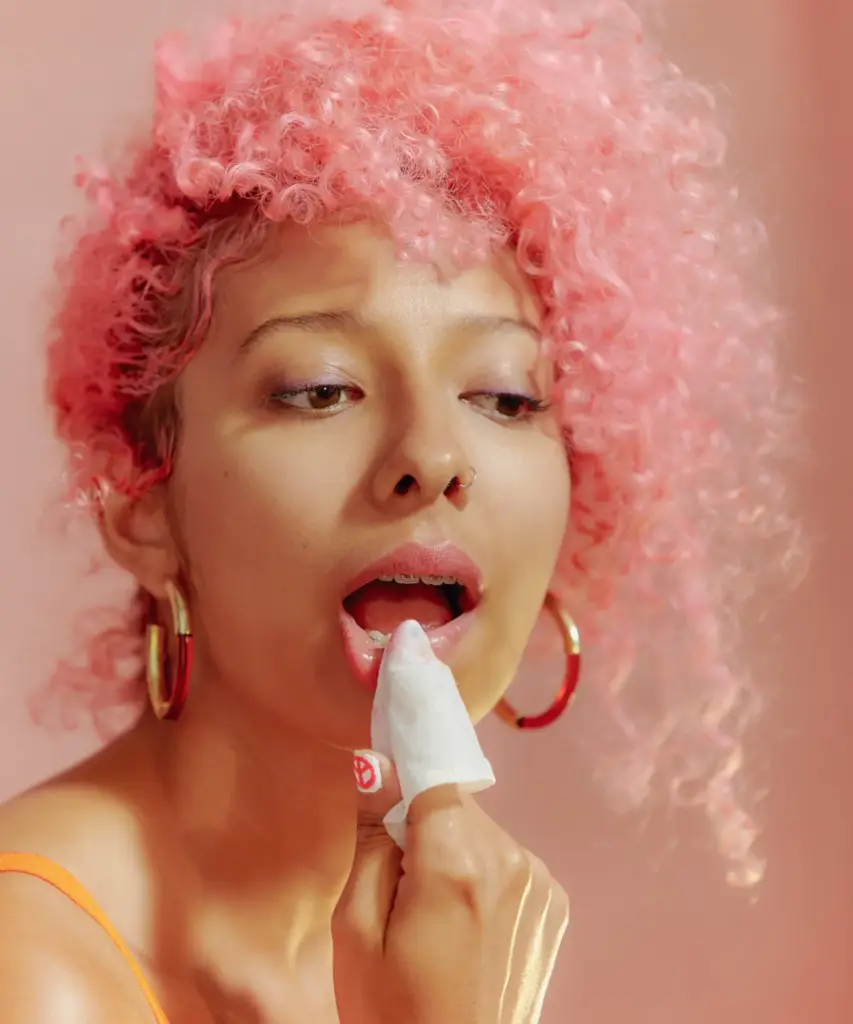
3. Peel-Off Lip Tints
- The Hype: Thick, gloopy gels painted onto the lips, left to dry, and subsequently peeled off to reveal a semi-permanent stain—designed purely for mesmerizing TikTok transition videos.
- The Reality: Beauty editor Rose Gallagher lambasts these products as impractical for everyday life. Not only do they create unnecessary mess and waste time during a morning routine, but they also risk dragging and damaging delicate lip skin.
- The Expert Alternative: Use a pH-reactive balm that adapts to your natural lip chemistry without the hassle. Gallagher recommends the Givenchy Rose Perfecto Pink Irresistible (€27.95).
4. Freckle Pens
- The Hype: Specialized felt-tip markers intended to dot natural-looking sun-kissed freckles across the nose and cheeks.
- The Reality: Burton warns that these pens frequently bleed into the skin, losing their definition and drying down into an unnatural orange hue.
- The Expert Alternative: Use a fine-tipped, cool-toned eyebrow pencil—such as the e.l.f. Ultra Precise Brow Pencil (€7.00)—which offers greater precision and a more natural pigment payoff.
5. Eye Primers and Lip Primers
- The Hype: Dedicated primers sold specifically to prep the eyelids and lips for color application.
- The Reality: Hughes points out that standard facial primers undergo rigorous safety testing and are entirely suitable for use around the eye area, provided the packaging does not explicitly prohibit it. Purchasing a separate eye primer is often a redundant expense. Similarly, makeup artist Mira Parmar notes that lip primers lack scientific backing; a light dusting of concealer or foundation followed by standard liner and lipstick yields identical results.
6. Makeup Sponges for Liquid Skincare/Hybrid Tints
- The Hype: Blending lightweight skin tints, serums, and hydrating fluid foundations with a damp beauty sponge.
- The Reality: Gallagher explains that porous cosmetic sponges absorb massive amounts of fluid, essentially wasting expensive product and forcing consumers to repurchase items prematurely. For lightweight, skincare-infused formulas, clean fingers remain the superior tool, maximizing product lifespan.
7. White Mascara Primers
- The Hype: Coating lashes in a stark white base coat before applying black mascara to theoretically boost volume and length.
- The Reality: Hughes notes that white primers often clump and show through dark mascara, requiring more product to achieve coverage. Modern formulations of mascaras—such as the Lancôme Lash Idôle (€21.95), benefit They’re Real! (€19.39), or Maybelline Lash Sensational Sky High (€12.99)—already offer advanced volumizing and lengthening capabilities on their own.
8. Alcohol-Heavy Setting Sprays
- The Hype: Heavy-duty setting sprays promising an bulletproof matte finish.
- The Reality: Hughes warns that many setting sprays rely heavily on denatured alcohol and water. Alcohol excessively dries out the skin, compromising the moisture barrier, while high water content can actually cause makeup to break down and slip if touched before drying. Investing in a high-grade setting powder—such as the Laura Mercier Translucent Loose Setting Powder (€52.49) or the budget-friendly e.l.f. Halo Glow Setting Powder (€9.00)—provides superior longevity without dehydration.
Official Statements & Industry Perspectives
The commercial pressure driving these redundant beauty trends stems from the intersection of social media monetization and traditional retail psychology. Consumer advocacy groups and professional cosmetic associations have increasingly urged transparency regarding how beauty products are marketed online.
"When an algorithm rewards visual shock value over functional performance, the consumer ultimately pays the price—both literally and through compromised skin health. Our goal as professional artists is to strip away the marketing jargon and return to functional, efficient, and skin-friendly application methods."
— Saffron Hughes, Professional Makeup Artist
Industry analysts note that while viral culture has democratized beauty education, it has simultaneously accelerated product obsolescence. Brands are incentivized to launch micro-trends every quarter to maintain algorithmic relevance, directly contributing to consumer fatigue and financial strain.
Future Outlook: Where is the Beauty Industry Headed?
As consumers grow increasingly savvy to digital marketing tactics, a noticeable counter-movement is taking shape within the global cosmetics market.
1. The Rise of "Skinimalism" and Radical Transparency
Consumers are pivoting away from multi-step, heavy-product routines in favor of "skinimalism"—a philosophy emphasizing multi-use, skin-nourishing hybrid products with transparent ingredient lists. The demand for lightweight, breathable bases (like skin tints) will continue to cannibalize the market share previously held by heavy primers, color-correcting pastes, and specialized single-use tools.
2. Regulatory Scrutiny on Social Media Claims
Regulatory bodies across Europe and North America are beginning to cast a wider net over beauty claims made by influencers and brands on platforms like TikTok and Instagram. Future legislation may require clearer disclosures regarding digital filters, lighting manipulation, and the actual performance metrics of viral cosmetic hacks.
3. Sustainable and Cost-Effective Routines
With economic pressures mounting globally, consumers are scrutinizing the cost-per-use value of their beauty purchases. The future of makeup consumption points toward minimalism: fewer, higher-quality products that serve multiple purposes, replacing drawers full of single-use viral gimmicks with dependable, dermatologist-approved staples.
Disclaimer: Refinery29 curates product recommendations independently. If you purchase through our links, we may earn an affiliate commission.