Executive Overview
In the digital age, virality is often born from controversy, shock value, or deeply polarized debates. Yet, occasionally, the algorithm captures a moment of pure, disarming authenticity that transcends the superficial noise of social media. For Iranian-American creator, comedian, and non-binary advocate Cyrus Veyssi, that moment arrived overnight in the form of a 10-million-view TikTok video.
Sitting in their childhood home during the COVID-19 pandemic, Veyssi posted a routine video showcasing a full face of glam makeup. A stranger’s presumptive comment—attempting to weaponize Veyssi’s intersecting identities as Persian, non-binary, and queer by asking what age their father had abandoned them—instead sparked a masterclass in subversion. Far from being estranged, Veyssi’s father was not only their biggest advocate but had literally filmed the video because his child lacked a tripod. This innocuous family dynamic blossomed into the viral video series "Bonding with my Baba," a cultural touchstone that uses humor to dismantle stereotypes about Middle Eastern masculinity, immigrant parenthood, and LGBTQ+ acceptance.
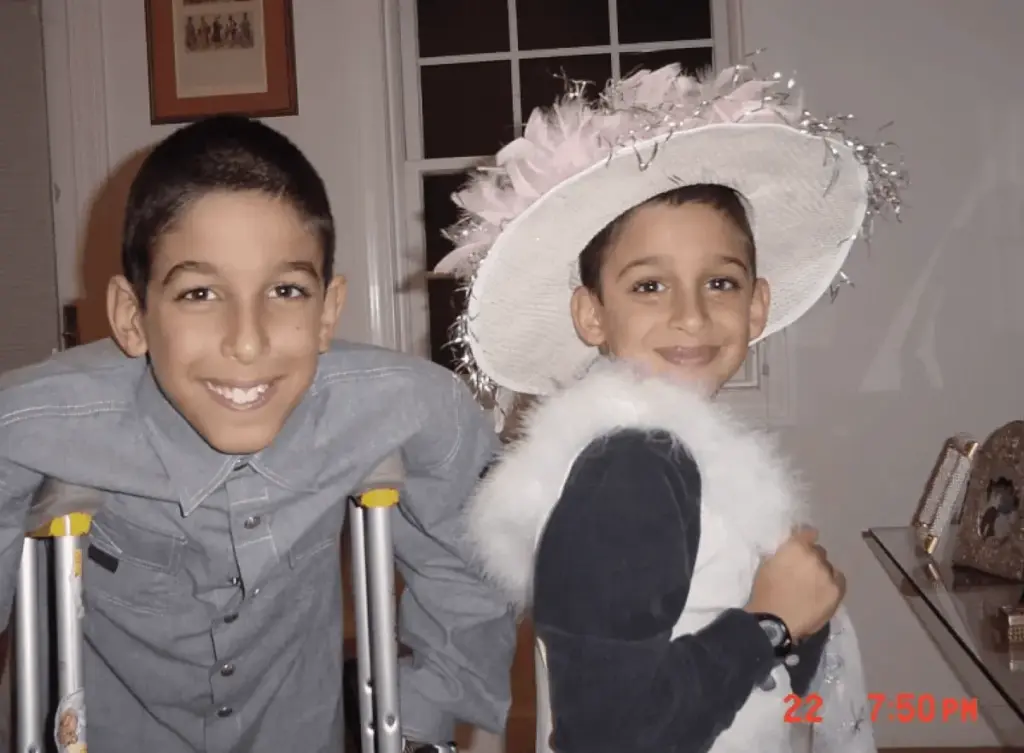
However, behind the ring lights and comedic sketches lies a much deeper, more complex narrative. Veyssi’s journey is anchored in a rich, complicated diaspora history. Their parents fled Iran in the wake of the 1979 revolution, eventually meeting in France before immigrating to the United States for work. Growing up in a household where creativity and unconditional love served as the bedrock, Veyssi came out as gay at the age of 11, later embracing gender fluidity as a form of liberation.
This article explores the multifaceted intersection of being Iranian-American and queer in the 21st century. It examines how Veyssi leverages digital platforms to educate audiences, bridge cultural divides, and humanize the Iranian diaspora. Furthermore, it contextualizes this digital storytelling against the backdrop of ongoing political turmoil in Iran, where citizens—particularly women and the LGBTQ+ community—continue to fight for basic human rights, bodily autonomy, and freedom of expression. Through the universal language of laughter, Veyssi demonstrates that joy can be an act of profound resistance.
Detailed Chronology: From Pandemic Isolation to Global Digital Phenomenon
The Catalyst: Pandemic Reflection and the Power of Reframe
The genesis of Veyssi’s digital breakthrough occurred during a period of unprecedented global isolation. Confined to their childhood home during the height of the COVID-19 pandemic, Veyssi engaged in a familiar ritual for many content creators: producing beauty and lifestyle content. While recording a video featuring a full face of glamorous makeup, Veyssi encountered a hostile digital comment that attempted to box them into a tragic narrative often assigned to marginalized youth: "So you’re Persian, you’re non-binary, and you’re queer. What age did your dad leave you?"
Rather than reacting with defensiveness or ignoring the troll, Veyssi recognized the profound irony of the remark. Not only had their father remained a steadfast pillar of emotional and logistical support throughout their life, but he had physically operated the camera for the very video in question, stepping in as a makeshift tripod.
Sizing up the opportunity to disarm bigotry with wit, Veyssi conceptualized a satirical TikTok framing the clip around the premise of "trying to bond" with a traditionally straight, immigrant father. The dynamic was tongue-in-cheek; anyone familiar with the Veyssi household knew the father-child duo shared an exceptionally close bond. Veyssi posted the video before going to sleep, entirely unaware that the algorithmic tide was about to shift. By morning, the post had accumulated 10 million views, transforming a private family dynamic into a public masterclass in cultural subversion.
Cultivating the Narrative: The Birth of "Bonding with my Baba"
Capitalizing on the unexpected viral momentum, Veyssi and their father formalized the bit into an ongoing digital series titled "Bonding with my Baba." Far from a fleeting internet trend, the series evolved into a consistent platform showcasing the nuances of modern, progressive parenting within an immigrant household.
The series operates on a simple yet revolutionary premise: juxtaposing traditional Middle Eastern paternal archetypes with contemporary queer youth culture. By allowing viewers to witness a straight Iranian immigrant father enthusiastically participating in his non-binary, queer child’s world, the series humanizes demographics that are frequently hyper-politicized in Western media. The comedy acts as a Trojan horse, drawing audiences in with lighthearted banter before dismantling deeply ingrained prejudices regarding what an Iranian family "should" look like.
Navigating the Diaspora: Identity, Liberation, and Dual Realities
As Veyssi’s platform expanded, their public advocacy deepened alongside their personal evolution. Following their early coming out at age 11—where their parents’ primary concern was simply helping them navigate the social terrain of school—Veyssi eventually came out as non-binary, embracing gender fluidity as a foundational element of personal freedom.

This journey of self-actualization, however, has not existed in a vacuum. Throughout adulthood, Veyssi and their father engaged in frequent, profound dialogues concerning the "double-edged sword" of holding intersecting marginalized identities as an Iranian-American. On one hand, navigating the American sociopolitical landscape exposes queer and trans individuals to rising waves of institutional transphobia, homophobia, and Western beauty standards that pathologize non-conformity. On the other hand, this struggle is constantly juxtaposed against the sobering reality of the Iranian diaspora: the immense privilege of residing outside a totalitarian regime where deviating from strict sexual and gender norms remains legally punishable by death.
Supporting Context & Metrics: The Intersection of Culture, Comedy, and Digital Activism
Quantifying the Digital Landscape for Queer Middle Eastern Creators
The success of creators like Cyrus Veyssi highlights a significant structural shift in how digital media platforms amplify marginalized voices. Historically, mainstream media representations of Middle Eastern individuals—and particularly Middle Eastern LGBTQ+ individuals—have suffered from two extremes: total erasure or flat, monolithic portrayals defined exclusively by trauma, oppression, or geopolitical conflict.
| Metric / Indicator | Contextual Overview | Societal Impact |
|---|---|---|
| Initial Viral Reach | 10+ million views on Veyssi’s breakthrough TikTok video. | Proves high consumer demand for nuanced, joyful narratives concerning immigrant families. |
| Cross-Platform Engagement | Consistent engagement across TikTok, Instagram, and YouTube. | Fosters localized digital communities for diaspora youth seeking representation. |
| Demographic Reach | Bridges Western progressive audiences with traditional Middle Eastern communities. | Humanizes complex geopolitical subjects through interpersonal, relatable storytelling. |
The Mechanics of Laughter as a Sociopolitical Tool
In an online ecosystem dominated by outrage culture and divisive rhetorical warfare, Veyssi intentionally chose a different weapon: humor. Drawing inspiration from peers and mentors—such as Queer Eye star Jonathan Van Ness, whose iconic catchphrase "Can you believe?" echoes through contemporary queer lexicon—Veyssi posits that comedy is the most effective pedagogical tool available to digital creators.
When educating minds about the rich, historically diverse spectrum of gender and sexuality, direct confrontation often triggers cognitive defense mechanisms. Humor, conversely, lowers these barriers. By making audiences laugh first, creators like Veyssi create a psychological opening for empathy, allowing viewers to absorb complex lessons about identity, cultural hybridity, and unconditional parental love without feeling aggressively lectured.
Official Perspectives and Cultural Commentary
Voices from the Diaspora: Balancing Global Solidarity with Local Realities
The interplay between Veyssi’s internal reflections on identity and the broader geopolitical struggles of the Iranian people forms the emotional core of their public persona. While internet creators often grapple with micro-level brand management, diaspora creators carry the added weight of ancestral heritage during times of immense national crisis.
As Veyssi reflects on their personal identity, citizens thousands of miles away in Iran are engaged in high-stakes existential resistance against an oppressive clerical regime. This resistance frequently occurs under severe systemic suppression—literally played out in the dark, with electricity and internet access routinely withheld by the state as tools of control.
Veyssi has frequently spoken on the intricate emotional labor required of the diaspora:
- The Solidarity Tug-of-War: Navigating the desire to unconditionally support every Iranian voice while simultaneously respecting the agency and lived experiences of those physically residing within Iran’s borders.
- The Overarching Tie: Recognizing that despite ideological, generational, and geographic differences, the singular unifying thread binding the global Iranian community is the shared aspiration for a free Iran—a society where bodily autonomy, particularly for women, is fully realized.
Future Outlook: Dreams of Return and the Enduring Language of Chai
Bridging the Generation and Geographic Gap
Looking toward the horizon, Veyssi’s trajectory points toward an ambitious synthesis of digital entertainment, cultural preservation, and transnational activism. Despite the current geopolitical barriers preventing travel to their ancestral homeland, Veyssi maintains a vivid, hopeful vision for the future.
Key pillars of this future outlook include:
- Physical Pilgrimage and Community Building: The eventual hope of visiting Iran to meet young, inspiring underground artists, collaborating in person, and experiencing the vibrant streets alongside fellow LGBTQIA+ Iranians.
- Cultural Reclamation: Reclaiming linguistic and familial roots—acknowledging that while fluency in Farsi may have faded slightly over years in the diaspora, cultural memory remains intact.
- The Universal Table: Envisioning a future where comedy shows can be hosted locally for the Iranian community, cementing the idea that deep cultural bonds do not require rigid linguistic perfection, but rather a shared moment over a warm glass of chai.
Ultimately, Cyrus Veyssi’s journey serves as a powerful reminder that the digital age offers unprecedented tools for self-definition. By merging the intimacy of family bonds with the expansive reach of social media, Veyssi has proven that laughter is not merely an escape from reality, but a revolutionary language capable of crossing borders, healing generational divides, and inspiring a global movement toward freedom.