Executive Overview
On the morning of Wednesday, August 19, 2026, a routine safari transit flight turned into an unimaginable catastrophe in the remote and rugged terrain of northern Kenya. A Eurocopter EC130 B4 helicopter, operated by the prominent local aviation and safari company Tropic Air, crashed into the imposing foothills of Mount Ololokwe in Samburu County. The aircraft, bearing the registration number 5Y-GYM, went down at approximately 9:13 a.m. local time while journeying from the acclaimed Loisaba Wildlife Reserve toward the lush banks of the Ewaso Nyiro River within the Samburu National Reserve.
While initial police reports and preliminary local accounts indicated that a group of seven tourists were on board alongside the flight crew, the precise casualty figures and the nationalities of the passengers remain under official verification. However, reliable aviation sources speaking to international news agencies have confirmed the bleak assessment that there were no survivors in the wreckage. The remote crash site, characterized by steep ravines, dense brush, and treacherous topography, immediately posed immense logistical challenges to first responders, local authorities, and disaster management teams attempting to reach the smoldering wreckage.
The Kenya Civil Aviation Authority (KCAA), alongside the Ministry of Roads and Transport’s Air Accident Investigation Department (AAID), has launched a comprehensive, multi-agency probe to uncover the exact sequence of events that led to the downing of the aircraft. As families, tourism stakeholders, and local communities grapple with the shock of the disaster, the incident has cast a somber shadow over Kenya’s thriving eco-tourism sector and reignited vital conversations regarding aviation safety standards in remote safari destinations.
Detailed Chronology of the Disaster
Pre-Flight and Departure from Loisaba
The ill-fated journey began during the sunlit morning hours of Wednesday at the Loisaba Wildlife Reserve, a pristine private conservation area renowned for its breathtaking landscapes and commitment to wildlife preservation. According to flight plans and preliminary aviation logs, the chartered Eurocopter EC130 B4 lifted off shortly before 9:00 a.m. local time. The flight was scheduled as a short-haul scenic transit across Samburu County, taking guests from the elevated plateaus of Loisaba down toward the meandering course of the Ewaso Nyiro River, a vital wildlife corridor and a major focal point for regional safaris.
The Fatal Descent Near Mount Ololokwe
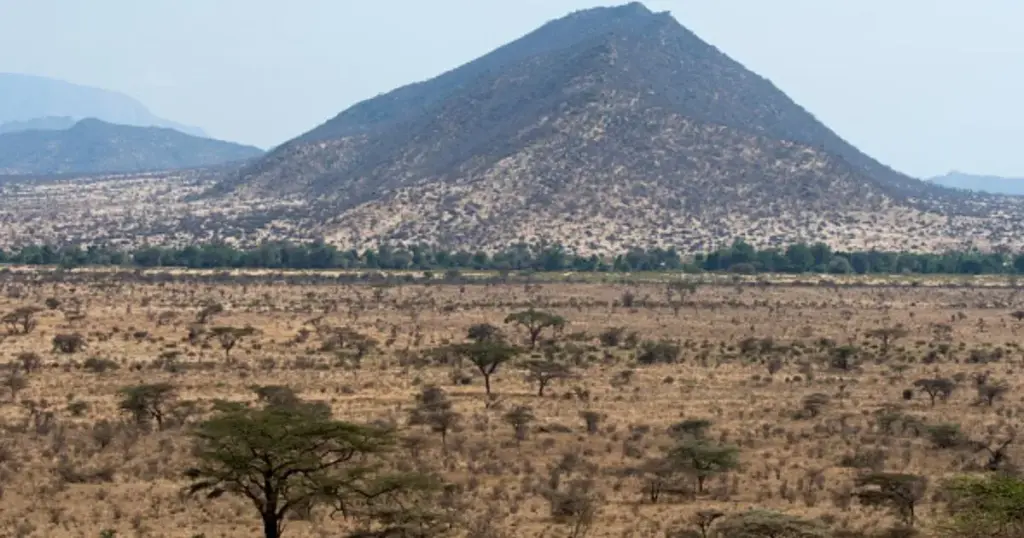
At approximately 9:13 a.m., tracking data and ground communications suggest the aircraft encountered catastrophic difficulties as it neared the towering, sacred monolith of Mount Ololokwe—locally known as Ol Lolokwe or Karisia—in Samburu County. Witnesses stationed near the mountain foothills reported hearing an unusual mechanical strain or a sharp change in engine pitch before the helicopter plummeted into a deeply recessed, inaccessible gorge.
Local residents and herdsmen grazing livestock in the vicinity were among the first to notice the catastrophe. Witnesses described seeing plumes of thick black smoke and active flames rising from the rugged ravine where the aircraft impacted the terrain. One local witness captured the immediate panic in a hurried plea for emergency assistance: "Right there, there is a helicopter that has fallen. It is quite deep and far, but do send urgent help so that people can be rescued." Unfortunately, the severity of the impact and the ferocious fire that engulfed parts of the wreckage rendered immediate civilian rescue efforts impossible.

Emergency Response and Search Operations
Following the loss of radio contact and automated distress signals, the Kenya Civil Aviation Authority mobilized its emergency coordination protocols. Search and rescue (SAR) units, comprised of specialized police contingents, county disaster management teams, and private safari aviation assets, were rapidly dispatched to the coordinates provided by tracking systems.
Due to the extreme geography of the Mount Ololokwe foothills—marked by steep cliffs, sparse thorn bush, and a lack of proper infrastructure—ground teams faced severe delays in penetrating the inner perimeter of the crash site. Aerial units were deployed to circle the canyon, attempting to suppress remaining hotspots and guide ground rescue crews through the labyrinthine ravines. By late morning, grim realizations began to surface as aviation authorities and rescue commanders communicated the likelihood of a total fatality rate.
Supporting Context & Metrics: The Aircraft, Operator, and Destination
The Aircraft: Eurocopter EC130 B4
The aircraft involved in the tragedy was a Eurocopter EC130 B4 (registered as 5Y-GYM), a widely utilized single-engine light utility helicopter renowned for its spacious cabin, excellent visibility, and adaptability to hot-and-high operational environments common across East Africa. The EC130 series is a staple in executive transport, emergency medical services, and tourism operations globally, prized for its Fenestron shrouded tail rotor and advanced safety features. Despite its robust engineering and clean safety record within professional fleets, the inherent hazards of navigating unpredictable microclimates, thermal drafts, and sudden weather shifts in mountainous African terrain leave little margin for error.
The Operator: Tropic Air
The helicopter was operated by Tropic Air, a highly respected and long-standing Kenyan aviation company specializing in bespoke safari flights, scenic air safaris, aerial filming, and emergency evacuations across East Africa and the wider region. Operating out of bases in Nanyuki and beyond, Tropic Air has built a reputation over decades for navigating some of the continent’s most challenging landscapes. The company’s pilots are typically seasoned aviators with extensive bush-flying experience. The loss of one of their aircraft in such tragic circumstances has sent shockwaves through the tightly knit East African aviation community.
The Geography: Samburu County and Mount Ololokwe
The crash occurred in one of Kenya’s most visually dramatic yet geographically demanding regions. Samburu County, situated in the arid and semi-arid northern expanse of the country, is a celebrated sanctuary for wildlife and a magnet for international eco-tourists.
- Mount Ololokwe: Rising steeply out of the surrounding flat savannah, this massive granite table mountain creates complex wind patterns and rapid atmospheric changes that can test the skills of even the most experienced aviators. Its sheer cliffs and deep surrounding canyons complicate both navigation and ground-based search-and-rescue operations.
- The Ewaso Nyiro River Ecosystem: Flowing through the heart of the Samburu National Reserve, Buffalo Springs, and Shaba reserves, the river serves as the lifeblood for the region’s diverse fauna, including elephants, reticulated giraffes, Grevy’s zebras, and large predators. The area’s concentration of luxury lodges and tented camps relies heavily on light aircraft and helicopters to ferry high-end tourists between remote wilderness reserves.
Official Statements and Investigative Developments
Kenya Civil Aviation Authority (KCAA) Response
In the wake of the disaster, the Kenya Civil Aviation Authority issued formal statements confirming the timeline and nature of the accident. A KCAA spokesperson detailed the aircraft’s registration, route, and the immediate activation of inter-agency response protocols.

In an official statement addressing the public and international community, the KCAA expressed profound sorrow:
"The authority extends its deepest condolences to the families of the victims following this tragic incident. We are closely coordinating with all relevant agencies, emergency services, and aviation stakeholders to manage the aftermath of this accident and support the ongoing investigation."
While initial KCAA briefings remained tight-lipped regarding exact passenger manifests—pending formal notification of next of kin and consular verifications—independent confirmations from international aviation monitors and local law enforcement painted a devastating picture of total loss of life.
The Role of the Air Accident Investigation Department (AAID)
The investigation into the Samburu helicopter crash has been officially assumed by the Air Accident Investigation Department (AAID), operating under Kenya’s Ministry of Roads and Transport. Investigators specializing in wreckage analysis, flight data recovery, mechanical engineering, and meteorology have been deployed to the site.
The primary objectives of the AAID probe will include:
- Wreckage and Debris Analysis: Examining the scatter pattern, impact angle, and structural integrity of the Eurocopter EC130 B4 to determine if an in-flight structural failure or mechanical malfunction occurred.
- Engine and Systems Audit: Recovering engine components, avionics, and flight logs to evaluate the operational status of the craft prior to impact.
- Environmental and Meteorological Factors: Assessing wind shear, visibility, and thermal updrafts around the Mount Ololokwe foothills at the time of the flight (approx. 9:13 a.m.).
- Human Factors: Reviewing the pilot’s flight hours, training records, radio communications with air traffic control or base operations, and health status leading up to departure.
Because the crash site was partially ravaged by fire, forensic specialists face the meticulous task of piecing together physical evidence from charred remnants within a difficult geographical footprint.

Future Outlook: Safety, Tourism, and Industry Implications
Impact on Kenya’s Eco-Tourism Sector
Kenya’s tourism industry is a cornerstone of its national economy, and high-end safari experiences—which frequently incorporate bush-flying and helicopter excursions—attract thousands of affluent travelers annually. Samburu County, famed for its unique wildlife species and breathtaking vistas, has seen a steady rise in popularity.
The tragedy at Mount Ololokwe poses both an immediate emotional challenge and a long-term communications hurdle for tourism boards and safari operators. Ensuring that prospective visitors feel secure in the country’s transport infrastructure will require absolute transparency from investigators and a renewed commitment to rigorous safety audits across all domestic aviation fleets.
Scrutiny on Bush Aviation Standards
The accident has inevitably triggered a broader discourse regarding the oversight of remote-area aviation in East Africa. While Kenya boasts a generally competent regulatory framework aligned with international civil aviation standards, the sheer unpredictability of bush flying in remote terrain demands constant vigilance.
Industry analysts anticipate that the final findings of the AAID report—expected to take several months to compile—will prompt a nationwide review of:
- Mandatory safety equipment upgrades for charter helicopters operating in remote safari corridors.
- Enhanced weather-reporting infrastructure across northern Kenya’s micro-climates.
- Stricter protocols for flight tracking and rapid-response deployment in areas devoid of cellular or radar coverage.
Conclusion and Ongoing Support
As the recovery operations wind down and the painstaking work of forensic identification begins, the international community joins Kenya in mourning those lost in the Samburu wilderness. Consulates and embassies are working in tandem with Kenyan authorities to assist affected families, while local communities near Mount Ololokwe continue to offer support to rescue and investigation teams navigating the harsh terrain.
For an industry built on the wonder of exploring untamed landscapes from the skies, the tragedy serves as a poignant and heavy reminder of the unpredictable forces of nature and the high stakes of aviation in the wild.