Executive Overview
The landscape of American retail pharmacy is undergoing a profound structural evolution. For decades, the ubiquitous national drugstore was defined by sprawling footprints of 10,000 to 15,000 square feet, packed with everything from greeting cards and cosmetics to household cleaning supplies and seasonal goods. Today, however, industry leader CVS Pharmacy is pivoting away from this one-size-fits-all model.
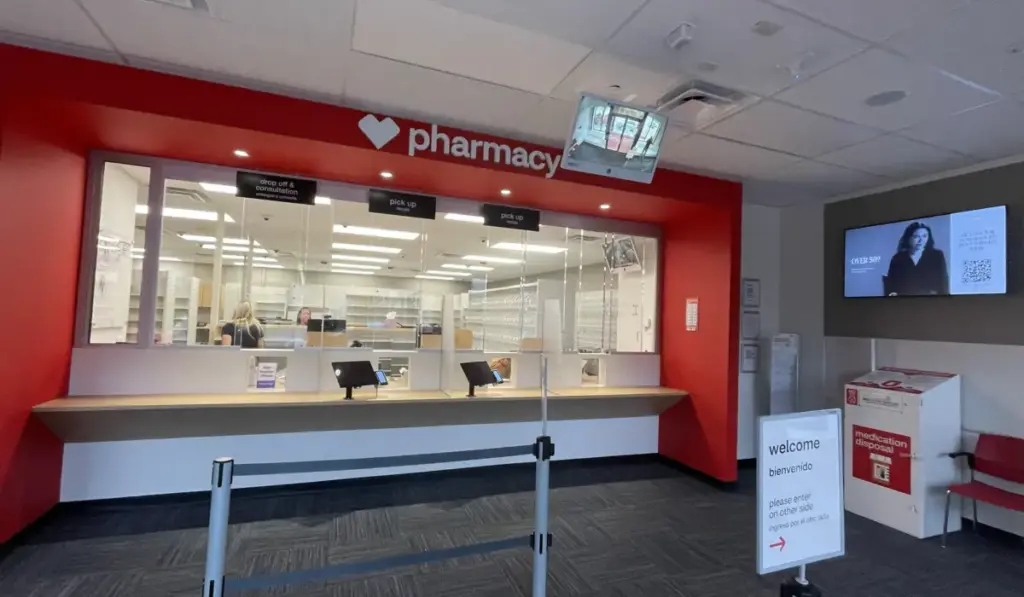
In a strategic move designed to hyper-focus on community health needs, the retail giant has debuted its first pharmacy-centric location in the Greater Boston area. Situated at 32 Warren Street in Roxbury, Massachusetts, this streamlined storefront marks a sharp departure from the traditional suburban and urban superstores consumers have navigated for generations.
Averaging a compact 3,000 square feet, the Roxbury location strips away the labyrinthine aisles of non-essential merchandise in favor of a dedicated, full-service pharmacy paired with a meticulously curated selection of over-the-counter (OTC) health essentials. This redesign is not merely aesthetic; it is a calculated operational response to shifting consumer expectations, public health demands, and the growing economic pressures facing modern brick-and-mortar retail. By prioritizing clinical care, direct pharmacist-patient engagement, and essential community health services—such as safe medication disposal and needle collection sites—CVS is attempting to reposition the neighborhood drugstore as an accessible, high-touch healthcare hub rather than a convenience store that happens to fill prescriptions.
Detailed Chronology: The Genesis of CVS’s Pharmacy-Centric Strategy
To understand the significance of the Roxbury opening, one must trace the trajectory of CVS Health’s retail footprint over the past several years. The traditional drugstore model, while profitable for decades, has faced mounting headwinds, including rising commercial real estate costs, supply chain disruptions, labor shortages within the pharmacy sector, and fierce competition from e-commerce giants and discount grocers.
1. The Pivot Toward Compact Footprints
Recognizing that maintaining massive retail front-stores was increasingly unsustainable and misaligned with consumer shopping habits, CVS began re-evaluating its physical architecture. Shoppers increasingly buy household goods online or at big-box retailers, utilizing pharmacies strictly for medication management, immunizations, and acute clinical advice.
In response, CVS conceptualized a streamlined, pharmacy-first prototype. The goal was to drastically reduce square footage—slashing it by up to 70% compared to legacy stores—thereby lowering overhead costs while concentrating resources where they matter most: clinical expertise and pharmaceutical access.
2. National Rollout and Urban Integration
The Roxbury launch did not happen in a vacuum. It represents the latest node in a deliberate, multi-city rollout strategy designed to test and refine the pharmacy-focused format across diverse demographic and geographic markets. Prior to the Boston-area debut, CVS established pilot locations in major metropolitan centers and underserved urban areas, including:
- Birmingham, Alabama
- Chicago, Illinois
- Detroit, Michigan
- Houston, Texas
- Washington, D.C.
Each of these early implementations provided vital operational data regarding inventory management, patient throughput, and community engagement. The success of these test beds paved the way for the Massachusetts expansion, setting the stage for a broader national deployment slated for the coming years.
3. The Roxbury Launch: A Milestone for Greater Boston
The selection of 32 Warren Street in Roxbury is particularly notable. As one of Boston’s most historic and culturally vibrant neighborhoods, Roxbury has historically experienced disparities in healthcare access compared to more affluent surrounding municipalities. By embedding a compact, highly specialized pharmacy directly into the neighborhood, CVS aims to bridge the healthcare equity gap, ensuring that residents have frictionless access to prescriptions, immunizations, and professional health counseling without needing to travel miles to a suburban superstore.
Supporting Context & Metrics: Why the Consumer Demands the Human Touch
CVS’s structural pivot is strongly supported by internal research and broader macroeconomic healthcare trends. While digital health platforms, tele-pharmacies, and mail-order prescription services have proliferated, consumer demand for physical, human-centric pharmacy care remains remarkably resilient.
The 2025 CVS Health Rx Report: Key Findings
Data from the 2025 CVS Health Rx Report provides compelling statistical evidence underpinning the new store format:
- 80% of patients explicitly state a preference for face-to-face pharmacy care over digital-only or remote alternatives.
- 48% of surveyed patients indicated that they would actively switch their pharmacy provider if they were restricted to digital-only or automated interaction models.
- 97% of pharmacy professionals surveyed agree that in-person, interpersonal interactions remain vital to optimal patient health outcomes, medication adherence, and safety.
The Economics of Streamlined Inventory
From a retail logistics standpoint, the 3,000-square-foot model solves several operational inefficiencies. Traditional stores often struggle with dead stock in non-pharmacy aisles. By curating only the most essential over-the-counter products—such as pain relievers, first aid supplies, digestive health aids, and trusted dermatological treatments—the Roxbury location maximizes inventory turnover while minimizing wasted retail space.
Furthermore, for products not stocked directly on the shelves, the store utilizes a frictionless free home delivery mechanism. This hybrid approach bridges the physical-digital divide: patients get the immediate face-to-face consultation they desire with a pharmacist, and any specialized or bulky items are shipped directly to their doorsteps within days.
Comprehensive Community Health Services
Beyond filling prescriptions, the Roxbury location functions as an environmental and public health asset for the neighborhood. Recognizing the dangers posed by improper pharmaceutical disposal and community needle litter, the store has integrated specialized infrastructure directly into its layout:
- Safe Medication Disposal Bins: Designed to allow community members to anonymously and securely discard unneeded, unwanted, or expired prescription and over-the-counter medications, actively combating the opioid crisis and accidental poisoning.
- Safe Needle Collection Sites: Providing a secure mechanism for patients who manage conditions like diabetes at home to dispose of used sharps safely, protecting sanitation workers and public spaces from biohazardous waste.
Official Statements and Industry Perspectives
Corporate leadership and frontline healthcare providers alike have championed the new format as a necessary evolution in patient-centric care.
"We are reimagining how pharmacy care is delivered by creating locations designed around the needs of the communities we serve," states Sid Tenneti, Senior Vice President and Interim President of Pharmacy and Consumer Wellness at CVS Health.
Tenneti’s remarks highlight a strategic shift from product-pushing retail toward service-oriented healthcare delivery. Rather than asking what products can be crammed onto store shelves, CVS is asking what services a specific neighborhood lacks.
At the ground level, the emphasis shifts heavily toward relationship-building and clinical counseling. Marco Mares, Pharmacy Manager at the new Roxbury location, emphasizes the irreplaceable value of direct dialogue between patients and healthcare practitioners:
"Being able to speak with a pharmacist one-on-one, having questions answered and getting advice and counsel when needed is crucial to helping patients maintain and achieve their best health," Mares notes. "Our new Roxbury pharmacy is excited to welcome residents, build new relationships and serve the community’s pharmacy care needs."
Industry analysts view this as a masterclass in differentiation. As traditional drugstores face intense margin compression from pharmacy benefit manager (PBM) reimbursement pressures and direct-to-consumer digital pharmacies, carving out a distinct niche centered on localized clinical care offers a defensible competitive moat.
Future Outlook: The Multiformat Retail Strategy of CVS Health
The opening in Roxbury is merely a stepping stone in a much larger, aggressive real estate strategy. CVS Health has confirmed that the pharmacy-focused format will scale significantly in the near future.
The 2026 Expansion Blueprint
- Nearly 20 additional pharmacy-focused locations are slated to open in select communities across the United States throughout 2026.
- These openings form a core component of a broader plan to introduce over 40 new CVS Pharmacy locations overall this year, a mix that includes traditional legacy stores and specialized pharmacies embedded within Target retail stores.
A Diversified Ecosystem
Rather than relying on a single store archetype, CVS is deliberately cultivating a diversified, multi-format retail ecosystem tailored to distinct consumer journeys and neighborhood profiles. The company’s current operational portfolio now spans several distinct formats:
- Traditional Full-Service Stores: Large-format stores featuring extensive front-store retail merchandise alongside full pharmacies.
- Pharmacy-Focused Locations: The new compact model (such as Roxbury and the Chicago, Houston, and D.C. sites) prioritizing clinical care, essential OTC goods, and home delivery.
- In-Store Partnerships: Dedicated pharmacies operating seamlessly within major retail environments like Target and Schnucks supermarkets.
- MinuteClinic Integrations: Locations outfitted with walk-in medical clinics staffed by nurse practitioners and physician assistants for minor illnesses, physicals, and preventative screenings.
- Colocated Health Hubs: Sites positioned directly adjacent to Oak Street Health clinics, offering coordinated senior-focused primary care alongside comprehensive pharmacy services.
Conclusion
As healthcare delivery becomes increasingly digitized, automated, and impersonal, CVS Health’s investment in intimate, neighborhood-scale pharmacy formats serves as a powerful counter-trend. By recognizing that human connection remains the cornerstone of pharmaceutical compliance and patient wellness, the debut at 32 Warren Street in Roxbury signals a promising new chapter for urban healthcare retail—proving that sometimes, when it comes to community health, less retail space yields vastly superior care.