Executive Overview
In an industry perpetually hyperventilating over the next micro-trend, designer "It-bag," or algorithmically driven viral accessory, one category stands entirely unmoored from the chaos: the black handbag. While seasonal fads flare brightly and burn out within a single fiscal quarter, the definitive black bag retains a quiet, formidable permanence. Much like a brilliantly cut trench coat, a crisp white poplin shirt, or a pair of perfectly broken-in true-blue jeans, the ultimate black handbag is not merely an accessory; it is foundational infrastructure for the modern wardrobe.
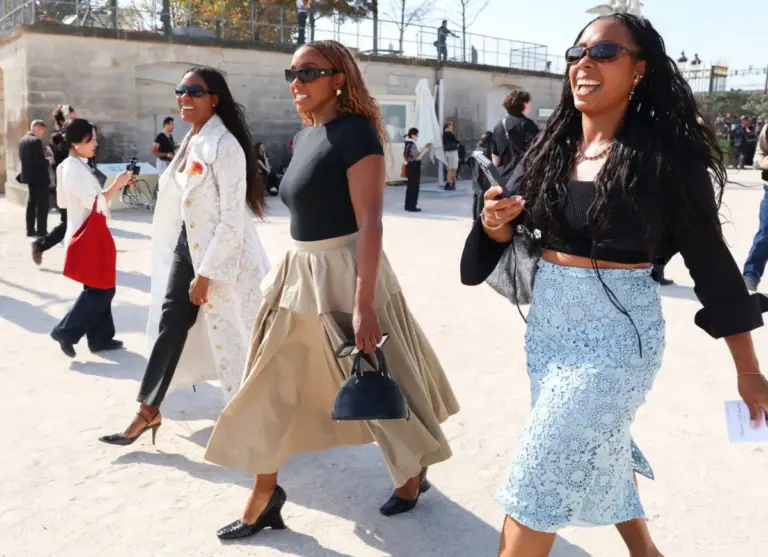
Yet, treating the black handbag as a monolithic entity is a rookie error. Just as a sensible commuter flat serves a vastly different purpose than a stiletto heel, the seasoned dresser understands that a robust capsule wardrobe requires a rotation of black bags tailored to distinct moments in time. From cavernous everyday totes capable of housing a laptop, makeup arsenal, and daily survival gear, to streamlined shoulder bags designed for a curated edit of personal effects, hands-free crossbodies, and feather-light party pouches, diversity within this neutral spectrum is essential.
Navigating the current market reveals an embarrassment of riches. At the pinnacle of luxury investment, iconic silhouettes—such as Bottega Veneta’s woven masterpieces and Saint Laurent’s razor-sharp designs—sit alongside high-street marvels that champion minimalist, logo-free sophistication at a fraction of the cost. To unpack the enduring dominance of this sartorial staple is to examine the intersection of utility, timeless design, and the evolving psychology of modern luxury consumption.
Detailed Chronology: The Evolution of the Carryall
To fully appreciate why the black handbag occupies such an untouchable throne today, one must trace its journey from a utilitarian utility pouch to a high-fashion status symbol over the past century.
The Uturitarian Era (Pre-1950s)
Before the mid-20th century, women’s bags were largely functional containers designed to hold bare essentials like calling cards, coins, and handkerchiefs. Black leather was chosen primarily for its dirt-repelling practicality rather than high-style considerations. These early iterations were structured, rigid, and strictly coordinated with matching gloves and shoes. The concept of the handbag as a distinct vehicle for personal expression was still in its infancy.
The Birth of the Modern Designer Icon (1950s–1980s)
The post-war economic boom and the rise of mass production shifted the paradigm. Luxury houses recognized that accessories offered an accessible entry point to aspiration. The introduction of structured top-handle bags in rich, box-calf black leather cemented the color as the ultimate symbol of polish and respectability. By the 1970s and 80s, fashion houses began injecting hardware, chain straps, and signature locks into their black leather goods, transforming them from quiet companions into overt statements of wealth and taste.
The Logomania Boom and Minimalist Correction (1990s–2010s)
The late 20th century saw a tug-of-war between aggressive logomania—where bags were plastered in monogram prints—and a fierce, clean-lined minimalist counter-movement led by designers like Helmut Lang, Jil Sander, and Phoebe Philo-era Céline. During periods of economic uncertainty, the black handbag served as a safe haven. It was anti-flashy yet undeniably luxurious. The introduction of the modern "It-bag" phenomenon in the early 2000s temporarily skewed the market toward seasonal novelties, yet even then, the black variants of these bags held their resale value significantly better than their brightly colored or printed counterparts.
The Contemporary Era: Hyper-Specialization and Quiet Luxury (2010s–Present)
Today, the black handbag market is defined by two opposing forces: ultra-luxury heritage investment pieces and the "quiet luxury" movement championed by contemporary labels and high-street champions alike. Consumers are increasingly rejecting overt logos in favor of impeccable craftsmanship, tactile leather finishes, and thoughtful compartmentalization. The black bag has evolved into a chameleon capable of navigating boardrooms, transatlantic flights, and midnight galas with equal aplomb.
Supporting Context & Metrics: The Anatomy of the Market
The resilience of the black handbag is not merely a stylistic observation; it is backed by profound economic and consumer behavior data within the global luxury and retail sectors.
Market Share and Color Dominance
According to aggregate retail analytics from major luxury platforms and department stores, black consistently accounts for between 55% to 68% of total handbag sales globally across all price brackets. While seasonal injections of pastels, neon brights, and metallics drive short-term digital engagement and marketing campaigns, black remains the revenue bedrock for both heritage houses and high-street retailers.
- Resale Value Retention: Data from secondary luxury resale platforms indicates that black designer handbags retain an average of 78% to 85% of their original retail value upon resale, compared to just 45% to 60% for seasonal colorways in the exact same silhouettes.
- Cost-Per-Wear Economics: Consumer research highlights that a well-chosen black handbag boasts the lowest cost-per-wear of any accessory category, frequently dropping below £0.50 per day over a standard three-year usage lifecycle.
Categorical Breakdown: The Core Four
A functional collection requires balance across four primary archetypes:

- The Everyday Tote: Designed for the modern professional or commuter. Essential features include reinforced handles, structured base panels to prevent sagging, and internal zip compartments. Standout market benchmarks range from accessible high-street staples (such as the Autograph Leather Tote at £130) to architectural leather masterpieces.
- The Shoulder Bag: The reigning champion of day-to-night versatility. Sized to accommodate a smartphone, cardholder, keys, and lipstick without breaking the silhouette of the wearer’s coat or jacket.
- The Crossbody: Built for hands-free mobility. Valued by urban commuters and travelers alike, the ideal crossbody strikes a balance between strap comfort, security closures, and compact volume.
- The Party Pouch / Evening Bag: Freed from the constraints of utility, these pieces lean into texture, hardware, and whimsy—incorporating satin, feathers, beading, and structural metallic frames.
Official Statements and Industry Insights
Leading voices across the design spectrum consistently emphasize that the black handbag is the ultimate test of a brand’s craftsmanship and structural integrity. Without the distraction of color, every flaw in stitching, edge-painting, and leather selection is laid bare.
"When you strip away color, print, and novelty hardware, what you are left with is the pure geometry of the object. A black bag must communicate luxury through touch, weight, and line alone."
— Senior Accessory Designer, European Heritage House
Retail buyers note a distinct shift in consumer mindset toward intentional, long-term purchasing habits.
"We are seeing a definitive pivot away from impulse buys fueled by social media algorithms. Customers are asking themselves: ‘Will this piece still make sense in my wardrobe five years from now?’ Because the answer for a well-made black bag is almost universally ‘yes,’ it remains our most resilient category across all macroeconomic climates."
— Head of Accessories Buying, Major Luxury Retailer
Furthermore, material scientists and sustainability advocates point out that the longevity of a black handbag is its greatest environmental asset. By outliving seasonal trends by decades, a high-quality leather or durable textile bag inherently combats the fast-fashion disposability cycle.
Future Outlook: Materials, Craftsmanship, and the Next Decade
As we look toward the future of accessories, the landscape of the black handbag is shifting in response to technological advancements, shifting consumer ethics, and evolving urban lifestyles.
Material Innovation and Fabrication
Choosing the right finish for a black bag is no longer just about aesthetics; it dictates how the piece will weather the decades:
- Smooth Calfskin: Offers a razor-sharp, refined aesthetic that develops a rich patina over time, though it demands careful maintenance against scratches.
- Pebbled Leather: The undisputed workhorse of the category, engineered to withstand the daily friction of public transit, office floors, and erratic weather.
- Suede: Introduces tactical softness and deep visual absorption, adding unexpected warmth to winter wardrobes.
- Patent Leather: Delivers high-gloss drama and structural rigidity, making it an perennial favorite for evening wear and transitional dressing.
A critical note on longevity: Industry experts consistently advise steering away from low-grade synthetic faux leathers where true durability is desired. While alternative materials are evolving rapidly—particularly plant-based innovations derived from cactus, apple, and mycelium—traditional full-grain and top-grain leathers, when responsibly sourced, remain unmatched in their ability to age gracefully and be repaired over generations.
The Rise of the Neo-Minimalist Aesthetic
Looking ahead to the next decade, the black handbag will continue to serve as an anchor in an increasingly digitized and fast-paced world. As augmented reality and virtual fashion vie for consumer attention, the tactile comfort of a beautifully weighted, pebble-grained black tote or a sleek calfskin shoulder bag provides a grounding, physical counterweight.
Ultimately, the black handbag does not need to reinvent itself to remain relevant. Its genius lies in its steadfast refusal to change, serving as an eternal canvas of elegance in an ever-shifting world. Whether sourced from a heritage atelier or a thoughtful contemporary high-street label, finding the right black bag is less about shopping and more about finding a lifelong companion.