Executive Overview
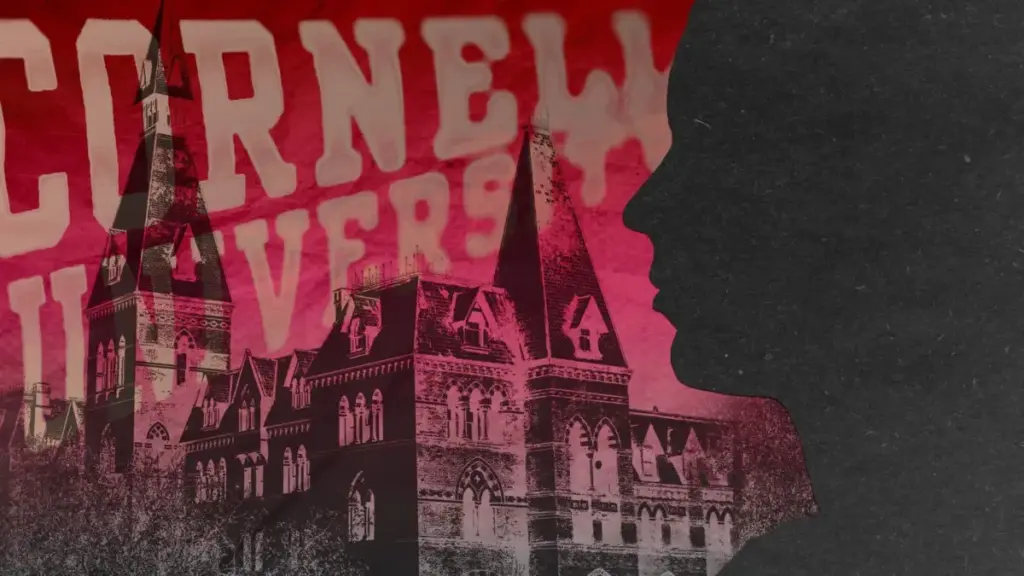
The ivy-draped hills of Ithaca, New York, long regarded as a quintessential sanctuary of academic pursuit, are currently shrouded in a heavy atmosphere of grief, anger, and profound disillusionment. For the women attending Cornell University, a recent high-profile lawsuit has shattered any lingering illusions of immunity traditionally ascribed to elite Ivy League institutions. The legal filing—alleging that a former student was drugged and gang-raped by multiple members of the Chi Phi fraternity—has escalated far beyond a mere national headline. It has fundamentally altered how students perceive their physical safety, navigate their social lives, and evaluate their enduring relationship with an institution many sacrificed years of rigorous effort to enter.
Across campus, the prevailing mood is defined by a tense, heavy quiet. Students describe an academic and social environment fractured by anxiety and frustration, where the daily routine of walking to class is frequently interrupted by media scrums and outside scrutiny. The case has ignited a fierce, long-overdue campus-wide conversation regarding the safety of Greek life and the systemic imbalances of power embedded within college social dynamics.
Compounding the trauma of the allegations is a pervasive sense of injustice: the survivor, identified in legal documents as Jane Doe, was forced to forfeit her education and leave Cornell under harrowing circumstances, while several of the accused men were reportedly permitted to graduate and transition seamlessly into their professional lives. This stark disparity has catalyzed student protests, intensified scrutiny of the university’s administrative response, and forced a nationwide dialogue about how elite universities protect institutional prestige at the expense of student safety.
Detailed Chronology: From Allegation to Institutional Crisis
To understand the profound shockwaves currently reverberating through Cornell’s campus, it is essential to examine the sequence of events that brought systemic institutional failures into the public eye.
The Incident and Initial Fallout (Two Years Prior)
The legal action stems from an alleged sexual assault that took place approximately two years prior to the public filing. According to court documents, a female Cornell student was targeted at an off-campus or fraternity-associated event, where she was allegedly drugged and subsequently gang-raped by multiple members of the Chi Phi fraternity.
In the immediate aftermath of the assault, the victim sought institutional recourse. However, according to student accounts and preliminary legal disclosures, the university’s internal handling of the case was marred by administrative inaction, procedural ambiguity, and a failure to deliver meaningful repercussions for the perpetrators. Faced with an unsupportive environment, mounting psychological distress, and a lack of institutional protection, the survivor made the agonizing decision to withdraw from Cornell, effectively terminating her Ivy League education. Meanwhile, the accused students—according to student testimonies—remained enrolled, completed their coursework, and graduated without facing comparable disruptions to their futures.
The Lawsuit and Public Awakening
The dormant pain of the initial incident transformed into a volatile public crisis when the civil lawsuit was officially filed, detailing the harrowing specifics of the night and the university’s subsequent mishandling of the case. The legal filing immediately went viral, amplified by social media platforms, student advocacy networks, and national news outlets.
The transition from a private administrative failure to a public spectacle caught the Cornell administration flat-footed. As reporters and camera crews descended upon Ithaca, the campus was thrust into an unfamiliar role: the epicenter of a national debate regarding campus sexual assault. The sudden influx of media attention disrupted day-to-day student life, creating a double pressure cooker for women on campus who found themselves simultaneously processing the trauma of the revelations while being aggressively solicited for media interviews while walking to lectures or libraries.
The University’s Response and the Backlash
In the wake of the public outcry, Cornell’s administration and various Greek life councils attempted to mount a coordinated response, releasing statements emphasizing their commitment to student safety and pledging to review existing protocols. However, these communications have largely inflamed, rather than soothed, student tensions.
Critics and student advocates have pointedly characterized the university’s official responses as defensive, ambiguous, and overly protective of institutional liability. Rather than acknowledging historical missteps, the administration’s double-down approach has been perceived as an attempt to justify past judgments. This institutional defensiveness has galvanized the student body, culminating in organized demonstrations—such as a heavily attended campus protest—demanding transparency, systemic overhauls, and genuine accountability from university leadership.
Supporting Context & Metrics: The Greek Life Dilemma and Systemic Inequities
The crisis at Cornell is not an isolated anomaly; rather, it serves as a glaring symptom of deeper, structural vulnerabilities deeply entrenched in American higher education.
The Greek Life Power Dynamic
Fraternities and sororities have long occupied a dominant role in the social architecture of residential universities. At Cornell, Greek organizations control vast amounts of real estate, host the majority of high-capacity social events, and wield significant informal influence over campus social hierarchies.
However, this architecture has historically concentrated power in the hands of male-dominated organizations. Sociological research consistently demonstrates that fraternity environments—particularly those operating with minimal oversight, closed-door alumni boards, and traditions of heavy drinking—exhibit statistically higher risks of sexual violence compared to independent living spaces. For many female students, navigating these spaces has always felt like walking through a minefield, where social integration requires accepting an underlying baseline of vulnerability.
The Illusion of Elite Immunity
A recurring theme in the discussions surrounding the Cornell lawsuit is the shock expressed by outside observers that such a brutal crime could occur within the pristine confines of an Ivy League institution. Commentators and online critics frequently voice disbelief: How could this happen at Cornell?
Student activists, however, argue that this perspective reveals a profound misunderstanding of systemic misogyny. As sophomore Roz Kurd notes, prestige and steep tuition do not insulate a campus from the foundational flaws of a patriarchal society. The common denominator is not the selectivity of the admissions office, but a broader national culture built by powerful individuals who treat institutional authority and social dominance as an entitlement.
The Burden of Accountability Placed on Survivors and Female Students
The fallout from the lawsuit has also highlighted an unfair burden placed upon the women who choose to remain at Cornell. In the wake of the viral outrage, some online commentators directed misplaced anger at current female students, arguing that remaining enrolled at an institution with such a history amounts to a tacit endorsement of its failings.
Student leaders have vehemently rejected this victim-blaming rhetoric. As sophomore Sylvia Brock pointed out, expecting women to sacrifice their hard-earned Ivy League educations—which they fought tooth and nail to attain—is entirely hypocritical. The fault lies squarely with the perpetrators of violence and the institutional systems that protected them, not with the female scholars striving to build their futures.
Official Statements and Institutional Discourse
The widening chasm between the student body and university leadership has been exacerbated by conflicting narratives regarding institutional responsibility.
The Administration’s Stance
In its public updates, Cornell University leadership has reiterated its zero-tolerance policy regarding sexual assault, pointing to existing reporting mechanisms, Title IX compliance frameworks, and collaborative initiatives with Greek leadership aimed at cultural reform. Administration officials have emphasized that student safety remains a paramount priority and have encouraged community members to utilize counseling and support services.
However, the administration’s refusal to publicly address the specific administrative decisions made during the handling of Jane Doe’s case two years prior has drawn sharp criticism. By maintaining a stance of procedural confidentiality—frequently cited as a legal necessity under privacy laws—the administration has inadvertently communicated a lack of accountability, leaving many to conclude that protecting the university’s brand supersedes delivering justice.
The Student Perspective: Demanding Systemic Reform
In stark contrast to the guarded language of the administration, student leaders and campus advocates have articulated a clear, uncompromising demand for systemic transformation. Through interviews, op-eds, and campus demonstrations, students have underscored several critical imperatives:
- Transparency in Disciplinary Actions: Demanding that the university abandon opaque internal review processes in favor of clear, verifiable accountability measures when sexual misconduct is reported.
- Reevaluation of Greek Life Oversight: Calls for stricter monitoring of fraternity houses, mandatory bystander intervention training, and, in more radical circles, the complete abolition of Greek organizations that fail to maintain rigorous safety standards.
- Support and Restitution for Survivors: Ensuring that future survivors are met with institutional belief, immediate support, and academic accommodations rather than administrative hurdles that force them out while abusers remain.
- Cultural Shift in Power Dynamics: Dismantling the unspoken social contract that grants fraternity members unchecked authority over campus social spaces and party culture.
Future Outlook: A Defining Moment for Cornell and Higher Education
The Chi Phi lawsuit and its turbulent aftermath represent a watershed moment for Cornell University. Whether this crisis becomes a catalyst for permanent, progressive reform or merely a temporary PR storm followed by a return to institutional complacency remains to be seen.
What is certain is that the collective consciousness of the student body—particularly its women—has been permanently altered. The narrative that academic excellence and institutional prestige can shield a community from the realities of gender-based violence has been thoroughly dismantled. Students like Sofia Hasty, Faye Hsu, and Abi Kizza have made it clear that they refuse to let Jane Doe’s story be swept under the rug or reduced to a transient social media trend.
For Cornell’s administration, the path forward requires unprecedented humility, radical transparency, and actionable reform. It requires acknowledging past institutional failures not as isolated administrative errors, but as systemic symptoms that demand structural cures. If Cornell fails to rise to this occasion, it risks alienating its community, staining its legacy, and signaling to future generations of students that institutional self-preservation outweighs human dignity.
Ultimately, the eyes of the academic world are fixed on Ithaca. The precedents set by Cornell’s response to this crisis will likely echo across college campuses nationwide, serving as a litmus test for how modern institutions handle accountability, student safety, and the unyielding demand for justice in the 21st century.
If you or someone you know has experienced sexual assault, confidential help is available. You can contact the National Sexual Assault Hotline at 1-800-656-4673 or visit online resources provided by RAINN (Rape, Abuse & Incest National Network), SafeBae, Know Your IX, and the National Sexual Violence Resource Center.