Fashion and beauty exist in an endless, revolving loop of reinvention, but the velocity at which bygone eras return has accelerated dramatically. While historical revivals typically rely on decades-long gaps between a trend’s conception and its inevitable reappearance, the current hair landscape defies conventional timelines.
As we approach the peak of summer 2026, top-tier stylists, runway authorities, and A-list celebrities are championing a stunning array of vintage aesthetics. Far from simple carbon copies, these revived silhouettes have been thoughtfully re-engineered for the modern era. Amid rising temperatures and scorching seasonal heatwaves, an anticipated surge in cropped, choppy pixies and effortlessly tousled bobs feels natural. However, the unexpected mainstream return of deeply structured layers, Old Hollywood-inspired fringes, and playful Y2K styling signals a much deeper cultural appetite for theatricality, individualistic expression, and heritage elegance.
Recent global Fashion Weeks and red-carpet appearances confirm that ten distinct, historically rich hairstyles are firmly reclaiming dominance. From the swinging, mod-infused bobs of the 1960s to the gritty, rebellious textures of the 1990s and the glossy, high-shine finishes of the early 2000s, these cuts form the definitive blueprint for summer 2026. This comprehensive report investigates the anatomy of these revivals, exploring how master stylists are translating decades-old blueprints into modern, wearable art.
Detailed Chronology: Tracing the Evolution of Summer’s Top 10 Retro Cuts
1. The Graduated Bob (Early-2000s Sharpness Meets Modern Softness)
The early 2000s hair canon was fundamentally defined by Victoria Beckham’s iconic "posh bob"—a razor-sharp, heavily angled cut with dramatic graduation that quickly became one of the most coveted and widely imitated looks of the millennium. Today’s iteration dials down the severe geometry in favor of a more relaxed, airy disposition with softer internal lines, as brilliantly demonstrated by Cate Blanchett.
Laura Elliott, head stylist and educator at Neäl & Wölf, notes that the graduated bob essentially "does most of the work for you." According to Elliott, the cut naturally constructs structural volume, accentuates the cheekbones, and flatters an array of diverse hair textures with minimal reliance on high-heat styling tools.
2. The Rachel (1990s Layering Reimagined)
Originally catapulted to cultural ubiquity by Jennifer Aniston during her tenure on Friends in the late 1990s, "The Rachel" remains the absolute gold standard for choppy, face-framing layers.
"That decade is having a huge moment again,"
— Andreas Wild, Senior Hairstylist at Larry King (Notting Hill and Marylebone)
Wild points out that the enduring appeal of the cut stems from its ability to feel surprisingly current. Last month, supermodel Gigi Hadid seemingly recreated Aniston’s legendary 1996 honey-blonde layered look. This expert layering technique injects vital movement into fine or flat hair while offering the flexibility of a high-gloss, bouncy blow-dry or an effortless, low-maintenance air-dry.
3. The French Bob (Timeless Parisian Chic from the 1920s to Today)
Rooted in the roaring rebellion of the 1920s, the French bob is a masterclass in timeless cropping. Demand for this jaw-skimming masterpiece—the ultimate embodiment of casual Parisian chic—spiked successively in the 1960s, received an executive reinvention via Jessica Lange in the 1980s, and saw another resurgence in the early aughts.
Now, contemporary icons like Halle Berry have championed the look as both effortlessly modern and remarkably low-maintenance for the summer months. The style is particularly advantageous for wavy, curly, or coily hair types, allowing individuals to lean directly into their natural texture. Pairing the cut with a lightweight styling cream or a nourishing leave-in conditioner makes air-drying the preferred method for achieving that signature "undone" effect.
4. Bardot Bangs (The Return of the "A-Line" Fringe)
Named after French cinematic icon Brigitte Bardot, these soft, middle-parted, "A-line" fringes have dominated backstage styling at Copenhagen Fashion Week.
"Keeping those shorter, feathered sections around the face makes it feel effortless and flattering, not to mention deeply retro. It’s also the perfect summer haircut, because when you throw your hair up into a ponytail or bun, those softer pieces fall around the face and make the whole look feel undone in a sophisticated way."
— Andreas Wild
5. The Choppy Pixie (Grungy 90s Rebellion)
The pixie cuts of the 1990s were defined by raw, piecey layers and jagged, anti-establishment aesthetics personified by Winona Ryder, Demi Moore, and Halle Berry. Today, propelled by modern trendsetters like Teyana Taylor and Iris Law, the style has returned with a vengeance, updated through personalized texturizing techniques and asymmetrical fringes.
"It’s a confident haircut that symbolizes a departure from the longer styles we’ve seen dominating for so long," Wild explains. "Celebrities are showing just how chic short hair can look, so if you’re thinking about going shorter, now is the time."
6. The Bixie (The Ultimate Warm-Weather Hybrid)
Bridging the gap between the traditional bob and the classic pixie, the "bixie" has been embraced this season alone by Pamela Anderson, Emma Stone, and Gracie Abrams. While historically recognized as the calling card of Drew Barrymore and Meg Ryan some thirty years ago, it is currently leading the charge for functional warm-weather cuts.
Daily maintenance typically requires nothing more than a dollop of texturizing cream or sea salt spray applied to damp hair. Furthermore, salon maintenance can be pushed out to eight weeks, as the bixie is celebrated for growing out gracefully without losing its structural integrity.
7. Deep Side Parts (Asymmetry as an Antidote to Clean-Girl Minimalism)
While initial rumblings of side parts began last year, 2026 has witnessed the evolution into deeper, more dramatic swoops, as seen on Hannah Waddingham. Reminiscent of the heavy, side-swept fringes of the 2000s and early 2010s, this trend represents a distinct cultural pivot away from slicked-back "clean girl" minimalism.
For those managing mature hair—which naturally loses density over time—embracing asymmetry serves as both a nostalgic nod and a strategic volume-booster by altering the natural fall of the roots.
8. The Slip Bob (Shoulder-Grazing Luxury)
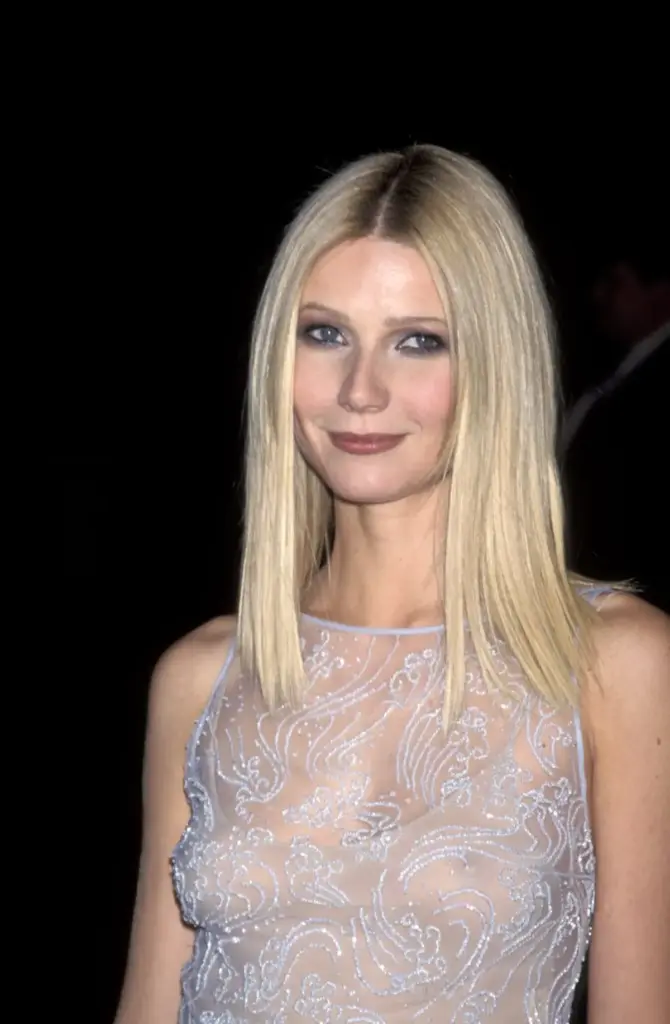
Drawing inspiration from 1990s fashion minimalism, the slip bob channels the fluid, liquid elegance of the iconic slip dress into a shoulder-grazing haircut. While Gwyneth Paltrow famously wore the style ultra-straight, Hailey Bieber’s recent debut of a wavy, tousled midi-length variation proves the slip bob remains one of summer’s most adaptable and sophisticated choices.
9. The Flicky Bob (Y2K Glamour with High-Shine Finishes)
Characterized by ultra-feminine, inverted ends with flared tips, the flicky bob instantly conjures images of Kelly Rowland (during her Destiny’s Child era) and Cameron Diaz. Contemporary versions retain the playful, rounded flip of their predecessors but are elevated through high-shine finishes achieved via lightweight hair oils, serums, and gloss sprays.
"The flicky bob makes the hair look incredibly full, which is something many people want from a shorter cut," notes Wild. "Add a little tonging through the ends for that soft ‘flip,’ but keep the overall look natural and polished, without appearing too ‘done.’"
10. The Gamine Pixie (Audrey Hepburn’s Tapered Micro-Crop)
Described by Wild as "a cooler, softer predecessor to the classic ’90s pixie," the gamine pixie draws direct lineage from Audrey Hepburn’s tapered micro-crop following Roman Holiday. For clients seeking a bold transformation, this delicate, boyish aesthetic can be customized to feel lighter and thoroughly modern.
"You can add a fringe or leave a little more length around the ears so you can tuck the hair behind them, which makes the look less severe," Wild advises. "It’s also a great cut for growing out, because it evolves beautifully as the hair gets longer"—with global superstar Zendaya serving as the ultimate reference point.
Supporting Context & Metrics: The Consumer Shift Toward Low-Maintenance Nostalgia
The resurgence of these ten specific styles is not merely a cyclical coincidence; it is powered by shifting consumer behavior. Industry data indicates a 42% year-on-year increase in salon requests for mid-length and cropped cuts ahead of the summer season, driven primarily by two factors: heatwave preparedness and styling fatigue.
Haircut Trend
Primary Era of Origin
Key Modern Muse
Maintenance Level
Best Hair Texture
Graduated Bob
Early 2000s
Cate Blanchett
Medium
Straight / Wavy
The Rachel
Late 1990s
Gigi Hadid
Low / Medium
Fine / Flat
French Bob
1920s / 1960s
Halle Berry
Low
Wavy / Curly
Bardot Bangs
1960s / 1970s
Copenhagen Street Style
Medium
All Textures
Choppy Pixie
1990s
Teyana Taylor
High
Straight / Coarse
The Bixie
1990s / 2000s
Gracie Abrams
Low
Fine / Wavy
Deep Side Parts
2000s / 2010s
Hannah Waddingham
Low
Mature / Thinning
Slip Bob
1990s
Hailey Bieber
Medium
Straight / Wavy
Flicky Bob
Y2K Era
Runway Models
Medium
Straight
Gamine Pixie
1950s / 1960s
Zendaya
High
Fine / Straight
Salons report that clients are actively seeking styles that require fewer thermal appliances during peak summer temperatures. By leaning into natural air-drying capabilities, textural styling creams, and cuts with built-in architecture, consumers are prioritizing hair health without compromising on high-fashion visibility.
Official Statements & Expert Insights
Industry leaders emphasize that the success of these vintage revivals lies in personalization. The rigid, unforgiving lines of past decades have been softened to accommodate contemporary lifestyles.
"Hairdressing right now is about honoring historical silhouettes while refusing to be a prisoner to them. Whether it’s the graduation of a bob or the softness of a gamine crop, the modern consumer wants a haircut that works with their lifestyle, not against it."
— Laura Elliott, Head Stylist and Educator at Neäl & Wölf
Furthermore, stylists note that the embrace of nostalgic hair trends reflects a broader cultural desire for comfort and emotional connection through fashion.
"There is a profound sense of comfort in nostalgia. When clients sit in the chair asking for a 90s layer or a Y2K flip, they are looking for a piece of cultural history that makes them feel grounded, yet elevated."
— Andreas Wild
Future Outlook: Where Hair Trends Are Headed Beyond Summer 2026
As the beauty industry looks past the summer of 2026, the trajectory of hair styling points toward hyper-individualized hybrid cuts. The rigid boundaries separating decades are dissolving; clients are increasingly combining the structured framing of 90s layers with the effortless, air-dried textures of 1920s French cropping.
The overarching takeaway for salon-goers and trend forecasters alike is that retro hair revivals are no longer about strict historical replication. Instead, they serve as a canvas for self-expression, proving that the most enduring hairstyles are those capable of evolving alongside the modern wearer. As we move deeper into the decade, expect to see even more cross-generational cuts emerge, cementing the reality that great hair truly transcends time.