Executive Overview
If you are over the age of 40 and spend even a fraction of your time browsing fitness content on social media, the algorithmic verdict is likely hard to escape: lift heavy things, build muscle, and protect your bones. For once, digital algorithms are distributing remarkably sound medical and physiological advice. As human beings age, a natural, progressive decline in muscle mass and strength—clinically known as sarcopenia—begins to take hold. Resistance training remains the single most effective intervention to combat this physiological downturn, shielding the body from frailty and loss of independence.
However, the modern fitness zeitgeist has developed a glaring blind spot. By placing strength training so squarely in the cultural limelight, the wellness community risks sidelining cardiovascular fitness—an equally critical pillar of human longevity.
According to Amanda Lim, a former elite athlete, professional personal trainer, and founder of the preventative health medical clinic liftCLINIC, a truly robust longevity protocol cannot afford to play favorites.
"There isn’t really a way to pick one or the other if you want to maximize your potential health outcomes in the future," Lim argues. "You can’t deny the impact of heart health, but you also want to be able to stand up out of your wheelchair."
To age successfully, individuals must balance both modalities, understanding the distinct physiological pathways through which strength and aerobic training protect the body. This comprehensive report examines the data behind why lifting and cardio are both non-negotiable, how to measure your personal baseline metrics, and how to effectively integrate both into a sustainable, science-backed weekly routine.
Detailed Chronology & Scientific Evolution: The Shift from Lifespan to Healthspan
For decades, modern medicine measured the success of healthcare interventions primarily through a single metric: lifespan, or the total number of years a person remains alive. While extending raw chronological age remains a noble pursuit, contemporary preventative medicine has fundamentally shifted its gaze toward healthspan—the number of years an individual lives free from chronic disease, disability, and debilitating functional decline.
The Rise of the Resistance Movement
Historically, physical culture prioritized aesthetics or athletic performance. As the global population began to age rapidly at the turn of the 21st century, researchers turned their attention to degenerative aging. Scientists quickly realized that sarcopenia and osteopenia (the loss of bone mineral density) were not inevitable, untreatable symptoms of passing time, but rather conditions that could be actively mitigated through mechanical tension.
This realization birthed the modern strength-training movement. Fitness experts began preaching the gospel of progressive overload, emphasizing that skeletal muscle is not merely an aesthetic asset, but an endocrine and metabolic organ vital for systemic health.
Correcting the Cardiovascular Pendulum
Yet, as social media popularized the "lift heavy" mantra, the pendulum swung too far away from cardiovascular conditioning. Public health messaging momentarily overshadowed the stark reality of modern epidemiology: cardiovascular disease remains the leading cause of death globally for both men and women.
As Lim notes, the medical community is currently working to recalibrate public perception. While building muscle ensures a resilient frame, conditioning the heart and vascular network ensures that blood, oxygen, and nutrients continue to fuel that frame efficiently. The modern longevity model, therefore, rejects the false dichotomy of "strength versus cardio," establishing them as co-equal partners in long-term human performance.
Supporting Context & Metrics: How to Measure What Matters
To optimize your body for longevity, you must first know how to accurately assess your current physical vulnerabilities. Guesswork yields suboptimal results; quantitative tracking reveals precisely where intervention is required.
1. Assessing Muscular Function via Grip Strength
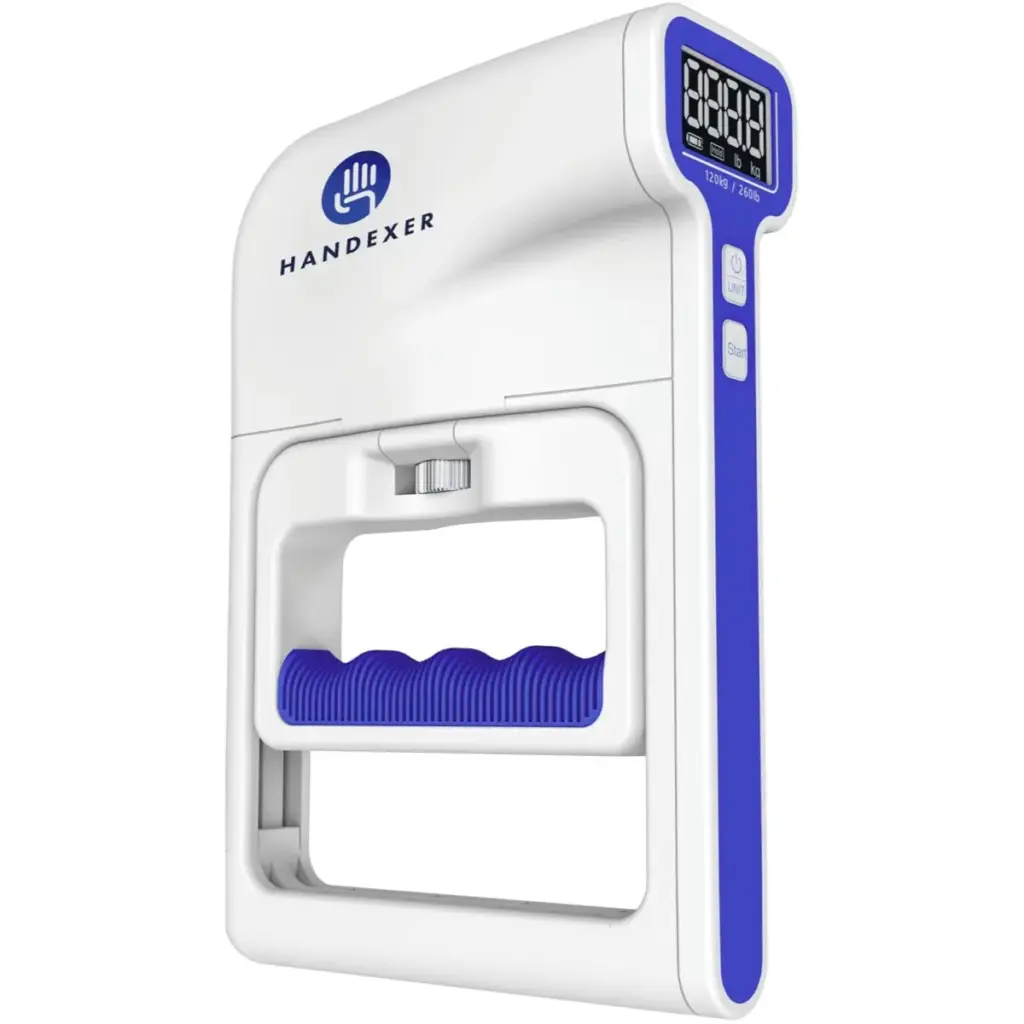
In clinical environments, measuring overall muscular fitness often starts with something surprisingly simple: the hand-grip dynamometer.
"In the clinic, we measure hand grip strength using a dynamometer, and our hand grip strength measurement is a proxy for overall muscular function," Lim explains.
The clinical data supporting this metric is staggering. Extensive epidemiological research published in journals such as The BMJ demonstrates a terrifying correlation: for every 5-kilogram reduction in hand grip strength, an individual experiences roughly a 16% increase in all-cause mortality. Grip strength acts as an overarching barometer for systemic neuromuscular health, reflecting how well-preserved your motor units and muscle fibers are as you age.
2. The Six Functional Movement Patterns
Beyond raw grip force, functional longevity is defined by your ability to execute basic, unassisted human movements. Lim emphasizes that progressive resistance training must be anchored in the six foundational movement patterns:
- Squat: Essential for sitting down, standing up, and navigating stairs.
- Hinge: Crucial for picking objects up off the floor safely.
- Push: Vital for opening heavy doors or pushing yourself up from a lying position.
- Pull: Necessary for drawing objects toward you or stabilizing your upper back.
- Rotate: Important for twisting safely and protecting the spine against shear forces.
- Carry: Indispensable for carrying groceries, luggage, or children, mimicking real-world functional resilience.
Practicing these patterns with external resistance ensures that your musculoskeletal system retains the capacity to handle life’s unexpected physical demands. "The ability to take care of ourselves, like being able to get off the toilet by yourself, take a bath by yourself, change your clothes, those things are correlated with your healthspan—and that is where strength training comes in," Lim notes.
3. Evaluating Cardiovascular Fitness via VO2 Max
While muscle keeps you mobile, the heart keeps you alive. When evaluating cardiovascular fitness, the gold-standard metric is VO2 max—the maximum volume of oxygen your body can consume and utilize per minute during maximal or exhaustive exercise.
A landmark study published in the Journal of the American College of Cardiology, which tracked more than 750,000 U.S. veterans, revealed a dramatic correlation between cardiorespiratory fitness and survival. The researchers found that individuals belonging to the least-fit cohort experienced a staggering fourfold increase in all-cause mortality compared to their most-fit peers.
"We must remember that heart disease is the number one killer of men and women," Lim warns. "We can’t get so narrow in the focus on muscles and strength and function that we forget about the primary story, which is the heart."
Official Statements & Expert Analysis
The integration of strength and cardiovascular training is increasingly backed by preventative medicine specialists, geriatricians, and sports scientists alike. Amanda Lim’s clinical observations synthesize these disciplines into actionable guidance for the general public.
According to Lim, increasing your VO2 max does not require immediately launching into punishing, professional-grade endurance protocols. Because cardiovascular intensity is relative to an individual’s current baseline fitness, improvements can be achieved through incremental adjustments.
"There is a level of intensity that’s demanded in order to increase your VO2 max," Lim states. "The good news is that intensity is relative to your current fitness levels, so you don’t need to necessarily start off running sprints. It could simply mean that you need to pedal the bike a little bit faster."
Furthermore, high-efficiency cardiovascular training offers a distinct time-management advantage for busy adults.
"Plus, with that very intense style of exercise, the dose is smaller. So those fitness gains take more intensity but less duration," Lim explains.
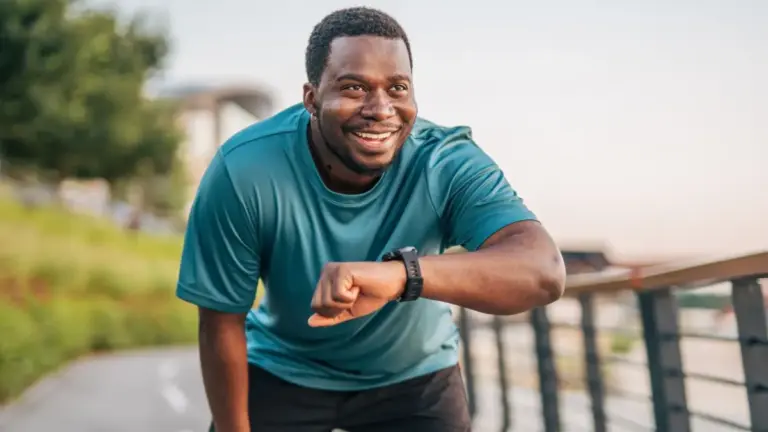
To capitalize on this efficiency, Lim recommends leveraging modern wearable technology—such as an Apple Watch, Garmin, or Fitbit—to monitor cardiovascular strain in real time. By elevating your heart rate to approximately 80% of your age-predicted maximum for brief, targeted intervals, you trigger the physiological adaptations necessary to expand your VO2 max without dedicating hours to continuous endurance training.
Future Outlook: Building Your Longevity Blueprint
Translating physiological theory into a weekly schedule does not require an Olympic-level training facility or an unmanageable time commitment. For beginners and seasoned trainees alike, efficiency and consistency remain the primary drivers of long-term success.
The 2-Hour Weekly Longevity Protocol
For individuals just starting their structured longevity journey, Lim advocates a remarkably accessible baseline allocation: two dedicated hours per week of intentional movement. This time can be neatly partitioned into:
- One hour of strength training
- One hour of cardiovascular exercise
This allocation can be tailored to individual preferences, whether executed as two separate one-hour blocks or broken down into four manageable 30-minute sessions throughout the week.
Structuring Your Strength Workouts
During your weekly strength allocation, prioritize compound, multi-joint movements that tax the six functional patterns (squat, hinge, push, pull, rotate, carry). Resistance can be scaled according to comfort and capability, utilizing:
- Bodyweight calisthenics (for beginners establishing neuromuscular control)
- Resistance bands
- Free weights (dumbbells, kettlebells, and barbells)
- Selectorized gym machines
Ensure that you apply the principle of progressive overload—gradually increasing weight, repetitions, or structural complexity over time to continually challenge your musculoskeletal system.
Structuring Your Cardio Workouts
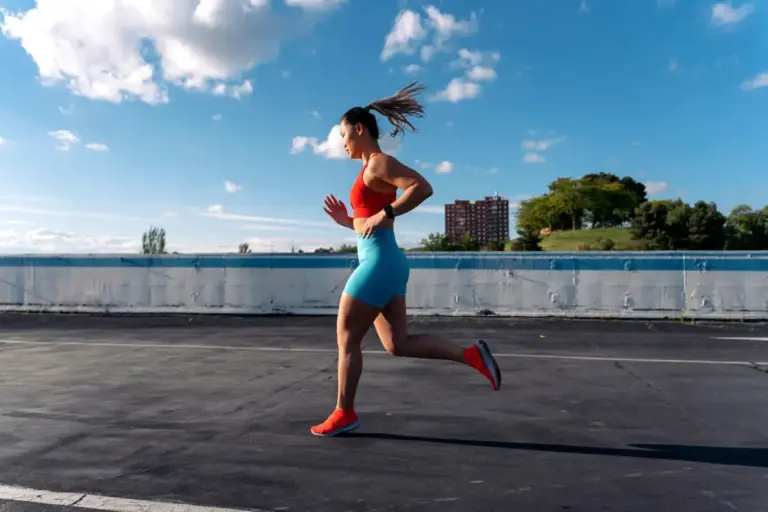
For your cardiovascular training, choose any mode of aerobic exercise that you genuinely enjoy and can sustain—whether that is running, cycling, rowing, swimming, or brisk incline walking.
However, to ensure meaningful adaptations in your VO2 max and heart health, structure is key. Lim offers a practical rule of thumb for endurance sessions:
"If you’re doing an hour of cardio, make sure at least 10 of those minutes are difficult… The rest of your workout can be in that low to moderate aerobic zone."
By dedicating 10 to 15 minutes of an aerobic session to pushing your heart rate up to 80% or more of its maximum capacity—complemented by steady, low-intensity movement for the remainder of the session—you hit the sweet spot of cardiovascular development.
Conclusion
Ultimately, outsmarting the aging process requires a holistic, dual-pronged strategy. While strength training safeguards your independence, mobility, and structural integrity, targeted cardiovascular conditioning protects your vital organs and metabolic engine. By refusing to compromise on either front, you build a resilient, high-performing body engineered to thrive well into your later decades.