Executive Overview
As the literary and cinematic worlds brace for the October 2, 2026 theatrical release of Verity—the high-profile psychological romantic thriller based on Colleen Hoover’s 2018 smash-hit novel—author Colleen Hoover finds herself caught in a narrative paradox. Nearly eight years after self-publishing a book that polarized readers with its ambiguous, morally dizzying conclusion, Hoover admits that the cinematic process has fundamentally altered her relationship with her own characters.
Directed by Michael Showalter and featuring a powerhouse ensemble cast led by Anne Hathaway, Dakota Johnson, and Josh Hartnett, the upcoming Amazon MGM Studios adaptation didn’t just translate page to screen; it acted as a collaborative diagnostic tool. For Hoover, watching seasoned actors inhabit the complex, deeply flawed roles of Verity Crawford, Lowen Ashleigh, and Jeremy Crawford brought a new dimension of empathy to a character she once viewed as purely villainous.
This comprehensive report examines the trajectory of the Verity phenomenon, analyzing how the upcoming film adaptation breathed new life into Hoover’s psychological labyrinth, the behind-the-scenes evolution of the script, the star-studded casting choices, and what audiences can expect when they finally return to the chilling Crawford estate.
Detailed Chronology: From Self-Published Sensation to Cinematic Milestone
The 2018 Genesis
When Colleen Hoover initially released Verity in 2018, it represented a sharp departure from her trademark emotional contemporary romances. Diving headfirst into dark psychological suspense, Hoover crafted a tale about Lowen Ashleigh, a struggling writer hired to complete the remaining books of a successful series by incapacitated author Verity Crawford. Upon moving into the Crawford estate, Lowen discovers an unpublished, bone-chilling autobiography detailing horrific admissions about the family’s past, setting off a dangerous spiral of romance, deception, and psychological warfare.
The Acquisition and Development Labyrinth
The journey from page to screen was neither swift nor straightforward. Over the years, multiple screenwriters tackled the daunting task of adapting Hoover’s labyrinthine plot. The current feature-film script was ultimately penned by Nick Antosca—renowned for his work on prestige psychological thrillers and true-crime television projects like The Act and Candy. Early developmental drafts passed through the hands of several scribes, including Lauren Levine, Hillary Seitz, Angela LaManna, Will Honley, and April Maguire, before the production found its definitive voice under Antosca and director Michael Showalter.
Casting the Trinity (Late 2024)
The adaptation gained immense momentum in late 2024 when Amazon MGM Studios locked in its principal cast:
- November 2024: Academy Award winner Anne Hathaway was officially confirmed to star as the enigmatic, controversial titular character, Verity Crawford, alongside taking on a producer credit.
- December 2024: Dakota Johnson boarded the project as the conflicted protagonist, Lowen Ashleigh, tying the film to her production company, TeaTime Pictures. Simultaneously, Josh Hartnett was cast as the patriarch of the Crawford family, Jeremy Crawford.
Principal Photography and Production Wrap (Early 2025)
Cameras officially rolled in early 2025. In February 2025, production spilled into the streets of Queens, New York, where paparazzi and fans caught early glimpses of Hathaway and Hartnett filming key dramatic sequences. By April 2025, Anne Hathaway officially confirmed that principal photography had wrapped. With post-production spanning well over a year, the studio locked in a plum fall release date: October 2, 2026.
Supporting Context & Metrics: The Anatomy of a Psychological Thriller
Deconstructing the Ending: Fiction vs. Fact
To understand why the film adaptation caused Hoover to rethink her perspective, one must revisit the novel’s infamous structural ambiguity.
Within the novel’s pages, Verity Crawford’s recovered manuscript confesses to unthinkable acts: viewing her children—Chastin (who died of anaphylactic shock) and Harper (who drowned)—as emotional competition for her husband Jeremy’s affection. Verity details her alleged attempts to eliminate them before staging a suicide attempt that left her comatose.
However, the narrative rug is violently pulled out from under the reader in the final chapters. Lowen, who has since entered a romantic relationship with Jeremy after conspiring to murder Verity upon discovering she was faking her catatonic state, uncovers a hidden letter. In this final missive, Verity maintains her absolute innocence, claiming the manuscript was merely an unhinged exercise in fiction designed to help her channel a dark villain persona for her books, and alleging that the tragic car accident was actually Jeremy’s doing.
Faced with this shattering revelation, Lowen makes the chilling decision to destroy the letter before Jeremy can read it, leaving readers stranded in a moral vacuum: Was Verity a manipulative, murderous psychopath, or a victim framed by an abusive husband?
The Cinematic Challenge
Adapting a book defined by an unreliable narrator and an unresolved ending presented a unique hurdle for director Michael Showalter and writer Nick Antosca. Rather than leaning definitively into one interpretation, the filmmakers embraced the inherent multiplicity of the source material.
According to Showalter, the production actively experimented with different narrative resolutions during test screenings. This iterative process allowed the creative team to observe firsthand how audiences process ambiguity, ensuring that the film honors the complex, conflicting realities of all three principal characters without tipping its hand or neutralizing the narrative’s central tension.
Official Statements and Insights
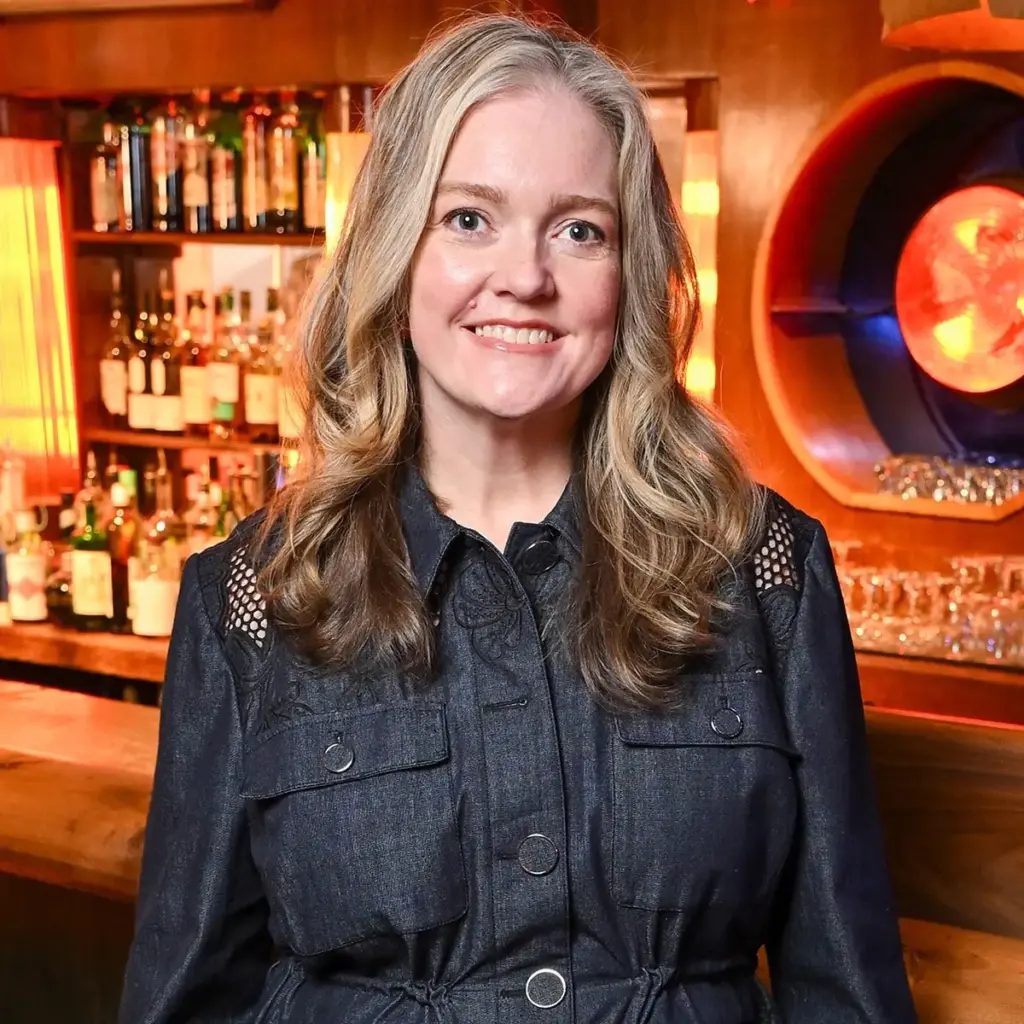
The intersection of literature and cinema often yields fascinating psychological shifts for creators. During a joint interview with E! News correspondent Will Marfuggi, Colleen Hoover and director Michael Showalter opened up about the transformative nature of the adaptation process.
"It did give me food for thought," Hoover revealed to E! News, reflecting on her time on set and watching the actors unpack the material. "I thought a certain way for so long after writing the book, that seeing the movie and seeing how Michael dove into every point of view, I started to find myself feeling sorry for the character I thought was more evil in the book."
Hoover emphasized that the film’s strength lies not in delivering a definitive moral verdict, but in preserving the agonizing grey areas that made the book a cultural touchstone.
"Not that the movie shifts you in one direction or another, it was just really fun seeing everyone’s opinions of the truth," Hoover continued. "I’ve been all over the place now."
Director Michael Showalter echoed this sentiment, detailing the delicate balancing act required to direct a psychological thriller rooted in subjective perception.
"You get three different versions of the story," Showalter explained, pointing to the perspectives of Verity, Lowen, and Jeremy. "I found myself not taking sides. I found myself wanting to honor each individual of our performers’ realities, to honor that in the filmmaking, so that we weren’t tipping the hat one way or the other. It was essential to tell the story as faithfully as possible and trust that those aspects that you’re talking about would organically come through."
Showalter also touched upon the experimental nature of the production’s editing phase, noting:
"There were different ways that we tried ending the movie where Lowen’s character winds up. It’s really interesting screening the movie. You really get to figure out how the audience wants it to end. It was really interesting what we learned through that process."
Future Outlook: What to Expect on October 2, 2026
As the countdown to October 2, 2026, continues, anticipation among Hoover’s massive global readership—often referred to as CoHo fans—is reaching a fever pitch. The convergence of an A-list cast, a seasoned auteur director, and a source material known for its relentless suspense positions Verity as one of the most anticipated literary adaptations of the decade.
Key Elements to Watch For:
- The Performances: The cinematic weight of the film rests heavily on the chemistry and psychological depth brought by Anne Hathaway, Dakota Johnson, and Josh Hartnett. Hathaway’s portrayal of a woman suspended between vegetative vulnerability and alleged monstrosity promises to be a career-defining turn.
- The Resolution: While Showalter and his team have remained tight-lipped on whether the film will definitively answer the book’s burning question or lean even deeper into ambiguity, test screenings suggest audiences will leave the theater deep in intense debate.
- The Aesthetic of Suspense: Early production sightings from Queens, New York, showcased striking contrasts—from high-fashion elegance to stark psychological dread—signaling that the Crawford estate will be brought to life with lush, cinematic menace.
Ultimately, Verity proves that great psychological thrillers do not need to offer clean, comfortable resolutions. By forcing both its author and its audience to continuously reevaluate who holds the truth, the film adaptation ensures that the haunting legacy of the Crawford family will continue to captivate, divide, and terrify audiences for years to come.