For the better part of the past decade, the fashion industry has been under the spell of a single, highly disciplined doctrine: the capsule wardrobe. Promoted by minimalists, lifestyle influencers, and sustainability advocates alike, the movement promised a utopian ideal—curate a tightly edited collection of neutral basics, invest in timeless silhouettes, and never stare blankly at a closet full of clothes wondering what to wear again.
Yet, a cultural reckoning is quietly taking place behind closed closet doors. Across metropolitan style hubs and digital fashion spaces, style enthusiasts are experiencing a collective awakening, standing in front of impeccably organized racks of beige trench coats, straight-leg blue jeans, and crisp white tees, only to realize they look entirely indistinguishable from one another. The very system designed to eliminate sartorial stress has inadvertently stripped personal style of its primary raison d’être: personality.
This comprehensive report explores the fatigue surrounding hyper-curated minimalism, the psychological shift toward expressive individualism, and the strategic pieces style-setters are using to inject life back into their daily outfits without completely abandoning their foundational staples. Backed by industry insiders—including Glamour global fashion director Tchesmeni Leonard and tastemaker Sasha Mei—this is the definitive guide to moving past the capsule wardrobe and rediscovering the joy of getting dressed.
Detailed Chronology: The Rise, Fall, and Fatigue of Minimalist Uniformity
To understand the current appetite for expressive dressing, one must examine how the capsule wardrobe evolved from a niche organizational hack into an inescapable cultural monolith.
Phase 1: The Promise of Order (Mid-2010s)
Originally popularized as a rejection of fast-fashion consumerism, the capsule wardrobe concept encouraged consumers to pare down their belongings to roughly 30 to 40 essential items per season. The philosophy was rooted in utility, financial efficiency, and ecological mindfulness. Social media platforms quickly seized upon the aesthetic appeal of monochromatic feeds, organized cedar closets, and symmetrical clothing racks.
Phase 2: The Monoculture of Neutrality (2020–2024)
As global uncertainties mounted through the early 2020s, fashion reacted with a collective retreat into safety. The "clean girl" aesthetic, quiet luxury, and corporate minimalism dominated the zeitgeist. Retailers flooded the market with endless variations of black trousers, oatmeal-colored knits, and structural blazers. While practical, this era fostered a rigid stylistic echo chamber. Getting dressed transformed from an act of creative self-expression into an exercise in compliance with algorithmically approved trends.
Phase 3: The Identity Crisis (Late 2024–Present)
The tipping point arrived when adherents of the movement realized that timelessness often translates to uniformity. A wardrobe built entirely of reliable basics functions brilliantly as an underlayer, but when every outer layer is also muted, textural depth and narrative vanish. Style-conscious consumers began reporting a strange phenomenon: despite owning the "perfect" closet, they felt entirely uninspired. The realization that fashion is fundamentally an art form meant to communicate identity sparked a counter-movement celebrating texture, color, and singular design.
Supporting Context & Metrics: The Shift Toward Individualism
The pivot away from strict minimalism is supported by changing consumer behaviors and shifting retail data. Market analysts note a surging demand for statement items that juxtapose against basic foundations, signaling that shoppers are no longer looking to replace their entire wardrobes—they are looking to accessorize and elevate what they already own.
According to Glamour global fashion director Tchesmeni Leonard, the key to navigating this transition lies in abandoning external validation in favor of internal intuition.
"When it comes to finding your personal style, it’s important to follow your intuition," Leonard explains. "If you see something you like and want to wear it, go for it! Trust yourself and your sense of style, and don’t worry about what the latest trend is, what other people are wearing, or what people will think of you. Confidence is key."
This philosophy underpins a new wave of styling advice: rather than starting from scratch, style enthusiasts are encouraged to use their existing capsule foundations as a canvas for high-impact pieces.
The Blueprint: What to Buy Beyond the Capsule
For those who have already mastered the art of owning the essential loafers, crisp white tees, and tailored trousers, the next step is strategic disruption. Here is the ultimate playbook for breathing fresh life into a tired closet.
1. Personality Pants and Sculptural Bottoms
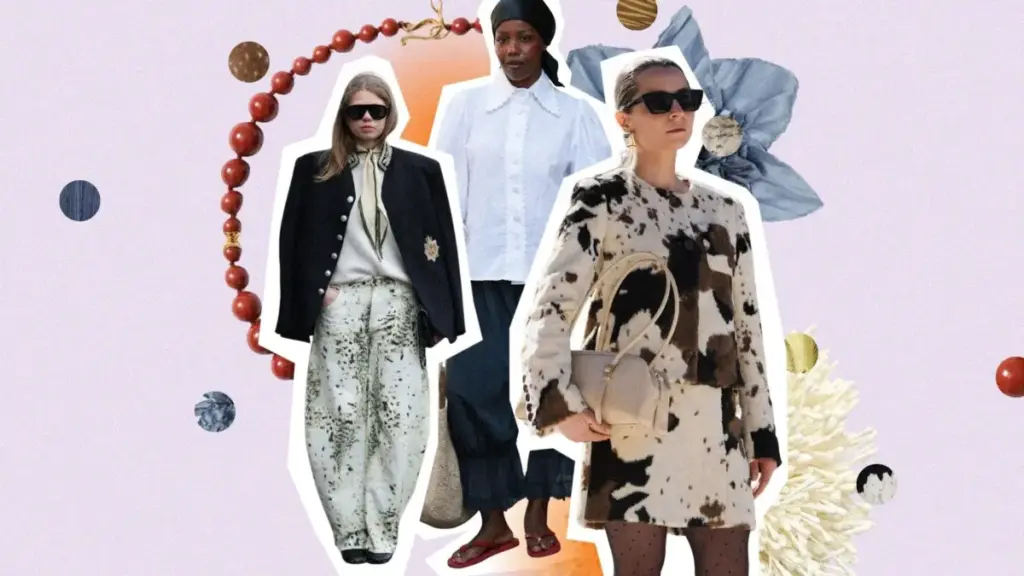
If basic denim and tailored trousers have left you feeling uninspired, it is time to look at lower-half styling. The market has seen an explosion of silhouettes that command attention while remaining surprisingly versatile.
The Insiders’ Choice: Brands like Chan Luu—championed by both Sasha Mei and Tchesmeni Leonard—have captured the fashion world’s attention with pieces like the Techno Taffeta Barrel Pants. Balancing unique volume, texture, and color with enough neutrality to ground an outfit, they offer a low-risk entry point for style-curious dressers.
Alternative Approaches: If avant-garde shapes feel intimidating, try introducing bold prints or unexpected textures (such as croc-embossed leather or liquid satin) while keeping the silhouette familiar. Alternatively, explore dramatic skirt silhouettes, like the St. Agni Fawn Pencil Skirt, which instantly elevates a simple knit top.
2. Big, Bold Blouses
The white button-down shirt is the undisputed king of the capsule wardrobe, but it is also the ultimate tool for blending in. When your goal is to stand out, the blouse department offers infinite possibilities.
Wearability First: Tastemaker Sasha Mei advises applying a practical filter when shopping for statement tops. Ask yourself: "What already exists in my closet that I can match this with? Is it adding anything special to those pieces?"
Key Silhouettes: A sleek scarf top paired with classic blue jeans or a romantic poet blouse tucked into a structured skirt delivers an immediate visual impact far exceeding a standard oxford shirt. Consider sculptural designs like the Modern Citizen Angeli Off-Shoulder Back-Drape Blouse or Helsa’s The Poet Blouse to add architectural interest to your upper half.
3. Footwear for Strutting
Shoes possess the unique ability to anchor or entirely transform an ensemble. While white leather sneakers and classic black flats hold permanent residency in any functional wardrobe, statement footwear changes the narrative of an outfit entirely.
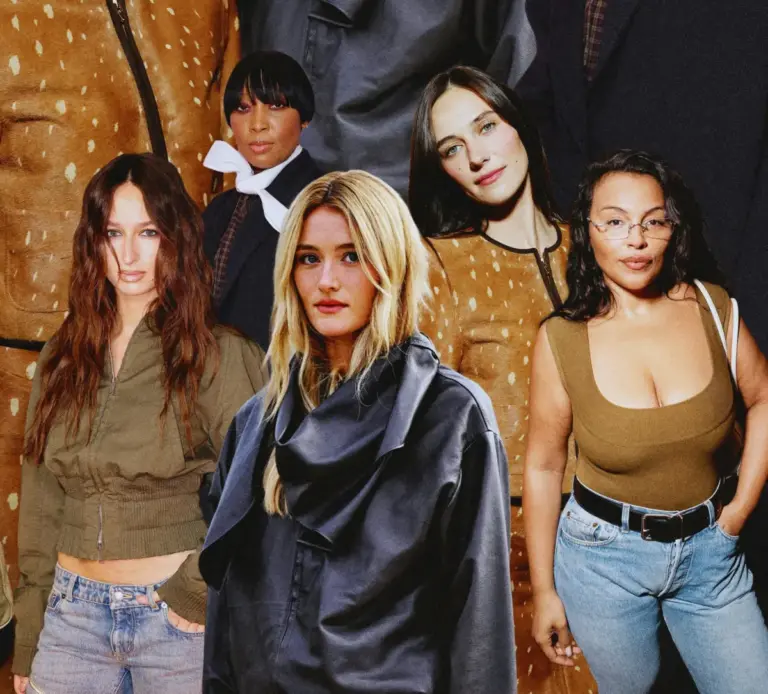
Texture and Tone: Two-toned satin wedges, animal-print mules (such as the trending Bambi-print aesthetic), and sculptural heels serve as wearable art.
Comfort Meets Color: For those who prefer flats, options like the Reformation Inez flat mule offer a seamless way to incorporate vibrant hues without sacrificing day-to-day comfort. When styling a loud shoe, the rule of thumb is simple: let the footwear do the talking by keeping the rest of the outfit clean and restrained.
4. Beyond a Boring Basic
Basics don’t have to be boring. Designers are increasingly reimagining staple pieces with clever tailoring twists, structural asymmetries, or removable embellishments.
The Elevated Tank: The Tory Burch ribbed tank top has become an editorial favorite precisely because it merges a classic silhouette with an unexpected, removable floral pin.
Details That Matter: Whether it is Issey Miyake’s pleated mock-necks or sweaters featuring playful waist ties and ribbon accents (such as the Shushu/Tong Tie-Detailed Wool Sweater), searching for your favorite foundational items with one distinct twist keeps your wardrobe functional yet memorable.
5. Accessories That Excite
Accessories are the punctuation marks of fashion. They require minimal financial and space commitment compared to heavy outerwear or tailoring, making them the ultimate playground for self-expression.
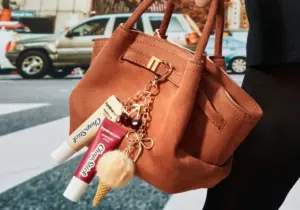
Conversation Starters: Items like the Valesque velvet tote, the quirky yet sophisticated Eliou Trout Comb necklace, or artistic statement pins like the By Malene Birger Henna Brooch inject instant character into an otherwise minimal outfit.
Clutch Culture: Metallic and sculptural clutches, such as the Simon Miller Metal Concha Clutch, prove that an accessory doesn’t need to shout to be heard—it just needs exceptional design.
Official Statements & Industry Insights
The fatigue surrounding hyper-minimalism reflects a broader cultural swing away from algorithmic homogeneity. As consumers grow weary of feeds populated by identical outfits, the fashion industry is responding by championing individual quirks, vintage mixing, and artisanal craftsmanship.
Industry leaders emphasize that moving beyond the capsule wardrobe does not mean throwing fiscal responsibility or organization out the window. Rather, it represents a maturation of personal style. Once a consumer understands their foundational fits, proportions, and color palettes, they are uniquely equipped to curate pieces that tell a personal story.
"Confidence is key," reiterates Tchesmeni Leonard. "Trust yourself and your sense of style, and don’t worry about what the latest trend is."
Future Outlook
Where is fashion heading next? The death of the capsule wardrobe has been greatly exaggerated—basics will always remain the structural backbone of dressing. However, the future belongs to hybrid styling.
In the coming seasons, expect to see consumers curating "living wardrobes"—closets where reliable staples act as dependable anchors, but where personality pieces rotate dynamically based on mood, artistic impulse, and emotional expression. The era of looking like everyone else on your social media feed is officially drawing to a close. Welcome to the age of uncompromising, joyful individuality.